

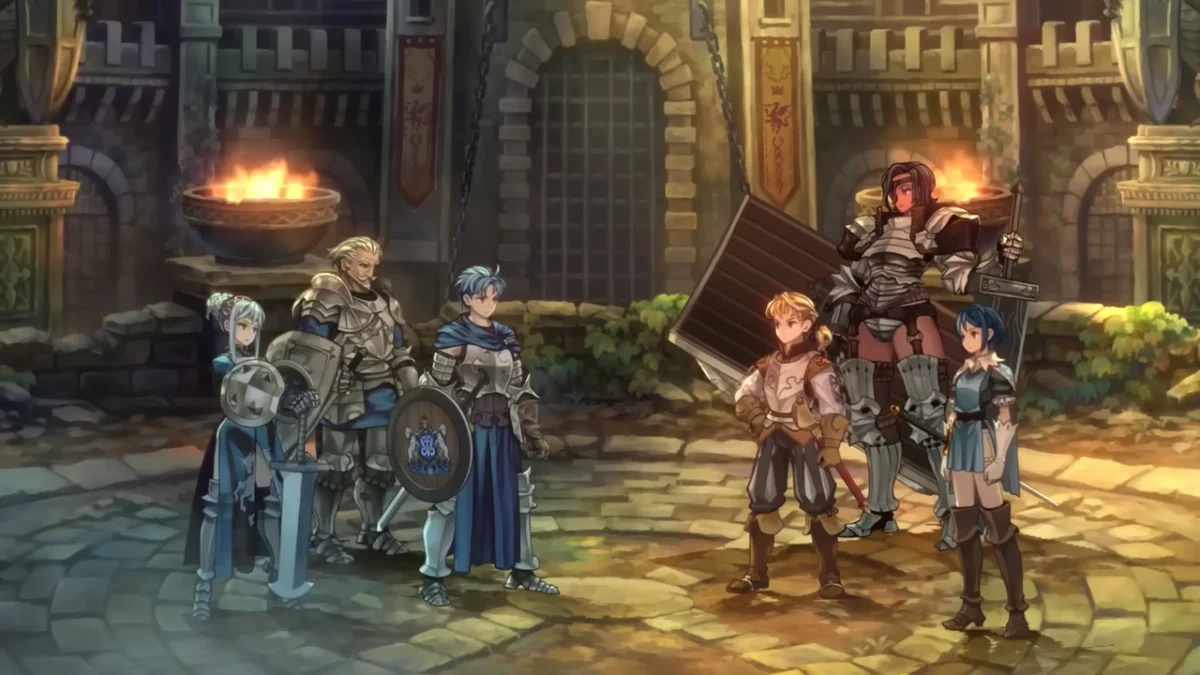
For years, the PC gaming community has operated under a veil of blissful ignorance regarding the exquisite, hand-drawn masterpieces of Vanillaware. It is a common survival strategy: if you do not own a PlayStation or a Nintendo Switch, you simply pretend the treasures locked within those ecosystems do not exist. However, the sheer artistic caliber of titles like 13 Sentinels: Aegis Rim and Dragon’s Crown has made that ignorance increasingly difficult to maintain.
With the recent, surprising appearance of a Steam page for Muramasa: Revenant Blades, the prospect of a Vanillaware influx on PC has shifted from a pipe dream to a tangible hope. Yet, a vast, legendary back catalog remains stranded on aging hardware. Now, thanks to recent insights from industry insiders, we finally understand exactly where the bottleneck lies: it is not with the developer, but with the purse-strings of their publishers.
The State of Play: A Studio Defined by Artistry
Vanillaware, led by the visionary George Kamitani, has carved out a unique identity in the gaming landscape. Unlike studios that chase the latest graphical fidelity or hyper-realistic 3D models, Vanillaware has doubled down on lush, 2D, painterly aesthetics that feel like moving storybooks. From the side-scrolling action of Odin Sphere to the complex, narrative-weaving RTS elements of 13 Sentinels: Aegis Rim, the studio’s output is defined by a distinct "Vanillaware look"—one that is arguably timeless.
Despite their critical acclaim, these games have historically been shackled to console exclusivity. For the PC gaming demographic, which prides itself on longevity, high-fidelity performance, and library preservation, the absence of these titles has been a significant point of contention.
Chronology of a Misconception
For the better part of a decade, a pervasive rumor circulated throughout gaming forums and journalism circles: George Kamitani was allegedly hostile toward the idea of porting his games to PC. This narrative became an accepted truth, cited by fans and pundits alike to explain the glaring absence of Dragon’s Crown or Odin Sphere on Steam.
However, that narrative was recently dismantled. During a discussion on the social platform Bluesky, games journalist James Mielke, who has maintained a professional relationship with Kamitani, addressed the long-standing rumor directly. When asked about previous reports claiming the studio founder refused to entertain PC ports, Mielke was unequivocal: "The reports were wrong."
This revelation has fundamentally altered the discourse. It clarifies that the lack of PC versions is not an ideological stance held by the creator, but rather a logistical and financial hurdle involving the publishers who own the rights to distribute these titles.
The Financial and Logistic Hurdles
To understand why these games are not currently on PC, one must look at the relationship between developers and publishers. Vanillaware is a boutique studio; they create the art and the code, but they do not typically handle the global publishing, marketing, or porting infrastructure required to bring a game to a new platform like Steam.
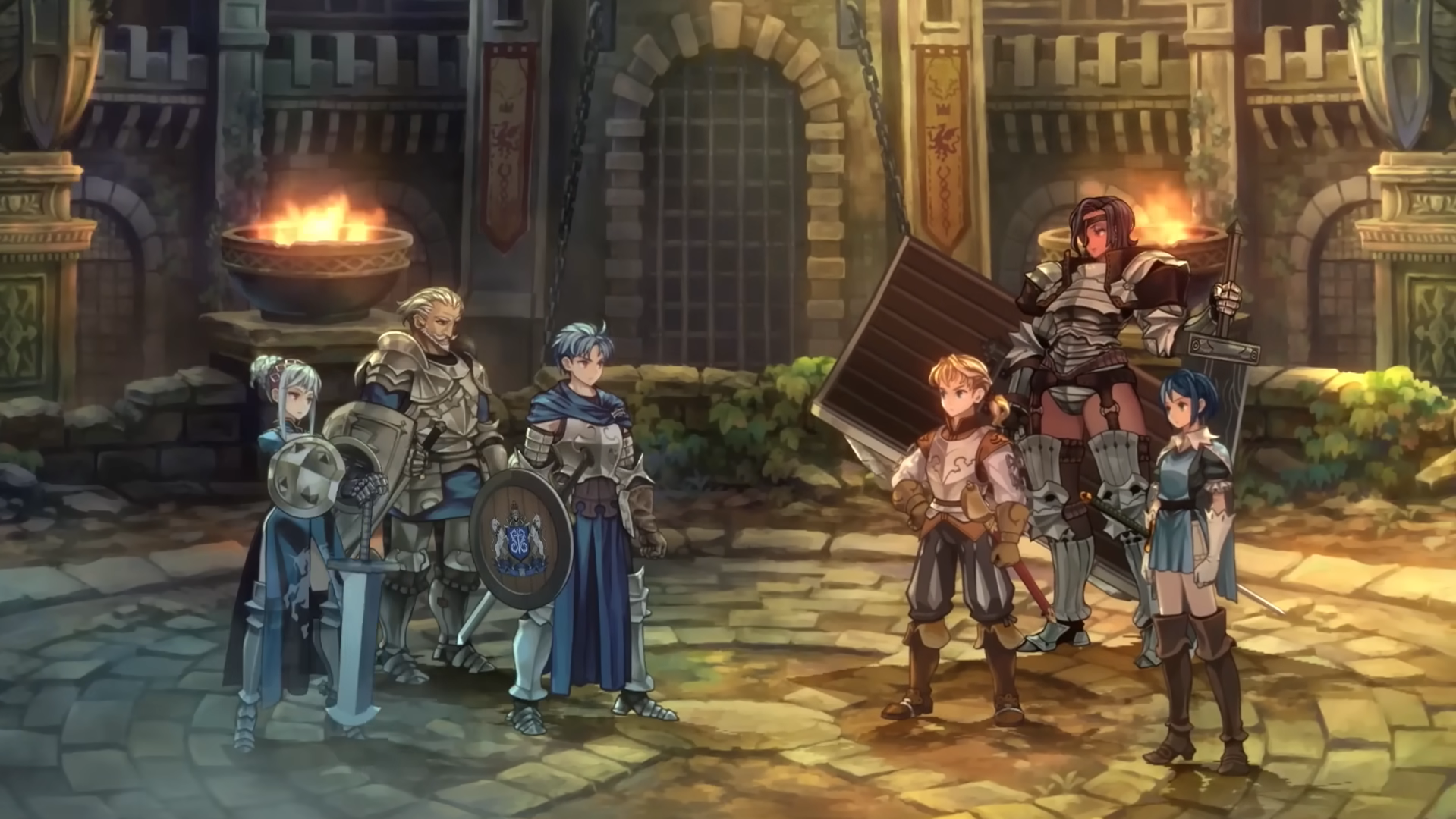
As Mielke relayed, "It’s up to the publisher to finance the ports." This puts the ball firmly in the court of companies like Atlus, NIS America, and Marvelous. Porting a legacy title is not merely a matter of clicking a button; it requires budget allocation for technical optimization, quality assurance, and ongoing maintenance. For a publisher, the decision to greenlight a port is a cost-benefit analysis. They must determine if the potential revenue from the PC market justifies the investment of bringing a decade-old game to a new audience.
Why the PC Market Needs Vanillaware
The argument for bringing these titles to PC is stronger than ever. The PC gaming landscape is currently experiencing a renaissance of 2D gaming and high-concept indie titles.
- The Case for Dragon’s Crown: We are currently living in a golden age of beat-’em-ups and side-scrolling RPGs. Dragon’s Crown, with its deep character progression and high-fidelity, hand-drawn art, would fit perfectly into the current PC market, where titles like Hades or Dead Cells have proven that players are hungry for refined, high-action experiences.
- The Case for GrimGrimoire: Strategy games have always been a cornerstone of the PC experience. GrimGrimoire, a real-time strategy game with a unique tactical loop, was originally designed for console controllers. Transitioning this to a mouse-and-keyboard interface would likely unlock the game’s true potential, providing the precision and speed that the genre demands.
- The Narrative Power of 13 Sentinels: The PC market has a ravenous appetite for narrative-heavy games, particularly in the visual novel and tactical genres. 13 Sentinels: Aegis Rim is widely considered one of the greatest sci-fi narratives in video game history. Bringing this to PC would allow it to reach an audience that values the type of complex, multi-threaded storytelling that defines the platform’s best-selling titles.
Official Stance: "Make Some Noise"
The most significant takeaway from the recent dialogue is the call to action from Kamitani himself. The studio founder has expressed a genuine desire to see his works reach a wider audience. However, in the corporate machinery of the gaming industry, "wanting" to do something is rarely enough.
"If you want 13 Sentinels, Dragon’s Crown, Unicorn Overlord, Odin Sphere etc. on PC, make some noise," Mielke stated on behalf of the developer. This is a direct invitation to the community to demonstrate demand. In an industry driven by data and analytics, publisher executives look for engagement, wishlists, and social media volume when deciding where to allocate their next round of development funding.
Implications for the Future of Preservation
The push for Vanillaware ports is not just about the convenience of playing on a specific device; it is a broader conversation about game preservation and platform accessibility. When legendary games remain trapped on "out-of-season" consoles, they risk being lost to time as hardware degrades and digital stores shutter.
By advocating for PC ports, the community is essentially arguing for the longevity of art. If these games were brought to Steam, they would be accessible to generations of players for decades to come, independent of the console lifecycle.
How the Community Can Respond
For the average gamer, the path forward is clear, if somewhat repetitive. The industry listens to two things: capital and noise.
- Digital Engagement: Following the official accounts of Vanillaware and their respective publishers, and engaging with posts regarding their back catalogs, sends a clear signal to social media managers and marketing teams.
- Wishlisting: Whenever a Vanillaware-adjacent game appears on a digital storefront, wishlisting it helps build the data case for future ports.
- Public Advocacy: Whether through social media campaigns, gaming forums, or direct feedback to publishers, the request for "Odin Sphere PC when?" is more than just a meme—it is a measurable metric of market interest.
As the industry continues to consolidate and focus on high-impact releases, the chance to preserve and expand the reach of mid-sized, high-quality works like those of Vanillaware is an opportunity that should not be squandered. George Kamitani has opened the door; it is now up to the PC gaming community to walk through it. The ball is in our court, and the message is simple: if you want the art, you have to be loud enough to be heard in the boardroom.

