

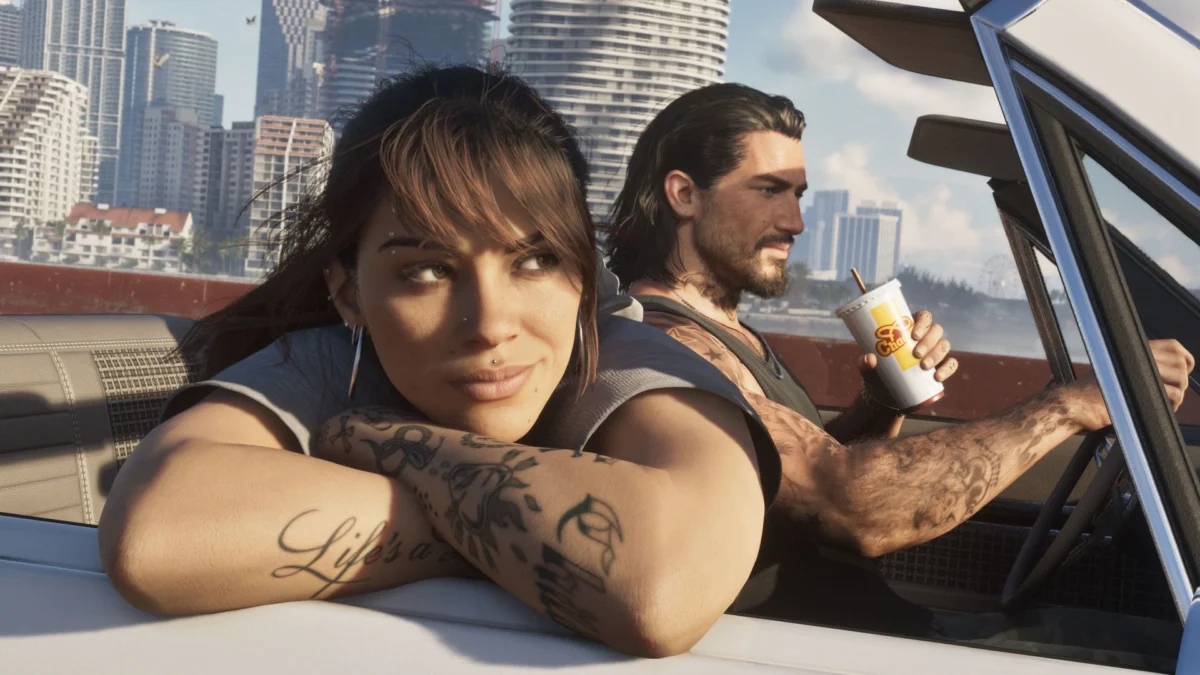
With just two months remaining until the highly anticipated launch of Grand Theft Auto VI, developer Rockstar Games has officially kicked its global marketing machine into overdrive. Blurring the boundaries between virtual fiction and real-world geography, the studio has set its sights on Miami—the vibrant, sun-drenched coastal metropolis that served as the primary blueprint for the franchise’s iconic fictional setting, Vice City.
While the initiative has sparked localized debates, political grandstanding, and logistical hurdles, Rockstar’s financial and cultural momentum remains unstoppable. At the center of this current marketing blitz is a massive, heavily publicized installation atop downtown Miami’s Kaseya Center, signaling to residents and tourists alike that the real world is about to embrace the chaotic energy of the Grand Theft Auto universe.
Main Facts: The Million-Dollar Takeover of the Magic City
The crown jewel of Rockstar’s initial wave of physical marketing is a towering "Welcome to Vice City" sign currently being erected on the roof of the Kaseya Center, home of the NBA’s Miami Heat. Estimated to cost roughly $1 million for this single installation, the massive structural piece has captivated fans, commuters, and local observers alike.
Throughout the day, heavy-lift helicopters have been utilized to hoist massive segments of the display onto the arena’s roof. Because the sign was initially positioned facing upward, speculation ran rampant across social media regarding whether the installation was designed primarily for aerial photography and satellite viewing, or if it would eventually be elevated for ground-level pedestrians. Regardless of its final orientation, the sheer scale of the project has generated immense buzz.
According to reports from the Miami Herald, the financial windfall for the local government is substantial. Miami-Dade County alone is slated to collect $975,000 strictly from the approval and placement of this singular promotional piece. While the county is serving as the host for the most elaborate displays, other municipalities within the broader metropolitan area—including Miami Beach and the city of Miami proper—have also struck lucrative commercial and promotional deals with Rockstar Games.

Chronology: From Bureaucratic Hurdles to Sky-High Spectacles
The path to bringing Grand Theft Auto VI marketing onto the streets of South Florida was far from a straightforward corporate approval process. The timeline of events leading up to the Kaseya Center installation highlights the friction between municipal promotion and public policy:
- Initial Proposals and Local Resistance: Weeks prior to the physical construction, Rockstar’s pitch to transform parts of Miami-Dade County into a real-life playground for Vice City promotions faced unexpected pushback. Local police representatives and specific area sheriffs voiced vocal opposition, arguing that the violent history and mature themes associated with the Grand Theft Auto franchise sent the wrong message to the community.
- Political Debates and Historical Grievances: During local government hearings, some politicians went as far as digging up controversies from decades past—including the infamous "Hot Coffee" mod incident from Grand Theft Auto: San Andreas—to grill Rockstar’s representatives over the franchise’s depiction of violence and adult content.
- Approval and Financial Clearance: Despite the moral grandstanding and police skepticism, local officials ultimately cleared a series of marketing agreements worth upwards of $3 million across the Miami area. Lawmakers emphasized the economic benefits, dismissing safety concerns with the pragmatic realization that "it’s a video game, it’s fake."
- The Launch of the Marketing Blitz: With the bureaucratic red tape cleared, Rockstar wasted no time. The company initiated live-streamed construction efforts, allowing thousands of eager fans worldwide to watch via city webcams as the components of the million-dollar sign were airlifted into place over Biscayne Bay.
Supporting Data: Unprecedented Scale and Digital Reach
The physical billboard in downtown Miami is merely the physical tip of the iceberg when examining the unprecedented promotional budget and cultural footprint backing Grand Theft Auto VI.
- $3 Million Municipal Investment: The total value of the marketing agreements cleared across Miami-Dade County, Miami Beach, and the city of Miami sits comfortably around the $3 million mark, providing a direct influx of cash into local government coffers.
- $975,000 Single Installation: The Kaseya Center rooftop signage alone accounts for nearly a million dollars of the regional expenditure, marking one of the most expensive single outdoor marketing stunts in gaming history.
- Record-Breaking Trailer Views: Rockstar’s dominance extends well beyond physical billboards. Prior to the outdoor campaign, the release of an extended look at GTA 6 dominated streaming charts, pulling in millions of views and briefly outperforming major television releases on platforms like Netflix as the most-watched content of its respective week.
- Global Digital Surveillance: Dedicated fans have turned digital infrastructure into a spectator sport. Thousands of enthusiasts have crowded around live city-cam feeds broadcasting the downtown Miami skyline, Port Miami cruise ship terminals, and Biscayne Bay weather to catch real-time glimpses of the construction work.
Official Responses: Between Public Skepticism and Corporate Silence
The juxtaposition between public concern and corporate reticence has defined the rollout of GTA 6‘s marketing phase.
Local law enforcement officials expressed genuine concern over aligning the Miami brand with a video game franchise historically centered around grand theft, police chases, and violent crime. A prominent local sheriff noted during the height of the debates, "We need to seriously consider the message we send to our youth and our community regarding public safety and the glamorization of criminal enterprise."
Conversely, municipal defenders of the agreement pointed to the undeniable economic boost. City planners argued that embracing the pop-culture phenomenon brings invaluable global tourism and financial investment to a region that has already been immortalized in gaming history through the original 2002 Grand Theft Auto: Vice City.
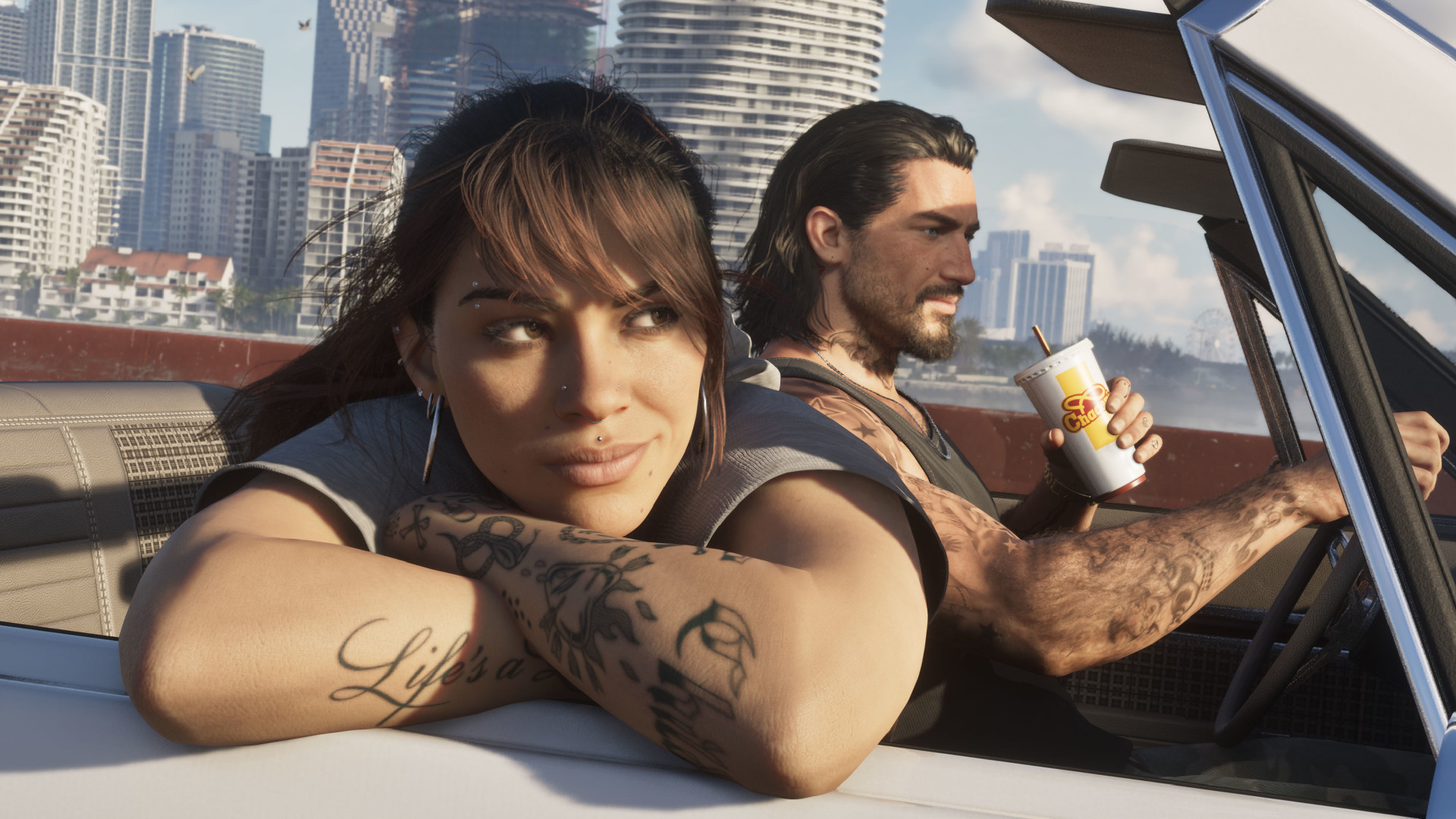
Meanwhile, Rockstar Games has maintained its characteristic air of corporate mystique. Aside from securing multi-million-dollar urban takeovers, the studio has remained relatively tight-lipped about specific gameplay details since its massive media drops. True to form, Rockstar’s public communications have focused more on strict boundaries than promotional reveals; the studio recently made headlines by issuing heavy-handed modding guidelines that explicitly warn community creators away from porting old maps, building new missions, or altering official game assets. The message from the developer is clear: while Rockstar is more than willing to reshape a real-life American metropolis in the image of its fictional creation, the sacred code of the game itself remains fiercely protected.
Implications: Setting a New Precedent for Entertainment Marketing
As the countdown to release enters its final two months, the events unfolding in Miami carry massive implications for both the video game industry and urban municipal marketing.
1. Blurring Lines Between Virtual and Physical Realities
By literally stamping "Vice City" onto the skyline of the city that inspired it, Rockstar is pioneering a hyper-immersive form of experiential marketing. Fans visiting Miami are no longer just tourists; they are stepping onto a living, breathing movie set for a multi-billion-dollar entertainment launch. This success will likely encourage other massive entertainment franchises to pursue large-scale urban takeovers, turning real-world cities into active promotional partners.
2. Economic Pragmatism Over Moral Outrage
The ease with which Miami-Dade officials bypassed police protests to secure millions in advertising revenue demonstrates a shifting societal attitude toward video games. Despite pushback regarding the mature themes of the Grand Theft Auto series, local governments increasingly view high-profile entertainment properties as vital economic engines rather than cultural liabilities.
3. Heightened Industry Expectations
With a marketing campaign that commands physical airspace, millions in municipal investments, and global digital surveillance by fans, the pressure on Grand Theft Auto VI to deliver a transcendent gaming experience has never been higher. Rockstar has raised the stakes to an astronomical level. When the game finally launches, it will bear the weight of not just being the most anticipated entertainment release of the decade, but the focal point of a cultural phenomenon that successfully painted a major American city in its own vibrant, controversial colors.

