

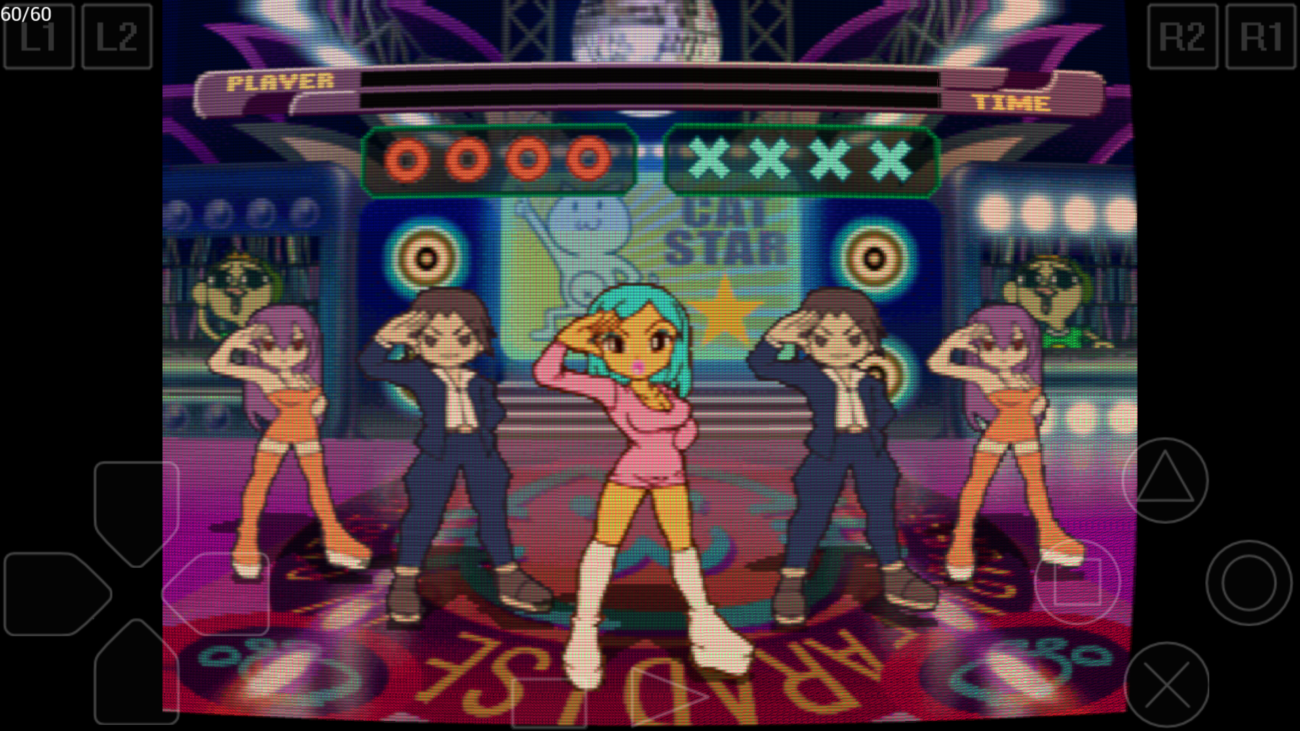
The PlayStation 1 (PS1) stands as a monumental pillar in gaming history, a console that ushered in the 3D revolution and gifted the world iconic franchises like Metal Gear Solid, Final Fantasy VII, and Resident Evil. Decades later, the allure of these 32-bit classics remains potent. Fortunately, the advancement of mobile hardware has turned modern smartphones into high-performance emulation machines. If you are looking to revisit your childhood favorites or discover the titles that defined an era, you need the right software to bridge the gap between legacy hardware and modern Android devices.
In this comprehensive guide, we examine the current landscape of PlayStation 1 emulation on Android, breaking down the technical capabilities, user experiences, and the best options available to you today.
The Evolution of Emulation: A Brief Chronology
Emulation—the act of one system imitating another—has been a cornerstone of the gaming enthusiast community since the late 1990s. The journey of PS1 emulation on Android has been marked by several distinct phases.
- The Early Years (2010–2013): As Android devices began to gain traction, developers saw an opportunity to bring the "PlayStation experience" to portable handsets. This era was defined by the arrival of ePSXe, which quickly became the gold standard. It was a port of the legendary PC emulator, bringing desktop-grade compatibility to the mobile form factor.
- The Refinement Era (2014–2019): During this period, emulators like FPse gained prominence, focusing on leveraging OpenGL for better graphical output. Developers began experimenting with hardware acceleration, allowing games to run at higher resolutions than the original 320×240 output of the PS1 hardware.
- The Modern Renaissance (2020–Present): We are currently in the age of DuckStation. Modern emulators have moved beyond simple compatibility to focus on accuracy, enhancement, and quality-of-life features. Today, we aren’t just playing games; we are upscaling them to 4K, fixing "texture wobble," and applying modern widescreen patches to classic 4:3 titles.
Analyzing the Top Contenders
Choosing the right emulator depends largely on your hardware, your preference for user interfaces, and your tolerance for technical configuration. Here is an analysis of the major players in the current ecosystem.
1. DuckStation: The Current Gold Standard
If you are looking for the absolute pinnacle of PS1 emulation, look no further than DuckStation. Developed with a focus on playability, speed, and long-term maintainability, it has rapidly eclipsed its predecessors.
Technical Superiority:
DuckStation is highly compatible with the massive PlayStation library. It is designed to be an accurate emulator, meaning it avoids the "hacks" that older emulators used to force games to run. Instead, it recreates the original hardware behavior with high fidelity.
Key Features:
- Resolution Upscaling: You can push your classic games to 1080p or even 4K resolutions, making sharp edges and textures pop on modern, high-DPI smartphone screens.
- Widescreen Hack: Many PS1 games were hardcoded for 4:3 displays. DuckStation includes a widescreen hack that expands the field of view without distorting the image.
- Per-Game Settings: One of the most significant features for power users. You can customize controls, rendering, and performance profiles for individual titles, ensuring that a demanding game like Gran Turismo 2 gets different treatment than a 2D title like Castlevania: Symphony of the Night.
- Rewind Functionality: For modern players used to "quality of life" features, the ability to rewind gameplay in real-time is a godsend for overcoming difficult boss battles without relying on save states.
2. FPse: The OpenGL Powerhouse
FPse remains a long-standing favorite for those who prioritize graphical visual flair. By utilizing OpenGL, FPse delivers crisp visuals that can make older titles feel surprisingly modern.
Performance and Feedback:
FPse is known for its relatively low overhead, making it a solid choice for mid-range devices. It features native support for external controllers, which is essential for the precise platforming or fighting games that dominated the PS1 era. Furthermore, it includes force-feedback support, which—when paired with a modern Bluetooth controller—adds a layer of haptic immersion that the original console could only dream of.
Looking Ahead:
The developers have also introduced FPseNG, an evolution of the platform. If you find yourself enjoying the standard FPse experience but desire more modern code optimizations, the "NG" (Next Generation) version is the logical upgrade path.

3. EmuBox: The Versatile All-Rounder
If you are the type of gamer who wants a "one-stop-shop" for all your retro needs, EmuBox is a compelling, if slightly different, option.
The "Jack-of-All-Trades" Approach:
EmuBox is a multi-system emulator. In addition to PS1, it handles NES, SNES, and GBA titles. This creates a unified UI for your entire retro library.
- Save Management: It allows for up to 20 save slots per game, which is incredibly generous for players who prefer to keep multiple save points throughout a campaign.
- Media Features: It includes a robust screenshot tool, allowing you to capture your favorite moments with ease.
The Trade-off:
Because it is a multi-emulator, it lacks the deep, specialized PS1-specific optimization found in DuckStation. Users should be aware that it is ad-supported, which can occasionally detract from the "premium" feel of a gaming session.
4. ePSXe: The Veteran Choice
Releasing in 2012, ePSXe is the elder statesman of Android emulation. Despite its age, it remains a highly relevant tool due to its stability.
Why choose a 2012 app?
In the world of emulation, "new" doesn’t always mean "better." Some users find that ePSXe is more stable on older Android hardware where newer emulators might struggle. With a 99% compatibility rate, it is essentially the "it just works" option.

- Couch Co-op: ePSXe retains excellent support for split-screen multiplayer. If you have a tablet or are casting your screen to a television, it is perhaps the best choice for recapturing the social aspect of 90s console gaming.
- No Ads: As a paid application, it offers a clean, professional interface that avoids the clutter of ad-supported freeware.
Technical Implications: Performance and Optimization
When configuring these emulators, users must understand the balance between hardware load and visual fidelity.
The BIOS Factor:
Most PS1 emulators require a BIOS file (the original PlayStation system software) to function correctly. While some emulators offer "high-level emulation" (HLE) that skips the BIOS, using an original BIOS file is almost always recommended for better game compatibility and sound accuracy.
Hardware Overclocking:
A unique feature available in emulators like DuckStation is the ability to "overclock" the emulated CPU. The original PS1 had a relatively slow processor, which often caused frame rate drops in intense scenes. By increasing the emulated CPU cycle, you can effectively eliminate frame drops in games like Crash Bandicoot or Final Fantasy, creating a smoother experience than the original hardware ever provided.
Supporting Data: Which Emulator is Right for You?
| Feature | DuckStation | FPse | EmuBox | ePSXe |
|---|---|---|---|---|
| Best For | Accuracy & Graphics | Visual Flair | All-in-one Library | Stability & Legacy |
| Ads | None | No | Yes | None (Paid) |
| Multi-System | No | No | Yes | No |
| Controller Support | Excellent | Very Good | Good | Excellent |
Conclusion: The Future of Mobile Retro Gaming
The technology required to emulate the 32-bit era is now so efficient that almost any smartphone purchased within the last five years is more than capable of running these titles at full speed. Whether you choose the feature-rich, high-fidelity experience of DuckStation, or the stability and convenience of ePSXe, the ability to carry a massive library of classic gaming history in your pocket is nothing short of a miracle.
For those who wish to venture beyond the 32-bit era, the landscape of mobile emulation continues to grow. We have previously covered the best Android PS2 Emulators and the premier Android 3DS Emulators, ensuring that whether you are looking for the grit of the 90s or the polish of the 2010s, your mobile device remains the ultimate gaming companion.

As developers continue to refine these tools, we can expect even better performance, lower battery consumption, and perhaps even more advanced graphical upscaling techniques. The magic of the PlayStation isn’t just in the games—it’s in the way we continue to keep them alive.

