

Main Facts: The Switch 2 Port of Square Enix’s Prequel
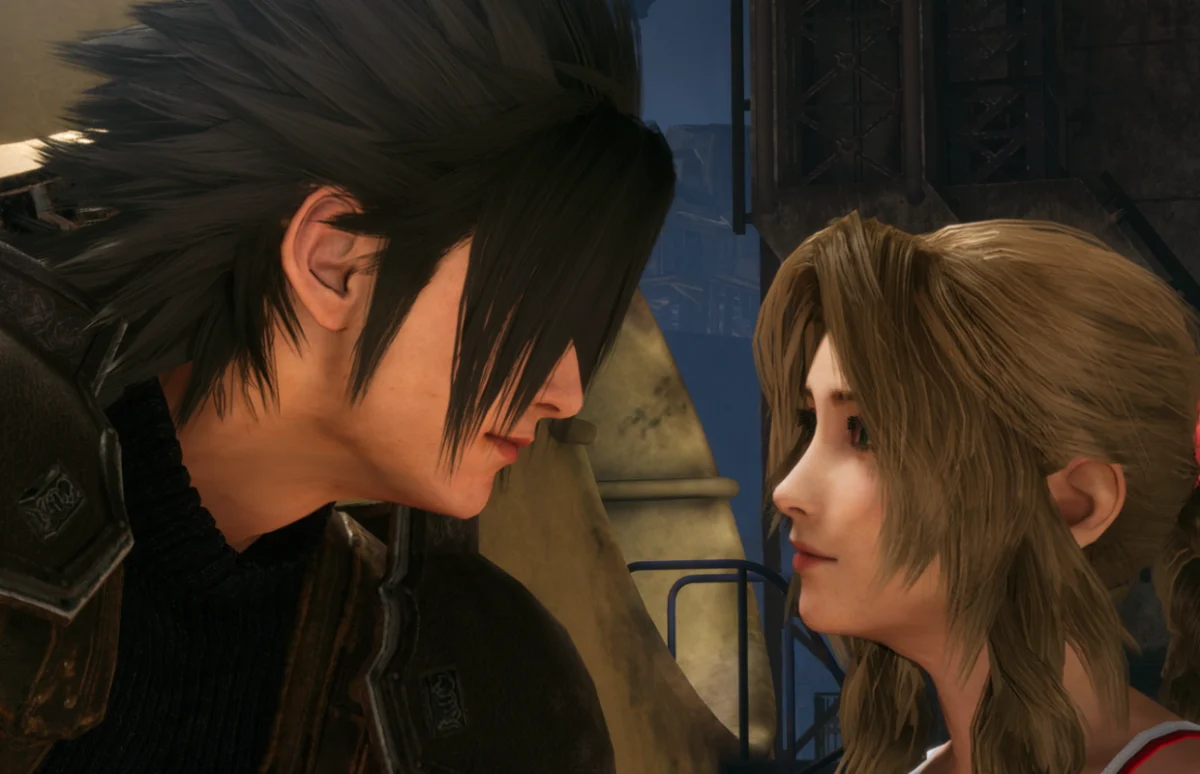
Following its surprise announcement and simultaneous release during this month’s Nintendo Direct, Crisis Core: Final Fantasy VII Reunion has officially made the generational leap to Nintendo’s successor hardware, the Nintendo Switch 2. Developed originally as a robust cross-generation remaster by Tose and published by Square Enix, the title bridges the narrative gap leading directly into the events of Final Fantasy VII.
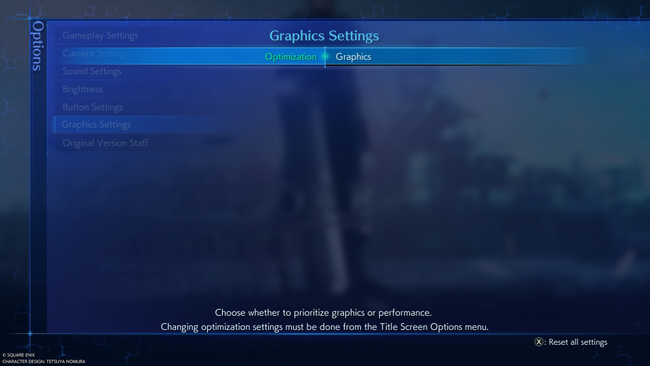
However, the launch of the Nintendo Switch 2 edition brings with it a familiar and controversial caveat for Square Enix titles: the game features no native upgrade path or save-data transfer functionality from the original Nintendo Switch version to the new hardware. Despite this missing consumer-friendly feature, the game delivers substantial technical enhancements. It ships with both a dedicated Graphics Mode and a Performance Mode—the latter functioning as the default setting and targeting a smooth 60 frames per second (fps).
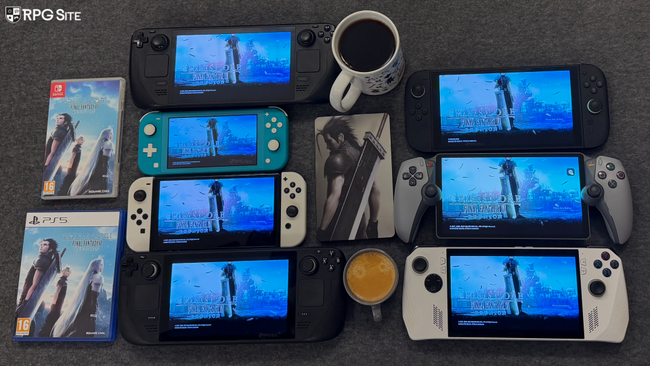
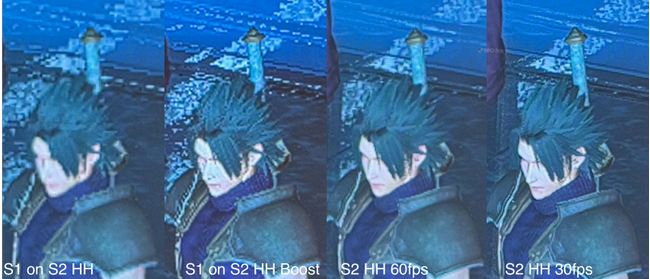
In testing across multiple platforms—including a base PlayStation 5, the original Nintendo Switch, the original Switch running via backward compatibility on the Switch 2, the new native Switch 2 version, and PC handhelds via Steam—the game reveals a fascinating snapshot of scalable engine design. While its visual fidelity sits a step below the PlayStation 5 version, the native Switch 2 port punches well above its weight class, offering a hybrid dock-and-handheld experience that rivals popular PC handhelds like the Steam Deck and ROG Ally.
Chronology: From PSP Classic to Modern Multiplatform Remaster
To understand the weight of the Crisis Core re-release, one must look at the trajectory of the project and its recent hardware journey:
- December 2022: Square Enix launched Crisis Core: Final Fantasy VII Reunion across PlayStation 5, PlayStation 4, Xbox Series X|S, Xbox One, Nintendo Switch, and PC (Steam). Developer Tose received widespread acclaim for transforming the 2007 PlayStation Portable (PSP) classic into a modern, full-fledged visual and mechanical remake.
- Early September 2026: Nintendo unveils the Switch 2 during a major Nintendo Direct broadcast, showcasing a wave of early third-party software titles. Crisis Core: Final Fantasy VII Reunion is announced as a day-one native release for the platform.
- Mid-September 2026: The native Switch 2 version hits the market. Early adopters quickly realize that, much like Square Enix’s previous handling of titles like Octopath Traveler and Dragon Quest upgrades, the publisher has omitted cross-generational save transfers and paid upgrade paths, forcing players to purchase the game anew at full price.
- Post-Launch Testing Phase: Media and technical analysts begin putting the game through rigorous testing to contrast the native Switch 2 code against legacy Switch software, PC handhelds, and the base PlayStation 5 version.
Supporting Data: Visual Performance and Load Times
Technical breakdowns reveal clear performance hierarchies across ecosystems. Developer Tose’s optimization work on the original Switch release was widely praised for running stably despite its inherent visual softness. On the Nintendo Switch 2, however, the game unlocks its true portable potential.
Graphics vs. Performance Mode
The native Switch 2 client offers two distinct presets:
- Performance Mode (Default): Targets a stable 60fps, making high-speed combat scenarios involving protagonist Zack Fair fluid and responsive. Visual cuts are present when compared to PC and PS5 equivalents, but geometry, texture resolution, and draw distances are vastly superior to the legacy Switch 1 iteration.
- Graphics Mode: Prioritizes higher rendering resolution and enhanced lighting/shadow fidelity at the expense of frame rate stability. For most players, the performance mode remains the definitive way to play due to the fast-paced nature of the Digital Mind Wave (DMW) combat system.
Load Time Benchmarks (in Seconds)
Internal storage speed testing demonstrates significant leaps in asset streaming when moving away from traditional SD card solutions:
| Platform | Dashboard to Title Screen | Loading Saved Game |
|---|---|---|
| Switch 1 (SD Card) | 22 – 23 seconds | 9 – 10 seconds |
| Switch 1 on Switch 2 (Internal) | 13 seconds | 4 seconds |
| Switch 2 (Native Version) | 12 seconds | 3 – 4 seconds |
| PlayStation 5 (Internal SSD) | 10 – 11 seconds | 3 seconds |
| Steam Deck (Internal SSD) | 17 – 18 seconds | 3 seconds |
| ROG Ally (Internal SSD) | 11 seconds | 3 seconds |
While loading times across modern hardware have converged to near-instantaneous speeds—barring the legacy Switch 1 hardware—the Switch 2 version holds its ground impressively against PC handhelds like the Steam Deck. Notably, all versions continue to force unskippable publisher splash screens, a persistent industry annoyance that remains unaddressed.
Official Responses and Industry Context
Square Enix has remained largely silent regarding specific player criticisms surrounding the absence of an upgrade path or cross-platform save synchronization for its early Switch 2 catalogue. In previous statements concerning broader title updates across hybrid ecosystems, the publisher has pointed to distinct infrastructural differences between software builds and licensing structures as barriers to seamless cross-gen transitions.
However, industry analysts have noted that Square Enix’s commercial strategy relies heavily on double-dipping, especially as Nintendo transitions its user base to next-generation hardware. With the publisher actively preparing the ground for the broader Final Fantasy VII Remake project architecture on Nintendo hardware, establishing technical footing with Crisis Core serves as a crucial engine test.
Privately, community sentiment has been vocal. While players universally praise the visual and performance improvements delivered by the Switch 2 patch, the financial penalty imposed on existing owners of the Switch 1 version has dampened an otherwise successful launch. Forum spaces and enthusiast communities have repeatedly highlighted the irony of a technical triumph being gated behind consumer-unfriendly business choices.
Implications: What This Means for Square Enix and Nintendo’s Future
The launch of Crisis Core: Final Fantasy VII Reunion on the Nintendo Switch 2 carries significant implications for the trajectory of JRPGs on portable hardware.
A New Standard for Portable JRPGs
Despite the lack of an upgrade path, the native Switch 2 version sets a high bar for what players can expect from mid-tier remasters on Nintendo’s new console. Delivering a locked 60fps target in a demanding action-RPG format proves that the Switch 2 can comfortably bridge the gap between legacy eighth-generation systems and modern handheld PCs. For newcomers who prioritize hybrid convenience—the ability to seamlessly dock for a big-screen session or undock for portable play, complete with superior haptic rumble implementation—the Switch 2 version easily eclipses both the base PlayStation 4 and the original Switch iterations.
Consumer Friction vs. Platform Momentum
The core issue remains Square Enix’s friction-heavy upgrade policies. If major publishers wish to maintain goodwill during generational handoffs, repeating the lack of save transfers risks alienating loyal digital library builders. Consumers are increasingly unwilling to re-purchase identical software libraries without at least a discounted upgrade tier or cloud save parity.
Looking Ahead: NieR and Beyond
Beyond Crisis Core, the technical success of this port fuels speculation about future Square Enix adaptations on Nintendo’s architecture. Industry insiders and fans are already looking toward titles like NieR: Automata and a prospective port of NieR Replicant ver.1.22474487139…. If Tose and other support studios can replicate the scaling triumphs seen in Zack Fair’s tragic journey, the Nintendo Switch 2 could quickly cement itself as a premier destination for classic Japanese role-playing games, provided corporate leadership aligns its monetization strategies with consumer expectations.

