

The challenge of previewing Role-Playing Games (RPGs) at industry trade shows is a narrative hurdle that never quite shrinks. While first-person shooters, platformers, and fighting games offer immediate, tactile feedback that translates well to a fifteen-minute demo booth, RPGs are inherently dense. They rely on the synthesis of narrative pacing, long-term progression, and complex mechanics—elements that are often stripped away when a player is dropped into a "vertical slice" of a game.
This friction was acutely felt during recent sessions at Anime Expo, where I sat down with Qliphah in Providence’s Shadow, an upcoming title published by Arc System Works. While the game boasts a striking visual identity, the experience of playing it—and subsequently trying to articulate that experience—left me grappling with a fundamental question: Does this specific demo accurately represent the final product, or does it inadvertently obscure the game’s true potential?
Main Facts: A New Vision for Tokyo
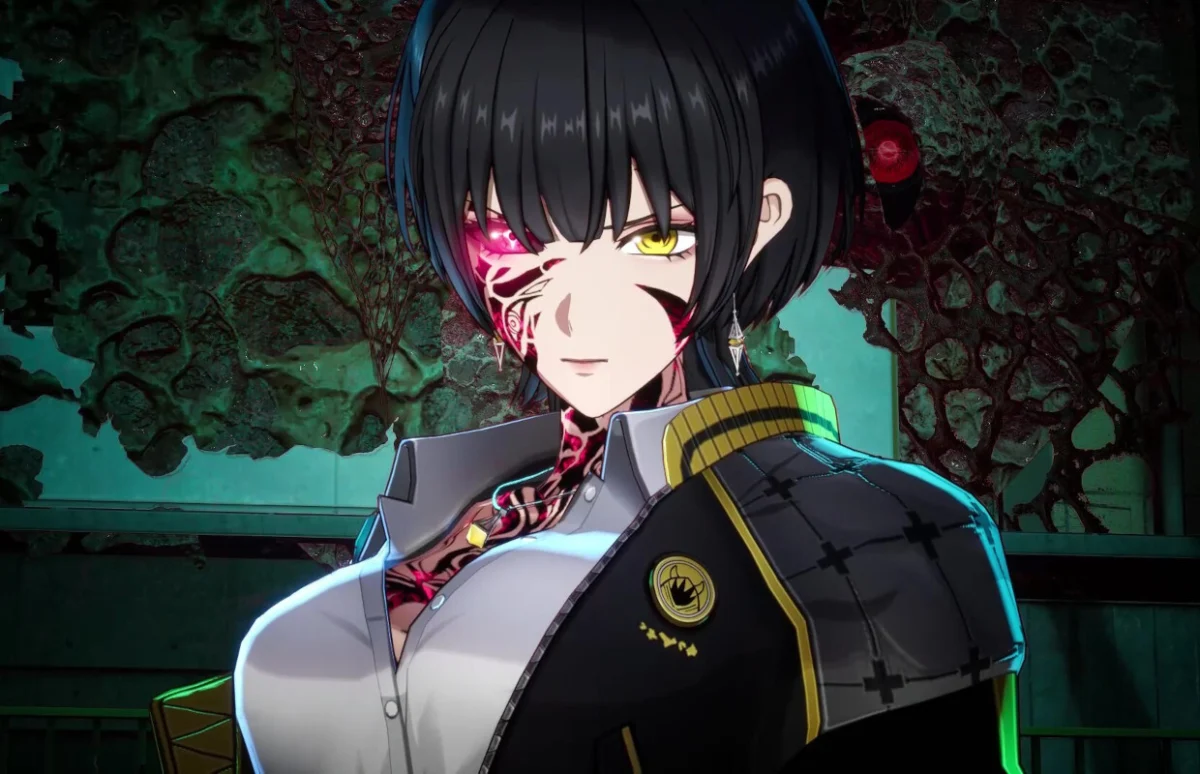
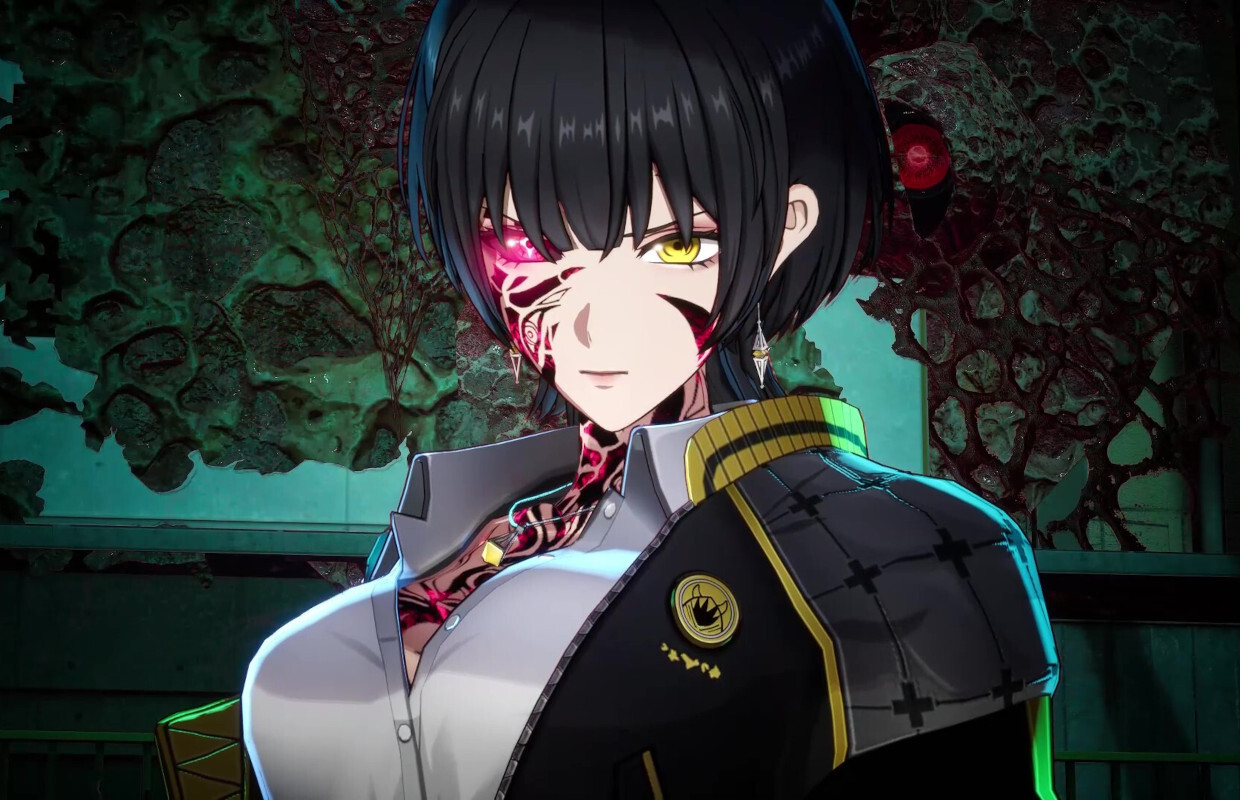
Qliphah in Providence’s Shadow is a stylized, atmospheric RPG that tasks players with controlling a pair of dual protagonists. Set in a ruined version of Tokyo, the narrative centers on a mysterious, world-altering event known as "the Collapse." As reality unravels at the seams, the players must navigate this broken landscape to uncover the truth behind the catastrophe.
Visually, the game is immediately arresting, utilizing a distinct aesthetic that sets it apart from the sea of generic anime-inspired RPGs. However, beneath the surface of its polished presentation lies a complex, rhythm-adjacent combat system that defines the game’s core loop. The title is slated for a release on September 24, arriving on PlayStation 5, Nintendo Switch, and PC (via Steam and the Epic Games Store).
The Mechanics of "Tactical Timeline" Combat
To understand Qliphah, one must understand its "Tactical Timeline" system. As described by game designer and director Satoshi Hirayae, the combat is less about traditional turn-based menu management and more about strategic foresight.
The Flow of Battle
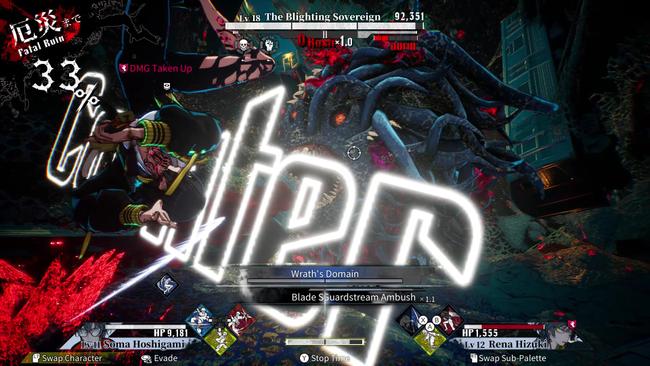
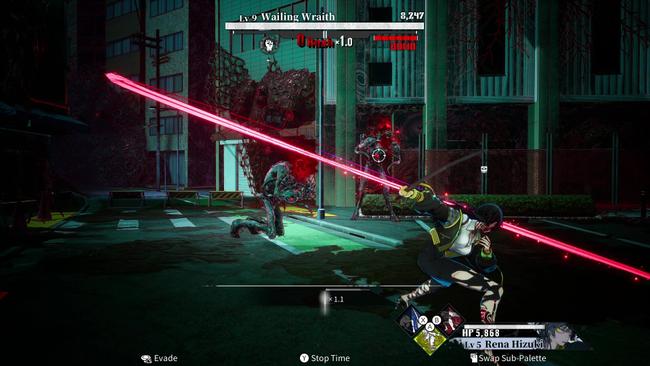
In practice, the combat functions like a timeline where enemy actions are telegraphed well in advance. These incoming threats are color-coded, functioning much like the indicators found in a fighting game’s training mode.
- Color-Coded Counters: If an enemy initiates a blue, red, or yellow attack, the player must time a corresponding character action to execute a counter-maneuver.
- The Evasion Variable: Attacks that lack color coding cannot be countered. In these instances, the player must physically move the targeted character out of the line of fire.
- Time Dilation: During the player’s decision-making phase, the game slows down time. However, initiating an evade command causes time to speed up, forcing the player to balance defensive movement with the need for careful planning.
This system is governed by a skill cooldown mechanic. While players can theoretically spam skills, doing so buffers the inputs, creating a high-risk environment. Because certain powerful attacks require both protagonists to act in sync—matching both the timing and the color of the enemy’s assault—the player is constantly forced to choose between immediate damage and holding onto a skill for a critical defensive opening.
Chronology: From Concept to Convention Floor
The journey to this preview has been marked by a slow realization of what Qliphah aims to be. Initial marketing materials and brief developer interviews painted a picture of a standard RPG, but the hands-on demo at Anime Expo shattered those assumptions.
- Pre-Expo Expectations: The game was positioned as a narrative-heavy RPG with deep, tactical combat.
- The Demo Experience: Dropped into a single, low-stakes encounter, the depth of the system was initially lost on the player. The combat felt sluggish and disconnected from the broader game loop.
- The Clarification Phase: Subsequent discussions with the development team clarified that the encounter used in the demo was a stripped-back, "relaxed" version intended to teach the player the basics of the timeline, rather than a reflection of the frantic, high-stakes combat found in the full game.
- The Post-Demo Synthesis: Upon reflection, the disconnect between the demo’s simplicity and the game’s described depth became clear. The challenge, however, remains that a casual player walking by a booth would likely encounter the same "slow" experience that initially proved confusing.
Supporting Data: What We Know vs. What We Don’t
While the demo provided a window into the combat, the broader architecture of the game remains a mystery. Based on information gleaned from the Steam store page and developer communications, we can begin to map out the structure of the final release.
- Narrative Presentation: Outside of the combat, the game utilizes a Visual Novel format to drive the story forward. This suggests a heavy focus on dialogue and character-driven beats.
- Exploration and Autonomy: The game features a world map, allowing players to choose which sectors of a ruined Tokyo to explore. This system is tied to risk/reward mechanics, where the map indicates both the difficulty of enemies in a specific area and the potential spoils for completing a mission.
- The "Clock" Mechanic: There is a persistent suggestion of a time limit or a ticking clock in the game’s meta-structure, which may force players to prioritize certain objectives over others.
However, significant questions remain. We have zero insight into the leveling system, gear progression, or the depth of the bond between the two protagonists. Without seeing how these elements integrate with the combat, it is difficult to judge whether the "Tactical Timeline" system will remain engaging for the duration of a full-length campaign.
Official Responses and Developer Intent
Director Satoshi Hirayae’s vision for the game is one of deliberate, rhythmic combat. His comparison of the mechanics to "frames in a fighting game training mode" is telling. It suggests that Arc System Works—a studio famous for its fighting game pedigree—is attempting to translate the high-speed, frame-perfect reactions of a game like Guilty Gear into the slower, more deliberate pacing of an RPG.
The developers have been quick to defend the nature of the demo, noting that the final game includes complex, multi-enemy encounters that demand constant, chained skill usage across both characters. Their intent is to provide a "tactical puzzle" rather than a button-mashing experience. Yet, the developers also concede that the game’s beauty is not "elegant" in its description—it is a game that must be felt to be understood.
Implications: The Risk of the "Vertical Slice"
The situation surrounding Qliphah in Providence’s Shadow highlights a growing issue in the marketing of modern RPGs. When a developer provides a demo that is too simplified, they risk alienating players who might mistake the tutorial-level gameplay for the depth of the final product.
If the combat truly shines only when the player is managing multiple enemies, complex combo chains, and dual-character synchronization, then placing a player against a single, non-aggressive enemy does a disservice to the design. The demo creates a false sense of what the gameplay loop actually entails.
The Verdict for Potential Players
For those interested in Qliphah, the upcoming September 24 release will be the ultimate test. The game occupies a unique space, attempting to bridge the gap between narrative-heavy visual novels and mechanical, high-skill-ceiling combat.
If the final game manages to marry the slow-burn mystery of its ruined Tokyo setting with the high-stakes, rhythmic combat teased by the developers, it could very well be a sleeper hit. However, if the "Tactical Timeline" remains as repetitive as it appeared in the limited demo, the title may struggle to maintain its momentum.
Ultimately, the demo for Qliphah in Providence’s Shadow served as a reminder that some games are simply too large, and too systemic, to be contained within the constraints of a convention floor. Whether the game is a triumph or a failure will depend on the very things we haven’t seen yet: the progression systems, the stakes of the story, and the way the combat evolves when the training wheels are finally removed. For now, the mystery of the Collapse remains as obscured as the gameplay itself. Stay tuned as we approach the launch window for further analysis of this enigmatic title.

