

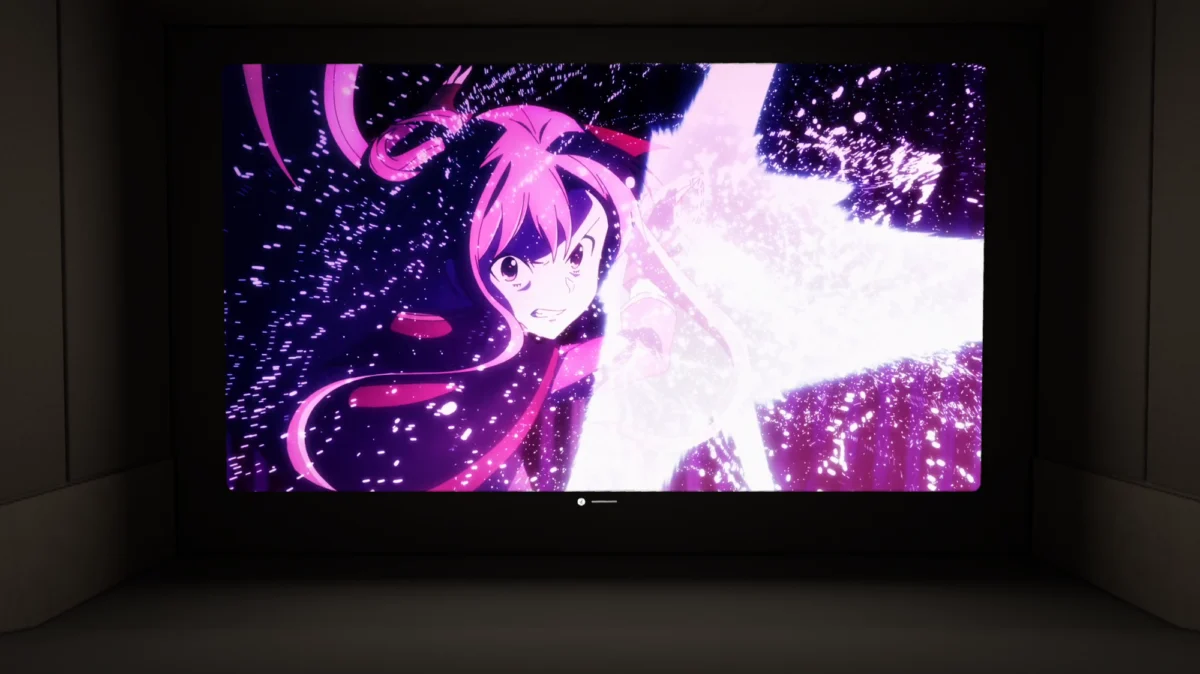
Datamining efforts across recent software builds indicate that Meta is actively developing a native, operating system-level virtual cinema environment for Quest headsets and its upcoming line of high-end VR eyewear. Dubbed Theater Home, the feature represents a significant pivot in Meta’s software strategy, shifting the responsibility of immersive media consumption away from social virtual worlds and integrating it directly into the core Horizon OS user experience.
This development arrives during a period of massive architectural reorganization for Meta’s Reality Labs. Following structural downsizing and a strategic decoupling of the company’s hardware operating system from the Horizon Worlds social platform, Meta is laying the groundwork for a hardware ecosystem marketed under the tagline: "Cinema. Computer. Console."
Main Facts: What Is "Theater Home"?
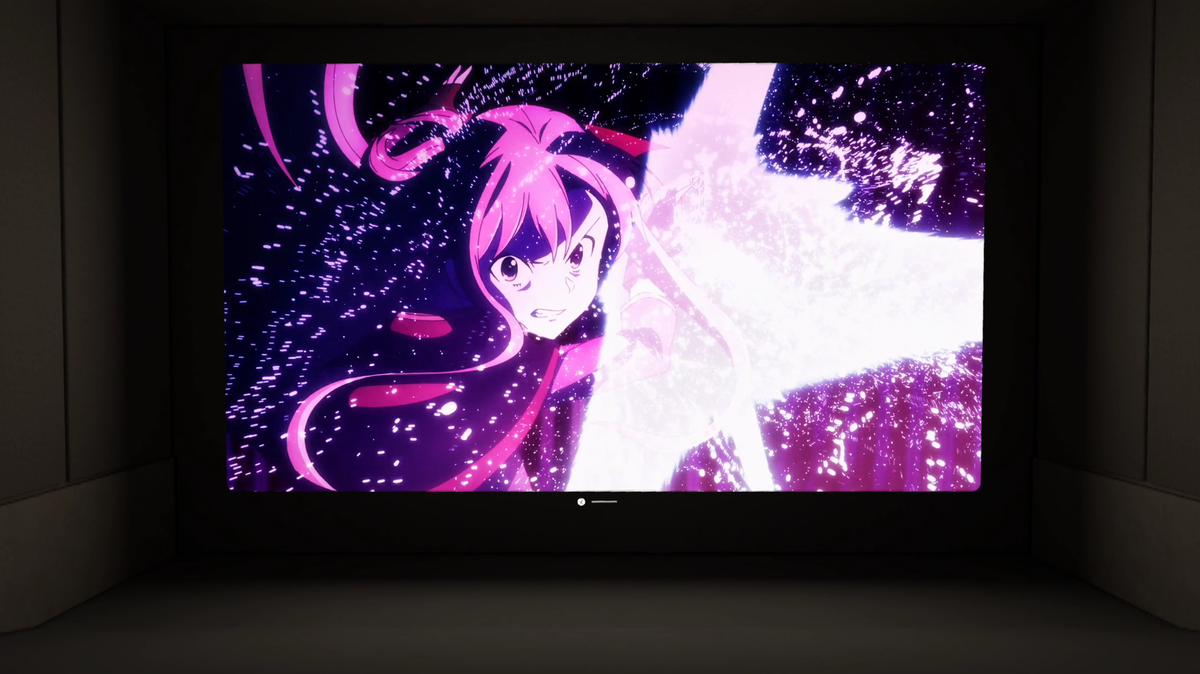
Discovered through deep inspections of the Horizon OS 2.9 Public Test Channel (PTC) firmware, Theater Home is an in-development, operating-system-level virtual cinema designed to elevate media consumption on Meta’s hardware lineup.
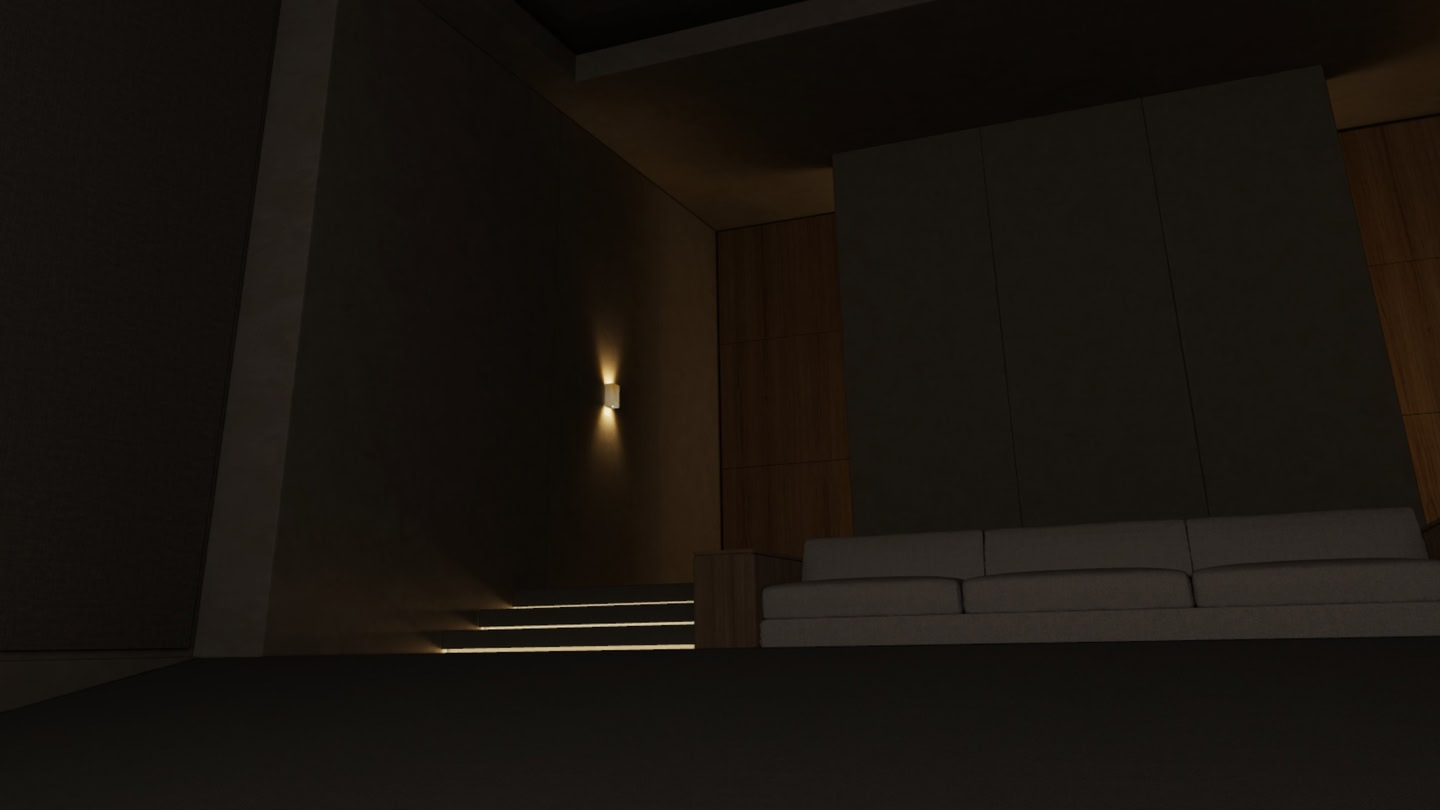
Unlike traditional custom environments that take over a user’s entire virtual home layout indefinitely, Theater Home functions contextually. According to firmware functions, users can invoke the environment directly from the control bar of any active media window by clicking a dedicated "Theater" button. This action seamlessly transitions the user into a high-fidelity home cinema-style room featuring high-resolution textures and pre-baked lighting. Exiting the mode instantly returns the user to their standard virtual home layout.
Key Technical Findings:
- Activation Method: Integrated directly into the window management control bar, allowing for on-demand cinema environments per task.
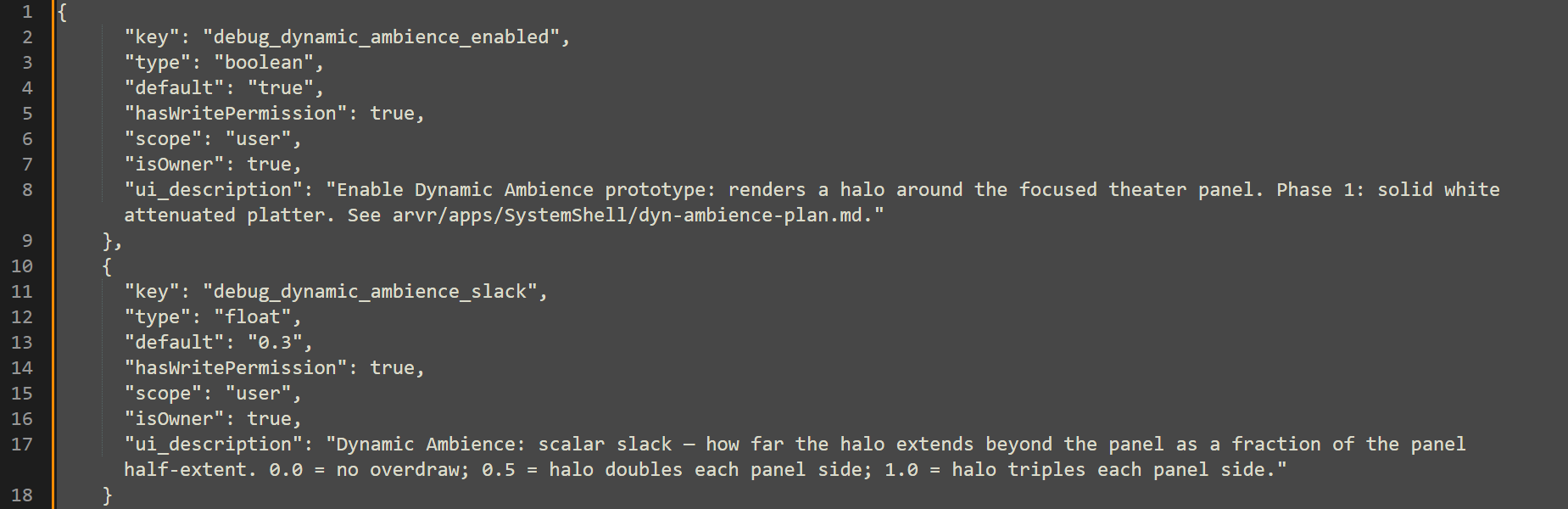
- Dynamic Ambience: References in Horizon OS 2.6, 2.7, and 2.9 point to an internal feature called Dynamic Ambience (or alternate spellings found in later patches). This feature renders a synchronized "halo" or colored glow of light around focused theater panels, mimicking real-world entertainment lighting systems like the Philips Hue Sync Box or Apple’s visionOS media players.
- Build Designation: The current alpha build is tagged as
v210, indicating it is slated for a stable rollout following the finalization of Horizon OS 2.9, potentially arriving alongside another in-development home environment codenamed Loma Home.
Security researcher ToastConcern successfully accessed an early alpha build of the feature, with subsequent tests running on a Quest 3S headset, proving the underlying architecture is already functional at a foundational level within the operating system.
Chronology: The Evolution of Meta’s Virtual Theater Strategy
To understand how Meta arrived at Theater Home, it is necessary to examine the rapid series of shifts in the company’s software roadmap over the past twelve months.
- January 2026 — Reality Labs Restructuring: Meta institutes far-reaching layoffs and a comprehensive internal reorganization of its VR and Horizon teams, signaling a pivot toward more pragmatic hardware integration and less cash burn on experimental social spaces.
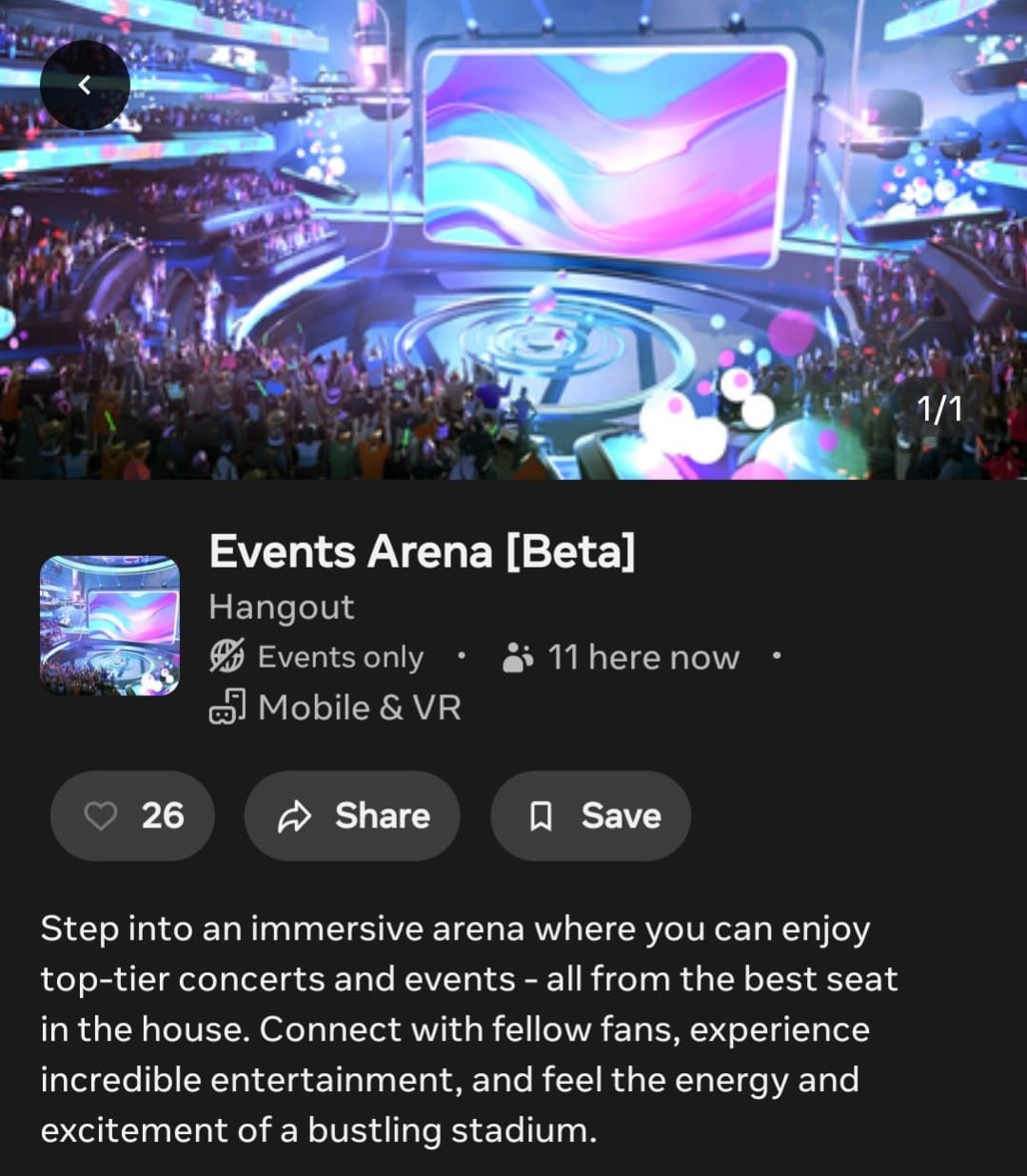
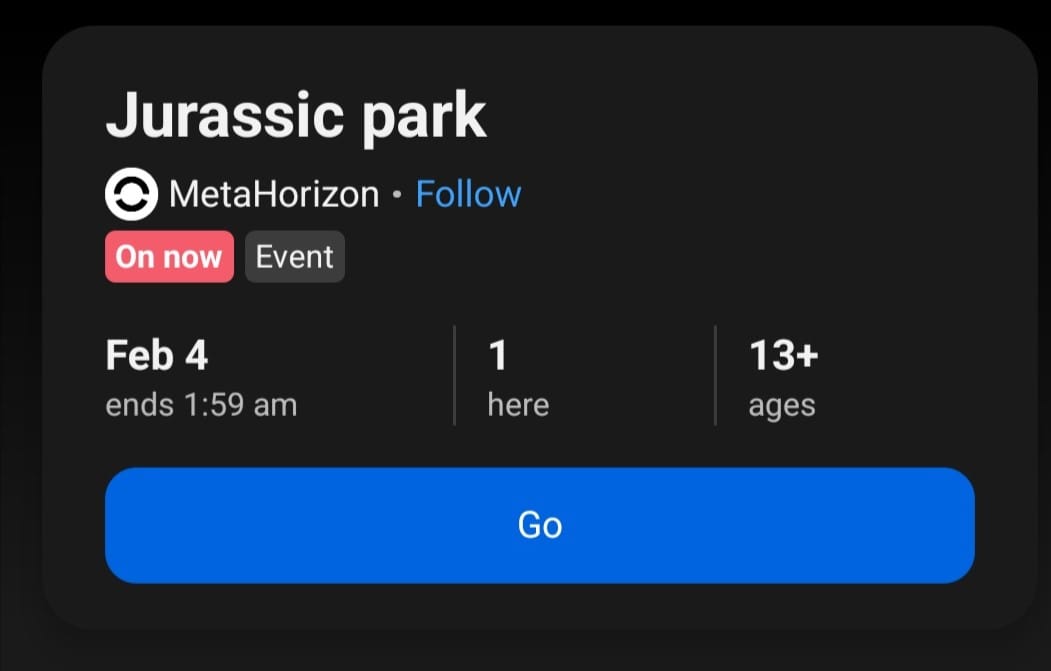
- Early 2026 — The Rise and Fall of Events Arena: Meta introduces Events Arena via Horizon OS v81 PTC, a dedicated space within Horizon Worlds designed to view large-scale media events like live concerts on massive screens. Concurrently, tests featuring classic films such as Jurassic Park appear on the platform, hinting at a potential social theater competitor to apps like Bigscreen.
- Mid 2026 — Decoupling from Worlds: Meta explicitly separates its core VR operating system from the Horizon Worlds platform. Plans are announced to eventually remove the Horizon Engine-based Worlds application entirely from standalone VR devices. Events Arena is quietly shut down as a result.
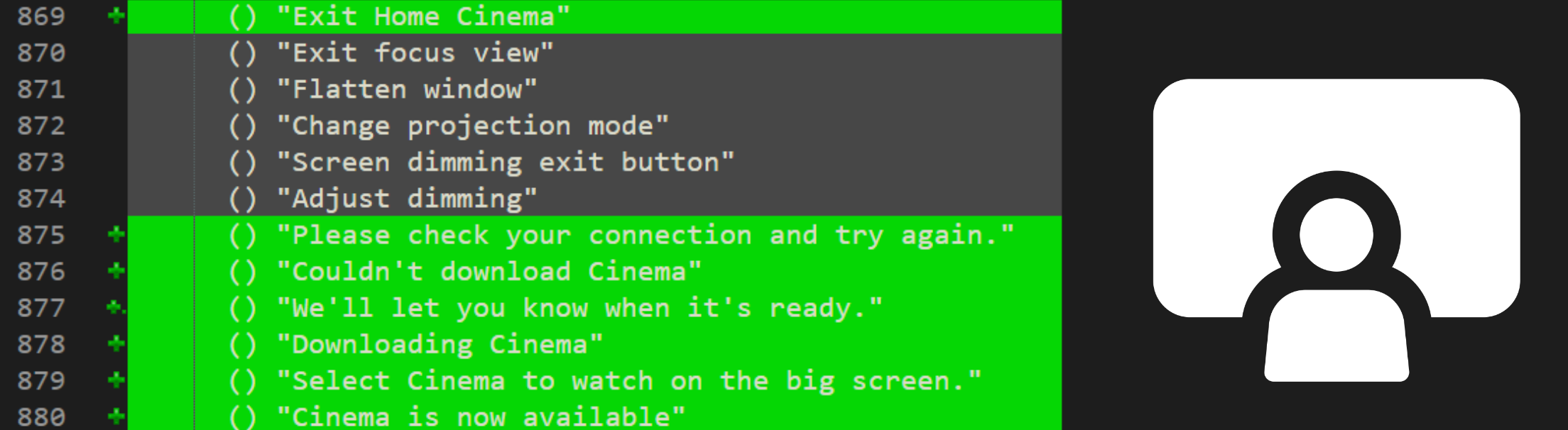
- Late 2026 — Discovery of Horizon OS 2.9 PTC Strings: Dataminers uncover references to a native "Cinema" environment, bypassing the need for a separate social application ecosystem.
- September/October 2026 — Meta Connect Announcements: Meta officially unveils its lightweight VR Glasses (shipping Spring 2027 for $1,300), boasting 2.4K micro-OLED displays, a tethered compute puck with Qualcomm’s Snapdragon Reality Elite chipset, Dolby Vision HDR support, and IMAX Enhanced certification. Theater Home is revealed to be a critical software puzzle piece designed to complement this hardware launch.
Supporting Data & Architectural Context
The transition from a social-world-dependent cinema to an operating-system-level feature reflects hard data regarding user behavior and hardware limitations. Social media spaces in VR often suffered from performance overhead, moderation hurdles, and fragmentation. By baking Theater Home directly into Horizon OS, Meta reduces friction.
The Role of Dynamic Ambience
A major highlight of the datamined assets is Dynamic Ambience. In modern home theaters, ambient backlighting enhances perceived contrast and immersion by casting colors onto surrounding walls that match the dominant hues on screen.
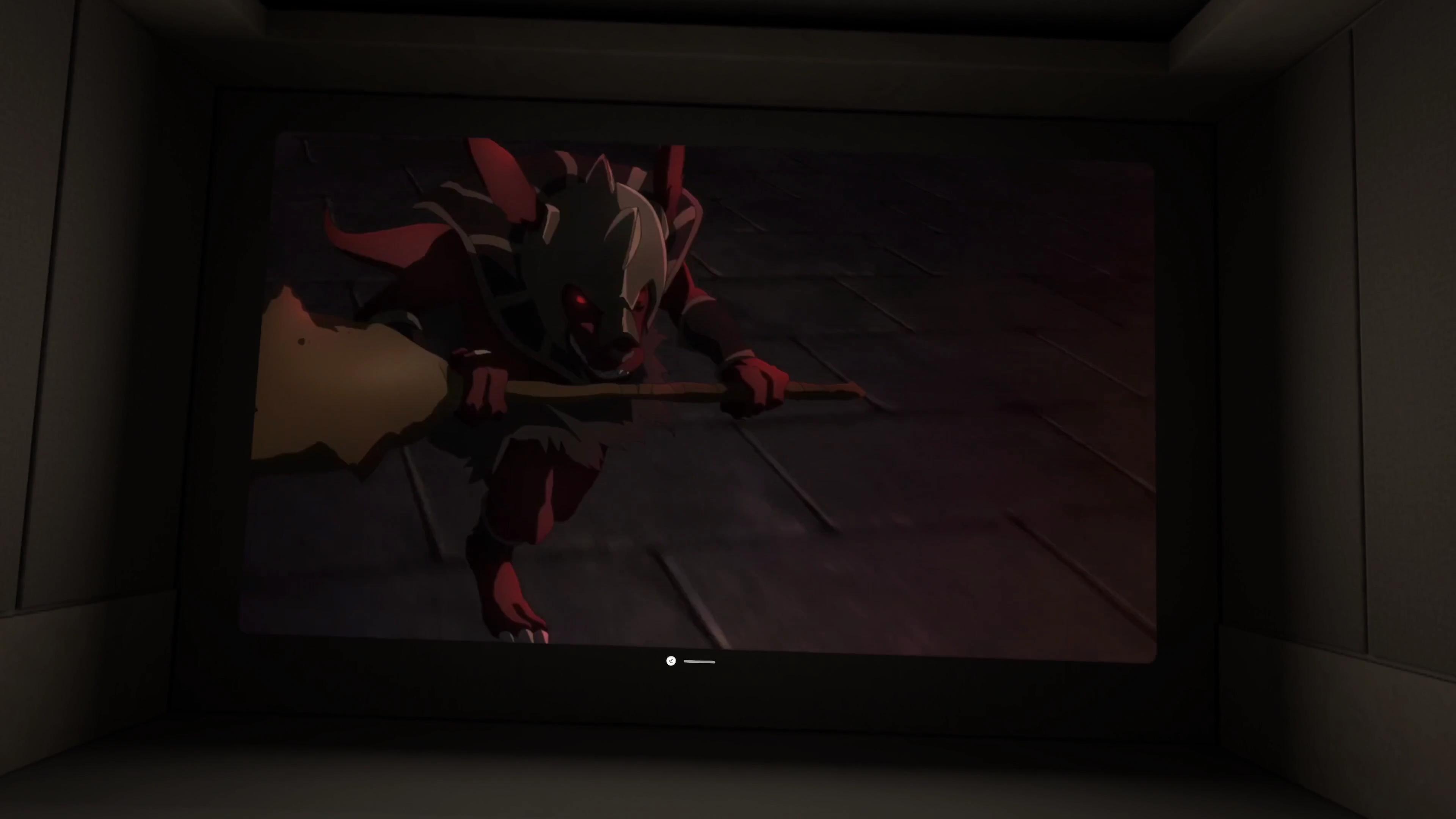
[ Active Media Window ] ---> ( Dynamic Ambience Algorithm ) ---> [ Real-time Colored Light "Halo" Projected onto Virtual Cinema Walls ]By rendering this reactive lighting via Horizon OS natively, Meta ensures that third-party streaming apps (such as Netflix, Amazon Prime, or specialized web players) can benefit from cinematic immersion without requiring individual developers to code custom lighting engines.
Loma Home Integration
Firmware traces also link the rollout of Theater Home to Loma Home, a modernized default virtual environment for Quest devices. As Meta moves past older environments like Loft (introduced in v81 PTC), the company is standardizing a cleaner, more modular visual language across its hardware ecosystem.
Official Responses and Strategic Shifts
While Meta has not issued a dedicated press release explicitly detailing the unannounced Theater Home feature, the corporate strategy is transparently reflected in recent product positioning and platform changes.
When Meta cut ties between Horizon Worlds and the core Quest operating system, leadership emphasized a renewed focus on third-party application support, standalone productivity, and streamlined entertainment consumption. Features that previously relied on co-presence—such as Meta Horizon TV co-watching and YouTube co-watching parties—were systematically phased out during the transition to newer OS builds.
Instead of forcing users into cartoonish social avatars for media consumption, Meta is pivoting its social strategy toward Hologram calling—a high-fidelity, realistic avatar system unveiled for the upcoming Meta VR Glasses. Meanwhile, solitary or locally shared media consumption is being optimized for raw fidelity, comfort, and cinematic precision.
Industry Implications: Why Theater Home Matters
The development of Theater Home carries significant implications for the spatial computing market, particularly in light of competing products like Apple’s visionOS and dedicated PC VR streaming clients.
1. The Push Toward Premium Solo Media Consumption
While social VR viewing apps like Bigscreen retain dedicated fanbases, millions of users utilize VR headsets primarily as personal, ultra-portable private theaters for long-haul flights, hotel rooms, or late-night viewing at home. By providing a gorgeous, zero-friction virtual cinema environment natively, Meta lowers the barrier to entry for casual movie watchers who do not want to navigate social lobbies or standalone apps just to watch a film.
2. Alignment with Meta’s New VR Glasses
With the upcoming $1,300 Meta VR Glasses featuring Dolby Vision and IMAX Enhanced certification, hardware specs alone are not enough; the software must match the cinematic pedigree. Devices packing 2.4K micro-OLED displays demand high-end environments that do not distract from the content. A pristine, dark-mode home cinema environment with baked-in lighting and Dynamic Ambience provides the exact visual framing required to make high-dynamic-range (HDR) content pop.

3. Redefining the "Cinema. Computer. Console." Paradigm
Meta’s current marketing mantra positions its next-generation hardware as a replacement for multiple physical screens. By treating a cinema environment not as a "game" or a "social world," but as a fundamental window management state accessible via the system control bar, Meta is treating video streams with the same operating-system-level importance as web browsers and desktop monitors.
Outlook
As Horizon OS 2.9 moves from the Public Test Channel toward a stable public release, developers and enthusiasts will continue to monitor whether Theater Home gains additional social hooks or remains strictly a single-user private viewing mode. Regardless of its initial social feature set, Theater Home signals a mature, pragmatic era for Meta—one where software engineering focuses less on forcing users into a centralized metaverse, and more on delivering polished, high-utility tools for everyday media consumption.

