

By the Gaming & Culture Desk
Published November 2023
Main Facts
For generations, the iconic brownstone stoop, the cheerful strains of the theme song, and a diverse cast of beloved Muppets have welcomed children to Sesame Street. Now, that timeless educational universe is making a monumental comeback in the interactive digital space. Sesame Street: Friends & Fun, a brand-new adventure game featuring deeply customizable characters and environments, is officially available across all major gaming platforms, including the PlayStation 5, PlayStation 4, Xbox Series X|S, Nintendo Switch, and PC.
Published to digital storefronts such as the PlayStation Store, this release marks a historic milestone for the legendary children’s television franchise: it is the first dedicated Sesame Street console game to be released in 15 years. Designed from the ground up to captivate a modern generation of young gamers, Friends & Fun invites players to step directly into the world they know and love.
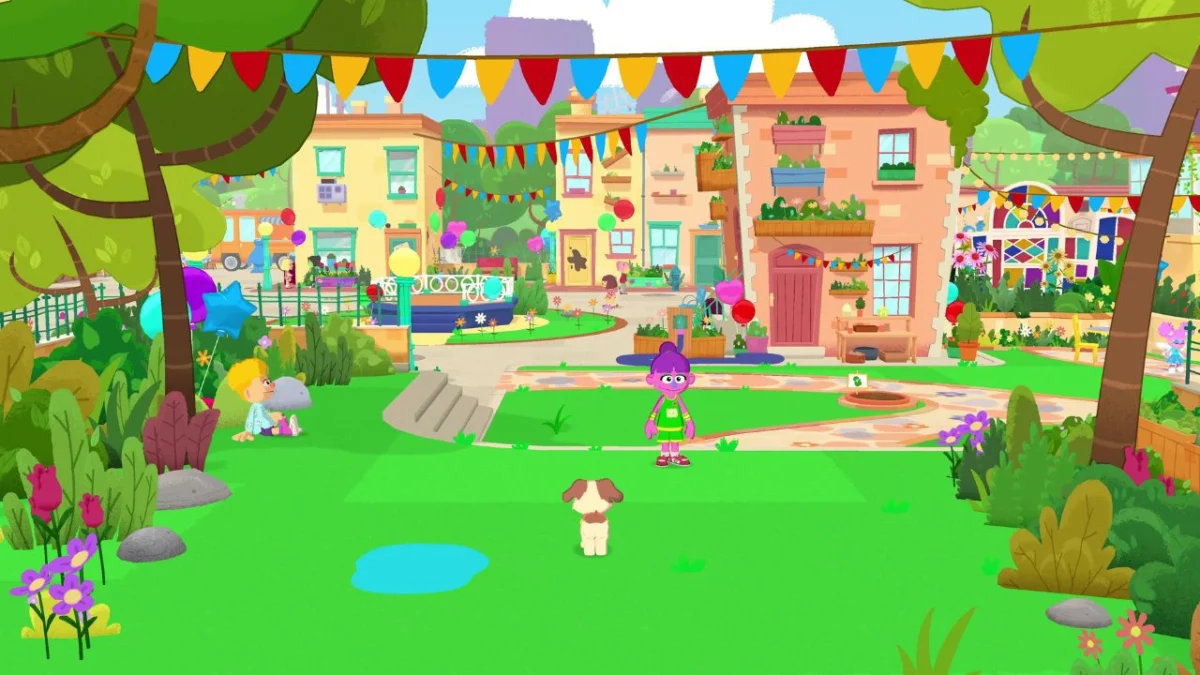
At the start of the journey, players create their own custom avatar, choosing from a wide array of personalizations before stepping out onto the iconic pavement of the neighborhood. The overarching narrative of the game tasks players with helping the classic Sesame Street residents organize and prepare for the "Big Block Party"—hailed as the neighborhood’s biggest and most exciting event of the year.
The title supports both solo play and a robust local cooperative mode, allowing parents and children, or siblings and friends, to experience the neighborhood together. Boasting more than 100 educational minigames, the title blends early-childhood learning concepts—such as shape tracing, counting, sorting, and problem-solving—with vibrant exploration, personalization, and interactive storytelling.
Chronology: A 15-Year Journey Back to the Living Room Console
To understand the significance of Sesame Street: Friends & Fun, it is essential to look back at the franchise’s rich, albeit sporadic, history within the video game industry.
The Early Era of Edutainment (Late 1980s – 2000s)
During the boom of home computing and early console gaming, the Children’s Television Workshop (now Sesame Workshop) recognized the profound potential of interactive media as an educational tool. Throughout the late 1980s and 1990s, titles like Sesame Street Letter-Go-Round and various PC-based reading and math adventures populated classrooms and family desktop computers. These early iterations laid the groundwork for edutainment, proving that children could absorb foundational literacy and numeracy skills while being entertained by Elmo, Big Bird, and Cookie Monster.
The Console Drought (Late 2000s – Early 2010s)
As the gaming industry evolved into high-definition 3D environments with the PlayStation 3 and Xbox 360 generations, the presence of Sesame Street on dedicated home consoles began to wane. The last major console-focused releases occurred around 2008–2010, leveraging motion-control peripherals like the Microsoft Kinect (such as Sesame Street: Once Upon a Monster developed by Double Fine Productions). While critically acclaimed for its heartfelt storytelling and creative use of motion tracking, that era ultimately closed as the industry shifted toward mobile touchscreens and tablet-based learning apps for younger audiences. For a full decade and a half, console players hung up their controller straps, left without a dedicated, large-screen Sesame Street virtual playground.
The Modern Revival (2023)
The dry spell has finally ended. Development studios and publishing partners spent years architecting a multi-platform experience that bridges classic childhood nostalgia with modern gaming mechanics. Sesame Street: Friends & Fun represents the culmination of this modern push, bringing the franchise back to living room televisions with high-definition graphics, expansive customization engines, and couch co-op functionality designed to unite families around the glowing screen once more.
Supporting Data & Game Mechanics
Sesame Street: Friends & Fun is not merely a passive media experience wrapped in a digital skin; it is a feature-rich video game packed with mechanical depth tailored explicitly to early childhood development milestones.
Platform Availability and Technical Specifications
- Platforms: PlayStation 5, PlayStation 4, Xbox Series X|S, Nintendo Switch, and PC.
- Player Modes: Single-player and Local Cooperative (couch co-op) for up to two players.
- Visual Style: Fully rendered 3D environments inspired by three distinct iconic zones of the Sesame Street universe.
Character Roster
The game features a comprehensive lineup of the neighborhood’s most recognizable and beloved residents:
- Elmo
- Abby Cadabby
- Tango (Elmo’s energetic puppy)
- Grover
- Cookie Monster
- Ernie
- Bert
- The Count
- Oscar the Grouch
- Big Bird
Minigames and Curricular Design
With over 100 distinct minigames integrated seamlessly into the exploration loop, the software addresses critical preschool learning pillars:
- Culinary Arts & Following Directions: Cooking sessions alongside Cookie Monster teach sequence, measurement concepts, and patience.
- Creative Arts: Helping Abby Cadabby perform magic introduces cause-and-effect mechanics and imaginative thinking.
- Animal Care & Empathy: Caring for Tango the puppy emphasizes responsibility, nurturing behaviors, and emotional warmth.
- Cognitive Fundamentals: Dedicated challenges focus on shape tracing, advanced counting, object sorting, and spatial problem-solving.
Customization Economy
Player expression is a core pillar of Friends & Fun. Children can express their individuality through deep customization suites:
- Avatar Creation: Personalize skin tones, hair/fur styles, clothing, and accessories.
- Environment Design: Decorate player homes and customize specific public zones across the neighborhood.
- Asset Variety: Unlock and select from a vast catalogue of furniture pieces, architectural decor, and dynamic clothing options earned through gameplay progression.
Official Responses and Developer Insights
The release of Sesame Street: Friends & Fun has generated considerable excitement across both the gaming press and educational sectors. Industry announcements and press briefings from the publishers highlight a conscious effort to make the title an inviting gateway for children taking their first steps into the world of video games.
In statements accompanying the game’s launch, design leads emphasized that the primary objective was to preserve the emotional safety and warmth that the television show has championed for over five decades.
"Sesame Street has always been about fostering a sense of belonging, curiosity, and kindness," notes developer promotional material from Gamespress. "When translating that ethos into a modern console game, every design choice—from the tactile, forgiving nature of the controls to the cooperative minigames—was filtered through the lens of young minds. We wanted to build a digital space where children feel safe to explore, make mistakes, and learn at their own pace alongside the characters they trust."
Early previews and consumer feedback highlight the accessibility of the control scheme. Recognizing that traditional controllers can sometimes overwhelm preschool-aged motor skills, the development team engineered intuitive, responsive inputs that minimize frustration while maximizing cooperative play opportunities between parents and children.
Implications for Families, the Industry, and the Future of Edutainment
The arrival of Sesame Street: Friends & Fun carries profound implications for the contemporary video game landscape, particularly concerning how intellectual properties targeted at very young demographics are handled on high-end hardware.
Bridging the Generation Gap in Gaming
For decades, modern consoles like the PlayStation 5 and Xbox Series X|S have targeted mature audiences with complex narratives, twitch-reflex action, and hyper-realistic graphics. While Nintendo has historically maintained a strong family-friendly portfolio, the availability of a high-fidelity, cooperatively focused preschool title across all major hardware ecosystems is a welcome shift.
Friends & Fun serves as an ideal "first game" for children whose parents are avid gamers. By utilizing local co-op, parents can share their hobby with their toddlers in a safe, constructive environment, using gameplay as a natural bridge for parent-child bonding and guided learning.
The Evolution of Edutainment on Consoles
The success of this 15-years-in-the-making console return could signal a renaissance for premium edutainment software. While the mobile app market has been saturated with low-effort, ad-supported children’s games, titles like Friends & Fun prove that there is a thriving market for polished, ad-free, narrative-driven educational experiences on dedicated gaming hardware.
By merging AAA-adjacent production values—such as clean 3D asset rendering, robust physics-based interactions, and extensive customization engines—with foundational preschool curriculum, Sesame Workshop and its development partners have set a new benchmark for what children’s games on modern consoles can achieve.
Looking Ahead
As families boot up their PlayStation 5, Xbox Series X|S, Switch, and PC systems to help Elmo, Cookie Monster, and Big Bird set up the Big Block Party, Sesame Street: Friends & Fun proves that some neighborhoods are truly timeless. By blending cutting-edge gaming technology with messages of empathy, community, and joyful learning, this milestone release ensures that the spirit of Sesame Street will continue to illuminate living rooms for a brand-new generation of players.

