

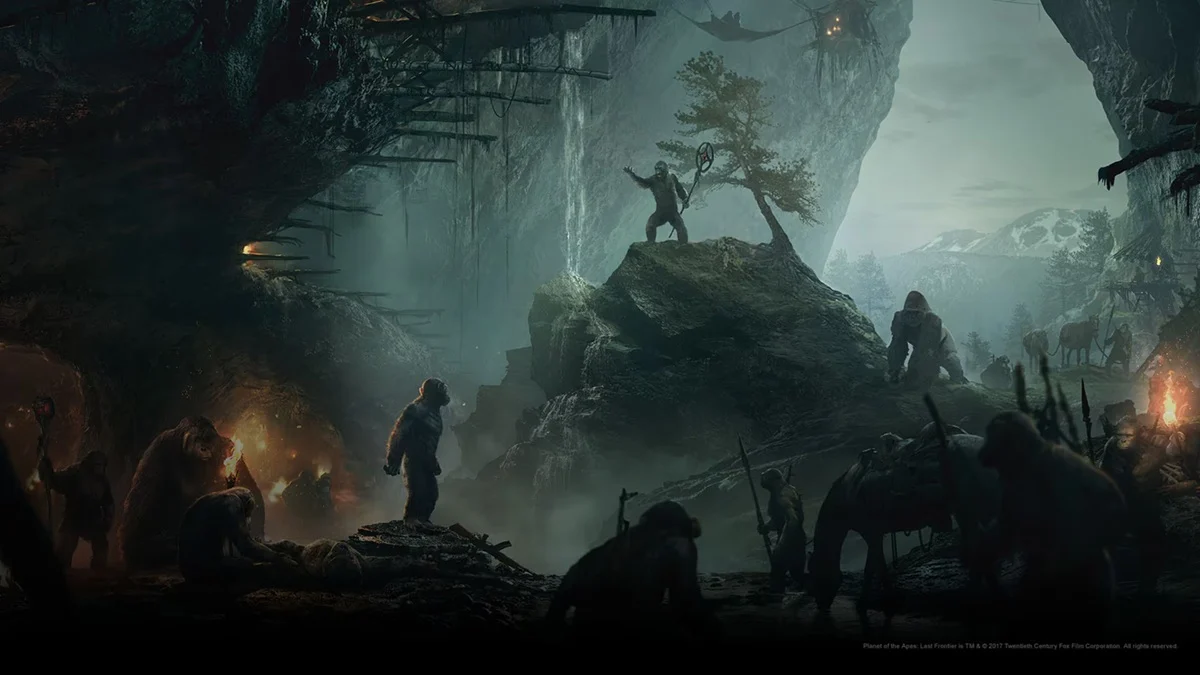
In the modern era of gaming, the transition from physical media to digital storefronts promised convenience, accessibility, and a library that would theoretically last a lifetime. However, the reality of digital distribution is proving to be far more ephemeral. The latest victim of this digital evaporation is Planet of the Apes: Last Frontier, a 2017 cinematic adventure game that has now been scrubbed from the PlayStation Store, effectively ending its commercial life on Sony’s platforms.
The removal of the title, which had already been purged from PC storefronts like Steam earlier this year, serves as a stark reminder of the tenuous nature of digital licenses. While the game was once a notable entry in the Planet of the Apes multimedia expansion, it now exists only in the libraries of those who purchased it before the shutters were pulled down.
The Chronology of a Disappearance
The disappearance of Planet of the Apes: Last Frontier was not a singular event, but rather a slow, calculated retreat from the digital marketplace. To understand the gravity of the situation, one must trace the timeline of its removal.
The Steam Purge (April 2026)
The process began in April 2026, when a wave of Disney-affiliated properties was quietly removed from the Steam marketplace. At the time, the removal was largely noted by catalogers and digital preservationists, but it flew under the radar of the mainstream gaming press. Last Frontier was part of a larger cohort of titles that vanished overnight without an official statement from the publisher or Disney regarding licensing expirations or technical decommissioning.
The Console Limitation (May 2026)
Following the PC delisting, the title remained available on the PlayStation Store for PS4 and PS5 users. However, in May 2026, the game was removed from the console’s integrated storefront interface. Players attempting to search for the title directly through their consoles were met with empty search results. Despite this, the game remained accessible through the PlayStation Store’s web-based interface, providing a temporary lifeline for those looking to complete their digital collections.
The Final Scrub (Late 2026)
The final nail in the coffin arrived recently, as identified by eagle-eyed users on the PSNProfiles forums. User xAleksi22 was among the first to note that the web-based store link, which had served as the last bastion for the game, had been fully deactivated. Clicking the link now redirects users to a broken, "Page Not Found" error. While Google’s cache still displays a preview of the page, the storefront is effectively dead, rendering the game impossible to purchase for new players.
Supporting Data and Contextual Observations
The removal of Last Frontier is particularly jarring when viewed alongside other titles in the franchise. The PSVR-exclusive title Crisis On the Planet of the Apes remains readily available on the PlayStation Store, suggesting that the delisting is not necessarily a blanket termination of all Planet of the Apes gaming properties.
The Narrative of the Game
Developed by The Imaginarium—the studio founded by motion-capture pioneer Andy Serkis—Planet of the Apes: Last Frontier was designed as a cinematic, branching narrative experience. Set between the events of Dawn of the Planet of the Apes and War for the Planet of the Apes, the game tasked players with managing the delicate, high-stakes diplomacy between a tribe of apes and a nearby human settlement.
At the time of its release in 2017, the game received mixed critical reception. Critics praised its ambitious storytelling and the high-fidelity motion capture that brought its simian characters to life. However, it was frequently criticized for its "on-rails" gameplay, which lacked the interactivity expected of modern adventure titles, and a variety of technical bugs that hindered immersion. Despite these flaws, the game maintained a cult following among fans of the franchise who valued its contribution to the Planet of the Apes lore.
The Broader Trend of Disney Delistings
The disappearance of Last Frontier is part of a recurring pattern involving Disney’s extensive library of licensed gaming titles. Disney has historically been aggressive in managing its intellectual property, frequently allowing licenses to expire rather than maintaining games that no longer serve their strategic or financial interests. This "vaulting" process, which Disney famously applied to its home video releases, has now migrated to the digital gaming space, leaving players to wonder which titles will be the next to vanish.
Official Responses and Corporate Silence
To date, there has been no official statement from Disney, The Imaginarium, or Sony regarding the specific reasons behind the removal of Planet of the Apes: Last Frontier. This silence is standard practice in the industry, where licensing agreements are often shrouded in non-disclosure clauses.
Industry analysts suggest that the delisting is almost certainly the result of an expired licensing contract. When the rights to distribute a licensed game expire, the publisher is legally obligated to pull the game from sale unless a renewal is negotiated. Given the game’s age and its lukewarm critical reception, it is highly probable that the cost of renewing the digital distribution rights far outweighed the projected revenue, leading the stakeholders to allow the game to fade into obscurity.
The Implications: A Crisis of Digital Preservation
The delisting of Planet of the Apes: Last Frontier is more than just a minor footnote in gaming history; it is a symptom of a systemic crisis in digital media.
The Fragility of Access
When a game is removed from a digital storefront, it does not just disappear from the purchase list; it becomes a ghost. For those who did not purchase the game during its active cycle, the only remaining avenues are second-hand physical copies (if applicable) or piracy. In the case of purely digital titles, the game effectively ceases to exist for future generations.
The Argument for Preservation
The gaming industry is currently facing a massive hurdle regarding the preservation of its history. Museums, libraries, and independent archives are struggling to maintain access to software that requires specific hardware and active server support. When companies voluntarily remove games from circulation, they are not only limiting consumer choice but also erasing the creative work of the developers who spent years bringing these stories to life.
What This Means for Consumers
For the average player, this event serves as a sobering reminder that "buying" a digital game is fundamentally different from purchasing physical media. In the digital ecosystem, players are purchasing a revocable license, not a product. As storefronts consolidate and licensing agreements become more complex, the risk of losing access to one’s library grows.
Conclusion: Looking Ahead
The removal of Planet of the Apes: Last Frontier will likely pass without major outcry from the broader public, as it was not a blockbuster title with a massive player base. However, for those who care about the longevity of video games as a medium, it is a significant loss.
As we move toward a future that increasingly favors digital-only consoles and subscription-based models, the precedent set by the disappearance of titles like Last Frontier is concerning. Without legislative or industry-wide initiatives to ensure that games remain accessible after they are deemed "commercially unviable," we risk losing a significant portion of our cultural history to the whims of licensing agreements and corporate bottom lines.
For now, the story of Planet of the Apes: Last Frontier concludes with a broken link and a silent store page. It is a cautionary tale for gamers everywhere: if you love a game, cherish it while it’s available, because in the digital world, nothing is promised to last forever.

