

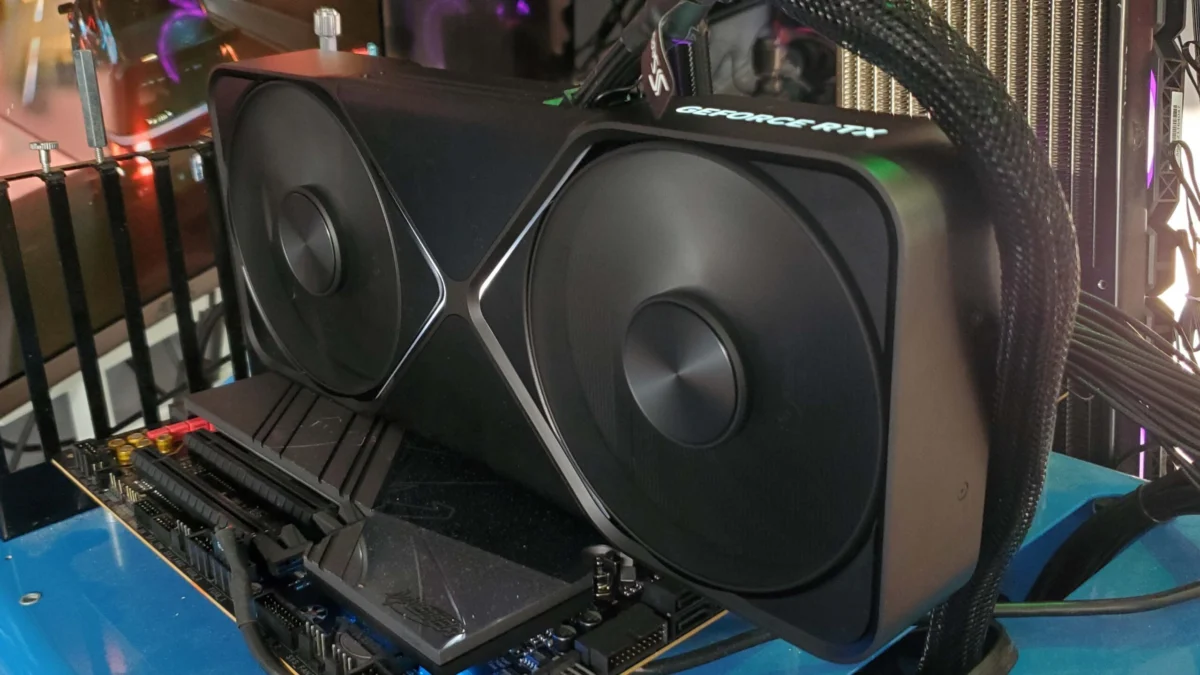
While headlines continuously project an industry pivot toward the lucrative fields of artificial intelligence and massive enterprise data centers—demonstrated vividly by Nvidia’s $89 billion Q2 2026 data center revenue accounting for a staggering 93% of its total income—the gaming and consumer graphics hardware sector tells a surprisingly resilient story. Despite a corporate culture rapidly embracing AI infrastructure, Nvidia remains the undisputed titan of consumer graphics hardware.
According to the latest market analysis from Jon Peddie Research (JPR), the global PC-based graphics add-in board (AIB) market experienced notable growth in the second quarter. Total shipments climbed to 12.5 million units, representing a 10% increase quarter-over-quarter. Within this surging ecosystem, Nvidia commands a commanding 90% market share, trailed by AMD at 8% and Intel at a modest 2%. Even a slight 0.01% dip in Nvidia’s sequential dominance does nothing to disrupt its sweeping monopoly over custom graphics card hardware.
Chronology of Market Shifts: From Supply Pressures to Panic Buying
To fully understand the current state of consumer hardware, it is essential to trace the macro-economic and geopolitical events that shaped the semiconductor landscape throughout 2026:

- February 2026: The outbreak of the Iran War and the subsequent maritime crisis in the Strait of Hormuz immediately destabilize global tech supply chains. Critical component manufacturing and cargo routing face severe logistical blockages, triggering anticipatory price inflation across global electronic markets.
- Late Spring 2026: Supply chain constraints begin directly impacting regional distribution for silicon chips, memory modules, and specialized hardware substrates. Rumors circulate regarding impending price spikes for essential PC architecture components, such as motherboards and cooling solutions, with projected cost hikes reaching up to 50%.
- Q2 2026: Despite skyrocketing retail prices—making high-end components like the Nvidia RTX 50-series increasingly prohibitive—industry reports reveal a major counter-intuitive surge. Global AIB shipments reach 12.5 million units. Industry experts observe a panicked consumer response: buyers rush to acquire desktop graphics cards before anticipated escalations in cost take full effect.
- Mid-2026: Desktop CPU shipments present a stark contrast, dropping to 14 million units—a 10.5% quarter-over-quarter decline and an alarming 33% drop year-over-year. While central processing units see suppressed demand, dedicated graphics add-in boards remain an anomaly of high consumer urgency.
Supporting Data: Dissecting the Q2 2026 AIB and CPU Metrics
The data provided by Jon Peddie Research outlines a turbulent yet surprisingly high-volume market environment. Analysts and hardware enthusiasts alike are parsing the numbers to understand consumer behavior during an era of surging inflation and geopolitical strain:
- 10% Growth: The global PC-based graphics add-in board market grew to 12.5 million units in Q2, reflecting healthy sequential expansion despite macroeconomic headwinds.
- 90% vs. 8% vs. 2%: Nvidia’s market share sits comfortably at 90%, with AMD holding 8% and Intel capturing 2% of the discrete graphics segment.
- 89% Attachment Rate: The likelihood of a consumer picking up an add-in board alongside a newly built desktop PC spiked to 89%, marking a significant 23% quarter-over-quarter increase.
- Consumer Risk Tolerance: A reader poll conducted in mid-2026 underscored this financial resilience: 56% of surveyed PC gamers expressed willingness to spend over $600 for a graphics card, while 19% were prepared to cross the $1,000 threshold for top-tier performance.
- Divergent CPU Metrics: Conversely, desktop CPU shipments fell to 14 million units—a 10.5% drop from the previous quarter and a steep 33% year-over-year contraction, highlighting a clear divergence in how consumers prioritize graphics hardware over core processing upgrades.
Official Responses and Expert Analysis
Market researchers and industry veterans have expressed astonishment at the resilience of the consumer graphics card market. Dr. Jon Peddie, president of Jon Peddie Research, characterized the trend as defying traditional economic principles.
"Our theory is consumers rushed to buy AIBs before the prices went any higher, as the war in Iran is driving prices up in all segments," Dr. Peddie stated, evaluating the motivations driving the Q2 spike. As global trade routes face persistent bottlenecks stemming from the Strait of Hormuz crisis, the ripple effects are felt directly by PC builders navigating soaring hardware expenses.
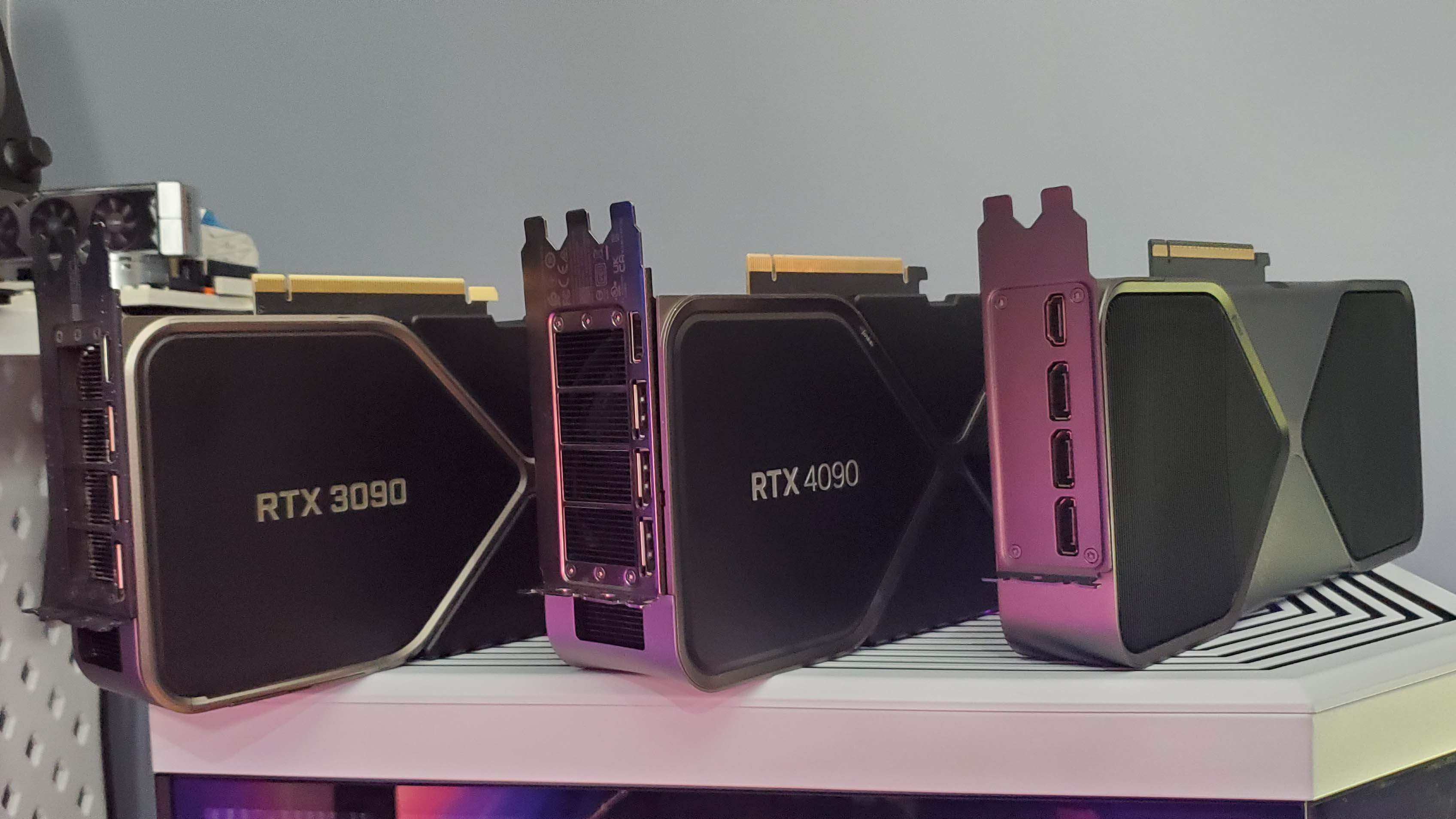
Meanwhile, industry commentary highlights the absurd reality of current GPU pricing structures. Hardware journalists have humorously pointed out that the hyper-inflated retail costs of flagship components like the Nvidia RTX 50-series make international travel expenses to tech conventions comparable to local retail markups. Yet, despite these financial deterrents, the consumer base continues to purchase hardware at volumes that baffle traditional analysts.
Broader Implications for the Future of PC Gaming
The juxtaposition between Nvidia’s corporate revenue streams and its consumer hardware dominance carries profound implications for the future of the PC gaming ecosystem.
The Enterprise Priority vs. Consumer Loyalty
While Nvidia’s financial engine is unquestionably powered by artificial intelligence and data center contracts—raking in tens of billions of dollars outside the gaming sphere—the company’s brand equity remains rooted in its GeForce legacy. Maintaining a 90% share of the AIB market ensures that Nvidia continues to dictate industry standards for graphics rendering, ray tracing, and upscaling technologies (such as DLSS). However, the widening gap between enterprise focus and consumer needs raises questions about long-term product allocation if manufacturing wafer capacity remains constrained.
Supply Chain Vulnerability and Hardware Inflation
The events of 2026 have exposed the extreme fragility of the global electronics supply chain. With localized conflicts impacting maritime shipping lanes and raw material acquisition, hardware components have transformed from depreciating consumer goods into inflation-hedged assets. The panicked rush to secure add-in boards before further price hikes underscores a growing consumer anxiety: the fear that PC gaming is slipping out of the realm of accessible hobbies and transforming into a luxury asset class.
What This Means for Builders and Gamers
For the average PC enthusiast, the near future demands careful financial navigation. With motherboard, CPU, and GPU manufacturing costs tethered to volatile geopolitical conditions, system builders are increasingly forced to weigh the necessity of immediate upgrades against the risk of escalating component shortages. Whether this Q2 surge represents a final hurrah of peak consumer demand before a prolonged market cooling, or simply the new normal of high-cost high-performance PC building, remains to be seen.

