


Relic Entertainment, the legendary studio behind some of the most iconic real-time strategy (RTS) titles in gaming history, is diversifying its portfolio. Following the buzz surrounding the announcement of the Company of Heroes: Definitive Edition—a nostalgic remaster celebrating two decades of tactical warfare—the studio has pulled the curtain back on a brand-new project: Company of Heroes 3: Final Stand.
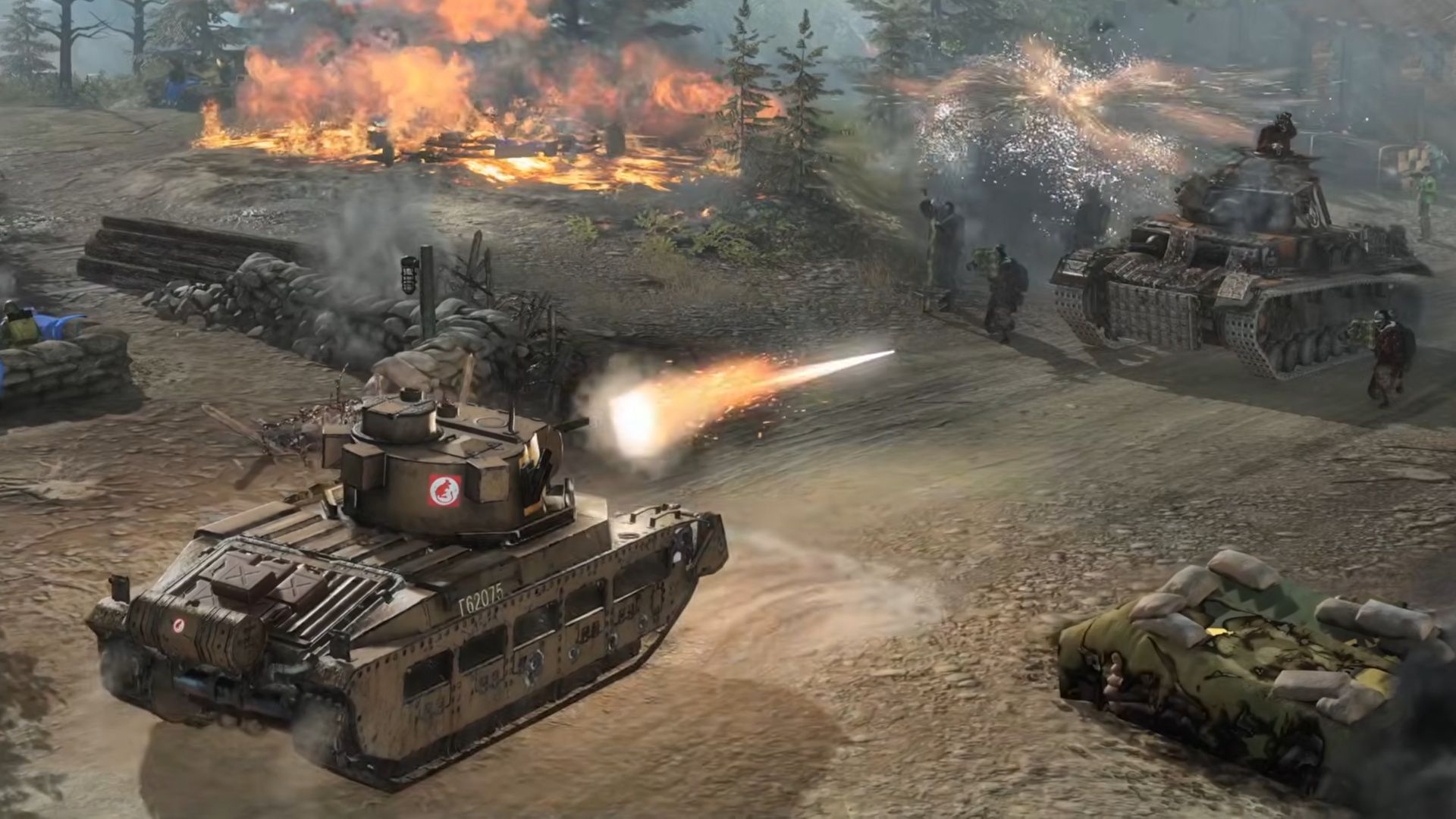
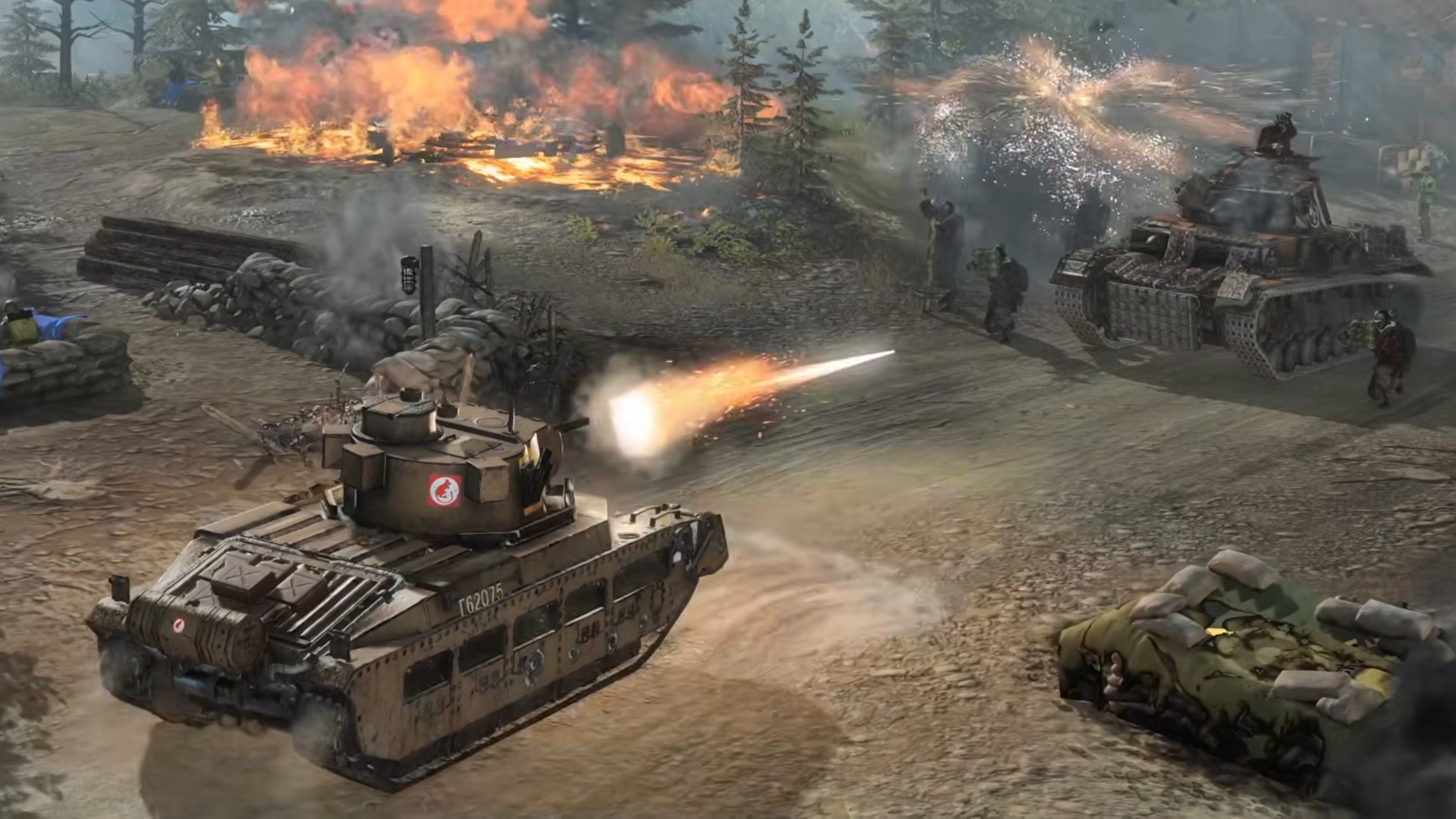
Moving away from the traditional grand-scale RTS format, Final Stand reimagines the franchise through the lens of a "wave defense" game. It is a bold, experimental pivot designed to condense the high-stakes intensity of the Company of Heroes (CoH) experience into a tighter, more immediate format. While the game remains firmly rooted in the tactical DNA of its predecessors, it introduces roguelite progression systems and dynamic environmental challenges, aiming to capture the essence of a desperate, last-ditch stand.
The Core Concept: Tactical Defense Meets Roguelite Progression
At its heart, Company of Heroes 3: Final Stand is an exercise in pressure. Unlike the expansive base-building and map-conquering mechanics of the mainline series, Final Stand tasks players with holding a specific position against waves of escalating enemy aggression.
The game is built upon the same technical foundation as Company of Heroes 3, ensuring that the visceral feedback—the weight of the tanks, the destruction of cover, and the tactical depth of infantry positioning—remains intact. However, the structure has been fundamentally altered to favor replayability. By integrating a roguelite progression system, Relic is encouraging players to experiment with different unit compositions and defensive strategies, knowing that each run may yield different upgrades, boons, or challenges.
Players can expect to face off against increasingly sophisticated AI, featuring powerful bosses that force a departure from standard tactical play. To keep the gameplay fresh, Relic has introduced "dynamic battlefield events," which can shift the state of the map mid-combat, forcing players to adapt their defensive perimeters on the fly.
A Brief Chronology: From RTS Roots to Wave Defense
The journey of the Company of Heroes franchise has been one of consistent evolution.
- 2006: The original Company of Heroes launched to critical acclaim, redefining the RTS genre by focusing on squad-based tactics and cover systems rather than the traditional "base-blooming" resource collection seen in games like StarCraft.
- 2013: Company of Heroes 2 expanded the scope to the Eastern Front, introducing the chilling "Cold Tech" weather mechanics that added an environmental layer to the tactical challenge.
- 2023: Company of Heroes 3 launched, bringing the franchise to the Mediterranean theater with a new dynamic campaign map that blended turn-based strategy with real-time tactical battles.
- June 2024: During the PC Gamer Show, Relic announced the Definitive Edition of the original game, signaling a move to honor the series’ legacy.
- Present Day: The reveal of Company of Heroes 3: Final Stand represents the studio’s desire to experiment with the franchise’s identity, stripping away the "grand strategy" elements in favor of a focused, high-octane combat experience.
Supporting Data and Game Mechanics
Final Stand is designed to be accessible to newcomers while providing the mechanical depth required by franchise veterans. The game launches with four distinct factions, each possessing its own unique suite of abilities, units, and progression paths.
Key features include:
- Five Dedicated Maps: Each battlefield is specifically architected for the wave-defense loop, with choke points and flanking routes optimized for defensive play.
- Scalable Difficulty: The game offers eight distinct difficulty levels, ensuring that players can customize their experience from a casual defense run to a punishing, "hardcore" gauntlet.
- Flexible Multiplayer: While the game offers a complete singleplayer experience, it also supports two-player co-op, allowing friends to coordinate their defensive efforts against the AI tide.
- Standalone Accessibility: Crucially, Final Stand is a standalone title. It does not require players to own Company of Heroes 3, nor does it demand prior experience with the series.
The pricing strategy is also consumer-friendly. While the base price is set at $30, owners of Company of Heroes 3 are eligible for a 20% discount, incentivizing the existing player base to explore this new mode of play.
Official Perspectives: The Studio’s Vision
Relic Entertainment has framed Final Stand not as a replacement for the RTS experience, but as a complementary "punchy" alternative.
"We wanted to capture the classic Company of Heroes feeling of those pivotal moments where, when faced with overwhelming odds, preparation, adaptability, and decisive command determine survival," a representative from the studio noted during the announcement. By isolating these specific moments—the "holding the line" scenarios that defined the most intense matches of the original game—Relic believes they have created a more concentrated, immediate experience.
The studio emphasizes that while the genre has shifted from traditional RTS to a wave-defense roguelite, the tactical satisfaction remains the same. Whether it is calling in an off-map artillery strike or timing a perfect grenade throw to clear a bunker, the game is designed to maintain the "weight" and consequence of every decision made on the battlefield.
The Implications: Is This the Future of RTS?
The pivot to a standalone wave-defense game is a significant strategic move for Relic Entertainment. In an industry where major studios are often criticized for staying within the "comfort zone" of established sequels, Final Stand serves as a test case for how classic strategy franchises can adapt to modern, shorter-form gaming habits.
Diversification of Gameplay
For years, the RTS genre has struggled with accessibility. The steep learning curve and long time-commitment of traditional matches often alienate casual players. By offering a wave-defense mode that is standalone, Relic is effectively opening a "side door" to the Company of Heroes universe. It allows players who may be intimidated by the macro-management of the main series to engage with the franchise’s high-fidelity combat engine.
The Rise of "Mini-Experiences"
The success of similar titles (such as They Are Billions or the wave-defense modes in various tactical shooters) suggests that players are hungry for "bite-sized" versions of their favorite genres. If Final Stand succeeds, it could set a precedent for other strategy studios to spin off their core mechanics into smaller, more focused standalone experiences.
Potential Risks
However, there is a risk. By separating the game from the main RTS experience, Relic must ensure that Final Stand does not feel like a "watered-down" product. The reliance on the Company of Heroes 3 engine is a double-edged sword; it provides high production value, but the game must prove that the mechanics—originally designed for fluid, maneuver-heavy RTS gameplay—can translate effectively to a static, defensive objective.
Conclusion
Company of Heroes 3: Final Stand represents a fascinating crossroads for Relic Entertainment. It is a tribute to the franchise’s past—the 20th-anniversary celebrations underscore this—while simultaneously looking toward a future where strategy games are more modular and accessible.
With a launch date scheduled for July 29, the gaming community will soon discover whether this shift in focus can reinvigorate the tactical combat that defined a generation. For now, the game is available for wishlisting on Steam, inviting both long-time veterans and newcomers to prepare their defenses. Whether it serves as a stopgap or the beginning of a new sub-genre for the studio, Final Stand is a project that reminds us that in the theater of war, the most compelling stories are often found in the desperate, final minutes of the battle.

