

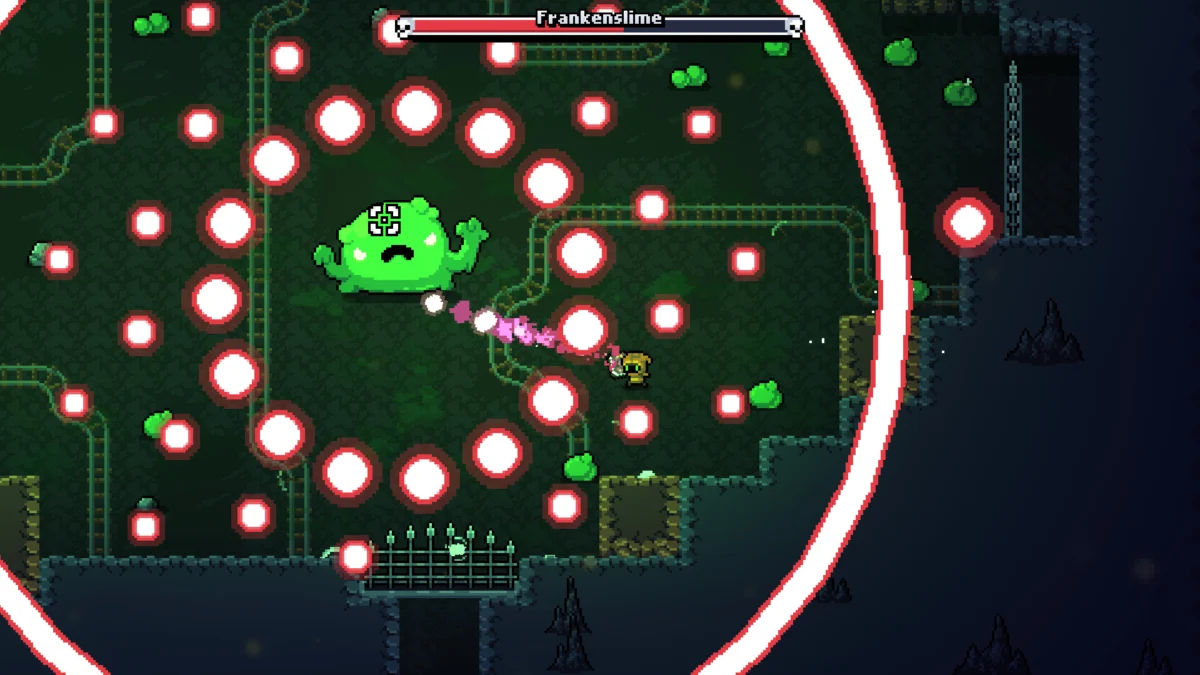
As the curtains draw on what has been arguably one of the most prolific and innovative years in the history of independent game development, the landscape remains crowded with high-quality titles. Amidst a sea of releases, Archvale—the debut title from developer idoz and under the publishing wing of Humble Games—has emerged as a standout. Blending the deliberate progression of a Role-Playing Game (RPG) with the frantic, precision-based intensity of a "bullet hell" shooter, Archvale manages to achieve a seamless harmony between two seemingly disparate genres.
The Core Concept: Where RPG Mechanics Meet Bullet Hell Precision
At its heart, Archvale is an ambitious experiment in game design. Historically, RPGs emphasize long-term character growth, narrative exploration, and strategic decision-making, while bullet hell titles (or "danmaku" games) focus on twitch reflexes, pattern recognition, and micro-movements.
In Archvale, these mechanics do not conflict; they complement one another. The game places players in a beautifully rendered, pixel-art world—a realm previously under the thumb of a tyrannical king. The narrative hook is classic yet effective: as the chosen hero, the player must navigate diverse biomes to recover the shattered pieces of the fabled Arch to Archvale, ultimately confronting the source of the world’s corruption.
The brilliance of the design lies in its flexibility. Unlike linear titles that gate progress behind restrictive story beats, Archvale offers a semi-open world structure. Players are encouraged to explore, provided they possess the equipment and the skill to survive the specific challenges inherent to each region. This "go anywhere" ethos allows for a personalized experience, where the difficulty curve is managed not by forced progression, but by the player’s own growth in skill and gear acquisition.
Chronology of Development and Release
The journey of Archvale from an indie concept to a fully realized title reflects the typical, yet arduous, cycle of modern independent game development.
- Early Conceptualization (2019-2020): During the initial development phases, the focus remained on refining the tight controls necessary for a bullet hell experience. The developers recognized early on that for a projectile-heavy game to feel fair, the hitboxes—both for the player and the enemies—needed to be pixel-perfect.
- The Announcement (Mid-2021): As the game neared completion, the unique aesthetic and the promise of a "flexible build system" began to turn heads within the indie community. The marriage of classic 16-bit RPG visuals with modern bullet hell chaos was marketed as a "love letter" to the golden era of gaming.
- The Launch (December 2021): Archvale officially launched in the final weeks of 2021. The release was strategically timed to coincide with the winter gaming lull, allowing it to stand out as a "must-play" recommendation for players looking for a compact but challenging experience.
- Post-Launch Reception: Following its December 23rd release, the game garnered immediate praise for its accessibility features. Unlike many punishing bullet hell games that demand perfection, Archvale offers a more welcoming entry point, rewarding player persistence through loot and gear progression rather than just pure reflex training.
Supporting Data: Understanding the "Build" Philosophy
A critical element of Archvale that distinguishes it from traditional shooters is its robust RPG-lite inventory system. The game eschews rigid character classes in favor of a fluid, gear-dependent system.
The Badge and Weapon System
Players can tailor their experience using a "Badge" system. These badges provide passive buffs—ranging from increased movement speed to health regeneration or defensive bonuses—allowing players to create a "build" that offsets their personal weaknesses. If a player struggles with the sheer volume of projectiles in a boss fight, they can equip defensive badges to increase their survivability. If they prefer an aggressive playstyle, they can opt for damage-dealing modifiers.
Weapon Variety
The game boasts a massive arsenal. From swords and daggers for close-quarters combat to elaborate staves and bows that unleash screen-clearing patterns of projectiles, the weaponry is designed to change the fundamental way the game is played. By allowing players to swap weapons on the fly, the game encourages experimentation. A boss that feels impossible with a short-range melee build might become trivial once the player switches to a long-range, high-damage magical construct.
Official Perspectives and Developer Intent
In various communications surrounding the launch, the team behind Archvale highlighted the challenge of balancing player satisfaction. A major point of concern in the bullet hell genre is "player frustration"—the feeling that a death is unfair.

To mitigate this, the developers focused on "telegraphing." Every boss and elite enemy in Archvale utilizes clear, distinct attack patterns. While the sheer density of bullets can be overwhelming at first glance, the game provides the player with enough information to learn the dance. According to official statements from the development team, the goal was to create a game that felt like a "skill-based puzzle" rather than a test of raw endurance.
Furthermore, the game’s inclusion of a "frog chef" NPC serves as a thematic microcosm for the game’s overall tone: it takes its mechanics seriously, but it refuses to take itself too seriously. This injection of charm and humor helps ground the game, preventing the high-octane difficulty from becoming oppressive.
The Broader Implications for Indie Gaming
The success of Archvale carries significant implications for the future of indie game design. It serves as a case study in how to successfully hybridize genres to create something that feels distinct in a crowded marketplace.
1. The Rise of "Genre Fusion"
The era of strict genre adherence is ending. As seen with titles like Archvale, players are increasingly drawn to games that offer "best of both worlds" experiences. By combining the progression loops of an RPG with the mechanical intensity of a shooter, Archvale expands its potential audience, appealing to both RPG fans who want more action and shooter fans who want more depth.
2. The Power of Accessibility
Archvale demonstrates that "hard" games do not need to be exclusionary. By offering modular difficulty through badges and gear, the developers have ensured that the game remains rewarding for high-skill players while remaining approachable for those who are new to the bullet hell sub-genre. This is a vital lesson for indie developers: difficulty should be a choice, not a barrier to entry.
3. Longevity Through Replayability
Because players can approach the map in different orders and experiment with near-infinite combinations of weapons and badges, the replay value of Archvale is significantly higher than that of a standard action title. This is essential for indie titles that lack the massive marketing budgets of AAA studios; word-of-mouth recommendations thrive on games that offer a unique, repeatable experience.
Final Thoughts: Why Archvale Matters
Archvale is more than just a passing recommendation for the end-of-year holiday season. It is a testament to the creativity currently flourishing in the independent development scene. It reminds players that the most memorable experiences often come from developers who aren’t afraid to break the rules—or in this case, bend them until they fit together perfectly.
Whether you are a veteran of the bullet hell genre looking for a fresh challenge or a casual RPG fan interested in seeing how your favorite progression mechanics translate to a high-octane environment, Archvale offers a compelling, rewarding, and undeniably fun adventure. Its success proves that even in a year filled with giants, there is always room for a title that is polished, innovative, and, perhaps most importantly, incredibly charming.
As the gaming industry looks forward to the future, Archvale stands as a glowing example of the high-water mark for indie gaming—a title that respects the player’s time, tests their mettle, and provides plenty of reasons to stay for just one more run.

