

In the competitive landscape of action role-playing games (ARPGs), few titles have commanded the level of anticipation and subsequent scrutiny as Path of Exile 2. Developed by Grinding Gear Games (GGG), the sequel to the genre-defining 2013 original has officially entered early access, staking a claim as a "next-generation" titan. Even in its unfinished state, the game has transcended the typical limitations of early access, offering a level of ambition and mechanical depth that rivals—and often eclipses—fully released titles in the space.
For veterans of the genre, Path of Exile 2 represents a seismic shift. It is a rare example of a sequel that manages to iterate on its predecessor’s foundational complexity while simultaneously opening the doors to a broader, more accessible, and narratively driven experience.
The Evolution of a Genre Titan
The trajectory of Path of Exile 2 has been one of gradual, deliberate transformation. Initially conceived as an expansion to the original Path of Exile, the project ballooned in scope, eventually demanding its own identity as a standalone sequel. This shift allowed Grinding Gear Games to rethink every facet of the ARPG experience, from the weight and responsiveness of combat to the way loot interacts with character progression.
What distinguishes Path of Exile 2 is its refusal to rely on the "homework" loop common in modern ARPGs—where the campaign is merely a tedious hurdle to clear before the "real game" begins. Instead, the developers have crafted a narrative journey that stands on its own merits, characterized by tighter pacing, more deliberate encounter design, and a rewarding sense of discovery that persists long after the credits roll.
A Chronology of Refinement: From Early Builds to ‘Return of the Ancients’
The journey to the current state of the game has been iterative, marked by significant milestones that have shaped its mechanical identity:
- Initial Reveal and Early Prototyping: GGG focused on upgrading the engine, emphasizing high-fidelity graphics and "modernized" combat physics. The focus was on making player actions feel impactful—a response to the perceived "floatiness" of some competitors.
- The Campaign Overhaul: Early builds were criticized for being stingy with rewards, forcing players into long, monotonous stretches without meaningful character growth. Feedback loops were tightened, leading to the current state where power spikes are frequent, allowing players to feel the tangible progression of their builds.
- The ‘Return of the Ancients’ Update: This crucial update solidified the endgame. Rather than adding a new story chapter, it focused on "quality of life" and structural clarity. It streamlined the labyrinthine level designs of the original, making seasonal play feel less like a chore and more like a tactical optimization challenge.
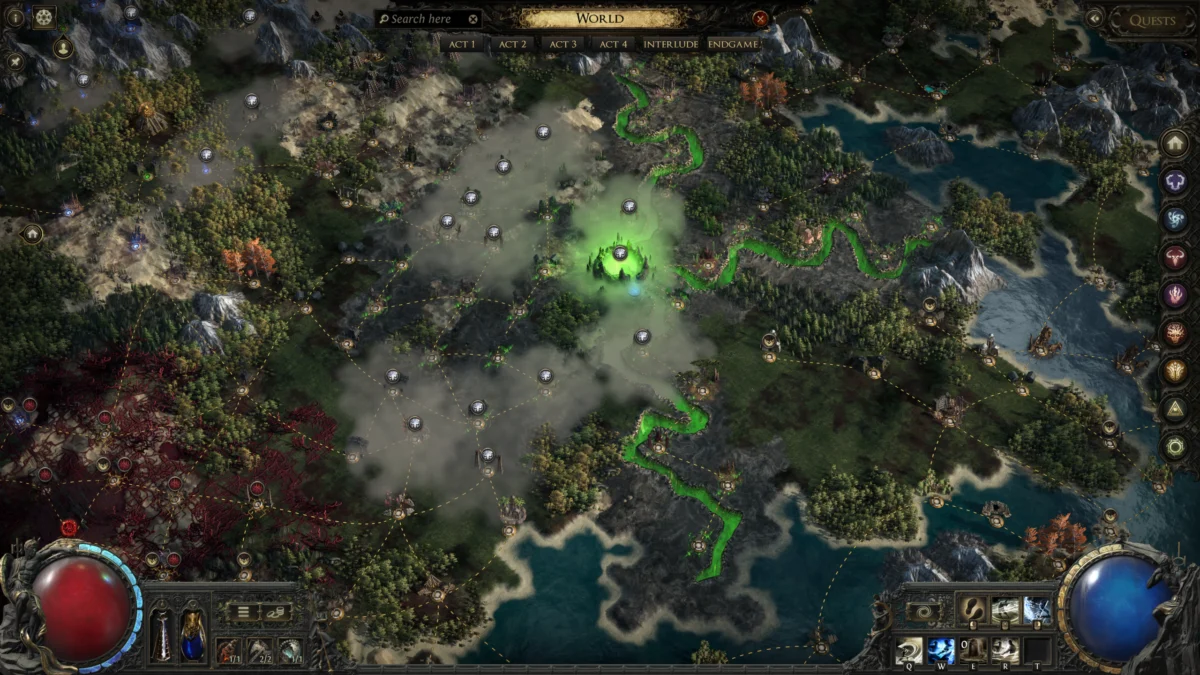
- Endgame Integration: The current map system now utilizes a hub-and-spoke model. By placing major endgame activities—such as Abyss or Delirium encounters—in visually distinct, reachable zones on the world map, GGG has successfully gamified the endgame navigation process.
Supporting Data and Mechanical Depth
The complexity of Path of Exile 2 remains its defining characteristic, serving as both its greatest strength and its most significant barrier to entry. At the heart of this complexity is the sprawling, infamous skill tree—a massive web of passive nodes that allows for near-infinite build customization.
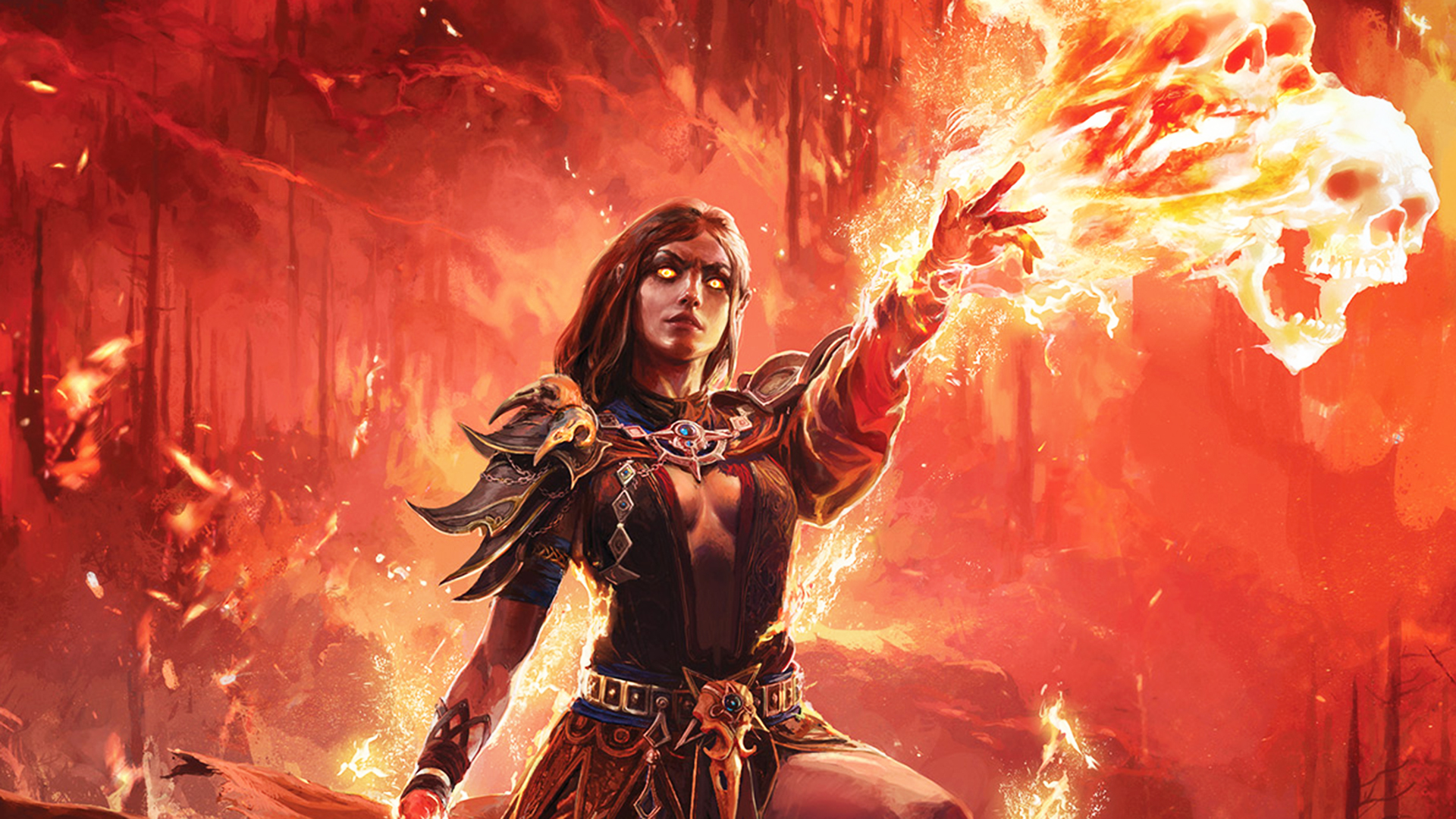
However, the game balances this with "moment-to-moment" accessibility. For instance, the introduction of specialized classes, such as the monster-taming archetype, demonstrates how the game leverages its mechanical depth to provide satisfying gameplay loops. Watching a tamed creature dismantle a boss is not just a visual spectacle; it is a testament to the game’s commitment to allowing players to "break" the system in creative, unintended ways.
Furthermore, the loot economy has been balanced to ensure that even at lower levels, players encounter "game-changing" items. The inclusion of league-specific activities—such as the stone shard mechanic introduced in the latest update—ensures that the flow of resources remains consistent, preventing the "dry spells" that plague lesser titles.
Official Perspectives: The Philosophy of GGG
The design philosophy behind Path of Exile 2 is best articulated by the studio’s leadership, who have been remarkably transparent about their goal: to create the "perfect" ARPG. This has involved a willingness to borrow successful elements from the original game while being ruthless in cutting features that no longer serve the modern, faster-paced design ethos.
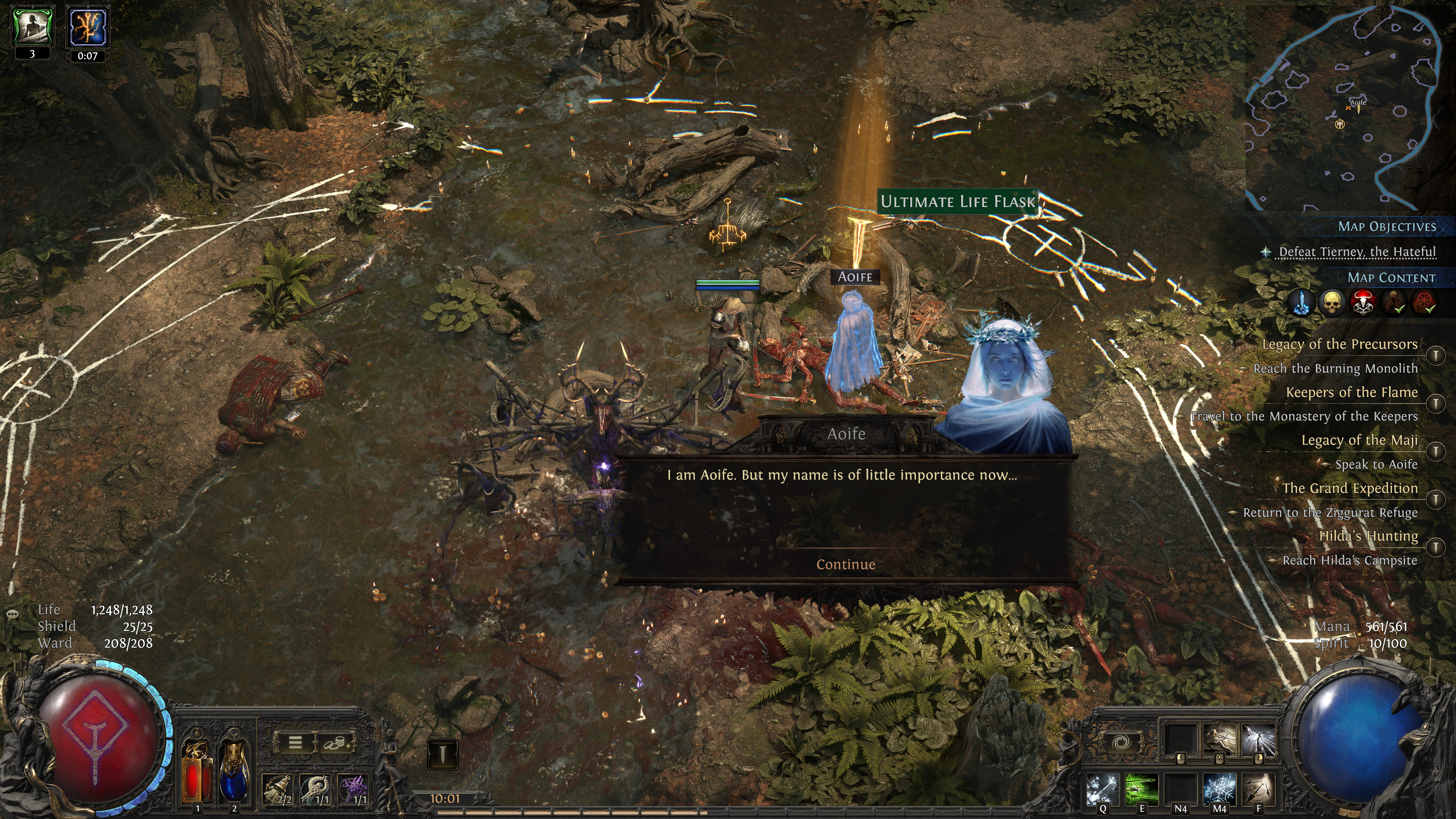
Grinding Gear Games has emphasized that Path of Exile 2 is meant to be a living, breathing project. Their approach to the endgame, in particular, signals a departure from the "grind for the sake of grinding" mentality. By introducing NPCs who guide players through specific, narrative-driven side activities, the developers are shifting the focus toward "investigations" into the world of Wraeclast, rather than a mindless clearing of nodes on a map.
The Implications for the ARPG Market
The emergence of Path of Exile 2 as a polished, ambitious experience has significant implications for the wider industry:
- Setting the Standard for Early Access: By delivering a game that feels complete despite being "unfinished," GGG has raised the bar for what consumers expect from early access titles. The game proves that a long development cycle, when coupled with consistent, feedback-driven updates, can yield a premium experience.
- Challenging the ‘Diablo’ Hegemony: While Diablo 4 has focused on a more accessible, cinematic approach to the genre, Path of Exile 2 leans into the hardcore, systems-heavy roots that appeal to the "theory-crafter" demographic. This bifurcation of the market suggests that there is room for both styles, provided they execute their core visions with high quality.
- The Death of the ‘Service’ Grind: By making the endgame feel like a series of compelling threads to follow—rather than a monotonous checklist—Path of Exile 2 is challenging the industry’s obsession with artificial player retention. Players are more likely to return if they feel they have achieved a satisfying "stopping point," which ironically creates a healthier, more sustainable community.
Conclusion: A Plunge Worth Taking
Is Path of Exile 2 worth the investment? For those who find joy in deep character customization, challenging boss encounters that require mechanical precision, and an endgame that rewards exploration as much as it rewards efficiency, the answer is a resounding yes.
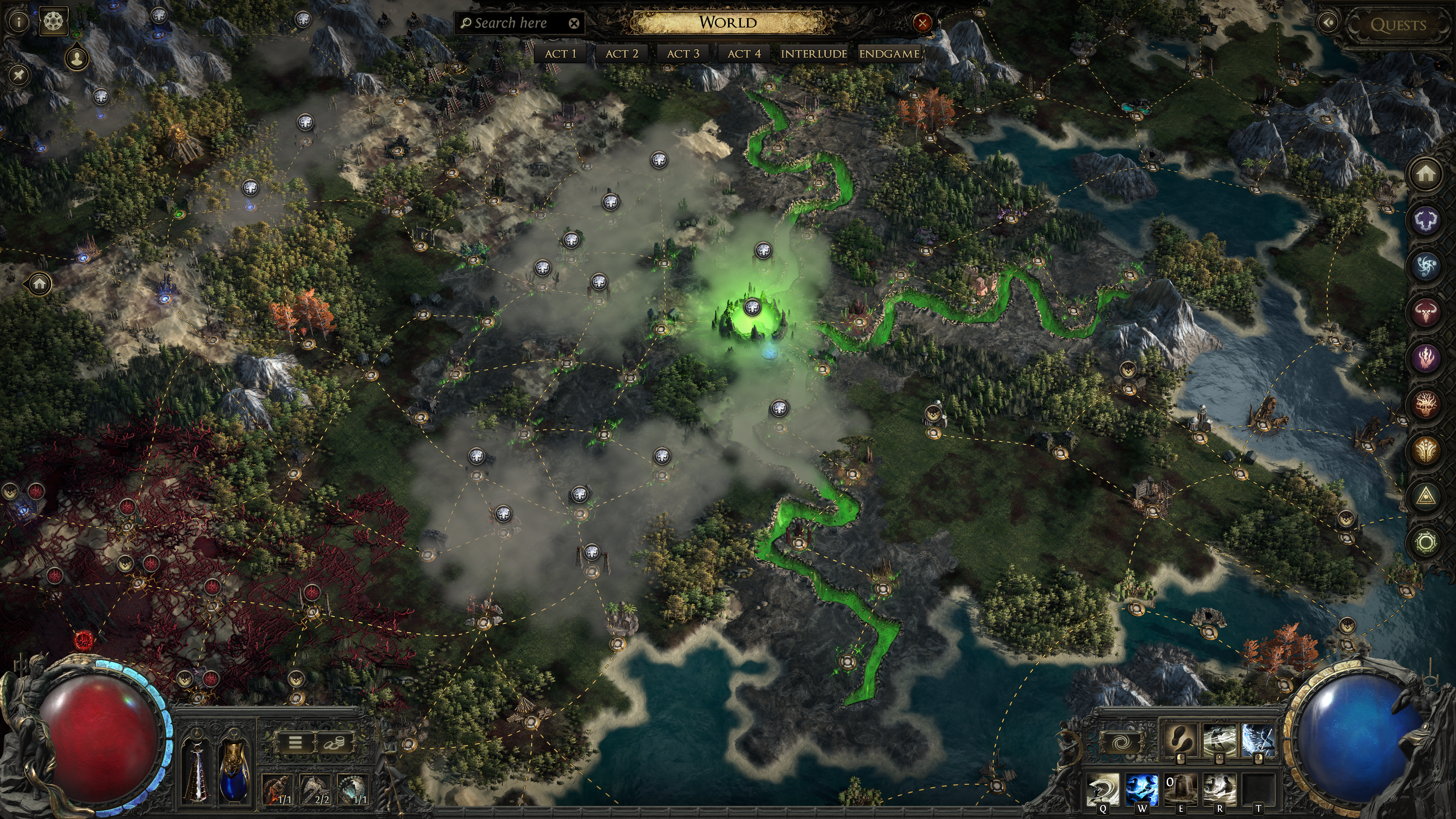
While the game’s complexity remains a daunting prospect for newcomers, the recent improvements to pacing and navigation have made this the most welcoming entry point in the franchise’s history. It is a game that respects the player’s intelligence, rewarding them not just with stronger loot, but with the satisfaction of mastering a vast, intricate, and deeply atmospheric world. As it approaches its full 1.0 release, Path of Exile 2 is not just a game to watch—it is a game that has already established itself as the new benchmark for the action RPG genre.

