

Main Facts: The Rise of Bumper Bout
Video game conventions are sensory overloads of neon lights, bass-heavy speaker tests, and shoulder-to-shoulder crowds. Yet, amidst the cacophony of the convention floor, certain gems manage to command total, unwavering attention. At PAX Australia, one such title captured the imagination of attendees and critics alike: Bumper Bout, a frantic, two-player competitive pinball game that reimagines a solitary arcade classic into a high-stakes, direct-combat sport.
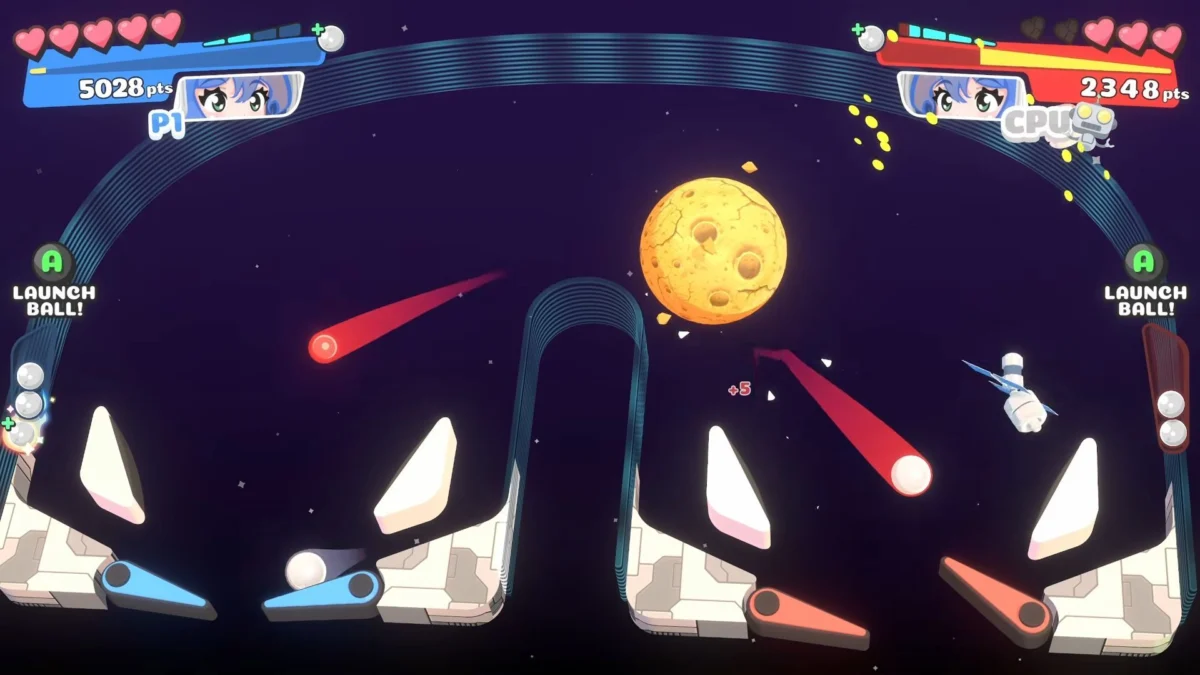
Conceived from a remarkably simple yet brilliant premise—that traditional pinball is missing the sweet agony of direct player conflict—Bumper Bout strips away the leisurely pacing of the silverball arcade and replaces it with aggressive multiplayer mechanics. Developed with a competitive edge reminiscent of puzzle-action hybrids like Puyo Puyo Tetris, the game divides the screen into two active pinball tables. While players battle to keep their own balls in play, scoring points off traditional bumpers and targets feeds a secondary resource pool. This pool allows them to fling hazardous attack balls across the divide directly into their opponent’s territory, introducing a chaotic layer of psychological warfare to the timeless art of flipper management.
The title’s high-profile debut culminated on the grandest stage of the convention, serving as the final, dramatic showdown of the Omegathon—PAX Australia’s flagship, multi-round tournament. Introduced to the roaring crowd as a game built by someone who thought, "I love pinball, but no one ever dies," Bumper Bout proved its mettle not just as an indie darling, but as an esport-ready spectator sport. With a public demo currently available on Steam and a full commercial release slated for October 29, the title stands on the precipice of transitioning from convention-floor sensation to a global multiplayer phenomenon.
Chronology: From Concept to Convention Showstopper
The journey of Bumper Bout from an indie developer’s sketchpad to the main stage of one of the Southern Hemisphere’s largest gaming conventions is a testament to the power of iterative design and timely public exposure.
The initial conceptualization of the game began behind closed doors, born out of a desire to inject genuine risk and adversarial tension into a genre traditionally defined by solitary high scores. While digital pinball adaptations have long existed—ranging from authentic simulations by Zen Studios to surreal physics sandboxes—none had successfully bridged the gap between solo score-chasing and head-to-head fighting game dynamics. By introducing the core mechanic of cross-board interference, the developers created a loop where maintaining defensive control was directly tied to launching offensive strikes.
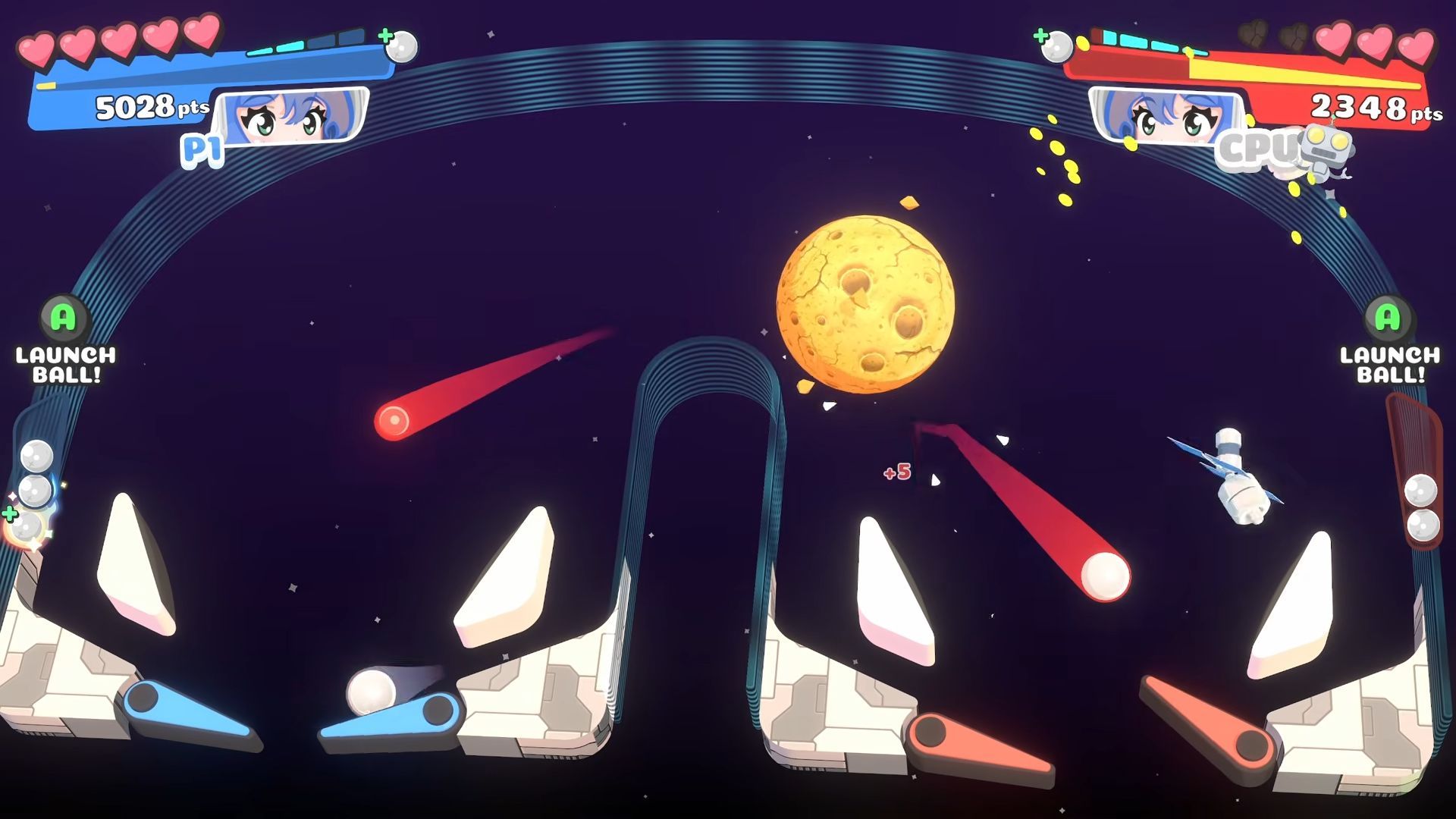
As development progressed through internal playtests, the focus shifted toward expanding the variety of the playfields. Early prototypes featured standard pinball layouts, but the team quickly realized that the chaotic cross-fire mechanic demanded more dynamic environments. This led to the creation of themed boards, such as a zero-gravity space level where satellites and drifting moons alter the physics landscape, and a foosball-inspired pitch where active player standees can be manipulated by flipper inputs to ricochet balls unpredictably.
The breakthrough moment for the game’s public profile arrived at PAX Australia. Cut through the noise of AAA marketing booths and hardware stalls, Bumper Bout was selected for the Omegathon—a high-stakes tournament that pits randomly paired contestants against each other across a curated selection of games over the multi-day event. Culminating the entire tournament on the main stage, the game was thrust in front of thousands of screaming spectators. The high-energy match showcased the game’s ability to create immediate tension, dramatic comebacks, and crowd-pleasing upsets, cementing its status as the talk of the convention and setting the stage for its imminent late-October launch.
Supporting Data: Mechanics, Modes, and Architecture
Understanding Bumper Bout requires a closer look at the mechanics that govern its frantic gameplay loop. On the surface, it operates like traditional pinball: players control flippers on their respective halves of the screen, preventing the ball from sliding down the center drain. However, the penalty for failure and the rewards for success have been completely re-engineered for competitive play.
Core Gameplay Metrics & Mechanics
- Life Pool: Every time a ball successfully slips past a player’s flippers and falls down the ballhole, the player loses a heart. The first participant to exhaust all five hearts loses the round.
- Attack Ball Generation: Accumulating points by striking bumpers, ramps, and specific target zones charges an attack meter. This generates special attack balls that can be instantly hurled over the dividing barrier to disrupt an opponent’s rhythm.
- Ultimate Abilities: Storing up to four attack balls unlocks a character-specific ultimate ability. These game-changing moves range from localized gravity wells that pull the ball off course to explosive maritime hazards—such as the pirate character’s bomb deployment—that completely transform the hazard landscape of the playfield.
Game Modes and Release Structure
While the genesis of Bumper Bout lies in its chaotic local multiplayer experience, the developers have structured the final commercial release to accommodate a wide spectrum of players:
- Local Multiplayer: The heart of the convention experience, designed for couch co-op and head-to-head showdowns.
- Online Multiplayer: Essential for the longevity of modern competitive titles, allowing players to test their flipper skills globally.
- Singleplayer Campaign: Featuring dedicated Arcade and Survival modes tailored for solo players looking to master board layouts and high-score strategies without an opponent actively trying to sabotage them.
Official Responses and Developer Insights
The reception of Bumper Bout at PAX Australia has offered a fascinating glimpse into how indie developers view the intersection of arcade nostalgia and modern competitive design. Speaking with attendees and industry observers on the convention floor, the underlying philosophy of the game became clear: it is an intentional subversion of a genre that has historically prized patience, pattern memorization, and uninterrupted flow.
"I love pinball, but no one ever dies," was the guiding ethos introduced during the Omegathon grand finale—a sentiment that resonated deeply with a generation of gamers raised on fast-paced, high-penalty multiplayer titles. Traditional pinball can often feel insular, a solitary dialogue between the player and the machine. Bumper Bout shatters that glass wall, turning the machine into an interactive battleground where two players are locked in a perpetual game of digital tennis, weaponizing the very physics engines that once offered predictable, mechanical comfort.
Industry critics and early playtesters have noted the immense challenge of translating convention-floor buzz into sustained post-launch success. Many titles thrive in the hothouse environment of a weekend expo, fueled by free play and social proximity, only to struggle with retention when isolated on a home monitor. However, the development team’s commitment to robust online infrastructure, combined with varied singleplayer modes like Arcade and Survival, suggests a calculated effort to build a sustainable ecosystem around the game’s unique mechanics. The availability of a public demo on Steam serves as a vital bridge, allowing the broader gaming community to sample the chaotic action ahead of the October 29 launch date.
Implications: The Future of Competitive Arcade Hybrids
The emergence of Bumper Bout signals a broader, fascinating trend within the independent game development space: the revival and radical reinvention of classic arcade genres through the lens of modern multiplayer combat. For decades, the arcade industry operated on a distinct set of economic and design principles, prioritizing coin-drop longevity and solo score-chasing. As those physical spaces have evolved or faded into memory, indie developers have increasingly turned their attention to preserving the tactile satisfaction of arcade controls while injecting the social, adversarial dynamics of modern esports.
By transforming a solitary pastime into a direct-combat sport, Bumper Bout bridges a demographic divide. It appeals to older gamers nostalgic for the weight of a digital plunger and the sharp clack of a solenoid, while simultaneously capturing the attention of younger players who thrive on fast-paced, high-skill ceiling multiplayer showdowns. The game’s success at the Omegathon demonstrates that pinball—traditionally viewed as niche or retro—has unexpected viability as a spectator sport when infused with the right mechanics of risk, reward, and direct sabotage.
Furthermore, the game’s launch strategy highlights the changing relationship between physical conventions and digital distribution. Events like PAX Australia no longer merely serve as marketing vehicles for established publishers; they function as crucibles where innovative indie mechanics can be stress-tested in real-time by passionate crowds. If Bumper Bout can successfully translate its convention-floor electricity into the digital ecosystems of Steam and online matchmaking, it may well pioneer a new sub-genre of competitive arcade sports—proving that even the oldest mechanical traditions can be violently, brilliantly reborn.

