

Each week, the creator industry evolves at a pace that often outstrips traditional media cycles. From the halls of VidCon to the boardroom battles of streaming giants, the boundary between "internet personality" and "global brand" is dissolving. This week’s landscape is defined by a significant migration of YouTube intellectual property (IP) to major motion pictures, a strategic shift in how platforms view the "algorithm," and a wave of institutional hiring that signals the maturation of the creator-as-business-entity model.
I. Main Facts: The Big Moves of the Week
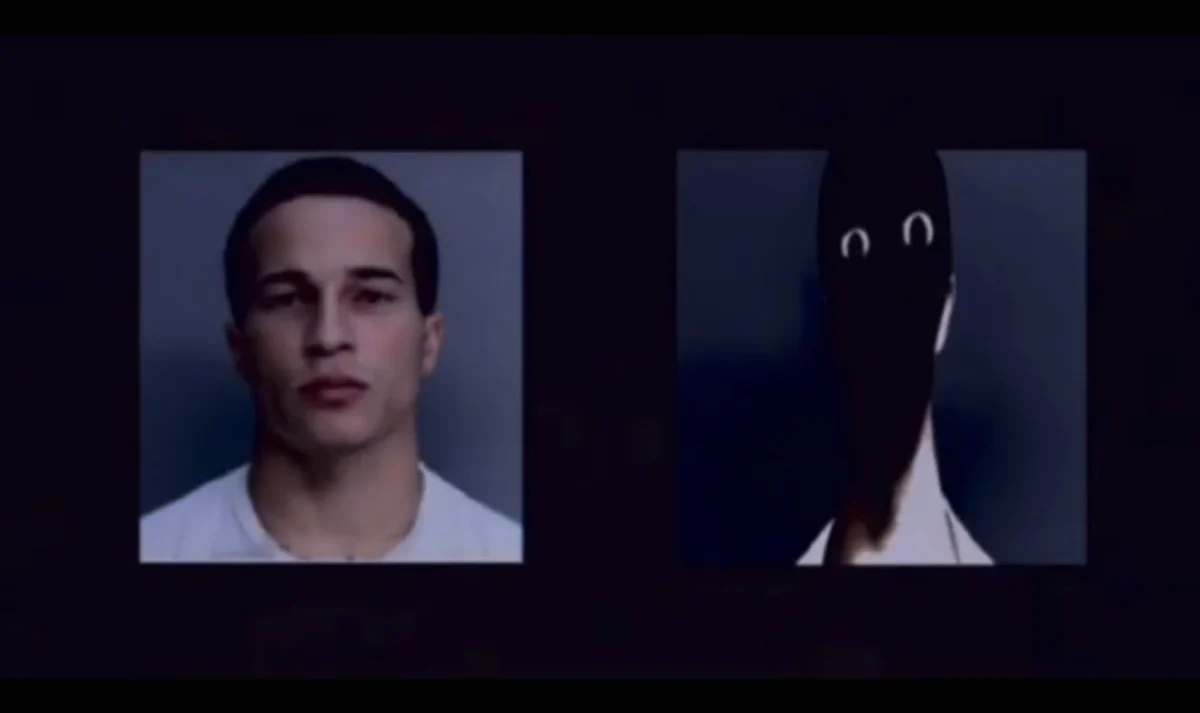
The most striking development this week is the continued encroachment of creator-led IP into Hollywood’s traditional stronghold. Amazon and Steven Spielberg have secured the rights to The Mandela Catalogue, a viral YouTube horror series created by Tyler Clifton. Following a fierce 11-studio bidding war, the project is set to transition from a digital phenomenon with over 100 million views to a feature film production.
Concurrently, the professional landscape is shifting. Advertising Week New York has appointed Dhar Mann as its first-ever Chief Creator Officer, a move that codifies the importance of creators in modern marketing strategy. Meanwhile, Substack has signaled its intent to deepen its monetization tools by hiring Roku veteran Dan Robbins as its Head of Brand Sponsorships, and Amazon is fortifying its audio division with the hire of Matt Schwimmer to oversee its celebrity-led podcast ecosystem.
II. Chronology of Events: A Week of Industry Turbulence
- Monday: Substack announces the appointment of Dan Robbins, marking a shift toward institutionalizing brand partnerships for its newsletter writers.
- Tuesday: ExtraEmily addresses her recent Twitch suspension, pledging to reduce streaming while driving to prioritize safety and accountability—a major talking point in the "IRL" streaming community.
- Wednesday: VidCon kicks off with a series of high-profile addresses. Twitch CEO Dan Clancy uses his keynote to distinguish his platform from the "isolation" of short-form algorithmic feeds like TikTok.
- Thursday: YouTube executives double down on the "audience-first" philosophy, mirroring sentiments previously championed by MrBeast.
- Friday: Bose Studios officially enters the media fray, signaling that hardware companies are no longer content to merely be the tools—they want to be the content creators as well.
III. Supporting Data: The Shift to Live and Long-Form Engagement
The data coming out of the 2026 mid-year cycle suggests a fundamental change in consumer behavior. Twitch’s focus on community, as articulated by CEO Dan Clancy, is a reaction to the saturation of short-form, algorithmic content. According to industry sentiment at VidCon, "swiping" is increasingly viewed as an isolating experience, whereas "live" interaction is being positioned as the antidote to digital loneliness.
YouTube’s internal metrics and executive messaging confirm this trend. By instructing creators to replace the word "algorithm" with "audience," the platform is effectively admitting that the key to growth in 2026 is not technical gaming of the system, but the cultivation of parasocial depth.
Furthermore, the expansion of Instagram Reels into the Samsung Smart TV ecosystem and the integration of Shopee’s affiliate program in Southeast Asia, Taiwan, and Brazil reflect a broader global strategy: turning the television screen—a traditionally passive medium—into a conversion-driven hub for creator-led e-commerce.
IV. Official Responses: The "Algorithm" vs. "Audience" Debate
The discourse surrounding the "algorithm" has reached a breaking point. At VidCon, YouTube’s Senior Director of Growth and Discovery reinforced a philosophy that has been brewing for years. By echoing the sentiments of MrBeast—who famously advised creators to stop obsessing over technical metadata and start obsessing over viewer satisfaction—YouTube is attempting to humanize its machine.
Conversely, Dan Clancy’s comments at Twitch serve as a direct counter-narrative to the TikTok model. Clancy argues that Twitch’s value proposition is inherently "communal." While TikTok offers discovery, Twitch offers a digital "third place." This distinction is critical as creators weigh the benefits of high-velocity, short-form viral traffic against the high-retention, high-community loyalty of long-form live streaming.
V. Implications: What This Means for the Future
The Horror Renaissance
The acquisition of The Mandela Catalogue by Amazon and Spielberg is not just a one-off deal; it is a signal that Hollywood is struggling to generate organic, low-budget, high-concept horror, and is therefore looking to YouTube for pre-validated IP. We should expect more bidding wars over "digital-first" franchises as legacy studios realize that a creator’s existing lore is a risk-mitigated asset.
The Professionalization of the Creator
The appointment of Dhar Mann as Chief Creator Officer at Advertising Week NY suggests that the "creator" is no longer just a talent partner—they are now consultants. Marketers are moving past the "influencer" phase of the last decade and into an era where creators are viewed as producers of brand ethos.
Hardware as Media
Bose Studios’ entry into music, film, and podcasts is the most fascinating long-term play. When headphone manufacturers start producing the content that their users listen to, they effectively close the loop on the user experience. If this model proves successful, we may see more "lifestyle" brands—from sneaker companies to gaming peripheral makers—follow suit, creating an era of "vertically integrated media."
Safety and Responsibility
ExtraEmily’s decision to cut back on driving streams is a watershed moment for the "IRL" (In Real Life) streaming category. As platforms become more legally and ethically sensitive to the dangers of dangerous stunts for engagement, the community is beginning to self-regulate. This shift will likely lead to more stringent platform policies, but also a more sustainable, "brand-safe" environment for streamers who want to avoid the "ban hammer."
VI. Conclusion: A New Era of Creator Sovereignty
As we look toward the remainder of 2026, the creator economy is clearly transitioning from a "Wild West" of unbridled growth to a sophisticated ecosystem of institutional partnerships. The "AI 4th of July"—highlighted by the polarizing and surreal Darren Aronofsky project On This Day…1776—serves as a reminder that even as the industry professionalizes, the internet remains a fundamentally strange, unpredictable place.
Whether it is a soccer ball icon on a YouTube progress bar or a multimillion-dollar film deal for a YouTube horror series, the trend is clear: the platforms are fighting for our attention, the creators are fighting for our loyalty, and the brands are trying to figure out how to pay for it all without breaking the magic of the connection.
As always, the key to success in this environment remains the same: it isn’t about how well you understand the algorithm—it’s about how well you understand the person on the other side of the screen.
For more updates on the evolving creator landscape, ensure your subscriptions are active and your alerts are turned on. The next big shift in the industry is likely already being filmed in a bedroom, a studio, or a living room near you.

