

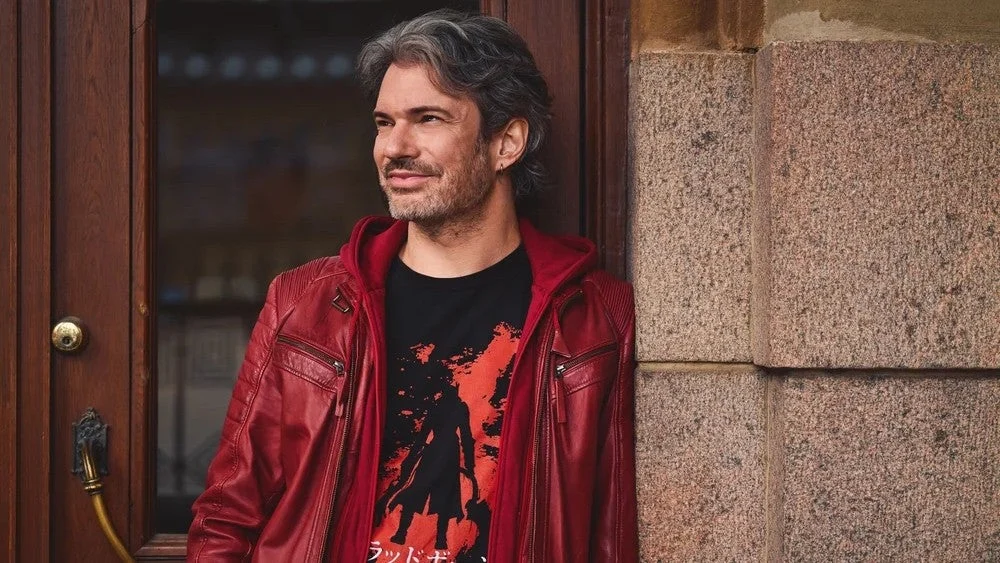
In the high-stakes world of modern game development, where the industry is frequently defined by the boom-and-bust cycle of mass layoffs, ballooning budgets, and the crushing pressure of "AAA" expectations, Harry Krueger is choosing a different path. Having served as the game director for Housemarque—the Finnish powerhouse behind critically acclaimed titles like Returnal, Nex Machina, and Resogun—Krueger has seen both the exhilarating heights of critical success and the exhausting realities of large-scale production.
In May, Krueger stepped into a new chapter, launching Cosmic Division, an indie studio headquartered in the heart of Helsinki. Flanked by co-founders Henri Mustonen, a seasoned design director with over a decade of experience at Housemarque, and COO Mika Laaja, the studio is not aiming to become the next industry behemoth. Instead, it is positioning itself as a bastion of "responsible ambition"—a venture built to last, not merely to burn.
The Genesis of Cosmic Division
The founding of Cosmic Division is not a story of a developer looking to escape the industry, but rather one looking to fix it from the inside out. For Krueger, the objective is singular: to build an enduring institution.
"The goal isn’t to build something that burns brightly for a few years and disappears," Krueger told GamesIndustry.biz. "The goal is to build the forever studio, something that endures. This is my third job in the games industry, and ideally, I’d like it to be my last. We want to build on our strengths, pick our battles carefully, find the right people and partners, and ride this whole thing into the sunset."
This sentiment reflects a growing trend in the independent sector, where veteran developers are opting to exit the corporate treadmill in favor of smaller, more autonomous teams that prioritize creative control and staff well-being over the relentless growth mandates of publicly traded publishers.
Chronology: From Arcade Roots to Cosmic Ambitions
Krueger’s trajectory in the industry provides the necessary context for his current philosophy. His tenure at Housemarque was defined by a commitment to "game feel"—the tactile, rhythmic, and visceral satisfaction of player interaction.
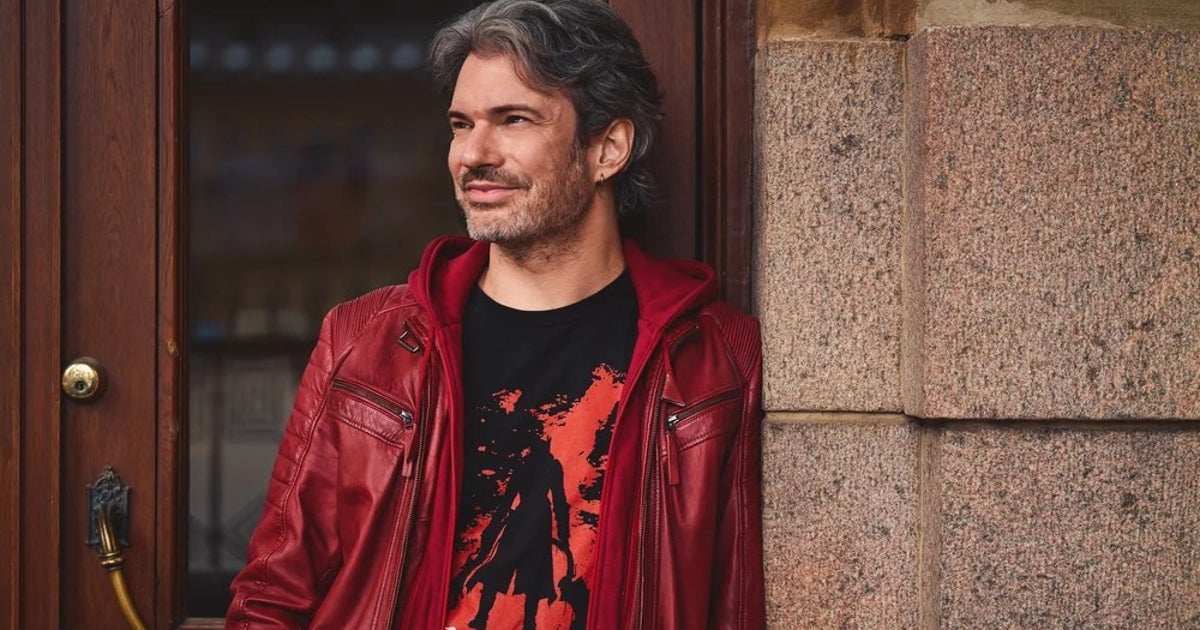
- The Arcade Era: Under Krueger’s guidance, Housemarque refined the art of the arcade shooter. Titles like Nex Machina and Resogun were masterclasses in minimalism, proving that intense, high-fidelity action did not require hundreds of millions of dollars to succeed.
- The AAA Leap: The development of Returnal represented a significant pivot. By blending the studio’s signature bullet-hell mechanics with a high-budget narrative framework and third-person exploration, Housemarque successfully transitioned into the AAA space. However, this success came with the inherent complexities of managing massive teams, intricate production pipelines, and the unpredictable nature of large-scale software development.
- The Break: Following the acquisition of Housemarque by Sony Interactive Entertainment, Krueger reached a juncture where he felt compelled to apply the hard-won lessons of that transition toward a more sustainable model.
- May 2026: The official launch of Cosmic Division. The studio secured an undisclosed seed round of funding, signaling confidence from industry partners in the team’s vision for a "lean and mean" development environment.
Sustainability as a Core Metric
At Cosmic Division, "sustainability" is not merely a buzzword; it is a business strategy. In an era where "crunch culture" and project cancellation are rampant, Krueger is advocating for a philosophy of "responsibly ambitious" development.
Defining Responsible Ambition
Krueger argues that the industry’s biggest pitfall is the assumption that more is always better. "More is not always better; often it’s just more," he notes. The studio’s operational framework relies on four pillars:
- Prioritizing Talent over Process: Reducing the bureaucratic overhead that often stifles individual contributions in large studios.
- Scope Management: Establishing realistic boundaries early in the development lifecycle to prevent "scope creep," which often leads to burnout and compromised final products.
- Healthy Runway: Maintaining financial security that allows the team to prioritize creative integrity over the pressure to ship unfinished, buggy software to satisfy quarterly earnings calls.
- Subtractive Design: Moving away from the "additive" mentality of adding features until a game breaks, and instead focusing on refining the core mechanics that matter most to the player.
The Case Against "Bloat"
Krueger is candid about the inefficiencies inherent in modern AAA development. He identifies "scale" as the primary enemy of innovation. When a studio grows beyond a certain headcount, the primary challenge often shifts from making the game to managing the people making the game.
"Growing beyond a certain point can slow things down, reduce flexibility, and make it harder to stay aligned around a singular vision," Krueger explains. "That’s usually when compromise starts creeping in. And compromising often leads to mediocrity."
By staying lean, Cosmic Division aims to preserve the agility of a startup while leveraging the veteran expertise of its leadership. This allows for a more "subtractive" approach to design. Krueger advocates for a process where the team identifies the essence of the experience early and ruthlessly cuts anything that distracts from that goal. This, he posits, avoids the dreaded "late-stage crunch" that plagues so many major releases, where developers are forced to scramble to patch, optimize, or pivot a game just months before launch.
Implications for the Future of Independent Development
Cosmic Division serves as a fascinating case study for the future of the medium. As the gap between indie developers and AAA conglomerates continues to widen, the "mid-sized" studio is becoming an endangered species. Krueger’s model offers a potential blueprint for how a team can maintain high production values while avoiding the death-by-a-thousand-cuts that often defines the lifecycle of a large-scale project.

The Creative DNA
While the studio is currently in the early stages of its first project, Krueger acknowledges that players will see the influence of his past work. The studio is looking to iterate on the "intense, compelling action" that defined his time at Housemarque. However, he is quick to clarify that this is not a sequel factory.
"Players will likely recognise some of our creative DNA, but they should also expect a few surprises along the way," he said. "We want to establish a unique voice for Cosmic Division with our first title, and part of the excitement of starting a new studio is the opportunity to challenge ourselves creatively and explore new territory."
The "Craftsmanship" Philosophy
Perhaps the most significant takeaway from Krueger’s vision is his insistence that the industry focus more on the "craft" of game design. In a market saturated with live-service games, microtransactions, and algorithmic engagement loops, Krueger’s focus on singular, high-quality experiences is a breath of fresh air.
"Quality rarely comes from ideas alone; it comes from commitment, execution and craftsmanship," says Krueger. "All we can do is focus on making the best game possible, push ourselves creatively, and create something we’re genuinely proud of. If we succeed at that, I trust we’ll find our audience."
Conclusion: A New Standard?
Harry Krueger’s transition from the director’s chair at a Sony-owned studio to the founder of an independent indie house is a testament to the maturation of the games industry. It suggests that the future of game development may not lie in ever-increasing budgets and larger teams, but in the return to sustainable, creator-led environments.
By prioritizing long-term health over immediate, explosive growth, Cosmic Division is betting on the idea that quality is the most reliable currency in the industry. Whether this model can scale to meet the shifting demands of the global market remains to be seen, but in a climate defined by instability, the "forever studio" is a vision that many in the industry will be watching with keen interest. As Krueger himself puts it, the goal is to "create the conditions for that vision to succeed." For a veteran who has already helped define the modern action game, that is a mission worth pursuing.

