

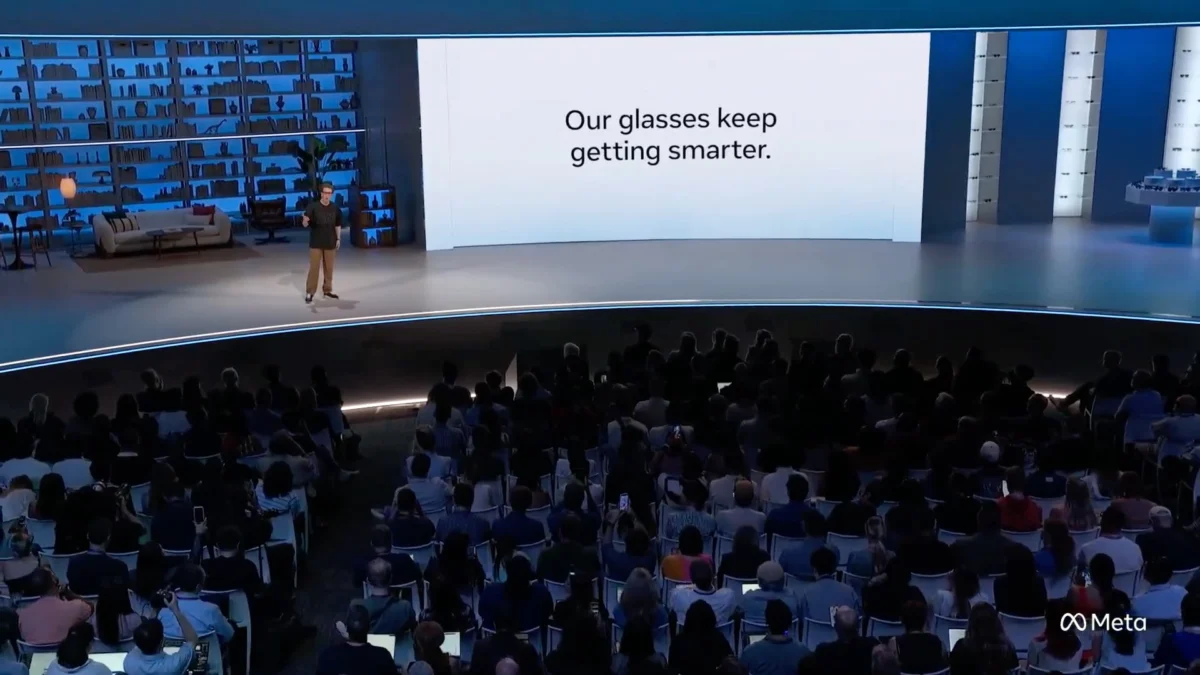
SAN FRANCISCO — Artificial intelligence is once again on the brink of a major hardware transition. Meta has announced that Muse, its breakout AI agent currently dominating app store charts, is coming to its popular line of smart glasses "soon."
The integration promises to bridge the gap between conversational AI and real-world execution. Instead of requiring users to pull out their smartphones, browse through apps, or manually input text, Muse will allow wearers to delegate complex, multi-step tasks simply by speaking aloud.
While chatbots like ChatGPT or early virtual assistants answered questions with static text or web links, agents like Muse are built to take action. Powered by Meta’s proprietary Muse Spark AI model, the system operates independently in the cloud, utilizing a persistent virtual environment to handle everything from purchasing goods to negotiating bills.
As Meta prepares to roll the technology out to its wearable ecosystem—showcased extensively at Meta Connect 2026—the tech industry is watching closely. The move marks a definitive push by Meta to position its smart glasses not merely as novelty accessories or audio-streaming frames, but as primary hubs for ambient, autonomous computing.
Main Facts: What is Meta Muse and How Does It Work?
To understand the significance of Muse coming to smart glasses, one must first understand what sets it apart from traditional AI interfaces.
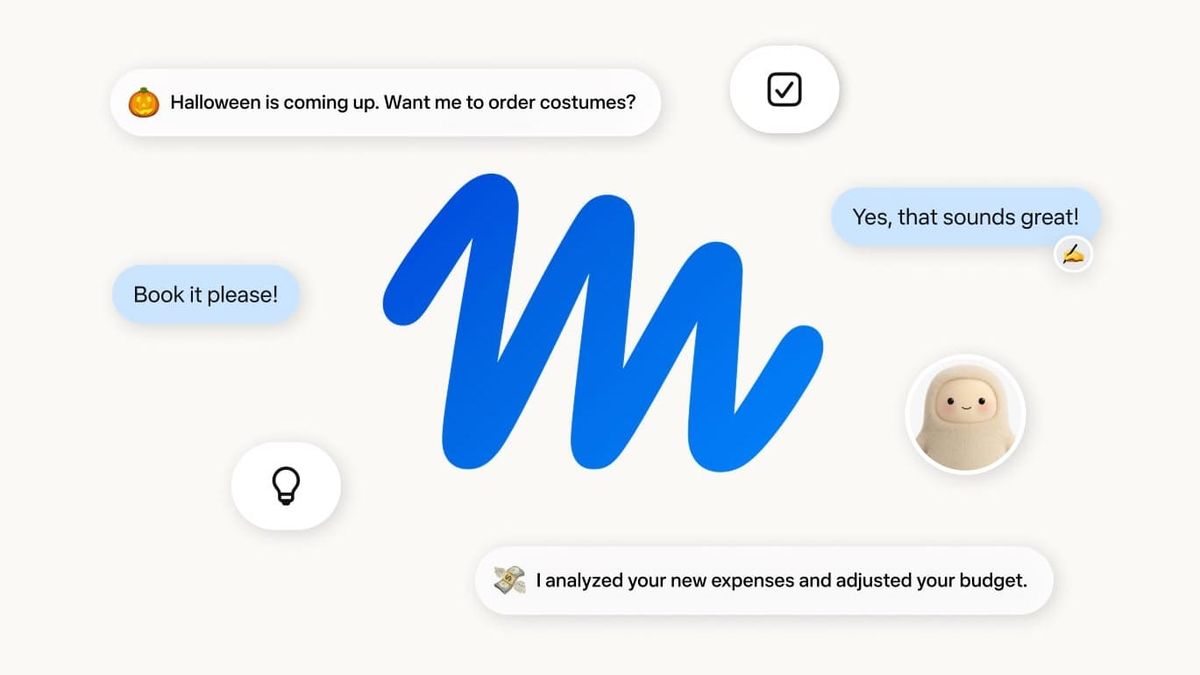
Unlike standard conversational models that wait for a prompt, generate a text response, and then go idle, Muse functions as an active agent. Built on Meta’s Muse Spark model, the system runs on a private, persistent Linux virtual machine (VM) hosted in the cloud. This VM features its own dedicated web browser, filesystem, and terminal. Crucially, these systems continue running in the background even when the user closes out of the app or puts their phone away.
Key capabilities of the Muse agent include:
- Autonomous Task Execution: Muse can write and execute code, schedule jobs, and delegate work to multiple sub-agents to achieve complex goals.
- Content and Tool Generation: The agent can dynamically produce documents, PDFs, websites, and interactive dashboards, such as custom spending trackers.
- Real-World Commerce: Muse can book travel arrangements, fill out intricate web forms, send emails, negotiate consumer bills, assist in selling assets like cars, make phone calls, and securely purchase products.
- Secure Payments: To handle financial transactions, Muse integrates with Stripe’s Link service, generating virtual, single-use per-payment cards. This ensures the AI model never stores or handles the user’s actual credit card numbers or banking credentials. Meta has also confirmed that support for Shop Pay and 1Password is currently in development.
When transitioned to smart glasses, Muse shifts from a screen-based assistant to an eyes-free, hands-free companion. Activated simply by saying "Hey Muse" (or the customized name of the user’s agent), the wearer can make requests regarding objects in their field of view. The agent then processes the request in the background, executing the task and notifying the user when the job is successfully completed.
Chronology: The Rapid Ascent of Muse
The trajectory of Meta’s Muse highlights the breakneck speed at which consumer AI products are being developed, deployed, and adopted.
- Early September 2026: Meta officially launches Muse on smartphones and the web in the United States, targeting mainstream consumers rather than developers or enterprise professionals.
- Mid-September 2026: Propelled by positive early reviews from both tech journalists and everyday users, Muse surges to the number one spot on the iPhone App Store downloads chart.
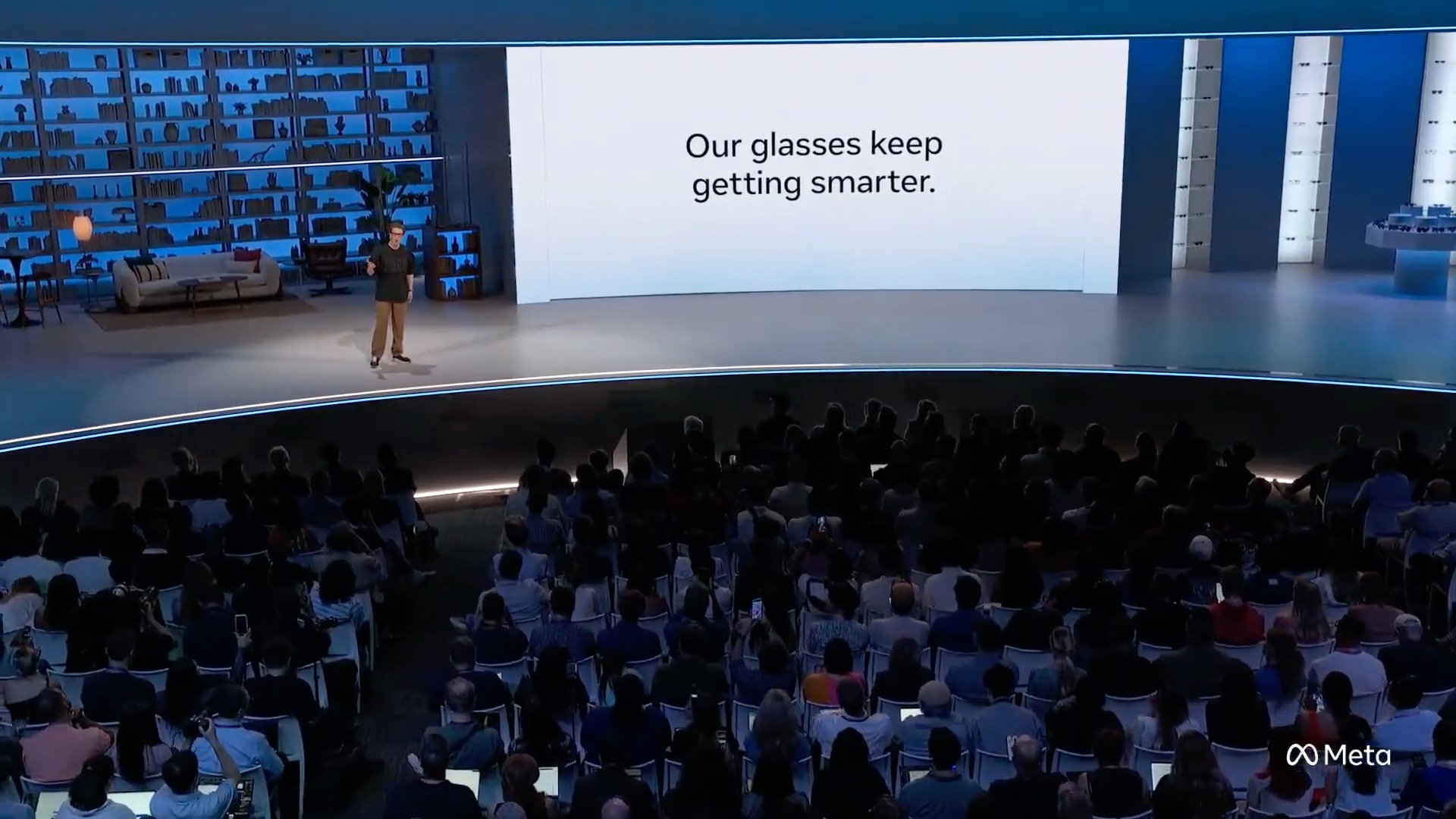
- Late September 2026 (Meta Connect 2026): Meta CEO Mark Zuckerberg and CTO Andrew Bosworth take the stage at the company’s annual developer conference. During keynotes and live demonstrations, Meta officially teases the integration of Muse into its smart glasses ecosystem, showcasing voice-activated real-world tasks.
- The Immediate Future: Meta executives offer slightly varying timelines for the smart glasses rollout—ranging from "in the coming weeks" (Mark Zuckerberg on stage) to "soon" (CTO Andrew Bosworth) and "in the coming months" (official corporate statements). Despite the minor discrepancies, a public release is widely anticipated before the end of the year.
Supporting Data and Technical Architecture
Meta’s strategic pivot with Muse involves shifting consumer expectations away from chatbots toward utility-driven automation. Market reception and technical specifications paint a detailed picture of the platform’s foundation:
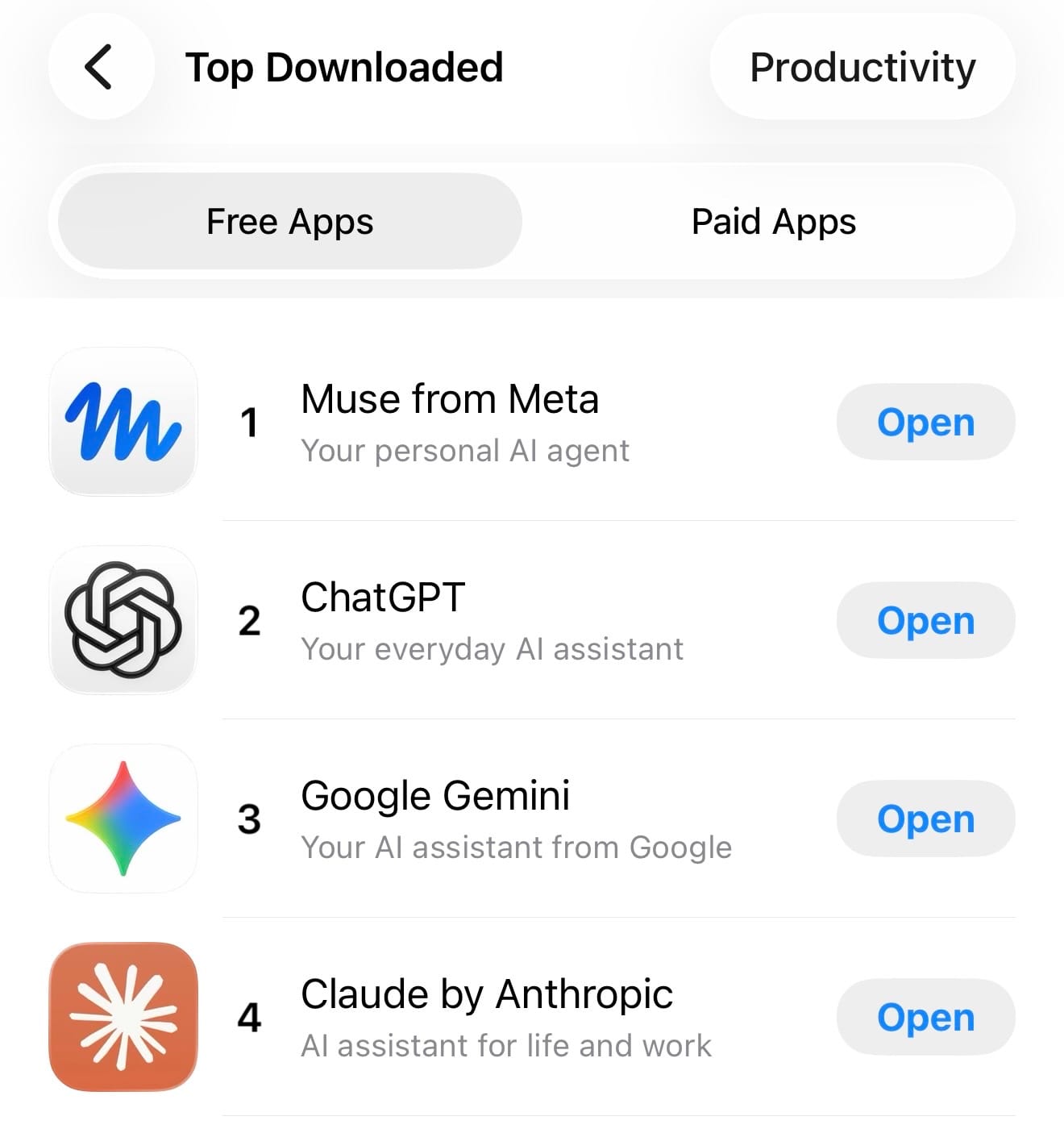
- App Store Dominance: Within days of its US smartphone launch, Muse secured the top position on the iOS App Store, outperforming established productivity and social applications.
- Consumer-Facing Design: While rival AI agents often cater to software engineers and power users, Muse utilizes a familiar instant messaging-style interface paired with a friendly avatar character. Its marketing focuses entirely on alleviating friction in daily life.
- Virtual Machine Isolation: Muse operates within a cloud-based Linux environment. Currently, this environment is isolated, though Meta retains administrative access. To address potential privacy concerns, Meta has announced a Confidential VM option scheduled to launch later this year. This advanced tier will use hardware-based encryption to ensure that even Meta cannot access the user’s private virtual machine or its contents.
- Data Policy: Meta has clarified that data generated through Muse will not be utilized for targeted advertising. However, unless users actively opt out, interaction data will be leveraged to train future iterations of Meta’s AI models.
Official Responses and Demonstrations
At Meta Connect 2026, the company pulled back the curtain on how Muse will function natively on its smart glasses hardware. Demonstrations highlighted scenarios tailored specifically to wearable technology:
- Health and Fitness: Wearers can log meals simply by looking at their food and describing it, receive real-time workout guidance, and track physical metrics hands-free.
- Commerce and Maintenance: If a wearer spots a broken appliance part, Muse can identify the replacement component, check prices across the web, and complete the purchase. Similarly, the system can book local appointments or check live flight prices on the fly.
- Executive Leadership Commentary:
- Mark Zuckerberg emphasized the seamless nature of the integration during his keynote, telling the audience that the capability would reach users "in the coming weeks."
- Andrew Bosworth, Meta’s Chief Technology Officer, echoed the sentiment on social and media channels, assuring consumers that the smart glasses update would arrive "soon."
- Official corporate communications have balanced these aggressive timelines with a slightly broader window of "the coming months," pointing to a staged rollout or beta testing phase prior to a general release.
Implications: The Future of Wearable AI and Privacy
The integration of an autonomous AI agent into smart glasses carries profound implications for technology, consumer habits, and data privacy.
1. The Death of the App-Centric Mobile Experience
For nearly two decades, smartphones have relied on the "app paradigm"—users must unlock their device, locate a specific application (e.g., OpenTable, Amazon, Gmail), and manually navigate menus to accomplish a task. Muse bypasses this entirely. By letting an AI agent interact directly with web interfaces, fill out forms, and make purchases behind the scenes, Meta is laying the groundwork for an app-less interaction model where intent matters more than interface navigation.
2. Smart Glasses as the Ultimate Form Factor
While virtual reality headsets and standalone augmented reality glasses continue to face adoption hurdles due to weight, cost, and battery life, lightweight smart glasses have found a receptive audience. By adding Muse’s cognitive capabilities to frames that already capture audio and video, Meta transforms a fashion-forward accessory into a powerful ambient assistant. Users no longer need to look down at a screen to interact with complex digital ecosystems.
3. Privacy and Security Concerns
The convenience of an agent that can make phone calls, purchase items, and access personal files in the cloud naturally raises significant security questions. While Meta’s use of Stripe Link for single-use virtual cards mitigates financial fraud risks, the broader question of data surveillance remains paramount.
Critics and privacy advocates will likely scrutinize the default opt-in policy for AI model training. Although Meta has promised a zero-access Confidential VM tier later this year, the interim period will require users to place a high degree of trust in the company’s cloud infrastructure. Allowing an AI agent to roam the web, handle personal correspondence, and negotiate on a user’s behalf means the boundaries between personal privacy and automated assistance will become increasingly porous.
Looking Ahead
If Meta successfully delivers Muse to its smart glasses in the coming weeks and months, it could trigger a competitive rush across the consumer tech landscape. Competitors like Apple, Google, and specialized hardware startups will be forced to accelerate their own ambient agent strategies.
For consumers, the era of passive smart glasses is officially over. The glasses on your face are about to start working for you.

