

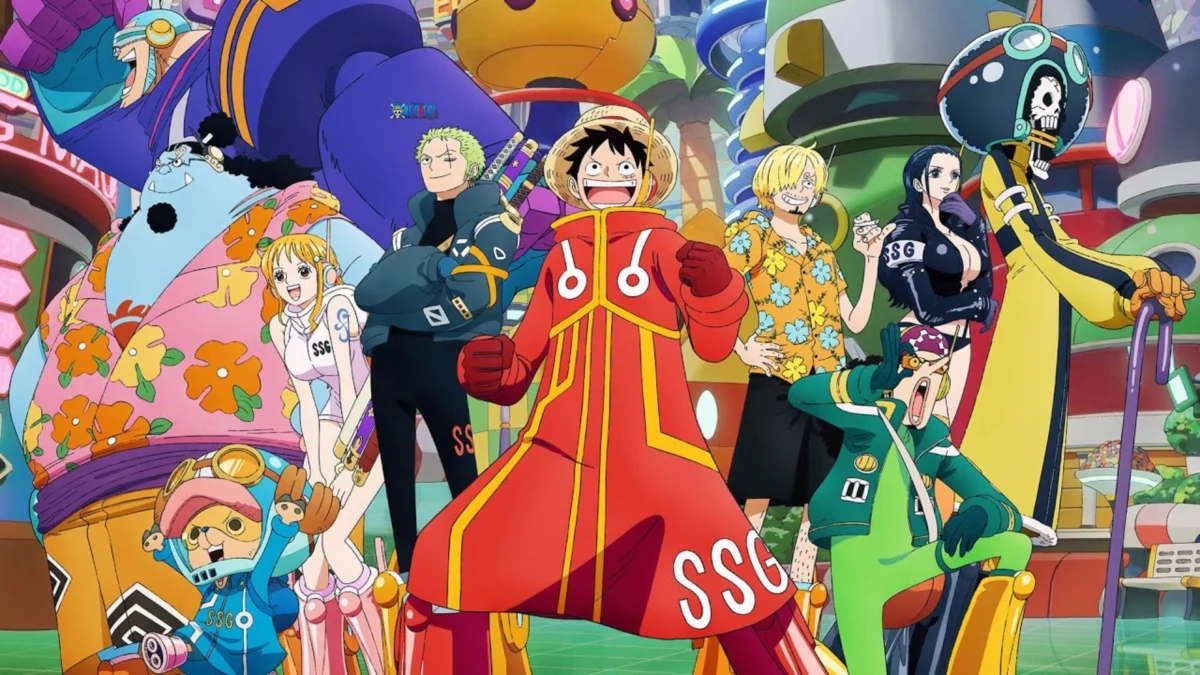
As the entertainment landscape continues to embrace nostalgic re-imaginings and grand adaptations, one of the most monumental undertakings in anime history is finally looming on the horizon. Scheduled for release on Netflix in February 2027, The One Piece promises to introduce a fresh, modern vision of Monkey D. Luffy’s legendary quest to become the King of the Pirates.
Helmed by the powerhouse WIT Studio—renowned globally for their stunning work on Attack on Titan and Spy x Family—this upcoming series is not merely a coat of fresh paint on a classic. It is a ground-up reimagining of Eiichiro Oda’s historic manga that aims to solve one of the medium’s greatest hurdles: an intimidating, decades-long runtime.
Yet, for longtime fans navigating the current pop-culture seas, the announcement raises several questions. With Toei Animation’s original 1999 anime still actively running and Netflix’s separate live-action adaptation expanding concurrently, where does The One Piece fit into the grand scheme? This comprehensive guide breaks down the core facts, chronological expectations, production details, official statements, and the broader implications of this massive streaming project.
Main Facts: What is The One Piece?
At its core, The One Piece is a brand-new, premium anime reboot based on Eiichiro Oda’s best-selling manga. Set to premiere in February 2027, the project diverges fundamentally from standard remakes by choosing to re-adapt the source material through a contemporary lens.
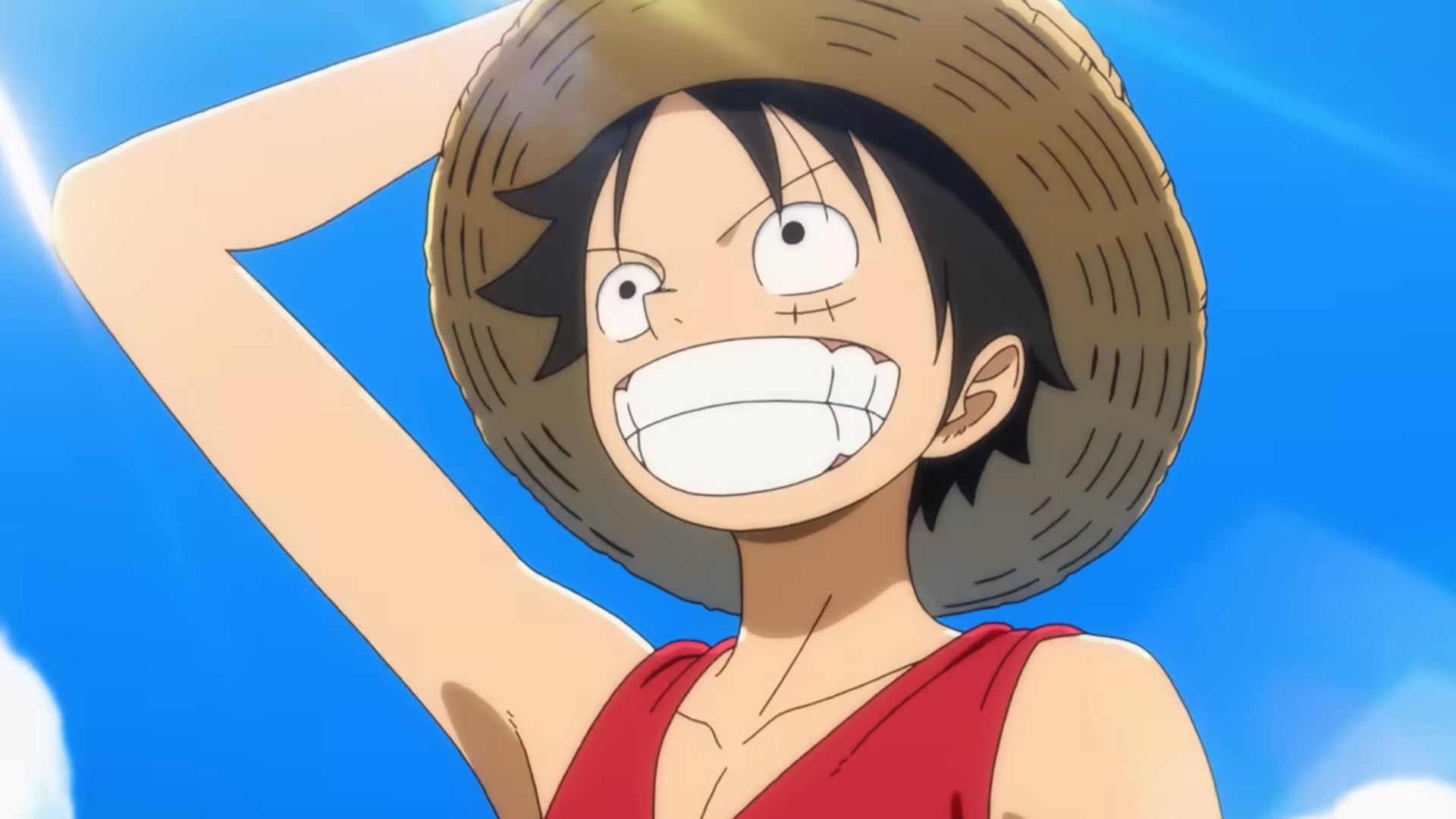
Unlike the ongoing 1999 Toei Animation series—which has surpassed 1,000 episodes and is famous for its sprawling episode counts, extensive filler arcs, and drawn-out battle sequences—The One Piece is designed for a modern streaming audience. It prioritizes tighter pacing, higher-end cinematic production values, and a structured layout that trims the narrative fat without losing the emotional heart of Oda’s world.
Crucially, Netflix and the production team have confirmed that this new series will exist independently. It is not designed to replace Toei’s long-running masterpiece, which continues to adapt arcs like Elbaph. Instead, it serves as an accessible alternative entry point, allowing newcomers to experience Luffy’s journey from the very beginning while skipping the historical pacing issues that often deter potential fans.
Furthermore, the structural format of the reboot differs drastically from traditional weekly TV broadcasts. Season 1 will consist of seven episodes. While this may sound remarkably brief compared to the original anime’s 61-episode opening run, each episode of The One Piece will feature an extended 40-minute runtime—nearly double the standard 24-minute window of traditional anime broadcasts. This equates to roughly 280 minutes of content, packed with high-budget animation and dense storytelling.
Chronology: What Chapters and Arcs Are Covered in Season 1?
Understanding the scope of The One Piece requires looking closely at Eiichiro Oda’s original manga chapters. Season 1 of the Netflix reboot is slated to adapt the first 50 chapters of the manga, placing viewers firmly within the broader East Blue Saga.
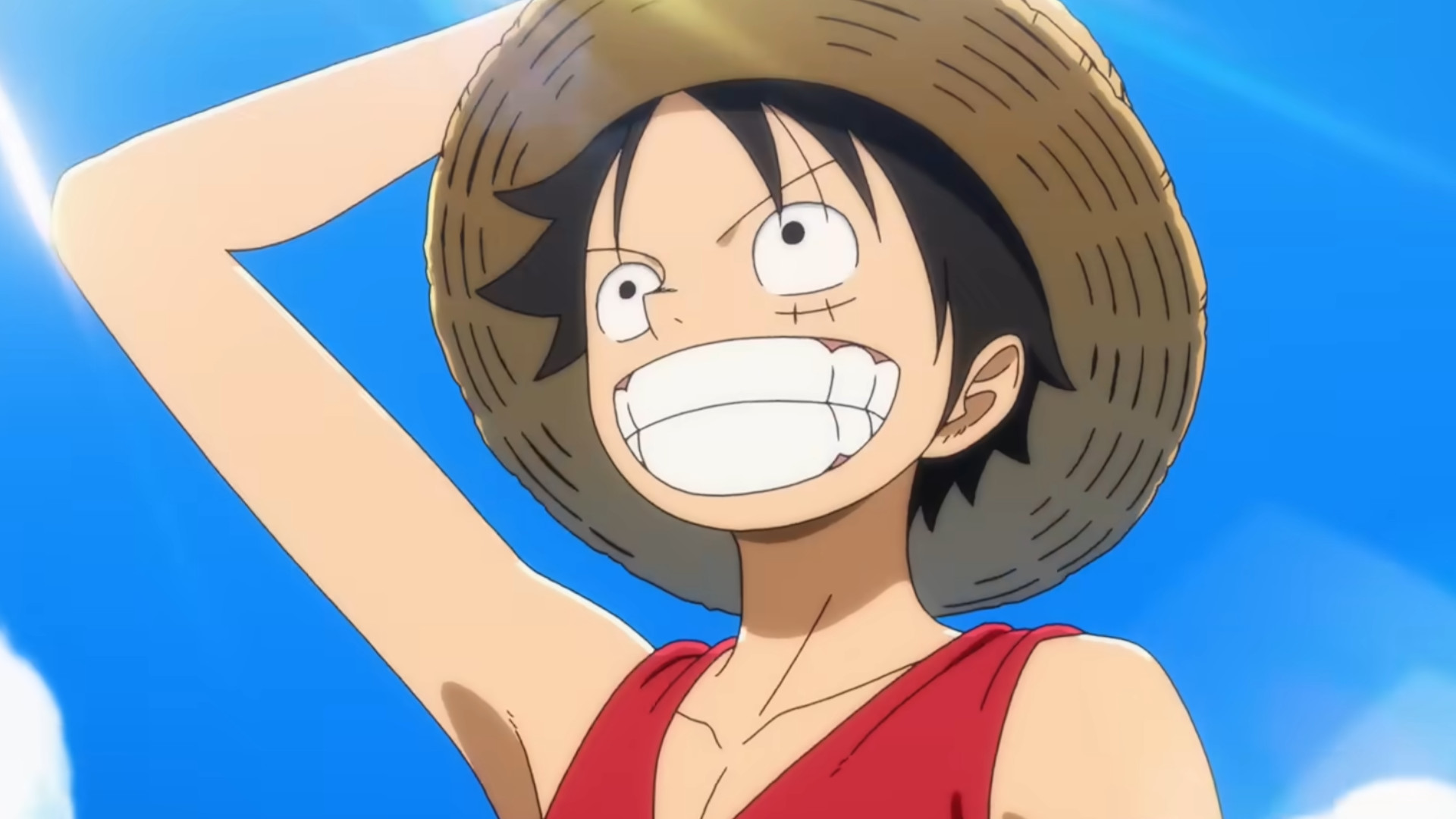
However, because the East Blue Saga spans slightly further than Chapter 50, the inaugural season will not wrap up the saga in its entirety. Instead, it will conclude in the middle of the Baratie Arc, a narrative choice that sets up a fascinating structural rhythm for the series.
A breakdown of the anticipated narrative progression in Season 1 includes:
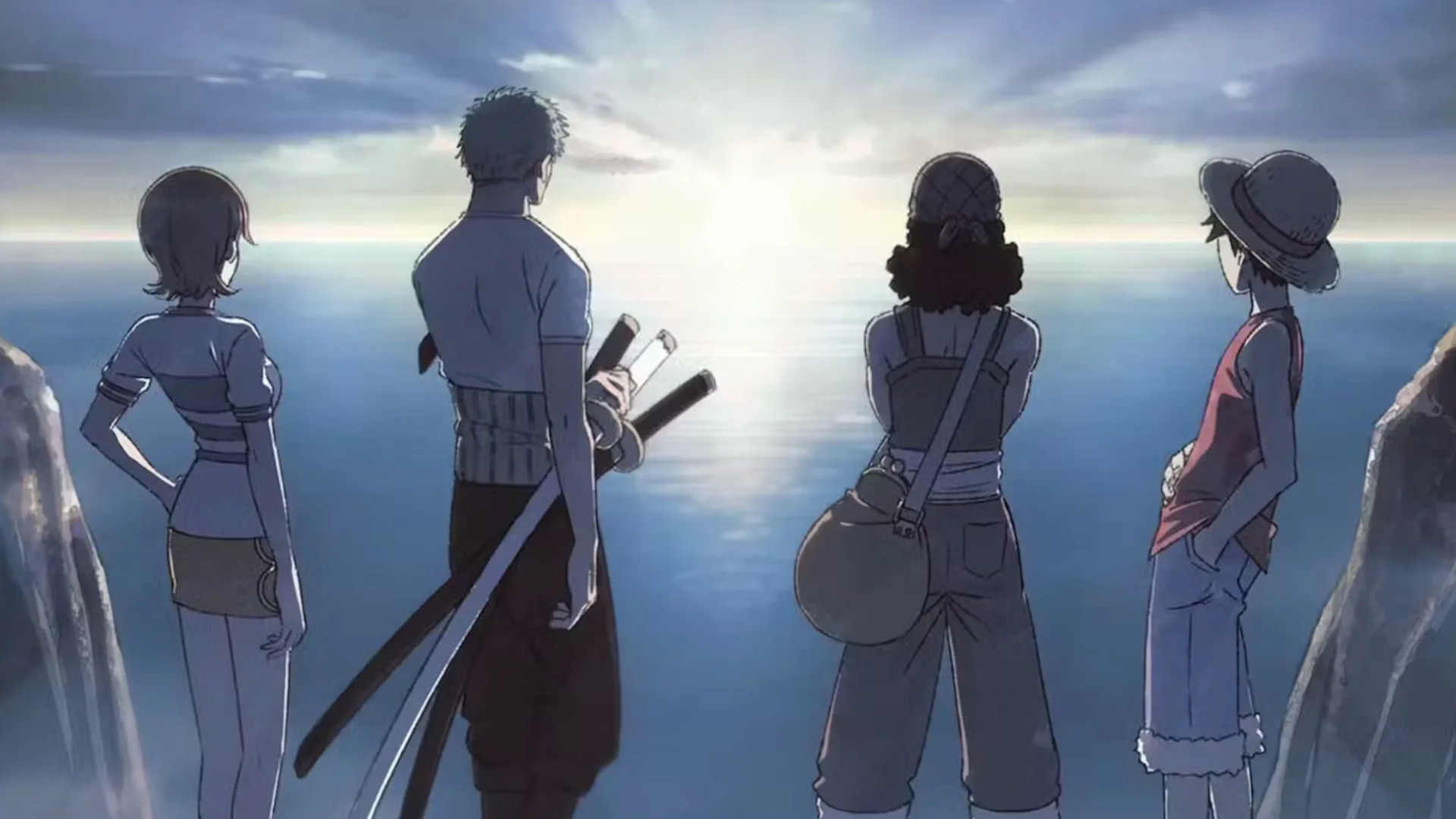
- Romance Dawn Arc (Chapters 1–7): The foundational start where a young Monkey D. Luffy sets out to sea, consumes the Gomu Gomu no Mi (Devil Fruit), receives his iconic straw hat from Shanks, and eventually crosses paths with the master swordsman Roronoa Zoro.
- Orange Town Arc (Chapters 8–21): The introduction of the cunning navigator Nami, showcasing the crew’s early dynamics as they face off against quirky yet dangerous local threats like Buggy the Clown.
- Syrup Village Arc (Chapters 22–41): The arrival in a sleepy coastal village where the crew recruits the inventive, tall-tale-telling sniper, Usopp, and acquires their first proper pirate ship, the Going Merry.
- Baratie Arc (Chapters 42–68): Set at a floating sea-restaurant, this arc introduces Sanji, the chain-smoking, chivalrous cook with dreams of finding the All Blue.
While the Baratie Arc officially runs until Chapter 68 in the manga, stopping around Chapter 50 means Season 1 will draw to a close right as tensions peak and the transition toward the infamous Arlong Park Arc begins. Chapter 50 lays the groundwork for a major betrayal involving one of the Straw Hat crew members and the ruthless fish-man pirate Arlong.
Consequently, the final episode of Season 1 is expected to deliver a massive cliffhanger. This approach ensures viewers are left hungry for a potential Season 2, which will need to resolve the Baratie climax before diving fully into the emotional trials of Arlong Park.
Supporting Data & Production Context
To truly understand why The One Piece is happening now, one must look at the sheer weight of the franchise’s history.
- The Original Anime’s Longevity: Toei Animation’s adaptation debuted in October 1999. Maintaining a weekly release schedule for over two decades forced the production to adopt pacing tricks—such as recaps, stretched-out reaction shots, and non-canon filler arcs—to avoid overtaking Oda’s manga chapters.
- Runtime Adjustments: By shifting to a seasonal model with 40-minute episodes handled by WIT Studio, Netflix is aiming for a cinematic cadence. Seven episodes at 40 minutes each provide roughly the equivalent of twelve traditional anime episodes, but with a drastically elevated production budget and scheduling window that prevents animator burnout.
- A Multi-Platform Strategy: Netflix is currently operating a unique three-pronged approach to the IP: the ongoing classic anime (available in select regions), the live-action television adaptation (which has moved into production for subsequent seasons), and now, the upcoming high-end anime reboot. This strategy ensures that regardless of a fan’s preferred medium—live-action, traditional long-form anime, or modern seasonal animation—Netflix is the primary global hub for One Piece.
Official Responses and Creative Vision
The decision to completely reboot One Piece rather than simply remastering or remaking it shot-for-shot has been a major talking point within the industry. Addressing these creative choices, WIT Studio President and CEO George Wada offered deep insight into the studio’s philosophy in an interview with Mantan Web.
"The original manga has advanced much further than it had when the TV anime first began," Wada explained. "And today we have a much clearer understanding of later developments and of the characters themselves. From that modern perspective, we’re rebuilding it again from Episode 1… We are taking on a reboot, not a remake."
This perspective highlights a unique storytelling advantage. Because Eiichiro Oda’s manga has been running for over 25 years and is well into its final saga, modern creators understand the ultimate arcs, character arcs, and overarching mysteries of the universe in a way that Toei’s team simply could not in 1999. Foreshadowing, character motivations, and thematic motifs can be woven into the earliest episodes of The One Piece with pinpoint accuracy, rewarding both newcomers and veteran fans who spot subtle narrative breadcrumbs.
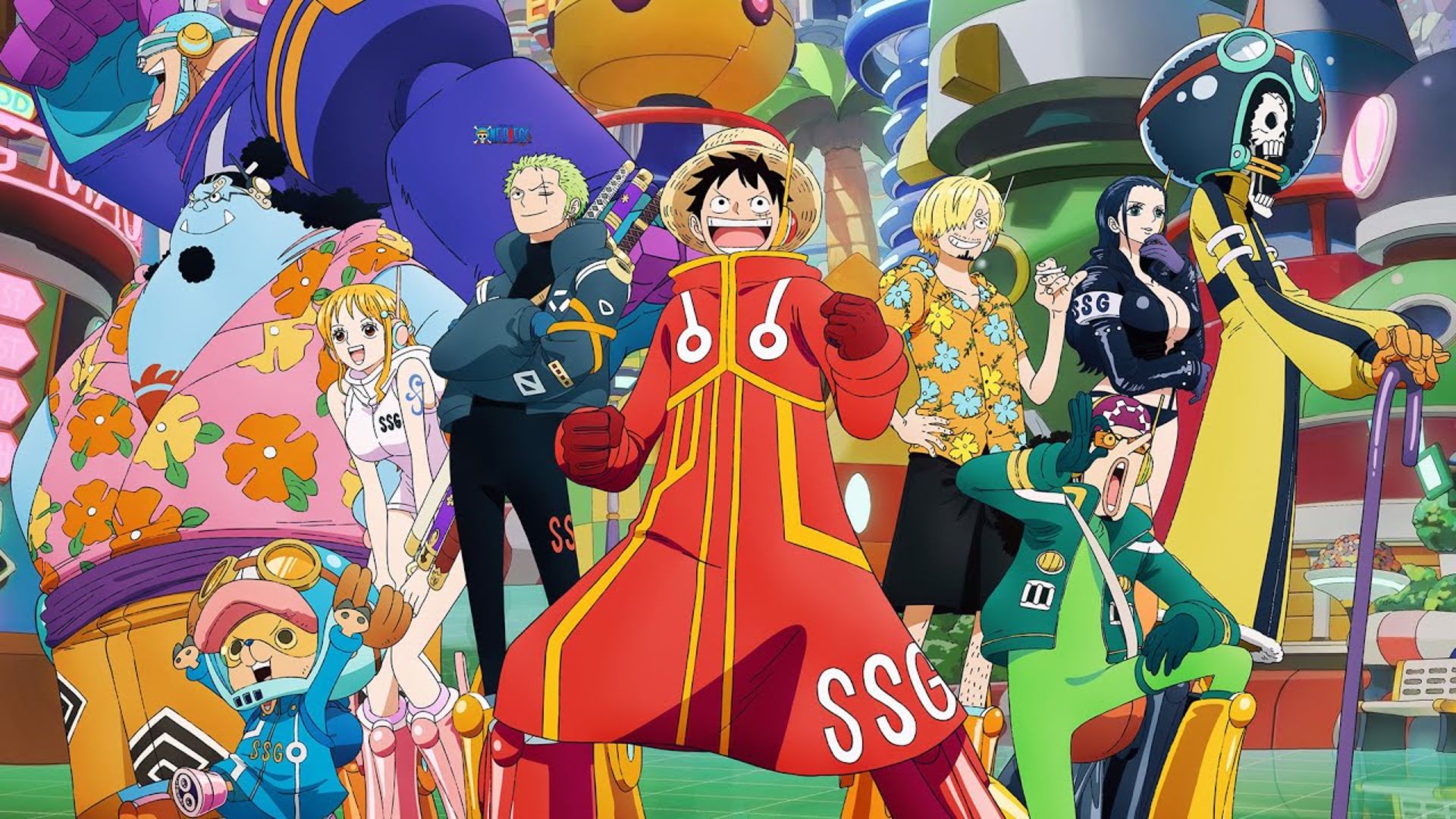
Implications for the Anime Industry and Fans
The launch of The One Piece in February 2027 carries significant implications for the broader anime ecosystem.
For starters, it serves as a massive test case for how long-running, legacy shonen franchises can be adapted for modern streaming audiences. Historically, anime giants like Dragon Ball, Naruto, and Bleach relied on decades-long weekly commitments. However, modern viewer habits increasingly favor seasonal models that emphasize visual fidelity, stable working conditions for animators, and concise, high-impact storytelling over sheer volume. If WIT Studio’s reboot proves successful, it could pave the way for similar prestige re-imaginings of other foundational manga classics.
For fans, the existence of this reboot removes one of the most significant barriers to entry in modern pop culture. For years, recommending One Piece came with a disclaimer about the daunting episode count. The One Piece offers a streamlined, gorgeously animated alternative that respects the audience’s time while honoring the genius of Eiichiro Oda’s original text.
Whether you are a seasoned veteran who has followed the Straw Hats through every Grand Line island or a curious newcomer wondering what all the fuss is about, February 2027 marks a historic date on the calendar. Grab your straw hats, prepare your Devil Fruits, and get ready to set sail for the East Blue all over again.

