

By Aimee Hart
Published October 6, 2026
Nearly half a century ago, a visionary writer and director permanently altered the landscape of modern cinema with the release of a low-budget space fantasy known simply as Star Wars. That 1977 masterpiece did more than redefine cinematic science fiction and family entertainment; it gave birth to a sprawling cultural mythology and a global fandom that remain as intensely vibrant today as they were decades ago.
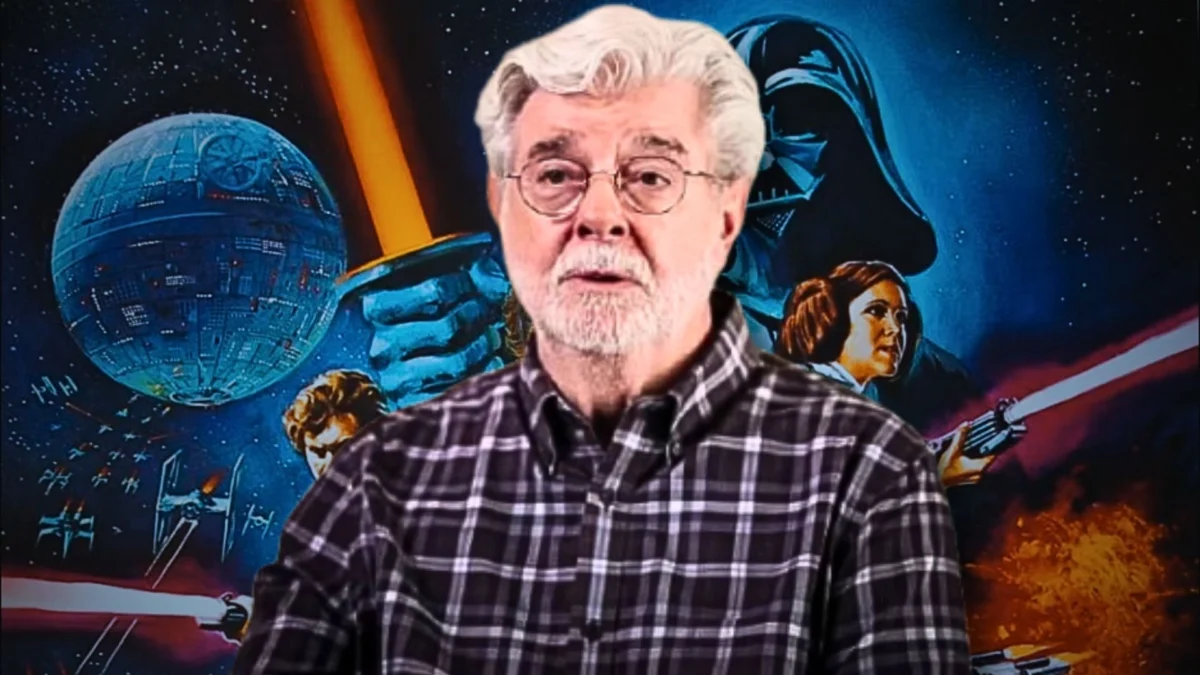
Even though George Lucas relinquished the keys to his empire by selling Lucasfilm to The Walt Disney Company in 2012, his creative DNA remains inextricably bound to the franchise. Over the decades, Lucas has provided fans, developers, and historians with deep insights into his creative process, offering a window into the lore, philosophy, and practical realities of building a galaxy far, far away.
Examining his most candid, profound, and sometimes humorous public statements reveals how Lucas viewed his own creation—and how those reflections continue to shape the ongoing debate over the soul of Star Wars.
1. "Darth Icky"
The Humorous Realities of Video Game Development
In 2008, LucasArts released Star Wars: The Force Unleashed, an ambitious action-adventure title following Starkiller, the secret apprentice of Darth Vader. Voiced and motion-captured by Sam Witwer—who would later cement his legacy in the franchise as the voice of Maul in various animated projects—Starkiller became an iconic figure of the mid-2000s Expanded Universe.
During the game’s development, the team would periodically consult with Lucas to ensure narrative cohesion. One particular interaction, however, achieved legendary status among the studio’s staff.
"The team threw a Hail Mary to George, saying the game would have more credibility if the apprentice had a ‘Darth’ title," a Force Unleashed developer revealed in a retrospective interview with GameInformer.
Lucas readily agreed, subsequently pitching two names that immediately entered franchise folklore: "Darth Icky" and "Darth Insanius." While the development team wisely steered clear of the former, the anecdote serves as a permanent reminder that Lucas never took himself too seriously, balancing grand myth-making with a dry, self-aware sense of humor.

2. "The movies are for children, but they don’t want to admit that."
Confronting Fan Expectations and Nostalgia
Lucas has rarely hidden his frustration regarding the vitriolic backlash directed at his prequel trilogy, particularly the intense hostility aimed at The Phantom Menace and its breakout comedic character, Jar Jar Binks.
During a 1999 interview with BBC’s Newsnight, Lucas addressed critics who demanded a more grim, adult-oriented narrative style. He pointed out that this adversarial relationship with the fanbase was hardly a new phenomenon unique to the prequels.
"The movies are for children, but they don’t want to admit that," Lucas explained. "In the first film, they absolutely hated R2 and C-3PO. In the second film they didn’t like Yoda, and in the third one they hated the Ewoks… and now Jar Jar is getting accused of the same thing."
This candid philosophy underscores a foundational truth of the franchise: despite growing alongside generations of aging viewers, Star Wars was fundamentally designed as modern folklore meant to instruct and delight younger audiences.

3. "I don’t know anything about that world. That’s a different world than my world."
Navigating the Canon and the Expanded Universe
When Disney acquired Lucasfilm, one of its earliest and most controversial administrative decisions was to decanonize decades of novels, comic books, and video games, reclassifying them under the banner of "Legends." Unsurprisingly, devotees of the Expanded Universe were devastated to see their favorite narratives pushed aside.
Yet, Lucas himself had never treated that expanded library as gospel. In a 2005 interview with Starlog Magazine, Lucas addressed the vast ocean of tie-in literature with characteristic bluntness: "I don’t read that stuff. I haven’t read any of the novels. I don’t know anything about that world. That’s a different world than my world."
For Lucas, the boundary was clear: the true cinematic canon consisted exclusively of the stories and films he personally shepherded. Everything else was an authorized playground, but separate from his definitive vision.
4. "The selfish people live on the Dark side. The compassionate people live on the Light side."
Demystifying the Moral Architecture of the Force
Debates regarding the theological mechanics of the Light and Dark sides of the Force have consumed internet forums for decades. Yet, Lucas consistently maintained that the underlying moral framework of his universe is remarkably straightforward.
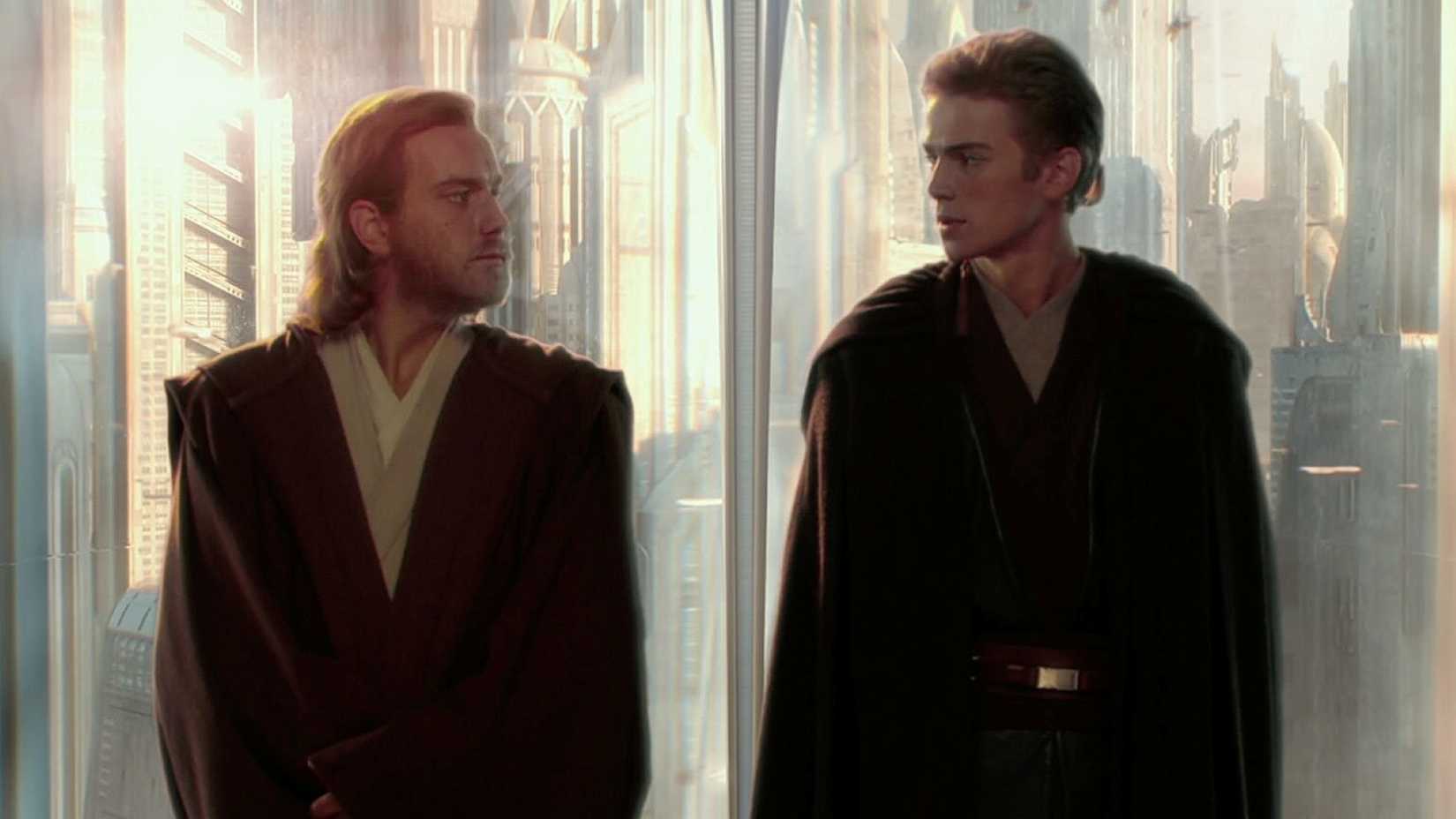
In archival featurettes exploring the philosophical underpinnings of his work, Lucas boiled the cosmic conflict down to basic human psychology. To embrace selfishness—prioritizing personal gratification and power at the direct expense of others—inevitably leads to spiritual isolation and misery. Conversely, the Light side is defined by radical compassion, selflessness, and the deliberate cultivation of community. It is a clean moral binary, yet one that accurately captures the universal choices facing humanity.
5. "People have a tendency to confuse it — everybody has the Force."
Clarifying the Universal Nature of Galactic Energy
One of the most contentious fandom debates in recent years flared up during the inaugural season of the live-action Disney+ series Ahsoka, when the Mandalorian warrior Sabine Wren began training under the former Jedi Knight Ahsoka Tano. Because earlier animated series like Star Wars Rebels established that Sabine possessed a relatively low baseline aptitude for the Force, critics argued her training defied established lore.
However, Lucas’s own statements suggest otherwise. During an oral history project surrounding the release of The Phantom Menace, Lucas clarified that the Force is not an exclusive club reserved for an elite genetic caste.
"Everybody has the Force," Lucas noted. While specific training is required to consciously manipulate it—distinguishing ordinary beings from trained Jedi or Sith—the metaphysical energy field literally surrounds and penetrates every living creature in the galaxy.
6. "It’s like poetry, it rhymes."
The Structural Symmetry of the Saga
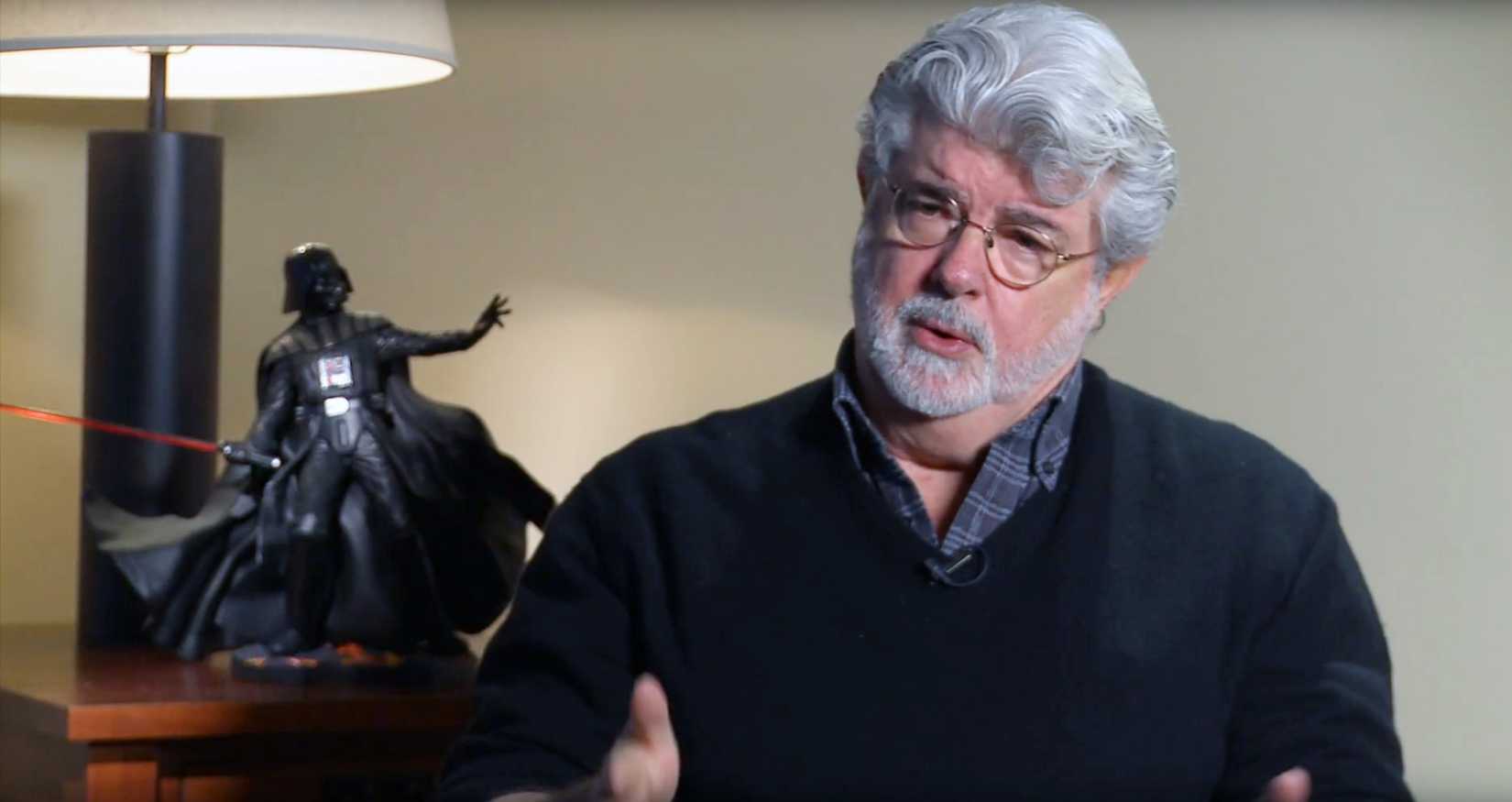
In a widely circulated behind-the-scenes featurette chronicling the production of Revenge of the Sith, Lucas offered a concise summary of his narrative strategy: "It’s like poetry, it rhymes."
This philosophy governed the design of the prequel trilogy, which charted the tragic institutional downfall of the Galactic Republic alongside the personal descent of Anakin Skywalker. Every narrative beat, political maneuver, and emotional pivot was intentionally constructed to mirror—or invert—the structural milestones of the original trilogy.
Whether audiences initially embraced the prequels or dismissed them, this deliberate echoing created a cohesive, cyclical tragedy that elevated the narrative weight of Darth Vader’s eventual redemption.
7. "Power corrupts."
The Timeless Political Warnings of Star Wars
While Star Wars is ostensibly an epic space fantasy filled with laser swords and mystical energy fields, its political subtext has always been grounded in real-world history. In a 2005 interview with Wired, Lucas reflected on why stories of galactic empires and fallen heroes continue to resonate across generations.
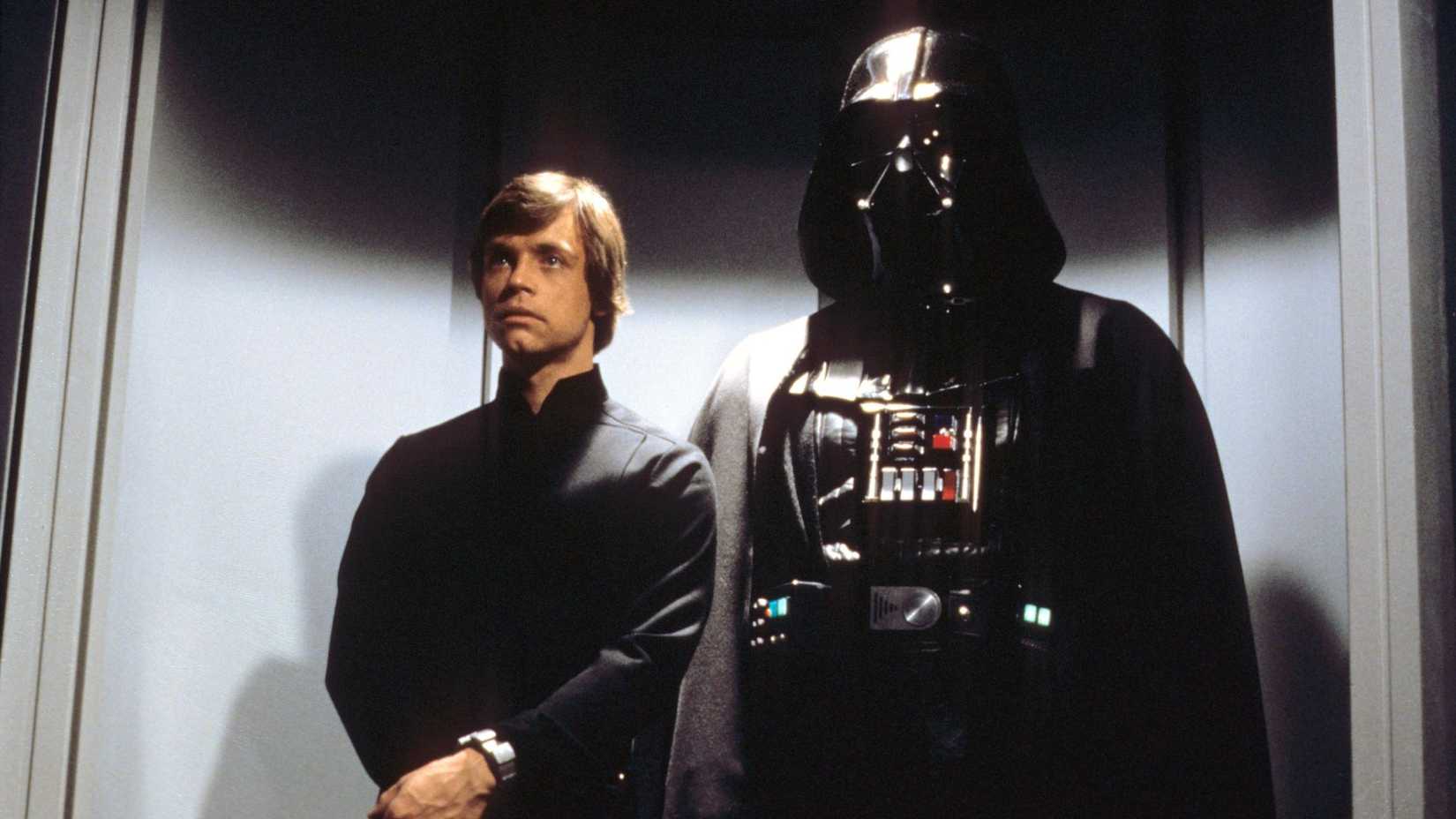
"Every few hundred years, the story is retold because we have a tendency to do the same things over and over again," Lucas observed. "Power corrupts, and when you’re in charge, you start doing things that you think are right, but they’re actually not."
This thematic through-line explains Anakin Skywalker’s tragic fall—driven initially by a desperate desire to protect his loved ones, morphing into a quest for absolute control. It remains a timeless warning that echoes through every era of the franchise, from high-concept space operas to gritty espionage thrillers like Andor.
8. "Jedi Knights aren’t celibate."
Correcting Misconceptions About Jedi Philosophy
For a generation of fans raised on the prequel trilogy, the rigid dogmas of the Jedi Order appeared clear-cut: emotional detachment meant avoiding physical intimacy entirely.
However, Lucas clarified the nuance of Jedi doctrine during a 2002 interview with the BBC. The issue was never sexual abstinence; rather, it was the dangerous trap of possessive attachment.
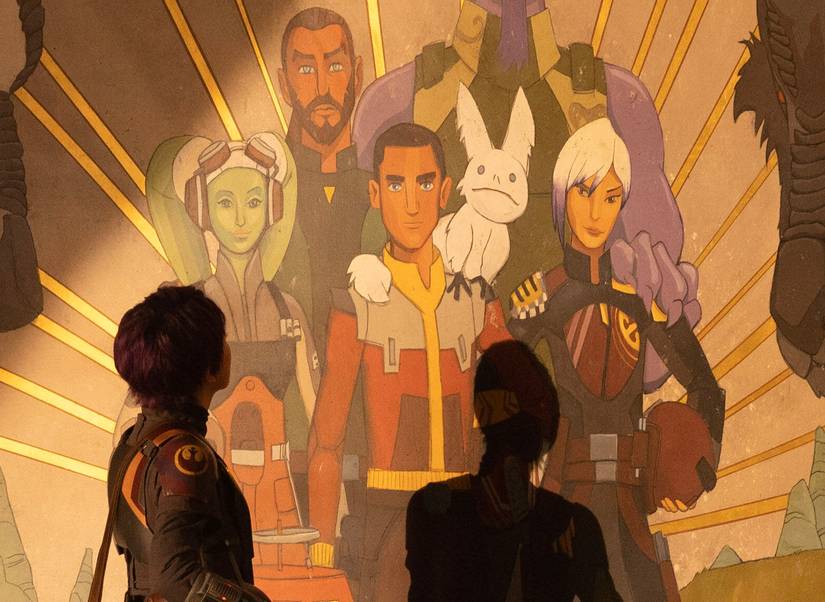
"The thing that is forbidden is attachments and possessive relationships," Lucas explained. A Jedi is encouraged to love openly and compassionately, but the moment that love transforms into an obsessive fear of loss—as seen in Anakin’s tragic path—it opens the door wide to the Dark side.
9. "It was the Empire during the Vietnam War."
Confronting the Overt Political Subtext of the Rebellion
In an era where vocal segments of the internet occasionally decry modern entries for introducing "political messages," it is worth remembering that Star Wars was explicitly political from its inception.
During a 2018 interview for James Cameron’s AMC docuseries The Story of Science Fiction, Lucas discussed the real-world historical inspirations behind the original trilogy. He confirmed that the Galactic Empire was intentionally modeled after the United States military apparatus during the Vietnam War, with the heroic Rebel Alliance serving as an analog for guerrilla resistance fighters like the Viet Cong.
When Cameron suggested that modern America had "become" the Empire, Lucas offered a sharp historical correction: America was the Empire during the Vietnam conflict. By spotlighting the arrogance of industrial superpowers attempting to dominate indigenous populations, Lucas embedded a biting anti-imperialist critique into the very foundation of pop culture.

10. "There’s nothing new."
The Ultimate Critique of the Sequel Trilogy
Perhaps the most revealing quote regarding the modern corporate era of Star Wars emerged from an entirely unexpected source: the 2019 memoir published by former Disney CEO Bob Iger.
In his book, Iger detailed a private screening of 2016’s The Force Awakens attended by George Lucas. According to Iger, Lucas expressed profound disappointment with the direction of the film, bluntly remarking, "There’s nothing new."
Lucas elaborated that every single installment of his original trilogy had aggressively pushed boundaries by introducing entirely unprecedented worlds, innovative visual effects, fresh character archetypes, and distinct storytelling styles. In his view, the continuation relied too heavily on nostalgic replication rather than genuine artistic risk-taking.
Implications and Legacy
As the Star Wars franchise looks toward its future—with new theatrical projects in development that continue to revisit classic eras—George Lucas’s words serve as both a nostalgic anchor and an ongoing challenge.
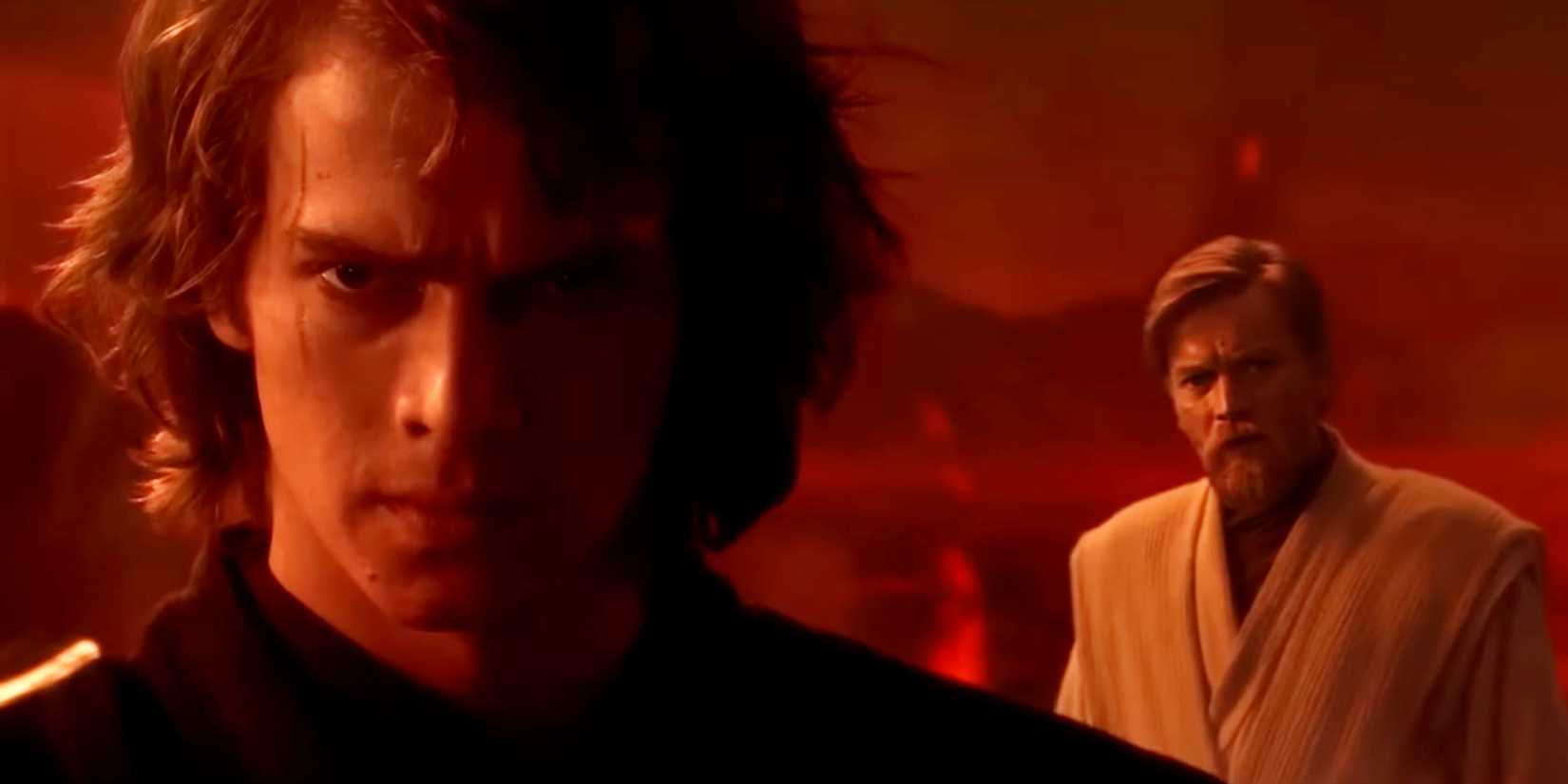
Whether reflecting on the simple moral clarity of compassion, the cyclical nature of political corruption, or the vital necessity of creative innovation, Lucas crafted a mythos far more complex than simple Saturday-morning entertainment. Nearly fifty years later, as fans and creators debate the direction of the galaxy far, far away, listening to the architect himself remains the best way to understand what Star Wars was always meant to be.

