

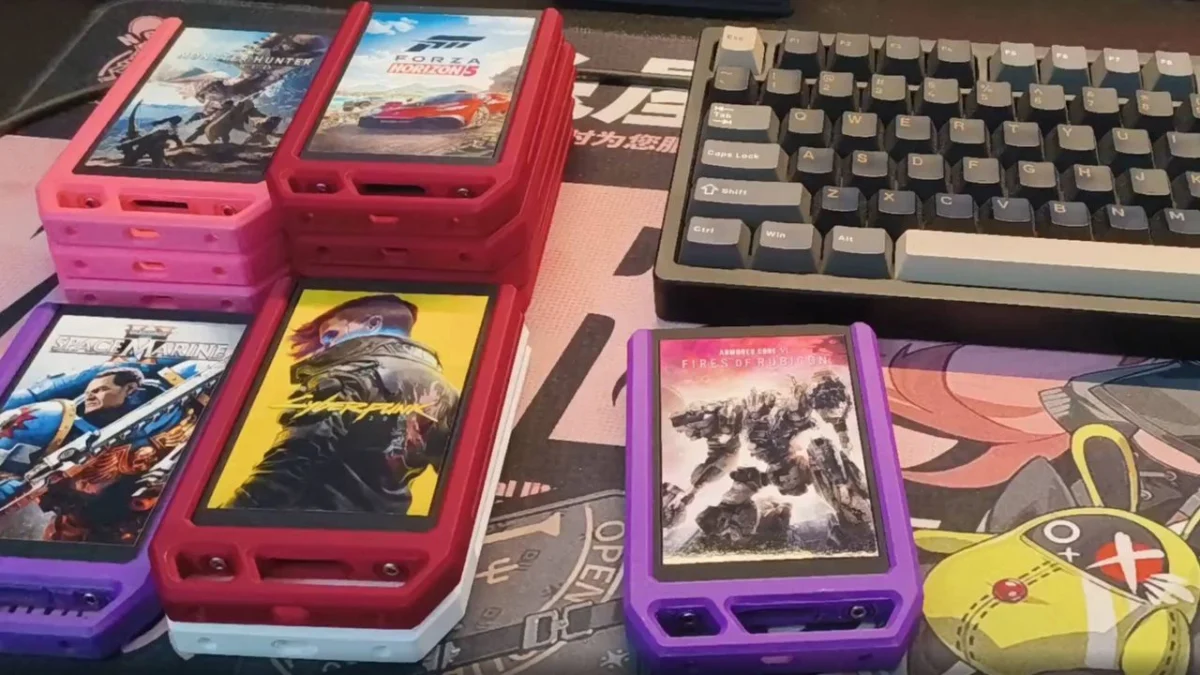
In an era defined by high-speed cloud synchronization, subscription services, and the slow, inexorable evaporation of physical media, one PC enthusiast has dared to look backward. Reddit user Jibril-sama recently unveiled a DIY project that transforms the abstract, ephemeral nature of a Steam library into a tactile experience. By repurposing second-hand 2.5-inch solid-state drives (SSDs) as "game cartridges," this project has reignited a fierce debate regarding digital ownership, hardware accessibility, and the fading romance of the physical collection.
The Genesis of the "Steam Cartridge" System
The project began not as a grand critique of the industry, but as a clever solution to a problem of organization and nostalgia. Jibril-sama, an active member of the r/pcmasterrace community, managed to acquire a bulk supply of 128GB SSDs for the remarkably low price of €7 ($8) per unit. Recognizing the tactile void left by the transition to all-digital PC gaming, the user set out to create a hardware-based "launcher" system.
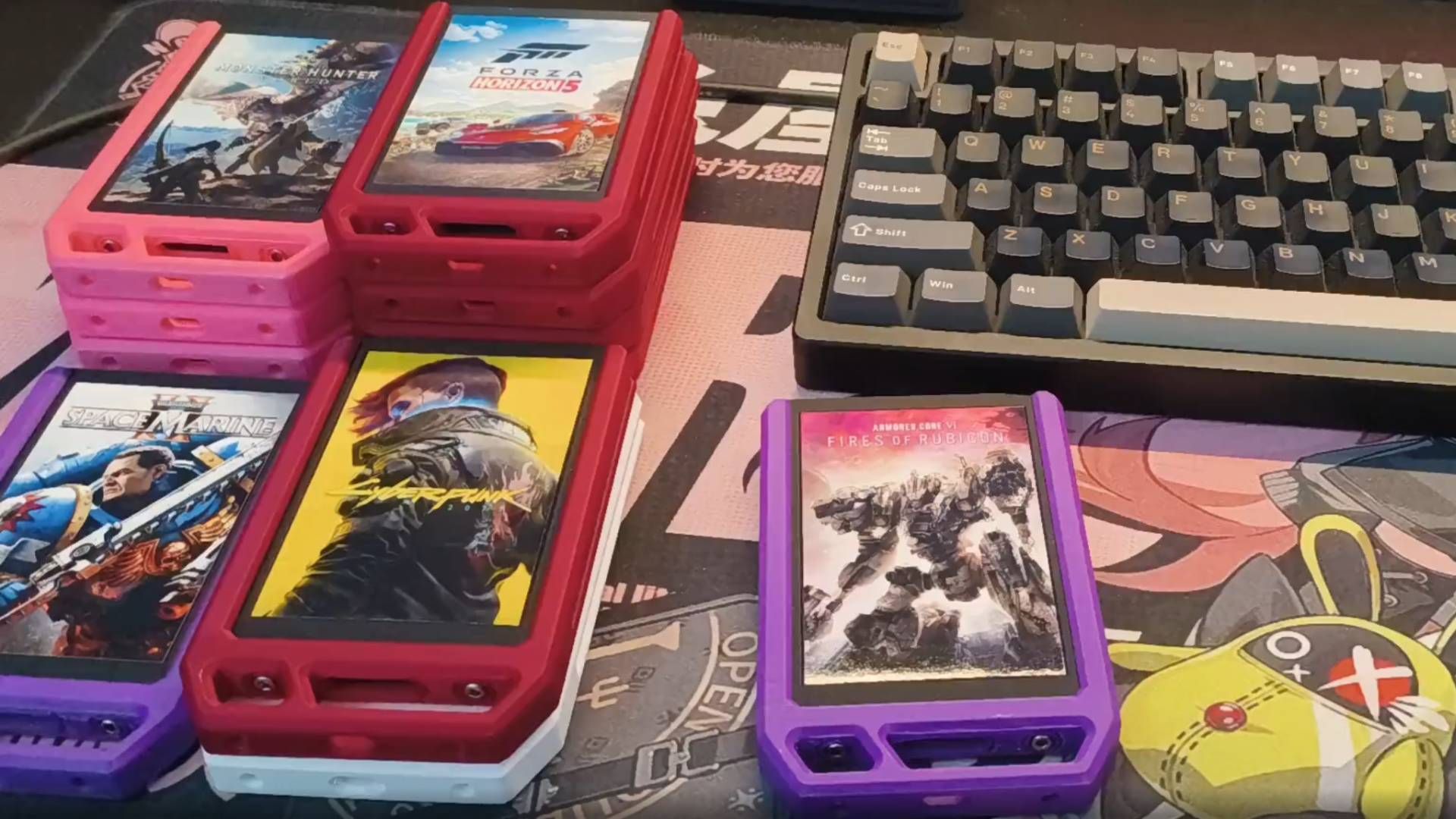
The "cartridges" are essentially individual SSDs encased in custom-designed, 3D-printed or modified housings, each adorned with the cover art of a specific Steam title. When inserted into a dedicated drive dock connected to the user’s PC, the system triggers a custom script. This script utilizes Valve’s proprietary Steam browser protocol to automatically navigate the Steam client to the specific game’s library page. In more advanced iterations of the setup, the system is configured to launch the game instantly upon the drive’s insertion, mimicking the "plug-and-play" simplicity of a Super Nintendo or Game Boy cartridge.
Chronology of a DIY Phenomenon
The project’s journey from a personal hobby to a viral sensation can be mapped through the following stages:
- The Procurement Phase: Following the discovery of a bulk supply of refurbished SSDs—likely salvaged from enterprise environments or decommissioned office workstations—the developer acquired enough units to begin a multi-game library project.
- The Design Phase: Utilizing adhesive labels and custom-built shells, the developer standardized the size and aesthetic of the cartridges to ensure they could fit into a uniform dock.
- The Software Integration: The most critical technical hurdle involved mapping physical hardware events to software commands. By utilizing the Steam browser protocol, the creator bypassed the standard mouse-and-keyboard navigation, turning a hardware dock into a physical shortcut for the Steam API.
- Community Exposure: Upon posting images and technical details to Reddit, the project garnered immediate attention, highlighting a dormant desire among PC gamers for the tangible weight and presence of their digital assets.
The Economics of Memory: A Barrier to Entry
While the concept is undeniably charming, the project faces a harsh reality: the current state of the global memory market. As global supply chains continue to struggle with fluctuating demand and manufacturing bottlenecks, the cost of flash memory—the backbone of both SSDs and SD cards—has become increasingly volatile.
Recent industry reports indicate that NAND flash prices are expected to rise as much as 50% in the coming quarters. This economic reality creates a paradox for the "Steam Cartridge" movement. The original creator benefited from a "lucky break" in the secondary market, securing drives at a fraction of their retail value. For the average consumer today, purchasing enough SSDs to build a significant library would cost more than the games themselves. When factoring in the price of the SSDs, the drive docks, and the materials for the custom shells, the project remains a high-end novelty rather than a scalable alternative to digital distribution.
The Broader Implications: Ownership vs. Access
The fascination with Jibril-sama’s project is symptomatic of a growing anxiety within the gaming community: the erosion of true ownership. As platforms move toward "license-only" models, the gap between what a user pays for and what they actually control has widened.
The situation is particularly acute in the console space. Sony’s recent announcement that it will cease the production of physical game discs by 2028 has sent shockwaves through the industry. This shift is not merely about convenience; it is about control. By eliminating the physical disc, corporations gain near-total authority over the ecosystem—effectively ending the secondary market, preventing the resale of games, and allowing the platform holder to dictate pricing and even server-side access to purchased content.
In response, advocacy groups like the Dutch organization Stichting Massaschade & Consument have launched legal challenges against major publishers. Lucia Melcherts, the chair of the group, has been vocal about the implications: "No discs means no second-hand market and no alternative to the [storefront]. Sony alone decides what a game costs and even how long you are allowed to use it."
DRM and the Myth of Digital Permanence
The "Steam Cartridge" project serves as a poignant reminder that while PC gaming remains a bastion of choice, it is not immune to the pressures of Digital Rights Management (DRM). While Steam offers a vast catalog of titles that can be played offline or without the client, many modern games are tethered to proprietary launchers, constant server check-ins, and cloud-based authentication.
If a game requires an online handshake to launch, the "physical" cartridge becomes nothing more than a plastic shell containing a link to a remote server. This reality forces a difficult question upon the community: How much of our library actually belongs to us?
For the PC gamer, the answer is increasingly murky. While we may own the files on our hard drives, the ability to execute those files is often a privilege granted by the platform owner—a privilege that can be revoked, updated, or shuttered at any time.
Why We Still Crave the Physical
Despite the clear efficiency of digital storefronts, the psychological need for physical media persists. There is a visceral satisfaction in holding a piece of hardware that represents a specific game. It provides a sense of curation, permanence, and historical grounding that an icon on a desktop simply cannot match.
Furthermore, physical media acts as a safeguard against "digital gentrification," where games are delisted, modified, or rendered unplayable due to licensing disputes or corporate pivots. For the collector, the physical cartridge is the only true guarantee that a piece of media will exist ten, twenty, or fifty years from now.
Conclusion: The Future of Curation
The project initiated by Jibril-sama may be impractical for the masses, but its impact is profound. It demonstrates that the desire for physical media is not just about nostalgia; it is about autonomy. As the industry pushes toward a subscription-based, disc-less future, these DIY experiments remind us that the "physical" is not just a format—it is a philosophy.
Whether or not the "Steam Cartridge" becomes a trend, it stands as a protest against the invisible nature of the modern library. It reminds us that at the end of the day, gamers want more than just access to content—they want to hold their world in their hands. As we march toward 2028 and the potential end of the physical disc era, the lessons learned from this small, 128GB SSD project may become the blueprint for how we preserve our history in a world that seems increasingly determined to erase it.

