

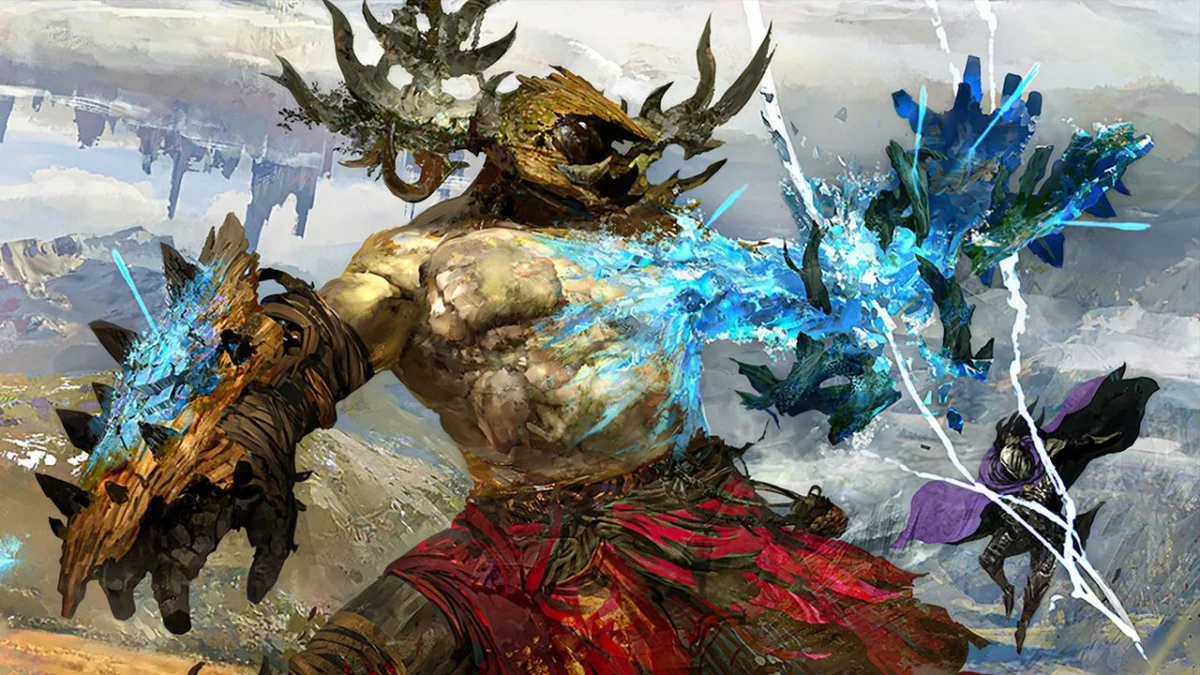
The Guild Wars franchise has always occupied a unique, somewhat liminal space in the landscape of online gaming. For decades, players have debated the classification of these titles, caught between the rigid structures of traditional massively multiplayer online role-playing games (MMORPGs) and the intimate, instanced experiences of cooperative action RPGs. With the official confirmation that Guild Wars 3 is in development, the community’s collective gaze has turned toward ArenaNet, seeking a definitive answer to the most pressing question: What exactly is this game?
In a recent, highly anticipated blog post, ArenaNet studio head Colin Johanson provided a window into the studio’s philosophy. While he avoided concrete gameplay reveals, he offered a conceptual roadmap that places Guild Wars 3 in a fascinating, if somewhat ambiguous, middle ground.
A Legacy of Genre-Bending
To understand the weight of the announcement for Guild Wars 3, one must first appreciate the idiosyncratic history of its predecessors. The original Guild Wars (2005) arrived during a golden age of MMOs, yet it defied the industry standard. It was, at its core, a "cooperative online RPG." While players socialized in shared town hubs, the actual adventuring occurred in private, instanced zones. It lacked the persistent, open-world combat of its contemporaries, yet it offered a level of tactical depth and character customization that became legendary.
Then came Guild Wars 2 (2012), a title that leaned heavily into the "MMO" label. It featured a seamless, dynamic open world, massive public events, and a persistent social environment that redefined how players interacted with virtual geography. It was a true-blue MMO, designed to toy with the genre’s conventions—such as removing the traditional "holy trinity" of tank/healer/DPS and introducing fluid, action-oriented combat.
The dichotomy between these two games is precisely why the community is currently in a state of fevered speculation. The series has proven that "Guild Wars" does not signify a single gameplay loop, but rather a commitment to innovation within the online space.
The Taxonomy of Tyria: Where Does GW3 Land?
According to Johanson, Guild Wars 3 is intentionally designed to occupy a "middle ground" on the MMO spectrum.
"While it fits the definition of an MMORPG significantly more than Guild Wars Reforged [the original game] does," Johanson explained in his post, "it doesn’t try to replicate the large-scale gameplay pillars that so uniquely define Guild Wars 2."
This statement is pivotal. By explicitly stating that Guild Wars 3 will not simply iterate on the successful formulas of the past, ArenaNet is signaling a departure. The goal is not to replace Guild Wars 2 or to act as a successor to the original. Instead, the studio intends for all three games to coexist as distinct experiences, each telling different stories across the sprawling, rich history of the world of Tyria.
The Speculation Engine: What Fans Are Thinking
The vacuum of information regarding specific gameplay mechanics has turned social media platforms, particularly Reddit, into a hotbed of intense debate. Without a firm "it’s an MMO" or "it’s an ARPG" label, the community has fractured into several schools of thought:
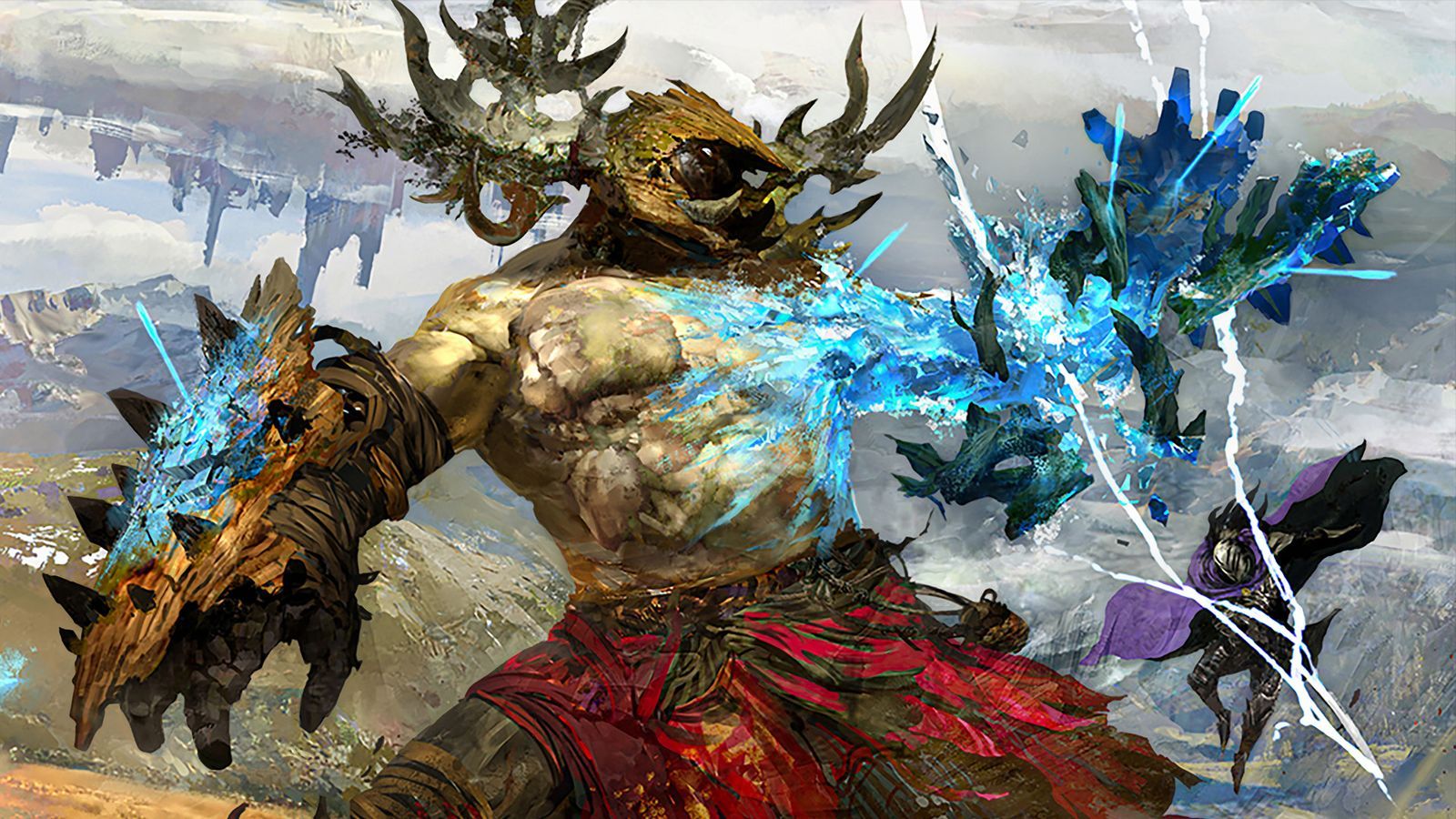
- The "New World" Comparison: A vocal contingent of the player base believes ArenaNet is moving toward a more modern, sandbox-style experience, similar to the survival-adjacent MMOs that have populated the market in recent years.
- The Purist Perspective: Others are hoping for a spiritual successor to the original Guild Wars, arguing that the industry is oversaturated with persistent-world MMOs and that there is a niche for a lobby-based, highly competitive, and mission-focused RPG.
- The Single-Player Pivot: A surprising number of fans are speculating that, given the current fatigue with "live service" models, ArenaNet might shift toward a single-player or small-group co-op focus, with persistent online elements merely serving as a backdrop.
This range of speculation highlights a fundamental truth about the franchise: its fans are not looking for a "better" version of what they already have; they are looking for the next evolution of a design philosophy that consistently challenges their expectations.
The State of the MMO Market in 2026
The timing of this announcement is particularly poignant. As noted by PC Gamer’s Harvey Randall, loving MMOs in 2026 has become an exercise in "frustration, grief, and moving on." The genre is currently experiencing a period of contraction. Major titles are struggling to maintain engagement, and the "live service" model is under immense scrutiny as players push back against the endless grind and the ephemeral nature of digital economies.
Against this backdrop, the arrival of a new entry from a studio as established as ArenaNet feels like a lifeline. Whether Guild Wars 3 is a traditional MMO or something entirely new, the industry is watching. If ArenaNet can successfully navigate the middle ground—providing the social connectivity of an MMO without the soul-crushing repetitiveness that has plagued the genre—they may well set a new standard for the next decade of online gaming.
Official Responses and Studio Philosophy
ArenaNet’s communication strategy, led by Johanson, has been one of radical transparency regarding their intent, even if they remain tight-lipped on execution. The studio’s emphasis on "coexistence" is a rare stance in an industry that usually demands a "sequel" to replace its predecessor.
By framing Guild Wars 3 as a lateral move rather than a vertical upgrade, the studio is effectively mitigating the risk of player migration. They aren’t asking the Guild Wars 2 community to abandon their progress; they are asking them to participate in a different kind of Tyrian adventure. This philosophy, while daring, requires a delicate balance of resource allocation to ensure that all three titles remain supported and relevant.
Implications for the Future of Online Gaming
What are the broader implications of this development? For one, it suggests that the "MMO" label is becoming increasingly obsolete as a marketing term. Modern players care less about the "massively multiplayer" count and more about the quality of the interaction, the depth of the narrative, and the agency they have over their character’s journey.
If Guild Wars 3 succeeds in its goal to land in the "middle of the spectrum," it could spark a paradigm shift. We may see a rise in "Hybrid Online RPGs" that utilize the technology and infrastructure of an MMO to support smaller, more curated, and more impactful narrative experiences.
Conclusion: The Long Road Ahead
As we look toward the future, the only certainty is that Guild Wars 3 will be a subject of intense scrutiny. ArenaNet has set a high bar for themselves by acknowledging the vagueness of their current position. They are aware that the community is impatient, yet they seem committed to the long-term health of the Tyria franchise rather than rushing to satisfy the immediate demand for a feature list.
For now, we know it is an online RPG. We know it occupies a unique space in the history of the series. And, perhaps most importantly, we know it is coming. In an era where the MMO genre feels like it is constantly on the verge of fading away, the mere existence of a project like Guild Wars 3 serves as a reminder of the genre’s enduring power. The world of Tyria, it seems, still has plenty of stories left to tell—and for the fans who have been there since the beginning, that is the best news of all.

