

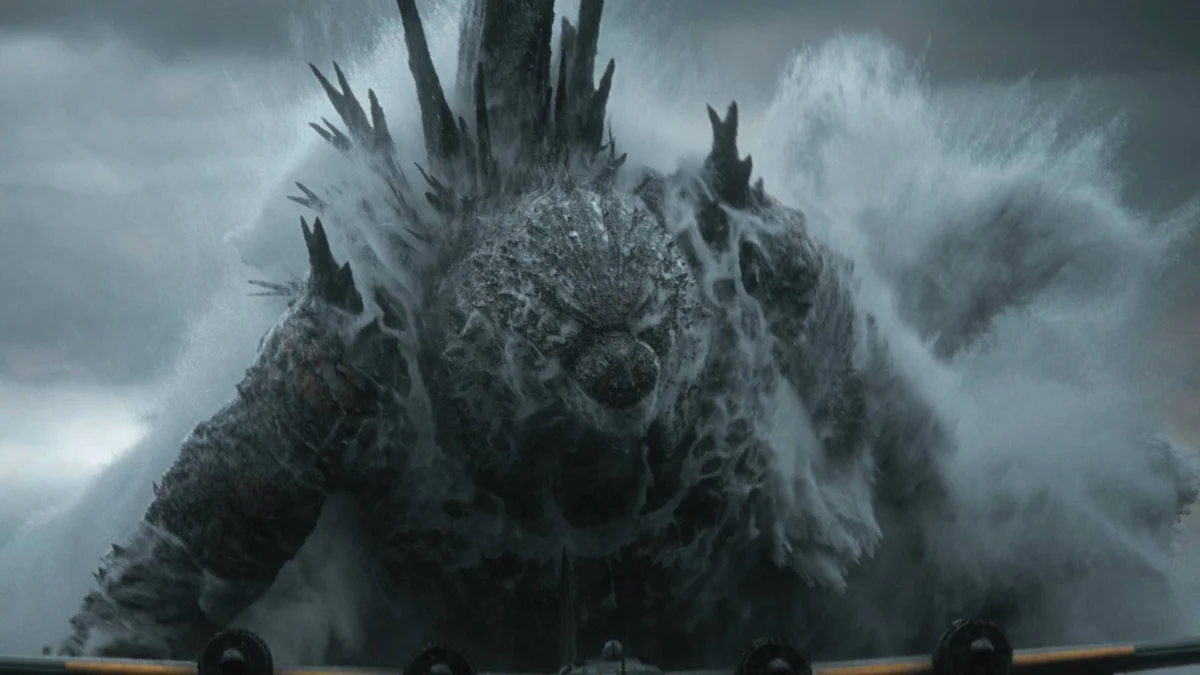
Three years after Godzilla Minus One redefined what a giant monster movie could achieve—capturing the hearts of global audiences and securing a historic Academy Award for Best Visual Effects—writer and director Takashi Yamazaki has returned. His ambitious follow-up, Godzilla Minus Zero, expands the scope, deepens the human trauma, and introduces a terrifying new adversary to post-war Tokyo.
Far from a standard popcorn blockbuster, Yamazaki’s latest cinematic endeavor eschews hollow spectacle in favor of devastating emotional weight. Trading simple monster-movie tropes for a hard-hitting examination of survival, duty, and lingering post-war guilt, Godzilla Minus Zero stands comfortably not only as one of the definitive entries in the decades-long franchise but also as one of the finest films of the year.
Main Facts: What You Need to Know About Godzilla Minus Zero
- Release Date: November 3 (Japan); November 6 (United States and United Kingdom)
- Format: Exclusive theatrical release
- Director & Writer: Takashi Yamazaki
- Runtime: 135 minutes
- Distributor/Copyright: TOHO CO., LTD.
- Key Cast Members: Ryunosuke Kamiki (Kōichi Shikishima), Minami Hamabe (Noriko), Sae Nagatani (Akiko), Hidetaka Yoshioka (Kenji Noda), Masami Nagasawa (Makoto Aoyama), Min Tanaka (Kanji Murakami), Kuranosuke Sasaki (Seiji Akitsu), and Yuki Yamada (Shirō Mizushima).
- Core Distinction: It is the first-ever film in the iconic Godzilla franchise to receive an R-rating, a testament to its harrowing depiction of war and destruction.
Chronology of the Narrative: A New Menace in a Broken Tokyo
Set two years after the apocalyptic events of Godzilla Minus One, Godzilla Minus Zero finds the citizens of Tokyo attempting to piece their lives back together amidst the rubble of a devastated nation. However, the fragile peace is violently shattered by the emergence of a new, biomechanically grotesque threat: Ghidorah.
Unlike Godzilla, who acts as a force of nature, Ghidorah presents a psychological and physical terror of an entirely different magnitude. Equipped with the terrifying ability to assimilate the DNA of other creatures, a searing lightning-breath attack, and the ability of sustained flight, the three-headed dragon pushes the Disaster Response Bureau to its absolute limit.
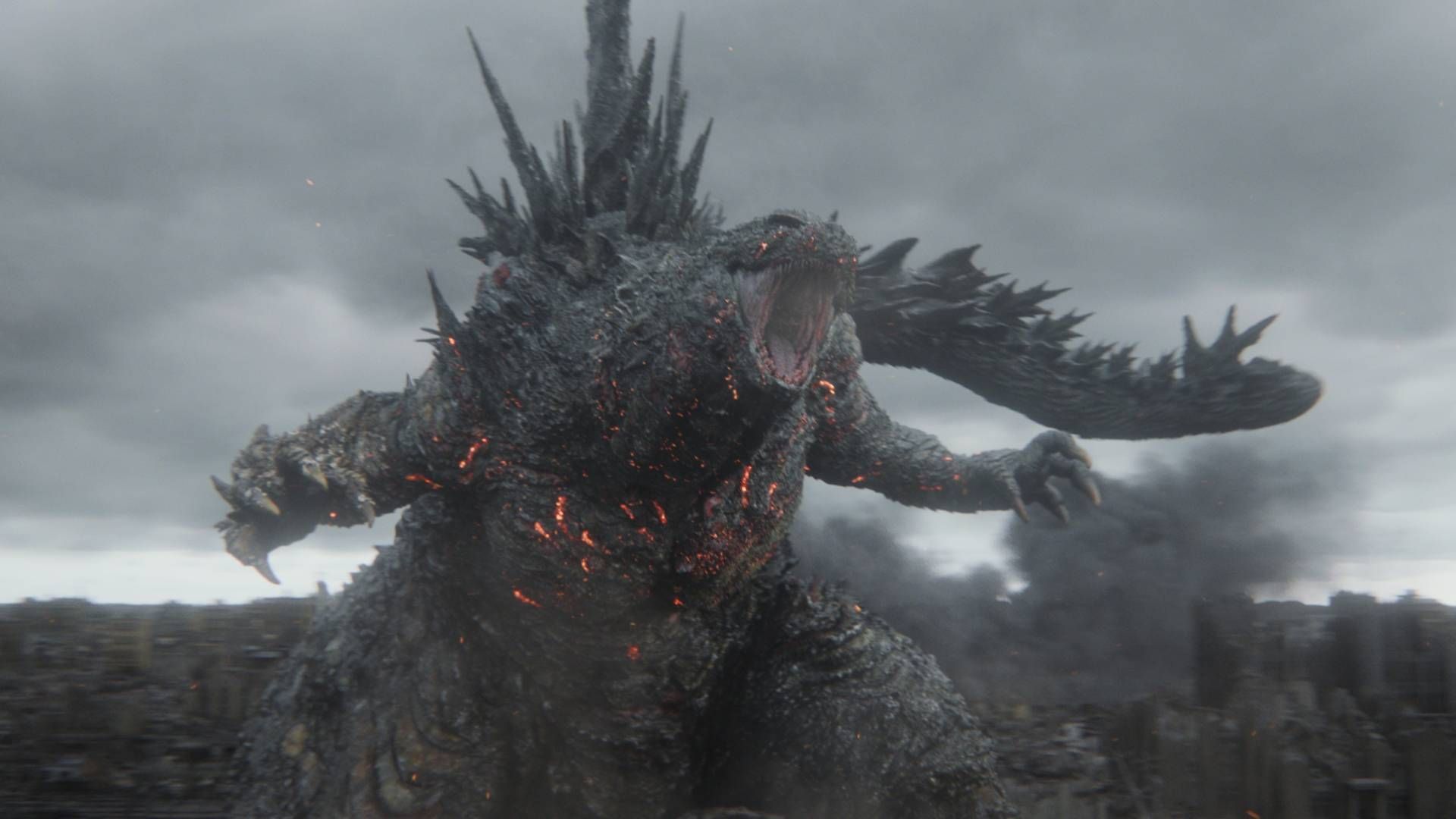
Act I: The Threat from the Skies
The first half of the film heavily pivots away from the titular radioactive behemoth. With Godzilla lying dormant following his defeat at the hands of Kōichi Shikishima (Ryunosuke Kamiki) at the end of Minus One, Ghidorah claims the spotlight.
The narrative introduces a fascinating meteorological and strategic defense initiative. A forecasting prodigy, Makoto Aoyama (Masami Nagasawa), joins forces with returning naval weapons engineer Kenji Noda (Hidetaka Yoshioka) to devise a scientific countermeasure against Ghidorah’s atmospheric devastation. Meanwhile, Kōichi is pulled back into the fray, though his primary allegiance remains firmly rooted in protecting his newfound family: his wife, Noriko, and their adopted daughter, Akiko.
Act II: The Return of the King
Though Ghidorah serves as a compelling, multi-faceted antagonist, the mid-film return of Godzilla shifts Minus Zero into an entirely higher gear. When Godzilla re-emerges, the stakes double instantly. The narrative tightens around the Shikishima family as the line between personal preservation and national duty blurs once more.
Kōichi finds himself trapped in a heartbreaking paradox. Having fought desperately in the first film just to secure a peaceful life for his loved ones, he realizes that true peace remains out of reach as long as monsters roam the earth.
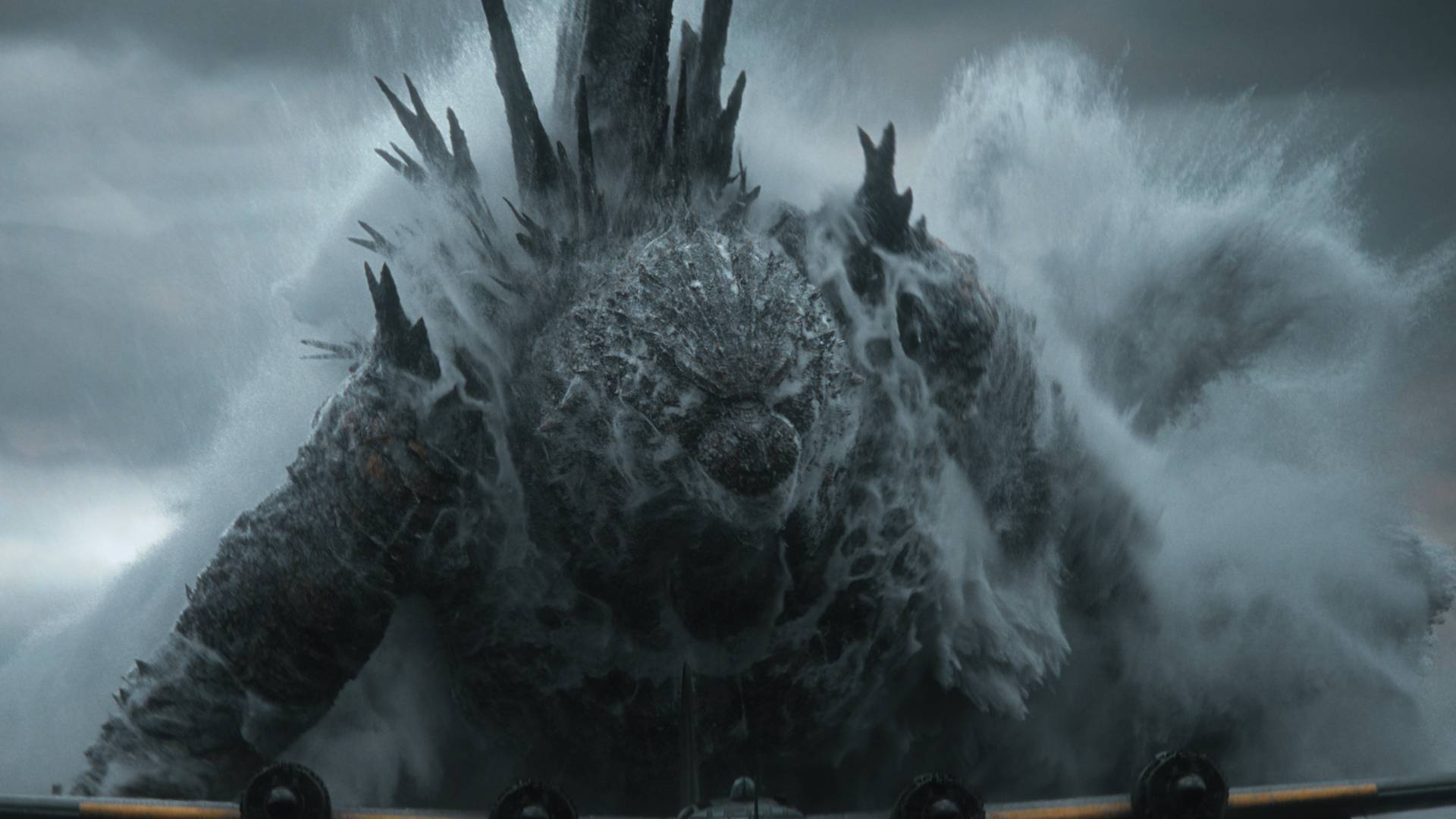
Act III: The Climax and Catharsis
The film builds toward a ground-shaking, visceral climax that showcases some of the most impressive visual effects ever captured on film. As Noda, newcomer biologist Kanji Murakami (Min Tanaka), and the rest of the defense squads execute their desperate plans against both Godzilla and Ghidorah, the human toll reaches an emotional and visual zenith.
Supporting Data and Production Insights
The decision to widen the scope of Godzilla Minus Zero—transitioning from a laser-focused character study to a multi-layered narrative involving a broader cast—has generated significant discussion among critics and fans alike.
- Narrative Trade-Offs: While the expansion allows for a deeper exploration of societal trauma, government bureaucratic failures, and scientific guilt (particularly through the poignant arcs of Noda and Murakami), it occasionally distances the audience from the intimate family dynamic that made Minus One so resonant. Furthermore, fan-favorite supporting characters from the first film, such as boat captain Seiji Akitsu (Kuranosuke Sasaki) and crewman Shirō Mizushima (Yuki Yamada), are relegated to brief cameo appearances.
- Visual Effects Mastery: Building on their Oscar-winning success, the visual effects team delivers work that feels entirely tangible. Without a hint of digital artifice, both Godzilla and Ghidorah interact with their physical environments in a way that puts contemporary Hollywood blockbusters to shame. Industry analysts heavily project a consecutive Academy Award nomination—and potential win—for Best Visual Effects.
- The R-Rating Milestone: For the first time in the franchise’s nearly 70-year history, a Godzilla film has secured an R-rating. This rating is earned through graphic, harrowing sequences set in makeshift field hospitals and obliterated city streets, emphasizing the brutalized, maimed bodies of victims. The film refuses to sanitize the horrific realities of both wartime destruction and kaiju attacks, giving the narrative an unyielding gravity.
Official Responses and Critical Reception
Early critical consensus places Godzilla Minus Zero at the pinnacle of modern monster cinema. Reviewers have universally praised Takashi Yamazaki’s ability to balance blockbuster-scale action with profound human tragedy.
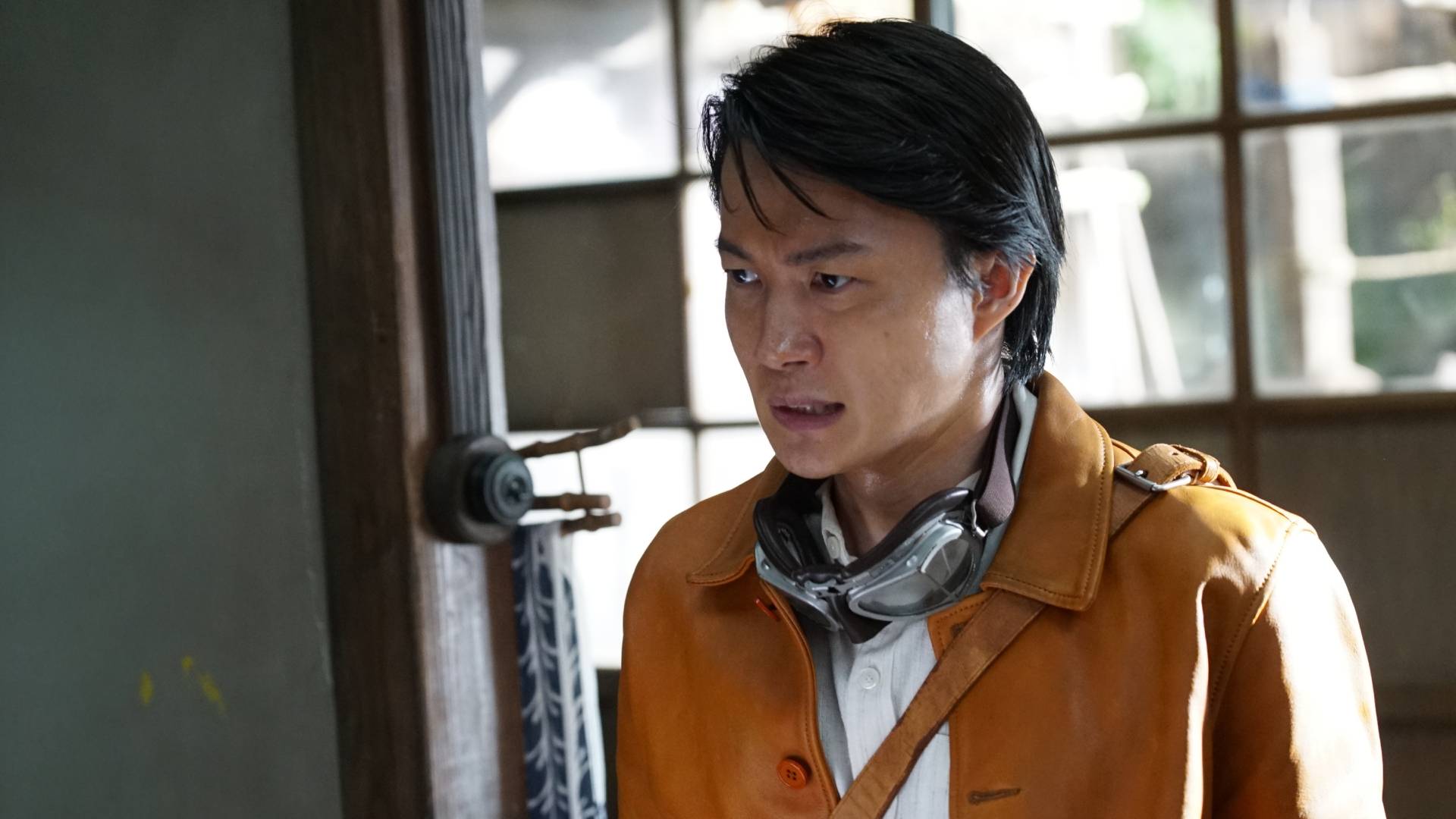
GamesRadar+ awarded the film a glowing verdict, praising its "devastating human drama and earth-shaking kaiju action." Critics have particularly lauded the performances of Ryunosuke Kamiki and young Sae Nagatani, whose depiction of innocent longing amidst chaos anchors the film’s emotional core.
TOHO has remained tight-lipped regarding future installments, but subtle narrative threads and tease-heavy sequences in the film’s final moments strongly suggest that Yamazaki may not be finished with the King of the Monsters just yet.
Implications for the Kaiju Genre
Godzilla Minus Zero cements a seismic shift in how major studios approach giant monster narratives. For years, Western iterations like Legendary’s MonsterVerse leaned heavily into "gonzo" spectacle, pop-corn entertainment, and high-octane creature brawls.
TOHO’s recent output proves that audiences hunger for something substantially more substantive. By tethering colossal, city-destroying battles to generational trauma, post-war grief, and moral accountability, Godzilla Minus Zero demonstrates that special effects are most effective when they serve a bleeding human heart.
As the film rolls out globally in theaters across the US and UK this November, it leaves behind a towering legacy. It challenges filmmakers to treat blockbusters not as mindless escapes, but as mirrors reflecting our deepest collective anxieties—proving once and for all that the true monsters we fear are often reflections of ourselves.

