

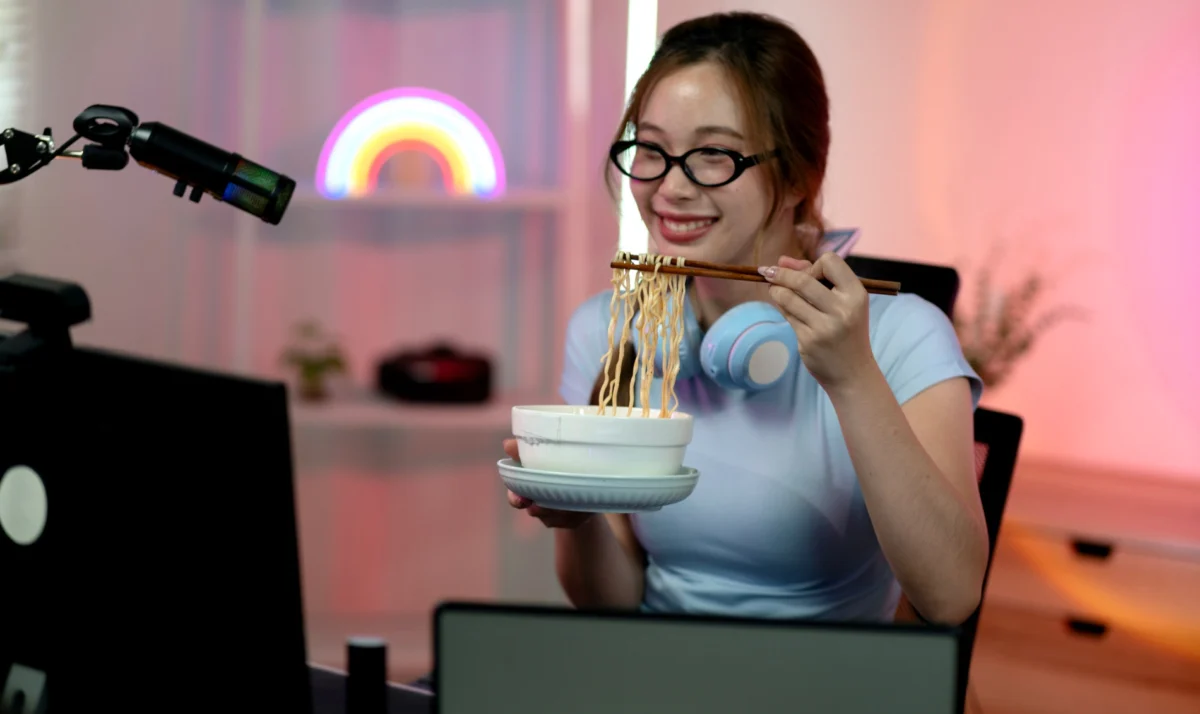
For over a decade, the "mukbang"—a portmanteau of the Korean words meokneun (eating) and bangsong (broadcast)—has stood as one of the internet’s most paradoxical cultural phenomena. What began as a niche livestreaming trend in South Korea, designed to alleviate the pangs of a nationwide loneliness epidemic, has morphed into a global multi-billion-view industry. However, as of 2026, the golden age of the "gargantuan feast" is rapidly coming to an end. Under mounting pressure from health advocates, parents, and increasingly stringent platform policies, the mukbang category is undergoing a radical, and perhaps existential, transformation.
The Origins: A Digital Cure for Loneliness
The mukbang phenomenon emerged in the mid-2000s, rooted in the specific social fabric of South Korea. In a society where rapid modernization had left many young people living in isolation, the act of "social eating" provided a psychological surrogate for communal dining. Viewers would tune in to watch creators consume massive portions of food, finding comfort in the rhythmic sounds of chewing and the presence of a digital companion.
By the early 2010s, the trend had transcended borders. Platforms like Twitch and YouTube saw an influx of Western creators adopting the format. What was once a subtle, conversational affair in Korea evolved into a spectacle of excess in the West, characterized by "ASMR" (Autonomous Sensory Meridian Response) triggers, high-calorie challenges, and, inevitably, the "binge-eating" aesthetic. By the time it secured its own dedicated category on streaming platforms, the mukbang had shifted from a cure for loneliness to a high-octane performance art of gluttony.
A Chronology of Controversy
The evolution of the mukbang industry has been marked by a series of high-profile controversies that have slowly eroded public trust.
- 2014–2018: The Rise of the Challenge. As competition for clicks intensified, creators began pushing the boundaries of what the human body could handle. This era saw the rise of the "challenge video," where creators attempted to consume thousands of calories in a single sitting, often with little regard for nutritional science.
- 2019: The Ethical Pivot. Public concern reached a fever pitch, drawing the ire of animal rights organizations. The backlash culminated in a landmark collaboration between YouTube star GloZell Green and PETA, which produced a "vegan mukbang" to protest the consumption of animal products in the genre.
- 2020–2022: The Specter of Health Crises. The most infamous case remains that of Nikocado Avocado, whose dramatic physical transformation over years of binge-eating videos became a focal point for critics. His trajectory served as a grim case study for the risks of content-driven disordered eating. During this period, reports of influencers suffering cardiac arrests—such as the tragic death of influencer Yingying at age 24—linked the genre directly to life-threatening health outcomes.
- 2023–2025: The Regulatory Crackdown. YouTube began a multi-year initiative to mitigate "imitable patterns" of disordered eating. This involved the algorithmic deranking of videos deemed harmful and the demonetization of channels that prioritized extreme bingeing.
- 2026: The Great Pivot. Major creators, including the renowned Korean star Tsuyang, have publicly announced a shift in strategy, signaling that the era of "eating for the camera" is being replaced by a demand for moderation and health-conscious content.
Supporting Data: The Digital Health Crisis
The impetus for these changes is rooted in hard data. The Center for Countering Digital Hate (CCDH) released a sobering report in July 2026, revealing that one out of every nine videos recommended to new, unprimed accounts on YouTube featured harmful tropes related to eating disorders.
The report highlights a disturbing "algorithmic feedback loop." When a user engages with one video featuring excessive food consumption, the recommendation engine often serves up progressively more extreme content. This behavior has drawn sharp criticism from health psychologists who argue that these videos normalize "binge-purge" cycles and other maladaptive eating habits among adolescent viewers.
Furthermore, the economic data suggests that the "binge-content" model is no longer sustainable. As advertisers face increased scrutiny regarding their brand safety, they are pulling support from channels that exhibit "high-risk" health behavior. This has led to a noticeable decline in ad revenue for creators who refuse to pivot away from extreme eating, effectively forcing a market-driven correction.
Official Responses and Platform Governance
YouTube’s stance on the issue has evolved from passive moderation to active intervention. A spokesperson for the platform noted that the goal is not to ban food content entirely, but to "curb the promotion of unhealthy eating behaviors that can be imitated by impressionable viewers."
The platform’s policy, which has been refined over the last three years, now flags content that features:
- Extreme caloric intake beyond standard dietary guidelines.
- Encouragement of rapid consumption as a competitive sport.
- Dietary advice provided by unqualified creators that contradicts medical consensus.
This policy has had immediate, real-world consequences. In September 2026, prominent Korean creators DietJo and Miso reported that their monetization capabilities were disabled. YouTube’s automated systems flagged their content for promoting "binge-eating habits." These creators have become the face of the new "content purgatory," where established stars must decide between losing their income or fundamentally changing the nature of their work.
The Implications: What Comes Next?
The demise of the "extreme mukbang" does not necessarily mean the end of the genre, but rather its evolution. We are currently witnessing a shift toward "Mindful Mukbangs" and "Healthy Consumption" content.
The Rise of Moderation
The quote from Tsuyang—"Apparently, eating a lot isn’t the trend these days; from now on, I’ll become a YouTuber who eats in moderation"—serves as a mission statement for the next generation of food creators. By focusing on culinary appreciation, ingredient sourcing, and the cultural context of a meal rather than the sheer volume of consumption, creators are finding that they can maintain their audience while mitigating the health risks.
Legal and Ethical Oversight
Looking forward, it is highly probable that the industry will face stricter legal oversight. Governments in South Korea and abroad are exploring regulations that would require creators to carry "health warnings" on videos that showcase excessive food consumption, similar to how tobacco or alcohol products are regulated.
The Creator’s Dilemma
For the mid-tier creator, the transition is the most difficult. Those who built their entire brand identity on the "binge-eating" aesthetic are finding that their audiences—trained by years of algorithms to crave extreme content—are slow to accept a "healthier" version of the creator. This leaves many in a state of professional limbo, struggling to pivot while maintaining their relevance in an unforgiving digital ecosystem.
Conclusion: A Necessary Evolution
The "mukbang" was a fascinating, albeit flawed, reflection of our digital times. It offered connection in an age of isolation but often at the cost of the creators’ health and the viewers’ well-being. The crackdown of 2026 is, in many ways, a long-overdue correction.
As the digital landscape matures, the definition of "entertainment" is shifting to account for the real-world impact of online behavior. While the era of gargantuan, health-defying feasts may be drawing to a close, the medium of the "eating broadcast" is likely to persist—transformed from a spectacle of excess into a more sustainable, perhaps even educational, form of digital companionship. The lesson of the mukbang is clear: in the race for engagement, the most sustainable content is that which respects the humanity of both the creator and the consumer.

