

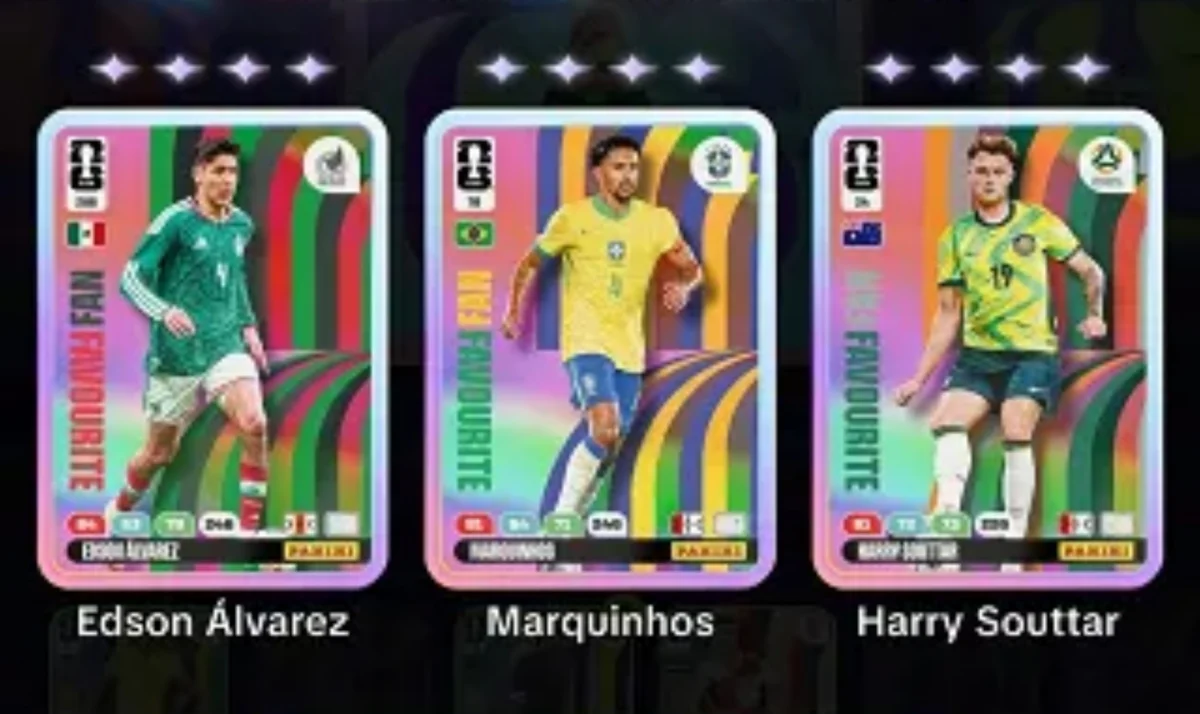
As the 2026 FIFA World Cup captures the global imagination, TikTok has moved to cement its status as the digital heartbeat of the tournament. In a strategic maneuver that bridges the gap between legacy analog hobbies and modern social media consumption, the platform has announced a high-profile partnership with the legendary trading card giant Panini. This collaboration introduces a gamified, digital-only trading card experience directly into the TikTok app, turning millions of casual viewers into active, competitive collectors.
By integrating the "Fan Experience Hub"—the central nervous system of TikTok’s tournament coverage—the platform is not merely broadcasting the World Cup; it is transforming it into an interactive ecosystem where engagement is rewarded with high-value digital assets.
The Mechanics of the Collection
The digital collection is as expansive as the tournament itself. With 48 nations competing in the 2026 World Cup, TikTok and Panini have curated a set of 144 unique digital cards. To ensure broad appeal, each of the 48 participating countries is represented by a triptych of cards:
- Country Emblem: Representing the national federation.
- Star Player: Featuring the current athletes defining the tournament.
- Icon Card: A tribute to a legendary figure from the nation’s footballing history.
The acquisition process is designed to drive deep-funnel engagement. Unlike traditional packs purchased at a kiosk, these cards are earned through "in-app activity." Users unlock cards by participating in the platform’s World Cup ecosystem—following official team accounts, engaging with tournament content, and commenting on specific posts. This gamification strategy is designed to keep users within the app for extended periods, creating a loop where community interaction directly contributes to the completion of one’s digital binder.
Furthermore, TikTok has implemented a peer-to-peer trading mechanism. If a user receives duplicates, they can trade them with other users, fostering a secondary social layer that mimics the playground trading culture of the 1990s, updated for a global, mobile-first audience.
A Chronology of the Digital Pivot
The road to this partnership was not an overnight development. TikTok’s journey into the live-shopping and creator-economy space has been a multi-year project marked by steady, calculated growth.
- Early 2025: TikTok intensifies its focus on live-commerce, acquiring infrastructure and talent to support the "Lyve" ecosystem. This period saw the platform transition from a purely entertainment-based app to a viable retail powerhouse.
- Late 2025: Data from industry reports, specifically those from the live-selling platform Whatnot, confirmed that trading cards had become the single largest category in the live-streaming auction space. This signal was the catalyst for the Panini partnership.
- May 2026: Ahead of the World Cup kick-off, TikTok announces its "Creator Correspondents" initiative. A cohort of influencers is deployed to capture the cultural zeitgeist of the tournament, setting the stage for a massive influx of user traffic.
- June 2026: The official launch of the Panini digital card experience occurs, timed precisely with the opening matches of the World Cup, ensuring maximum visibility during the peak of global soccer fever.
The Economic Implications: Why Trading Cards?
The decision to utilize digital collectibles is a strategic response to the massive growth of the "live-selling" economy. In 2025 alone, platforms like Whatnot generated $8 billion in gross merchandise value, with the trading card market serving as the backbone of that revenue.
TikTok’s leadership clearly identified a vacuum in its own monetization strategy. While digital gifting and influencer partnerships were successful, the platform lacked a "hook" that could drive consistent, repeat user visits over a month-long event like the World Cup. By leveraging the emotional attachment fans have to their national teams and players—specifically the high-value cards featuring global icons like Lionel Messi or Cristiano Ronaldo—TikTok is building a loyalty program disguised as a game.
This is a masterclass in behavioral economics. By making these assets "collectible," TikTok creates a sense of scarcity. Even though the cards are digital, the act of "chasing" a rare card creates a psychological incentive to watch more videos, participate in more challenges, and interact with more branded content.
Official Responses and Strategic Intent
The partnership represents a significant milestone for Panini, a company with 65 years of history in the physical card space. For them, this is a move to remain relevant to a younger demographic that consumes its media on screens rather than in printed albums.
"Panini has shaped soccer collecting culture for generations, and this partnership brings that tradition to a social platform for the first time," said Rollo Goldstaub, TikTok’s Global Head of Sport. "Together, we’re giving fans something they already love—collecting and supporting their teams—and making it feel native to TikTok by creating moments that deepen connection and drive fandom."
Crucially, both TikTok and Panini have been quick to manage expectations regarding the technology behind these cards. In a landscape often cluttered with skepticism regarding Web3 and blockchain, TikTok has explicitly clarified that these digital cards are not NFTs. They are not intended for cryptocurrency speculation or decentralized market trading. They are, rather, closed-loop digital assets housed within the TikTok infrastructure, designed specifically for social status and fan engagement. This "anti-crypto" stance is a strategic choice meant to broaden accessibility and avoid the volatility and public relations pitfalls often associated with blockchain-based digital goods.
The Cultural Impact on the World Cup
The 2026 World Cup is a unique event, hosted across North America, and TikTok is positioning itself as the "virtual stadium." By deploying Creator Correspondents to link soccer to national identity and worldwide culture, the platform is doing more than showing match highlights. It is documenting the sociology of the event.
The cards act as a catalyst for this. When a user collects a card, they are essentially claiming an identity. They are aligning themselves with a nation, a player, or a history. This creates "fan tribes" within the comment sections and video threads of the app. A user who possesses a rare, limited-edition "Icon Card" from their country gains social currency within the platform’s community.
Looking Ahead: The Future of Fandom
As the tournament progresses, the implications of this digital integration will become clearer. If the experiment succeeds, it will likely provide a blueprint for future major sporting events, including the Olympics, the Super Bowl, and major music festivals.
The TikTok-Panini partnership signals a shift in how we define "merchandise." In an increasingly digital world, the value of an item is no longer tied to its physical weight or scarcity in a factory, but to the social recognition it provides within a digital community. By successfully marrying the high-octane excitement of the World Cup with the addictive nature of digital collecting, TikTok is ensuring that it remains the primary destination for the next generation of sports fans.
For the user, the goal is simple: collect the set, trade for the rare ones, and display your fandom. For TikTok, the goal is equally simple: deepen the engagement, increase the time-spent-in-app, and continue the expansion of a digital economy that has already generated thousands of jobs. As the tournament continues to unfold, one thing is certain: the competition is no longer just happening on the grass pitches of North America—it is happening on the screens in our pockets, one digital card at a time.

