

For enthusiasts of portable PC gaming, the current landscape feels increasingly like a vanishing act. What began as a vibrant, accessible ecosystem—buoyed by the runaway success of devices like the Steam Deck—has rapidly shifted into a market defined by soaring costs, component shortages, and an existential crisis regarding the very definition of "value."
As hardware writer Andy Edser notes, while the desire for high-performance handhelds remains strong, the financial barrier to entry has ballooned to levels that threaten to alienate the average consumer. With the industry grappling with a persistent memory crisis and the relentless demands of AI-driven hardware, the handheld gaming PC is drifting away from being a convenient travel companion and toward becoming a luxury boutique item for the well-heeled.
Main Facts: The Skyrocketing Cost of Portability
The primary narrative driving the current handheld market is simple yet alarming: prices are climbing, and there is little indication that they will normalize anytime soon.
Consider the Lenovo Legion Go S SteamOS. Just a year ago, it was hailed as a benchmark for performance-to-price ratios, debuting at an MSRP of $830. Today, listings for the same device have seen a staggering surge, with prices reaching upwards of $1,332. The MSI Claw 8 AI+ tells a similar story; once praised for its high performance at a $900 price point, it has largely disappeared from shelves at that rate, often fetching over $1,200. Its upcoming Panther Lake-powered successor is slated to hit the market with an eye-watering $1,799 price tag.
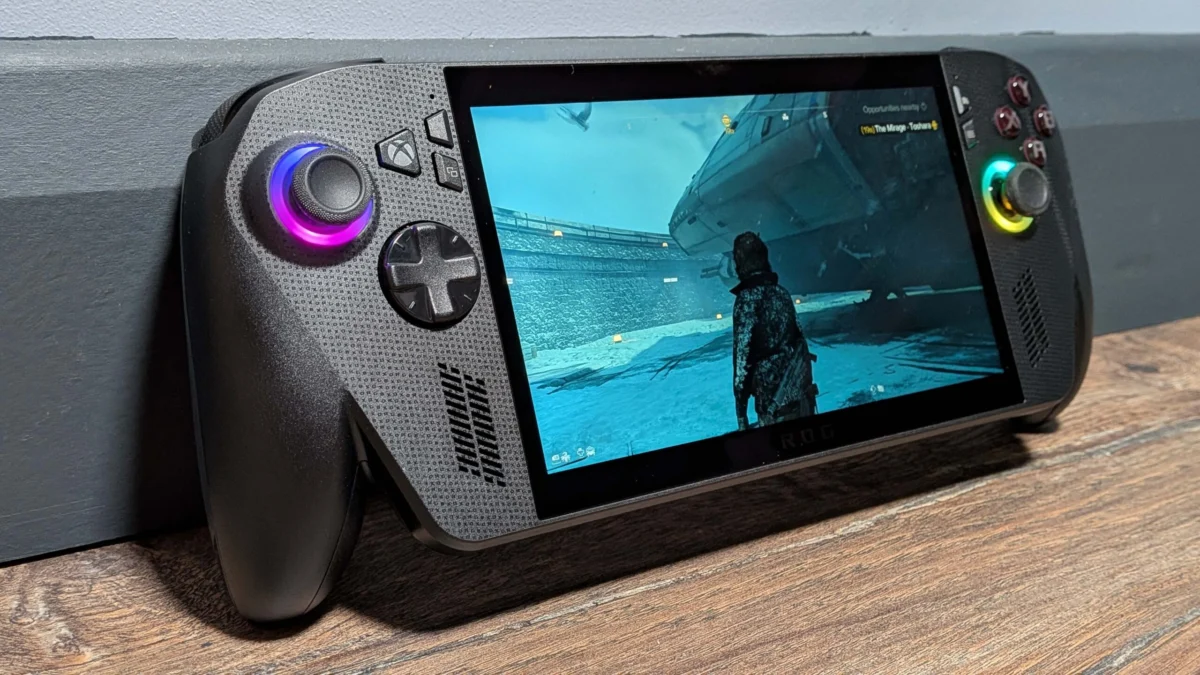
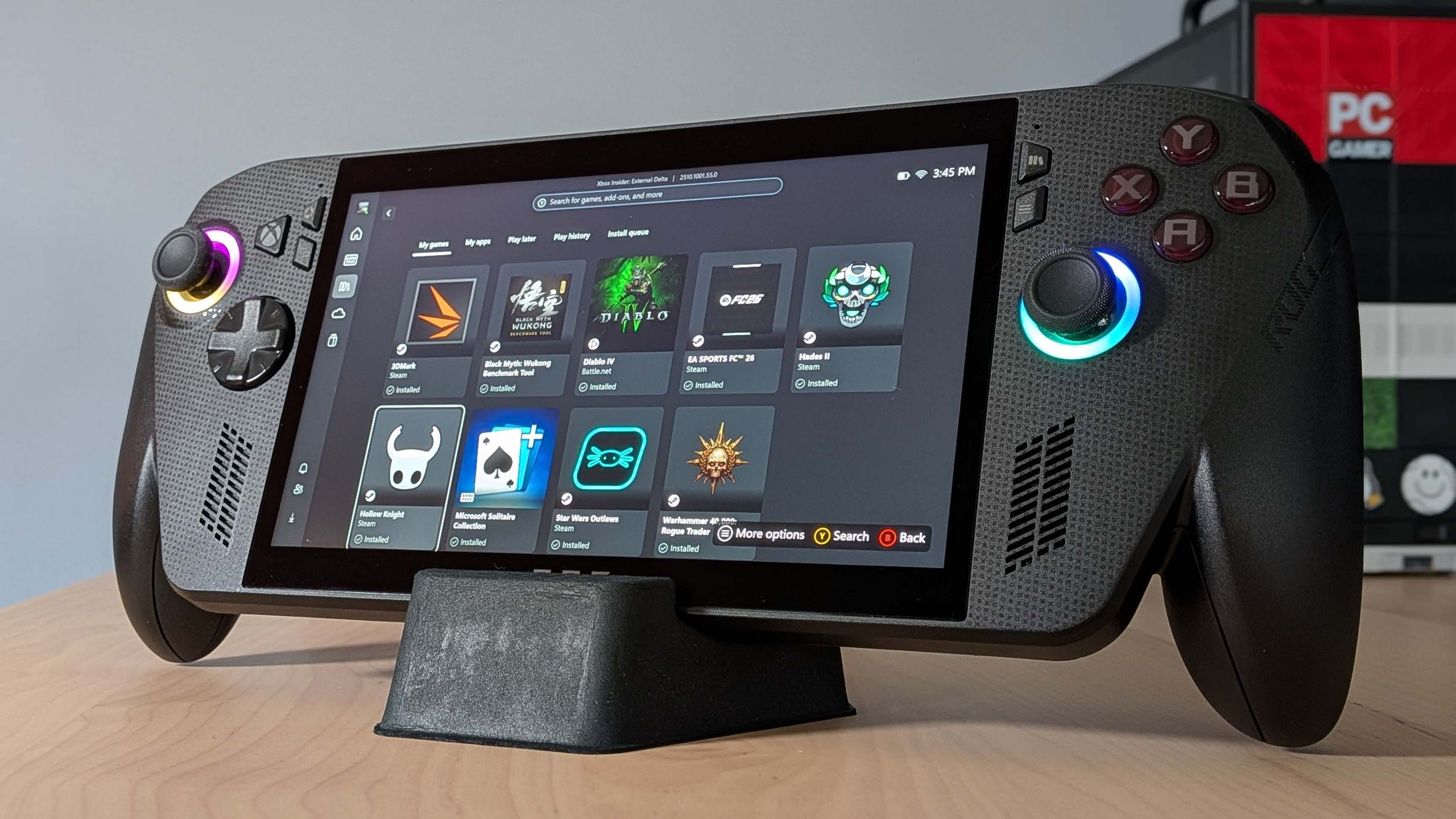
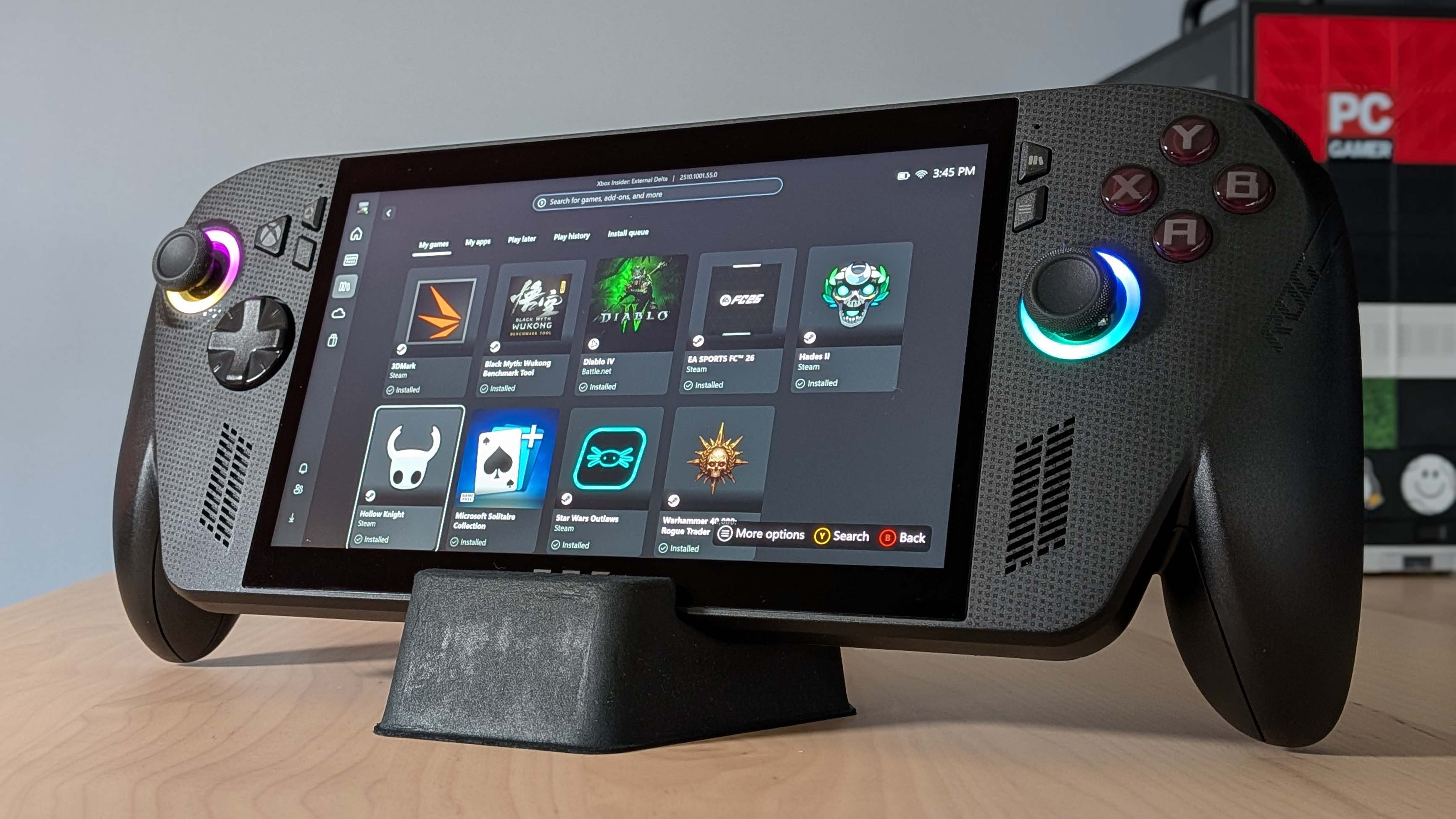
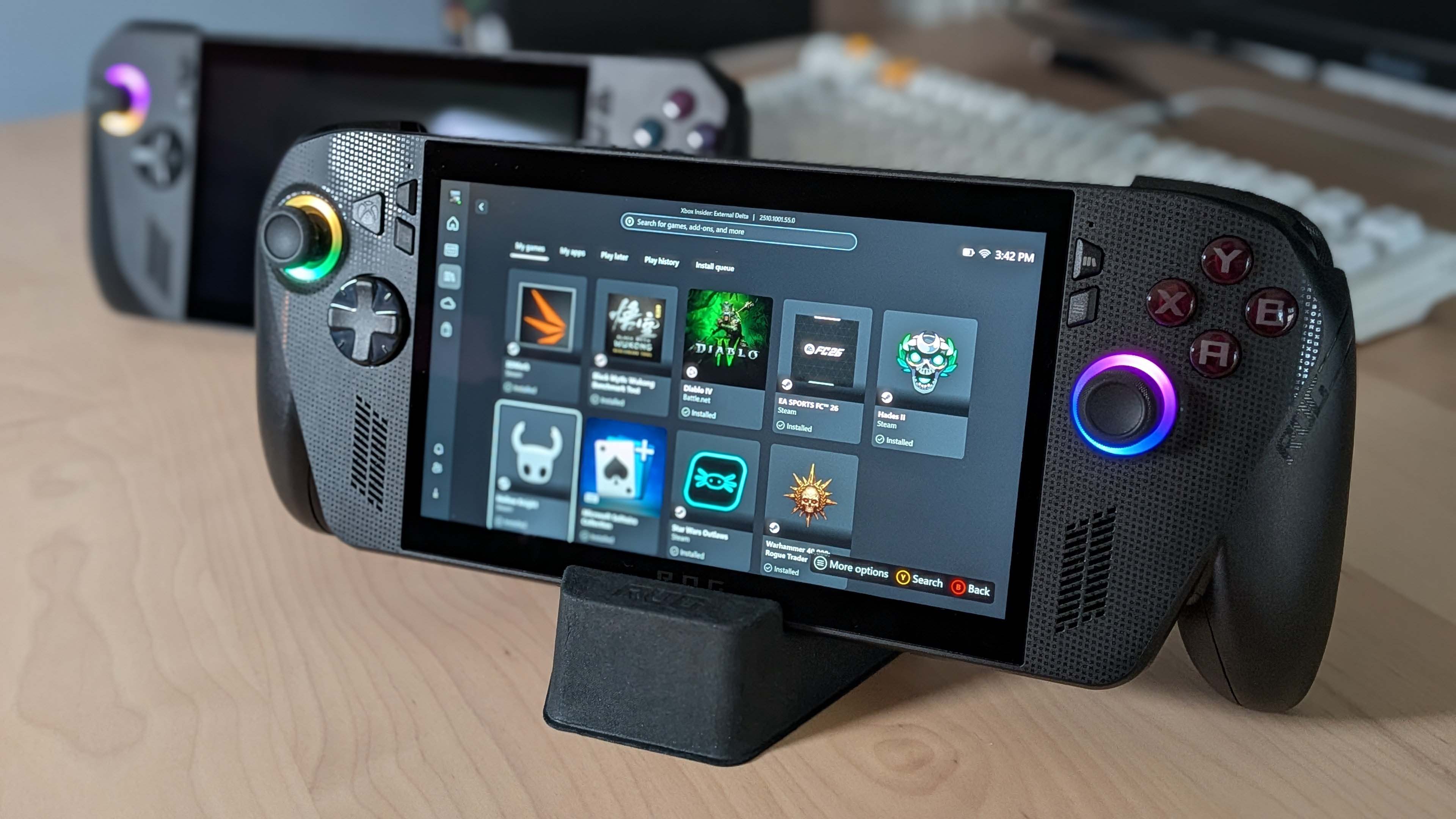
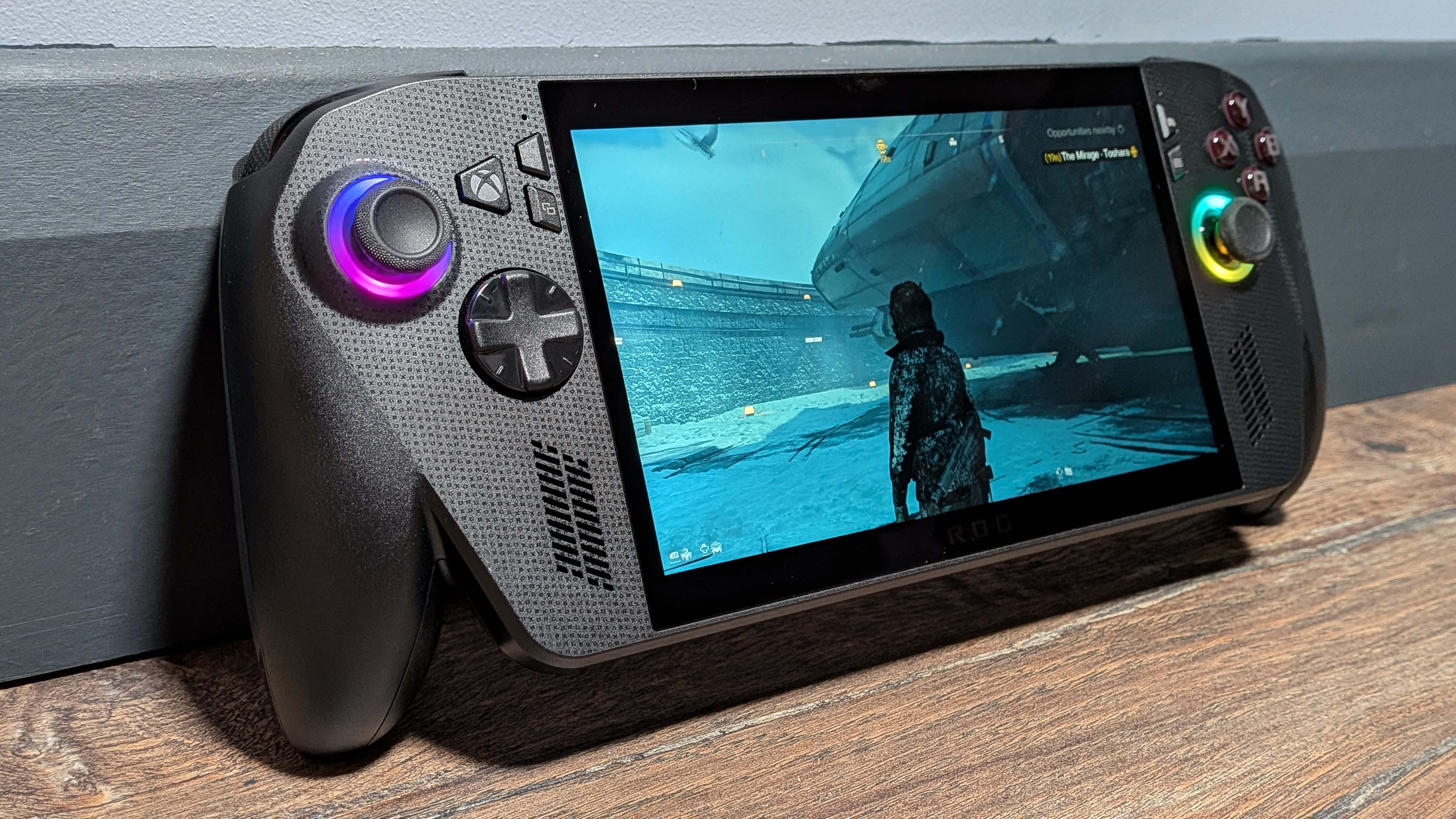
In this climate, the Asus ROG Ally X—a device initially criticized upon its release eight months ago for being expensive—has paradoxically emerged as the market’s "best value" option. At $1,000, it is a significant investment, yet compared to its ballooning competition, it stands as one of the few devices that offers a balanced spec-to-price ratio.
Chronology of a Market Shift
The trajectory of the handheld PC market has been marked by three distinct phases:
- The Proliferation Phase (2022–2023): The arrival of the Steam Deck and early Windows-based handhelds created a "Goldilocks" period. Performance was adequate, and prices were largely anchored in the $600–$800 range, making these devices accessible to a wider gaming demographic.
- The Component Crunch (Early 2024): As AI development surged globally, the demand for high-bandwidth memory (HBM) and LPDDR5x RAM skyrocketed. Because handheld gaming PCs rely heavily on these same components, the handheld market found itself competing with massive AI server deployments for limited supply.
- The Current Correction (Late 2024–2026): We are now in a period where manufacturers are passing these exorbitant component costs directly to the consumer. As noted by current market data, the "entry-level" for a high-performance handheld has shifted from the $700 range to over $1,000, effectively pricing out the casual enthusiast.
Supporting Data: Why Costs are Surging
The "memory crisis" is not merely a buzzword; it is a structural reality of the modern silicon supply chain. Current reports suggest that RAM and storage prices will continue to rise throughout 2027 and potentially into 2028.
The integration of AI-specific hardware into consumer laptops and handhelds has created a "bottleneck effect." Because the same factories that produce the RAM for your gaming handheld are pivoting to meet the insatiable demand for AI-driven data centers, the cost of raw materials has increased by nearly 50% in certain sectors.
For handheld manufacturers, this presents an impossible choice: either shrink profit margins to the point of unviability or increase the MSRP to cover the cost of production. As evidenced by the $1,799 price tag for new high-end handhelds, the industry has clearly chosen the latter.

Official Responses and Industry Outlook
While manufacturers have remained largely tight-lipped about specific pricing strategies, the trend toward "premiumization" is undeniable. By positioning new handhelds as "AI-powered" devices, companies are attempting to justify the price hikes through technological advancement.
However, the user experience remains fundamentally anchored in the same core requirements: solid frame rates, battery life, and ergonomics. As these devices approach the cost of a high-end gaming laptop or a base-model desktop, the value proposition for the consumer becomes harder to defend. Industry analysts predict that if these prices continue to climb, we may see a bifurcation of the market: a "race to the bottom" for budget, low-spec devices, and a "prestige tier" for high-performance units that few can afford.
Implications: Is the Handheld Dream Dying?
The implications of this shift are profound for the future of portable gaming. If a "reasonably priced" handheld now costs $1,000—the price of a budget weeklong vacation—the device ceases to be a casual purchase and becomes a significant financial commitment.
1. The Death of Value-Oriented Gaming
The ethos of PC gaming has historically been about choice and flexibility. By inflating prices, the industry is creating a barrier that forces gamers to choose between a dedicated handheld and a primary gaming rig. For most, the choice will inevitably favor the desktop or laptop.
2. A Shift Toward "Boutique" Status
We may be witnessing the transition of the handheld PC from a mass-market gaming product to a "boutique" item. Much like mechanical keyboards or high-end audiophile equipment, these devices may soon be marketed solely to a wealthy, enthusiast-driven audience, losing the broad appeal that defined the early years of the category.
3. The Difficulty of Reviewing "Value"
Reviewers and critics are currently facing a crisis of methodology. How does one score a device that offers excellent performance but carries a price tag dictated by global supply chain chaos? The traditional metrics of "bang for your buck" are becoming increasingly irrelevant when the entire category is suffering from systemic inflation.
Conclusion: A Difficult Recommendation
For those still intent on acquiring a portable gaming machine, the recommendation remains the Asus ROG Ally X. With its Ryzen Z2 Extreme APU, 24 GB of LPDDR5x-8000 memory, and 1 TB SSD, it provides the most "future-proof" performance available.
However, it is a recommendation tempered with caution. The handheld market is currently a volatile space. With reports of continued memory price increases through 2028, it is entirely possible that today’s $1,000 price point will eventually look like a "good deal" compared to the future of the market.
For the average gamer, the advice is simple: if you already own a capable PC, consider saving your money. The current state of the handheld market is an experiment in how much the consumer is willing to pay for convenience, and for now, the price of entry has become dangerously close to prohibitive. Whether this is a temporary correction or the new permanent reality for portable gaming, only time—and the next few years of silicon supply—will tell.

