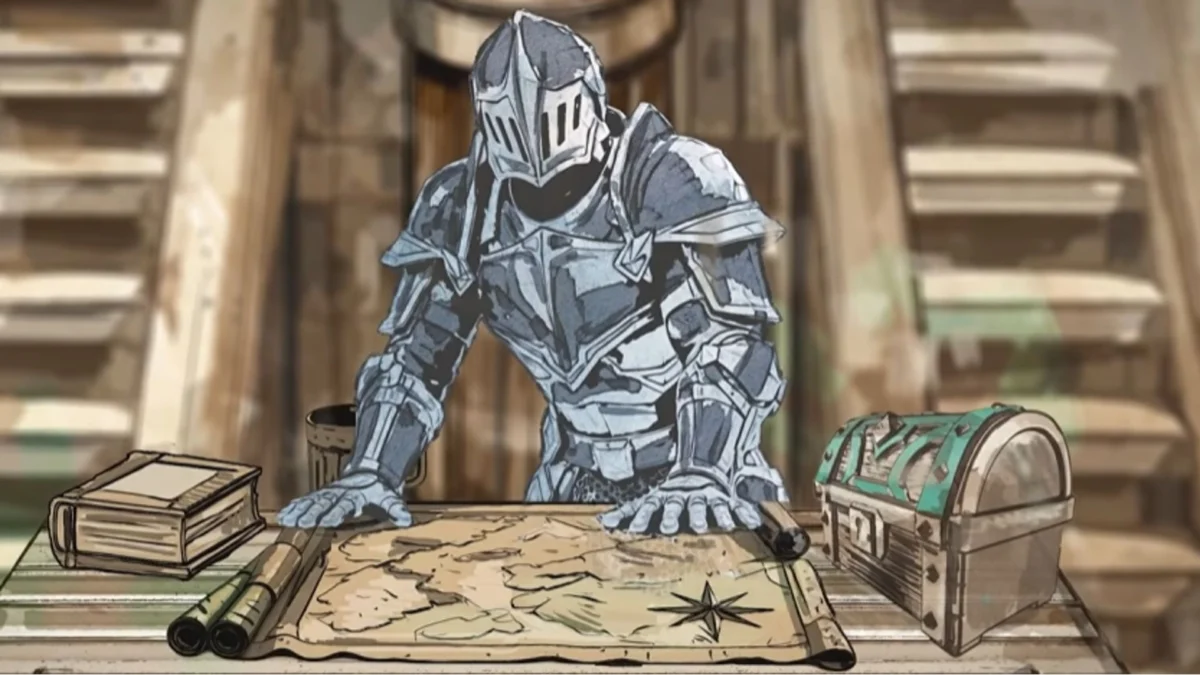
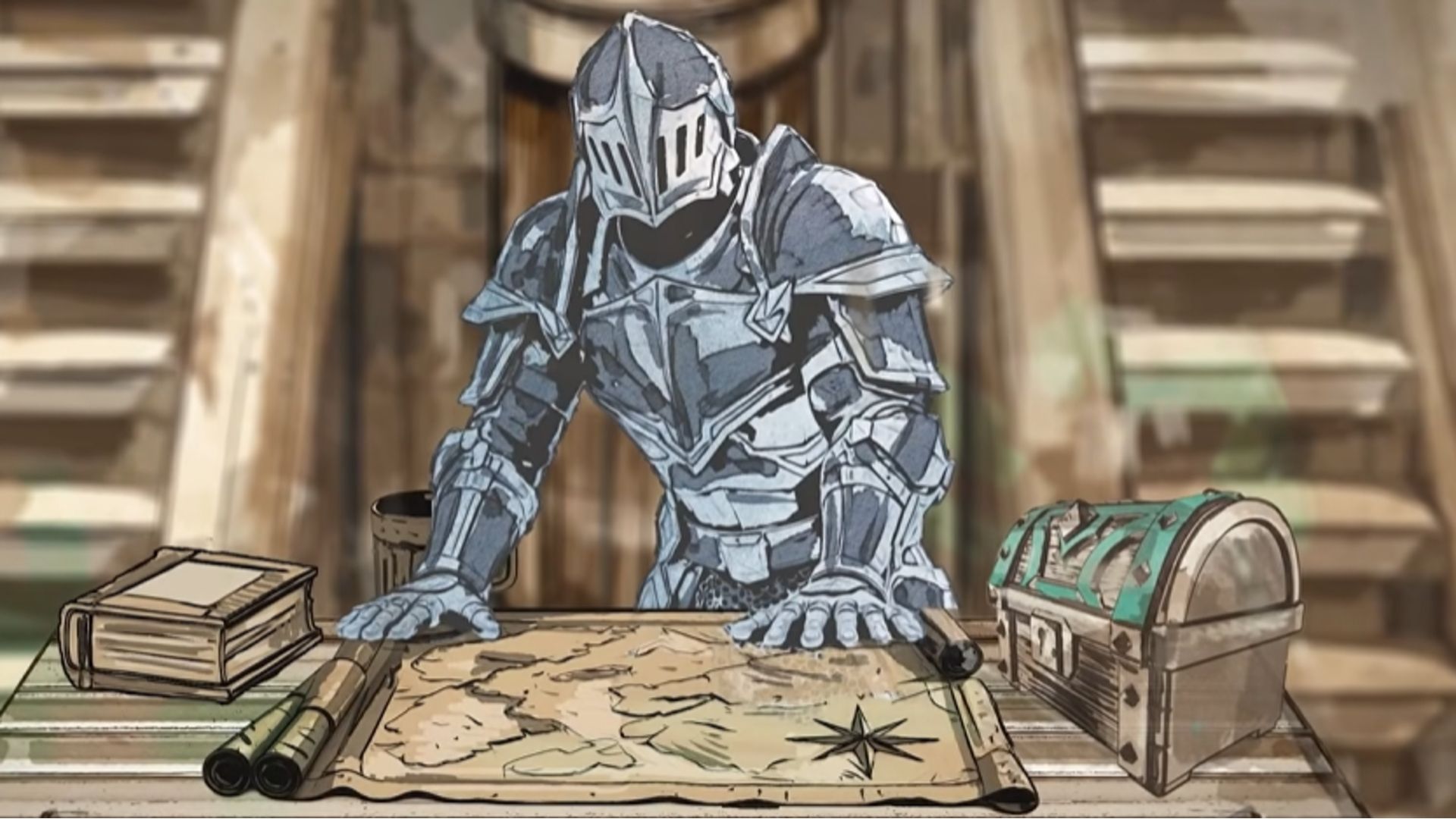
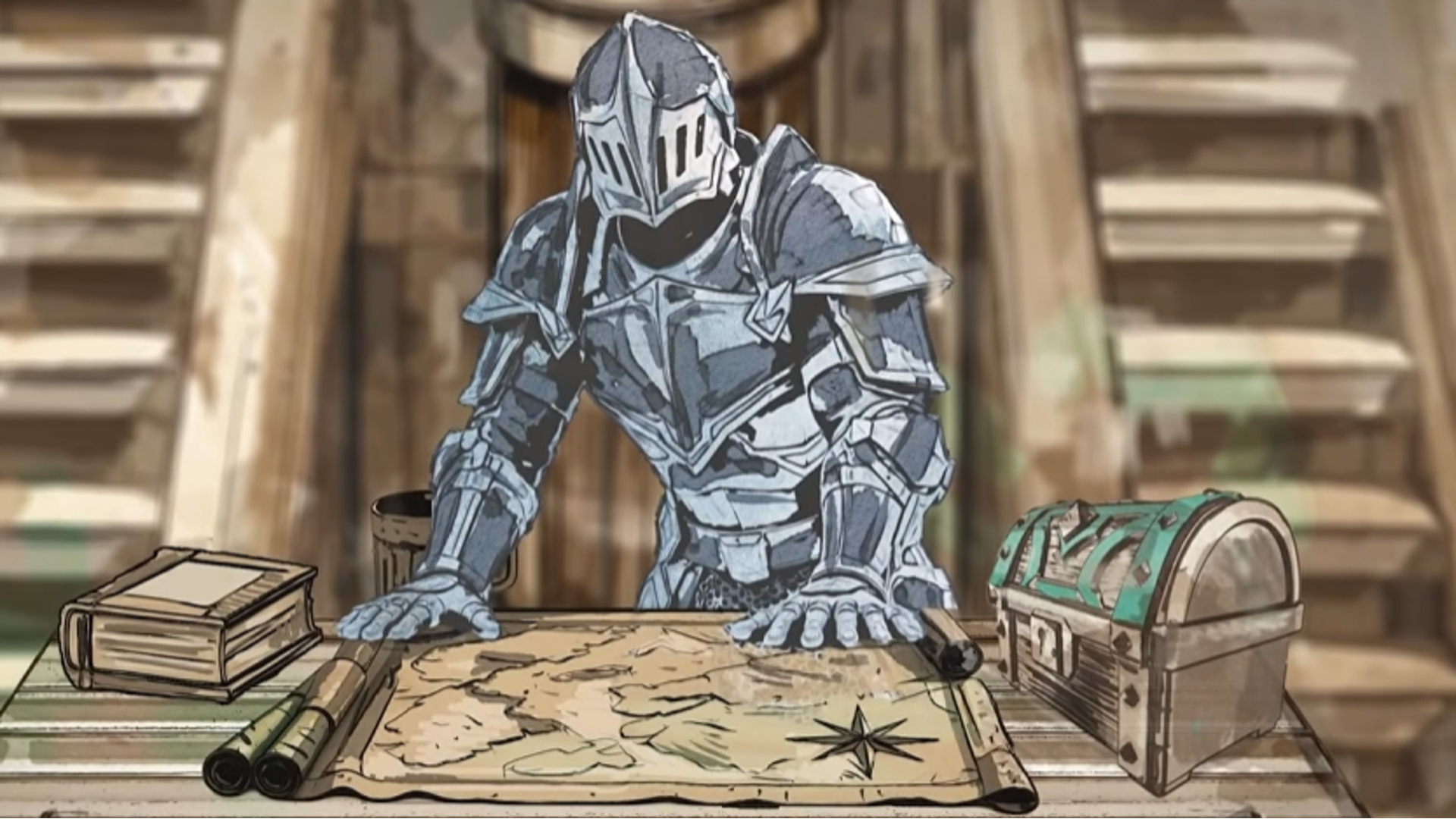
BIRMINGHAM, UK — Developer Jagex found itself at the center of a growing controversy over the weekend following its annual RuneFest convention in Birmingham, England. During the event’s keynote presentation, the studio debuted a promotional trailer for the upcoming Dragon Slayer 2 quest in RuneScape 3 (RS3). Almost immediately, eagle-eyed fans took to social media to point out glaring anomalies in the footage—most notably, a player character rendered with six distinct fingers and heavily armored shoes featuring anomalous, sneaker-like soles.
The incident has reignited intense conversations within the gaming community regarding the clandestine use of generative artificial intelligence (GenAI) by creative studios and their external vendors. For Jagex, the backlash is compounded by the fact that it closely follows a separate GenAI controversy tied to a clothing collaboration with streetwear brand 100 Thieves just days prior.
Main Facts: The Anatomy of a GenAI Blunder
The core of the controversy centers on visual artifacts that have become hallmarks of unedited or poorly supervised generative AI assets.
The Tell-Tale Artifacts: In the pulled Dragon Slayer 2 promotional video, the player character’s hand clearly displays six fingers. Additionally, close-up frames of the character’s footwear reveal an anachronistic, modern sports sneaker-like sole attached to fantasy-style medieval armor—an illogical design choice that standard human character artists would virtually never produce.
The Immediate Backlash: Within hours of the RuneFest keynote, clips and screenshots circulated widely across Reddit, X (formerly Twitter), and Discord. Fans expressed disappointment and frustration, viewing the inclusion of GenAI assets as a shortcut that devalues human artistry.
Swift Retraction: Acknowledging the rapid public outcry, Jagex pulled the official trailer from all digital channels less than 24 hours after its debut, launching an immediate internal review.
Chronology of Events: From RuneFest Reveal to Crisis Management
To understand how the controversy unfolded, it is necessary to trace the sequence of events over a chaotic few days for the British developer:
Mid-Week: Jagex launches a high-profile merchandise collaboration with lifestyle brand 100 Thieves, which almost immediately sparks online scrutiny over alleged generative AI art usage in the promotional materials.
Saturday: Jagex hosts RuneFest in Birmingham, UK. During the main stage keynote presentation, the studio showcases a high-energy trailer intended to build excitement for the upcoming Dragon Slayer 2 expansion in RuneScape 3.
Saturday Afternoon / Evening: Attendees and livestream viewers begin posting screenshots of the trailer online, highlighting the character’s six-fingered hand and bizarre sneaker-soled armor.
Sunday: Realizing the gravity of the PR situation, Alec ‘Mod Sween’ Sween—a prominent figure from the Old School RuneScape team—steps forward to issue an official statement on behalf of the company, bypassing standard delay channels to address the community directly on Reddit.
Monday and Beyond: Jagex pulls the trailer, issues a formal apology, promises a complete overhaul of its external vetting processes, and announces plans to collaborate directly with human community creators to replace the disputed promotional material.
Official Responses and Accountability
Despite the trailer belonging to RuneScape 3, Alec ‘Mod Sween’ Sween took the lead in addressing the community on the r/2007scape subreddit, publishing an uncompromising and transparent statement that refused to shift all blame onto third parties.
"We’re aware of the concerns raised about the Dragon Slayer 2 trailer and have taken it down, while we investigate this urgently," Sween wrote. "This trailer was produced by a trusted external partner who had explicitly confirmed that GenAI would not be used. But, among other things, there’s a sixth finger and, well, that’s pretty hard to explain away. For that we apologise."
Sween reiterated Jagex’s corporate policy regarding artificial intelligence, emphasizing a zero-tolerance approach to unauthorized shortcuts in creative pipelines:
"Our position is clear at Jagex: we don’t use GenAI to create our games, artwork or creative assets, and will not knowingly allow it to be used on our behalf. This is the second time in quick succession that concerns about generative AI have arisen through partners we trusted, and for us that highlights an issue with our own processes which we must address."
Taking accountability for the oversight, Sween admitted that internal quality control teams should have caught the errors before the video ever made it to the RuneFest main stage. "We didn’t do well enough and can’t simply place the blame elsewhere," he added.
As a corrective measure, Jagex has announced that it is completely overhauling its asset-review pipelines. Moving forward, the studio plans to commission and work directly with human creators from the community to produce promotional assets that meet the high standards expected by players.
Supporting Data: The Rising Tide of Outsourcing Risks in Gaming
The Jagex incident highlights a systemic vulnerability currently facing the multi-billion-dollar video game industry: the reliance on external marketing agencies, art houses, and localization partners.
The Outsourcing Pipeline: Modern game development relies heavily on external contractors to handle everything from trailers and localization to promotional art and UI design. As generative AI tools become ubiquitous in commercial software suites (such as video editors and image generation tools), the temptation for under-pressure contractors to use AI for rapid prototyping—or final asset delivery—has skyrocketed.
Trust vs. Verification: According to informal industry surveys, a growing number of creative agencies utilize AI for initial mood boarding and concept generation. However, strict non-disclosure agreements (NDAs) and publisher guidelines frequently prohibit the delivery of AI-generated assets in final commercial products.
The "Two-Strike" Problem: For Jagex, experiencing two separate controversies involving third-party partners within days of each other suggests a broader supply-chain risk. When studios fail to audit external deliverables down to the pixel level, brand reputation suffers immediate collateral damage.
Broader Implications for Jagex and the Video Game Industry
The RuneFest trailer controversy is far more than a localized PR blunder; it touches upon critical questions regarding labor, trust, and the future of creative industries.
1. The Death of Benefit of the Doubt
In the current cultural climate, players are hyper-vigilant regarding generative AI. The inclusion of sloppy digital anomalies—such as extra digits or nonsensical geometry—immediately signals to audiences that a company cut corners. For legacy MMOs like RuneScape, which rely on a deep, decades-long bond of trust between the developers and a dedicated community, even the perception of automated asset creation can severely undermine goodwill.
2. Stricter Vendor Accountability
Jagex’s decision to overhaul its review process is likely to become the industry standard. Publishers can no longer simply take a vendor’s word at face value. Future contracts will undoubtedly feature much heavier financial penalties for unauthorized AI use, alongside mandatory provenance tracking and rigorous internal audits for all externally sourced media.
3. Empowerment of Community Creators
By pivoting to commission human creators from the RuneScape community to handle the re-production of the Dragon Slayer 2 promotional content, Jagex has struck a smart conciliatory chord. This move not only guarantees human-crafted authenticity but also transforms a PR disaster into an opportunity for community engagement—rewarding the very players who spotted the errors in the first place.
As the industry watches closely, many are left hoping that Jagex’s cautionary tale serves as a wake-up call for other major studios. As the old gaming adage goes, bad things often come in threes—and developers across the globe will be watching their vendors very closely to ensure a third GenAI controversy doesn’t strike next.