

Main Facts
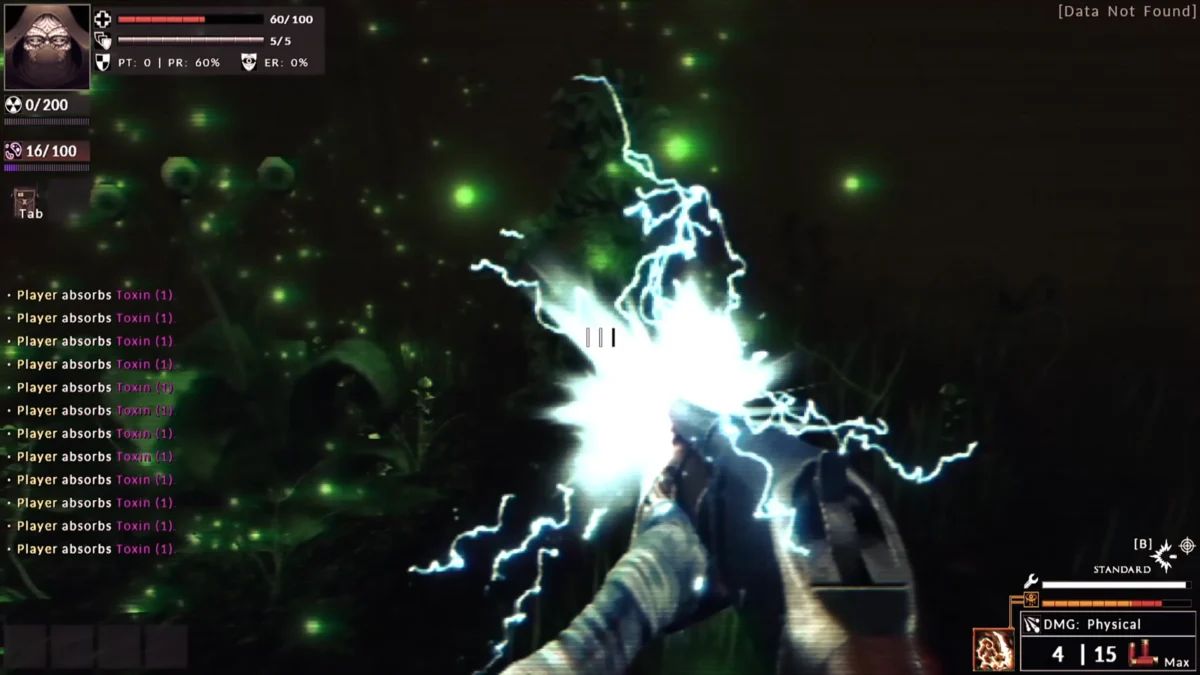
The surreal, terrifying horror-RPG first-person shooter Divine Frequency is officially arriving on Steam Early Access on October 27. Developed by indie creator Abraxaes, the title has spent years capturing the imaginations of retro-shooter enthusiasts and cosmic horror aficionados alike. Built on the classic Doom engine, the game pairs high-octane, satisfying FPS combat with an intensely unsettling, surreal atmosphere that evokes classic weird fiction and SCP-style categorization.
Despite an overwhelmingly positive reception to its initial demo, the path to release has been fraught with extraordinary adversity. In 2025 alone, the project faced a devastating personal tragedy with the sudden loss of its lead writer, alongside massive technical setbacks involving copyright issues in purchased audio libraries. Despite these compounding hurdles, the developer has persevered, preparing a robust early access launch that will include the first two of the game’s three planned acts—representing roughly 70% of the total planned experience. Ahead of the October release, horror fans can wishlist the title and experience the newly updated demo on Steam.
Chronology of Development: From Demonic Demos to Tragedy
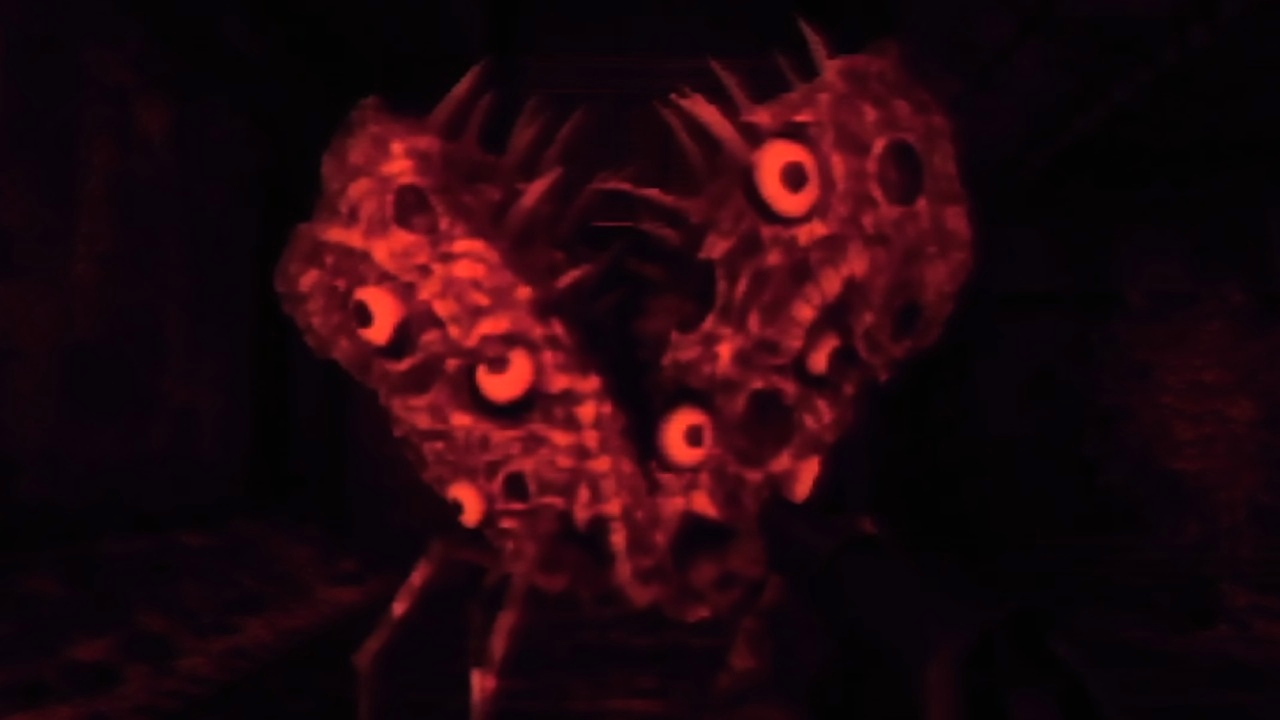
The genesis of Divine Frequency began years ago as a passion project looking to push the limits of retro-engine development. By blending atmospheric role-playing elements with visceral, fast-paced shooting mechanics, the game quickly separated itself from the crowded retro-FPS renaissance. Its demo, characterized by striking, grotesque pixel art and chilling cosmic horror world-building, became an underground sensation among PC gamers.
However, the timeline of the game’s production took a deeply tragic turn in the spring of 2025. On the midnight of April 1st—a date marked by a grim and cruel irony—solo developer Abraxaes received the heartbreaking news that lead writer and lore-master Pablo "Artistical" Lamprea had passed away. The loss sent shockwaves through the small development circle, nearly causing Abraxaes to abandon the project entirely.
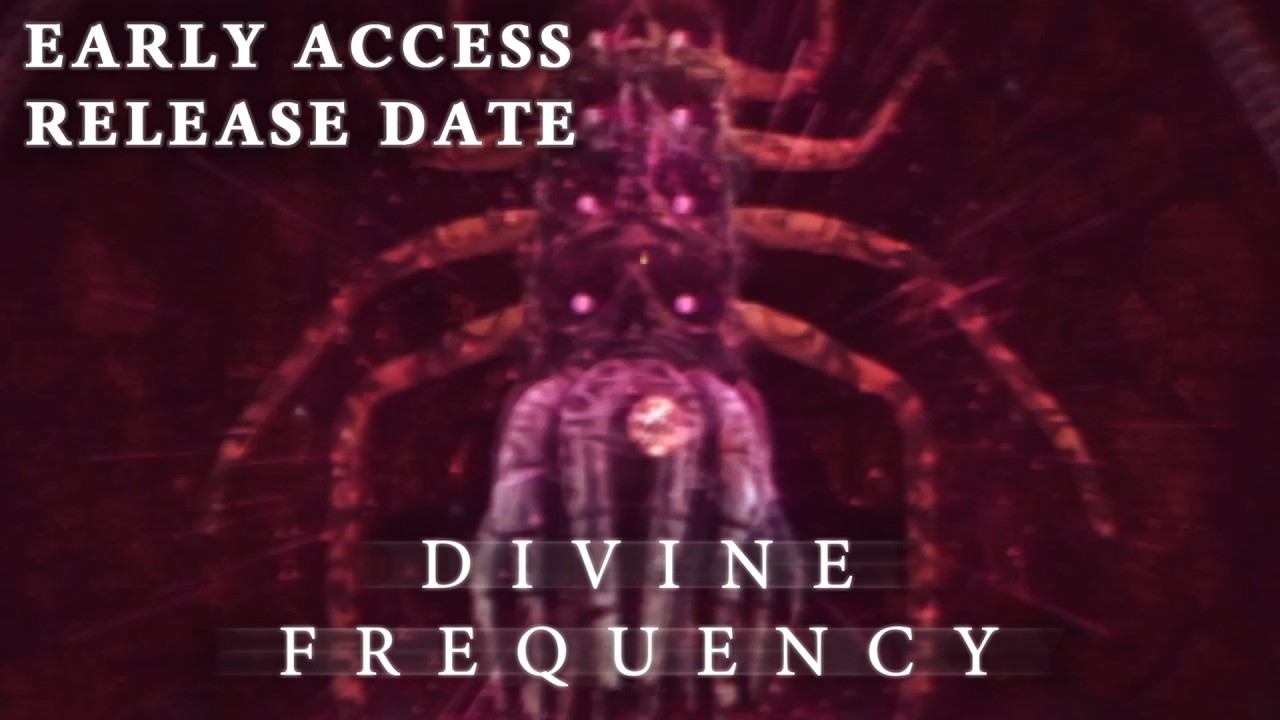
Just as the team attempted to regroup and push past the emotional void left by Lamprea’s passing, structural obstacles reared their head. Later in 2025, it was discovered that several pre-purchased commercial sound libraries utilized within the game contained uncleared, copyrighted material. To insulate the project from legal liabilities, the development team had to hit the brakes on production once again, painstakingly auditing every single audio file in the game and swapping out infringing assets. Despite these cascading delays, Abraxaes ultimately turned a corner, releasing a cinematic date announcement trailer on September 25 that solidified the October 27 Early Access launch window.
Supporting Data & Project Scope
For an indie game built by a small team, the upcoming early access release of Divine Frequency is remarkably substantial. Rather than offering a bare-bones slice of gameplay to test basic mechanics, the October 27 launch will feature Acts 1 and 2, which equates to roughly 70% of the game’s overarching narrative arc.
- Platform: PC (Steam)
- Engine: Modified Doom Engine
- Genre: Horror RPG / First-Person Shooter / Cosmic Horror
- Content at Launch: Two of three planned acts (~70% of total game)
- Key Milestones: Initial demo release (c. 2022–2023), lead writer passing (April 2025), audio library overhaul (mid-2025), Early Access launch (October 27, 2025).
The decision to launch with a high volume of completed content stems from a philosophy of prioritizing polish. As Abraxaes noted in community updates, developers only get one chance to make a first impression, necessitating a pristine state even at the early access threshold.
Official Responses and Tributes
The human toll of game development is frequently obscured by marketing cycles and release dates, but the creators of Divine Frequency have been transparent about the soul of their project. Following the passing of Pablo "Artistical" Lamprea, Abraxaes shared an emotional tribute detailing the profound impact Lamprea had on the game’s identity:
"Our man Artistical was the fuel that kept my creative fire burning for the game," Abraxaes wrote. "We would remain in contact regularly to discuss many aspects of the game world, from why the Divine Frequency is devouring the world to the timeline that led up to that event, or why psi is the residue consciousness from another universe that allowed reinterpretations of the current laws of reality."
Lamprea’s contributions extended far beyond high-concept cosmic philosophy. He was responsible for crafting the atmospheric dialogue, intricate item descriptions, and chilling computer logs that gave the game its distinct SCP-adjacent flavor. The collaboration was so deeply integrated into the development loop that Act 2 of the game was structured around a planned playtest and script-writing phase with Lamprea—a milestone that was tragically cut short just three weeks before his passing.
Regarding the subsequent audio complications that plagued the production timeline, Abraxaes maintained a pragmatic, safety-first approach. Rather than risking copyright disputes that could permanently sink the indie title, the developer opted for the grueling route of a total audio audit, delaying the project further to ensure absolute compliance and integrity.
Implications for the Retro-FPS and Indie Horror Communities
The impending release of Divine Frequency carries significant weight for the indie development landscape, retro-shooters, and the horror genre as a whole.
1. The Human Cost and Resilience in Indie Development
The story of Divine Frequency highlights the immense psychological vulnerability of solo and micro-team developers. When an essential collaborator is lost, an indie project often dies quietly in the dark. That Abraxaes managed to channel grief into finishing the foundational acts of the game serves as a testament to creative dedication, ensuring that Lamprea’s world-building concepts will not be lost to history.
2. Setting a High Bar for Early Access
In an era where early access is frequently criticized as a mechanism to monetize unfinished, buggy prototypes, Divine Frequency is launching with a staggering 70% of its content complete. By spending extra time resolving copyright liabilities and refusing to compromise on the narrative integrity left behind by its late writer, the project sets a standard for how passion projects can respect their audiences’ investments.
3. The Evolution of Retro-Engine Horror
While the classic Doom engine has been used for decades to create fast-paced action games, Divine Frequency demonstrates how far the medium has evolved. By injecting deep role-playing progression, existential cosmic dread, and sterile, banal bureaucratic horror reminiscent of the SCP Foundation into a retro framework, the game proves that low-poly aesthetics can house some of the most genuinely terrifying atmospheres in modern gaming.
When Divine Frequency hits Steam Early Access on October 27, players will not just be stepping into a pixelated nightmare of monsters and psychic phenomena; they will be stepping into a monument of resilience, crafted by creators who refused to let their shared vision fade into the static.

