

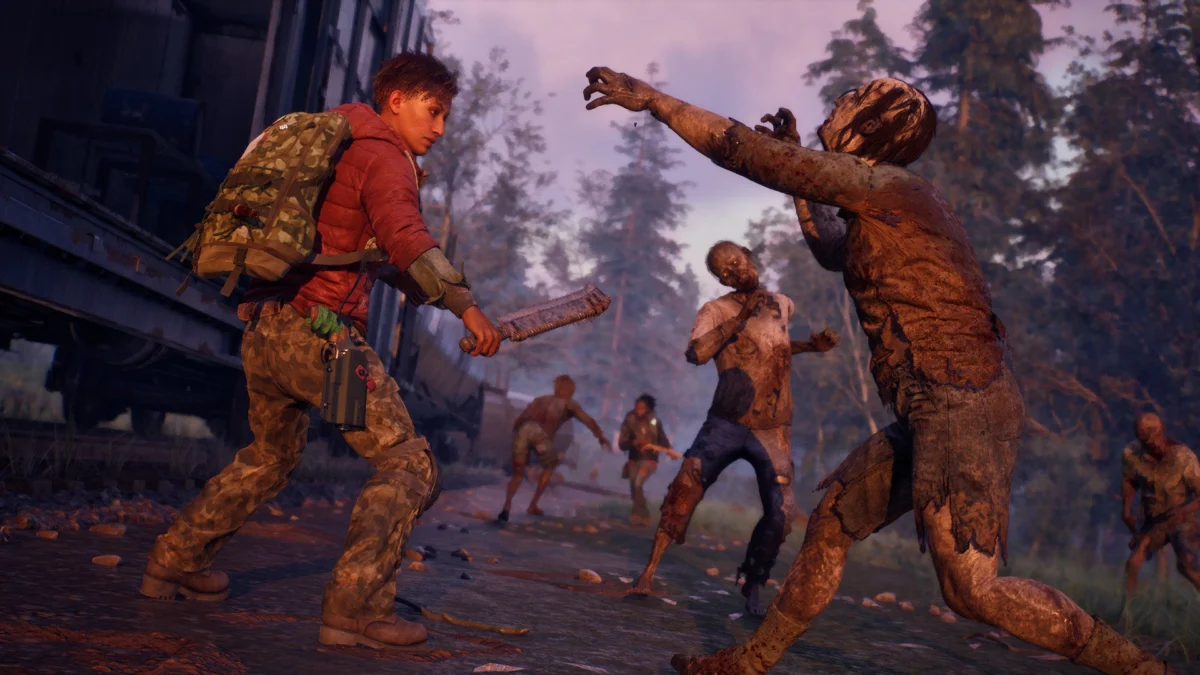
The landscape of the video game industry is currently defined by a turbulent shift in corporate strategy. As major conglomerates grapple with the high costs of triple-A development and the shifting tides of consumer demand, the fallout has been particularly acute for studio developers under the Microsoft/Xbox umbrella. Among the most notable narratives to emerge from this period of upheaval is the transformation of Undead Labs—the studio behind the beloved State of Decay franchise—into an independent, employee-owned entity.
This transition represents a rare, if painful, alternative to the standard industry practice of closure or absorption. By forming a new corporate entity, "Full Measure," Undead Labs has attempted to reclaim its creative autonomy, though the path to this independence was paved with the difficult reality of staff reductions and the weight of industry-wide restructuring.
The Anatomy of a Management Buyout
The decision for Undead Labs to split from Xbox was not a sudden impulse, but a calculated response to the economic climate of 2024 and 2025. As Microsoft sought to streamline its internal operations, the studio found itself at a crossroads. Studio boss Philip Holt, navigating the complexities of corporate divestment, chose to pursue a management-led acquisition.
"I also thought that because we were so close to being in revenue, the amount of capital that we needed to finish State of Decay 3 was not an insurmountable amount that we couldn’t go raise it ourselves," Holt explained in a recent interview with The Game Business.
The proposal was simple in concept but daunting in execution: secure the rights and the future of the studio by purchasing it from the parent company. Microsoft, facing a mandate to reduce its footprint and focus on core intellectual properties, accepted the offer. However, the path to independence required immediate, sobering fiscal adjustments.
To formalize this new era, Holt established "Full Measure." Crucially, this structure was designed with an egalitarian ethos in mind. Every employee was granted equity, making them shareholders in the studio’s future. For Holt, this was a moral imperative. "The value that’s present has been created by the team that’s here, and the team that just left. So, it was really important to me that everybody has a stake and an opportunity for upside participation."
Chronology of a Shift: From Acquisition to Autonomy
The story of Undead Labs is inextricably linked to the broader "Xbox 2024 Restructuring." To understand how the studio arrived at its current status, one must look at the timeline of events that have reshaped the Xbox Game Studios portfolio.
The Initial Consolidation
In the years leading up to the current crisis, Microsoft aggressively acquired studios to bolster its Game Pass subscription service. Undead Labs was a prize asset, bringing a dedicated player base and a unique survival-simulation loop that had performed consistently well.
The Industry Contraction
Beginning in early 2024, the "post-pandemic correction" hit the gaming sector with full force. Rising interest rates, ballooning development budgets, and a shift in player engagement patterns forced major publishers to cut costs. Microsoft’s announcement of a 3,200-employee workforce reduction served as the catalyst for the divestment of five specific studios.
The Divestment Phase
Throughout the spring and summer of 2024, the status of studios like Undead Labs, Compulsion Games, and Double Fine became the subject of intense speculation. While some studios faced immediate shuttering, Undead Labs moved quickly to negotiate its independence.
The "Full Measure" Era
By mid-2025, the transition was finalized. Undead Labs emerged as a standalone studio. While the studio maintains its focus on State of Decay 3, the internal culture has been irrevocably altered by the transition, moving from a subsidiary of a tech giant to a lean, employee-owned startup.
The Human Cost: Transparency in the Face of Layoffs
Perhaps the most significant aspect of the Undead Labs transition is the management philosophy employed by Philip Holt. In an industry where layoffs are often communicated via cold emails or automated HR systems, Holt took a radically different approach: "irresponsible transparency."
Holt admits that the process was heartbreaking. When asked about the specific number of staff members lost during the transition, he expressed a profound reluctance to quantify human suffering. "It was a total heartbreak to have to part ways," he stated. "I would hate to reduce the impact to those individuals to a number or statistic."
A Culture of Direct Communication
Holt’s strategy involved bringing employees into the fold regarding the precarious nature of the studio’s future. By explaining the financial realities—that the studio could not survive the transition without downsizing—he empowered his staff with information, even when that information was devastating.
"We had pretty direct conversations," Holt shared. "We talked early on that under probably any scenario, there’d be job losses. On the day of the layoff, people were prepared. That ended up being a real courtesy, as painful as it was."
This approach has had a surprising effect on the morale of the remaining team. Because the staff was treated with agency rather than being kept in the dark, the "surviving" team members have avoided the typical resentment often directed at leadership following layoffs. They view the loss of their colleagues not as a failure of management, but as a "necessary consequence" of the economic reality the studio faced.
Supporting Data: The Broader Xbox Restructuring
The Undead Labs story is one tile in a much larger mosaic of industry decline. The 3,200 layoffs across Xbox divisions highlight a fundamental shift in how corporations manage creative assets.
- The Five Divested Studios: Undead Labs, Compulsion Games, and Double Fine have moved toward independence.
- The Fate of Others: The situation remains fluid for other studios. Arkane Lyon remains in a period of consultation, while Ninja Theory, once a beacon of creative ambition, has faced significant struggles, including the cancellation of multiple agreements and the commencement of layoffs.
- The Financial Rationale: For Microsoft, these divestments represent an attempt to improve quarterly margins and offload the operational risk of running mid-sized studios. For the studios, it is a desperate gamble that creative freedom will lead to higher efficiency and better products.
Implications for the Future of Independent Gaming
What does the independence of Undead Labs mean for the future of the industry?
The Rise of Employee Ownership
The "Full Measure" model could serve as a blueprint for other studios trapped in the corporate churn. By converting employees into shareholders, the studio aligns the interests of the workers with the success of the product. It is a model that prioritizes sustainability over infinite growth—a necessary pivot in an era where "grow or die" has caused so much instability.
The Burden of Independence
Independence is not a panacea. Without the deep pockets of a parent company like Microsoft, Undead Labs now faces the harsh reality of the open market. The success of State of Decay 3 is no longer just a development goal; it is a survival requirement. The studio must now manage its own overhead, marketing, and distribution risks—a challenge that has claimed many talented teams in the past.
A Shifting Industry Identity
The industry is moving away from the era of the "Mega-Publisher" absorbing every successful independent team. We are likely to see more studios spinning off or operating as independent entities that partner with publishers on a project-by-project basis rather than being fully owned. This decentralization could lead to a more diverse, if more volatile, landscape for game development.
Conclusion: A New Chapter for Undead Labs
As the dust settles, Undead Labs finds itself in a position that is both precarious and promising. The studio has survived the storm of corporate restructuring, but it has done so at the cost of its colleagues and its security.
Philip Holt’s decision to prioritize transparency and employee ownership sets a high bar for leadership. As they continue work on State of Decay 3, the eyes of the industry will be on this "Full Measure" entity. If they succeed, they will prove that there is a viable path for studios to exist outside of the crushing pressure of corporate consolidation. If they struggle, they will serve as a stark reminder of the immense risks inherent in the modern gaming economy.
For now, the focus remains on the work. In the words of Holt, the team understands the reality of their situation. They are no longer just employees of a subsidiary; they are the owners of their own fate. Whether that fate leads to a resurgence of the State of Decay franchise or a difficult struggle for survival remains to be seen, but the courage to forge a new path in the face of such significant adversity is, in itself, a defining moment for the studio.

