

By PC Gamer Staff & Industry Reports
Published live from RuneFest 2026
Main Facts
At the annual RuneFest convention, British developer and publisher Jagex dropped a massive bombshell for the massively multiplayer online (MMO) gaming community: the official announcement of RuneScape 4, a brand-new next-generation MMO carrying the working title for the franchise’s next major numerical iteration.
The announcement, verified by independent industry coverage from MMORPG.com, was accompanied by a cinematic and in-engine teaser trailer that immediately set social media ablaze. According to details shared during the convention panels, RuneScape 4 evolved organically out of a planned expansion for Dragonwilds, Jagex’s upcoming survival crafting game. During playtesting phases, feedback consistently pointed to a massive demand for a more traditional, expansive MMO experience set within the vibrant universe, aesthetics, and lore established by Dragonwilds.
Rather than releasing a standard content pack, Jagex made the bold pivot to scale the project up into a full-fledged standalone MMORPG. The title is being developed using modern Unreal Engine technology—though specific version numbers are yet to be officially clarified by the studio—and features a striking art style that attempts to bridge the gap between the modern, ability-driven combat of RuneScape 3 and the nostalgic, 2000s-era fantasy charm of Old School RuneScape.
Chronology: From Survival Expansion to Next-Gen MMO
To understand how RuneScape 4 came to be, one must look at Jagex’s recent development pipeline and the evolution of their project milestones:
- The Dragonwilds Genesis: Jagex initially began development on Dragonwilds, a survival game designed to explore new mechanical territory using familiar fantasy motifs.
- Playtester Feedback (The Turning Point): As closed alpha and beta playtesters experienced the world of Dragonwilds, a recurring theme dominated internal surveys and feedback channels. Players expressed an overwhelming desire to see the game’s art direction, engine fidelity, and setting expanded into a traditional, persistent-world MMORPG rather than a localized survival session.
- The Scale-Up Decision: Recognizing the appetite for a true continuation of the flagship franchise, Jagex executives and developers made the strategic decision to pivot the expansion into an entirely new core product: RuneScape 4.
- Original Release Target (2027): Industry insiders revealed that the initial Dragonwilds expansion version had a targeted release window in 2027. However, scaling the project into a comprehensive, triple-A-tier MMO has inevitably extended development timelines, making the 2027 window unlikely for the final RuneScape 4 launch.
- RuneFest 2026 Reveal: Jagex officially pulled back the curtain at RuneFest 2026, delivering the title’s worldwide debut trailer and confirming early production details to thousands of ecstatic fans in attendance and watching online streams.
Supporting Data & Visual Breakdown
The newly unveiled announcement trailer offered fans a rich visual feast of what to expect from the Gielinor universe’s next iteration.
Trailer Analysis
- Art Direction and Environment: The teaser showcases a distinctly medieval fantasy town reminiscent of classic Dragon Quest titles, nestled within a lush, verdant valley dwarfed by massive, breathtaking floating islands overhead.
- Fauna and Combat Encounters: Viewers are treated to a dynamic sequence featuring an adventurer soaring through the skies on the back of a tamed dragon. The flight is abruptly interrupted as they come under fierce aerial assault by a menacing three-headed dragon.
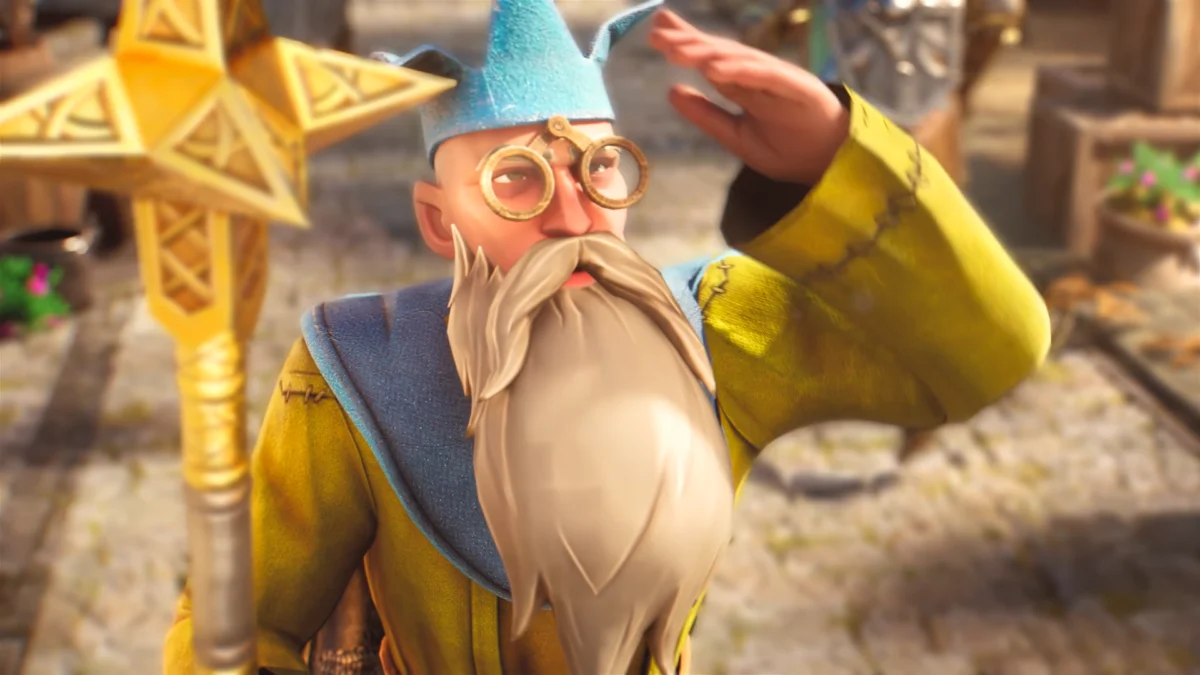
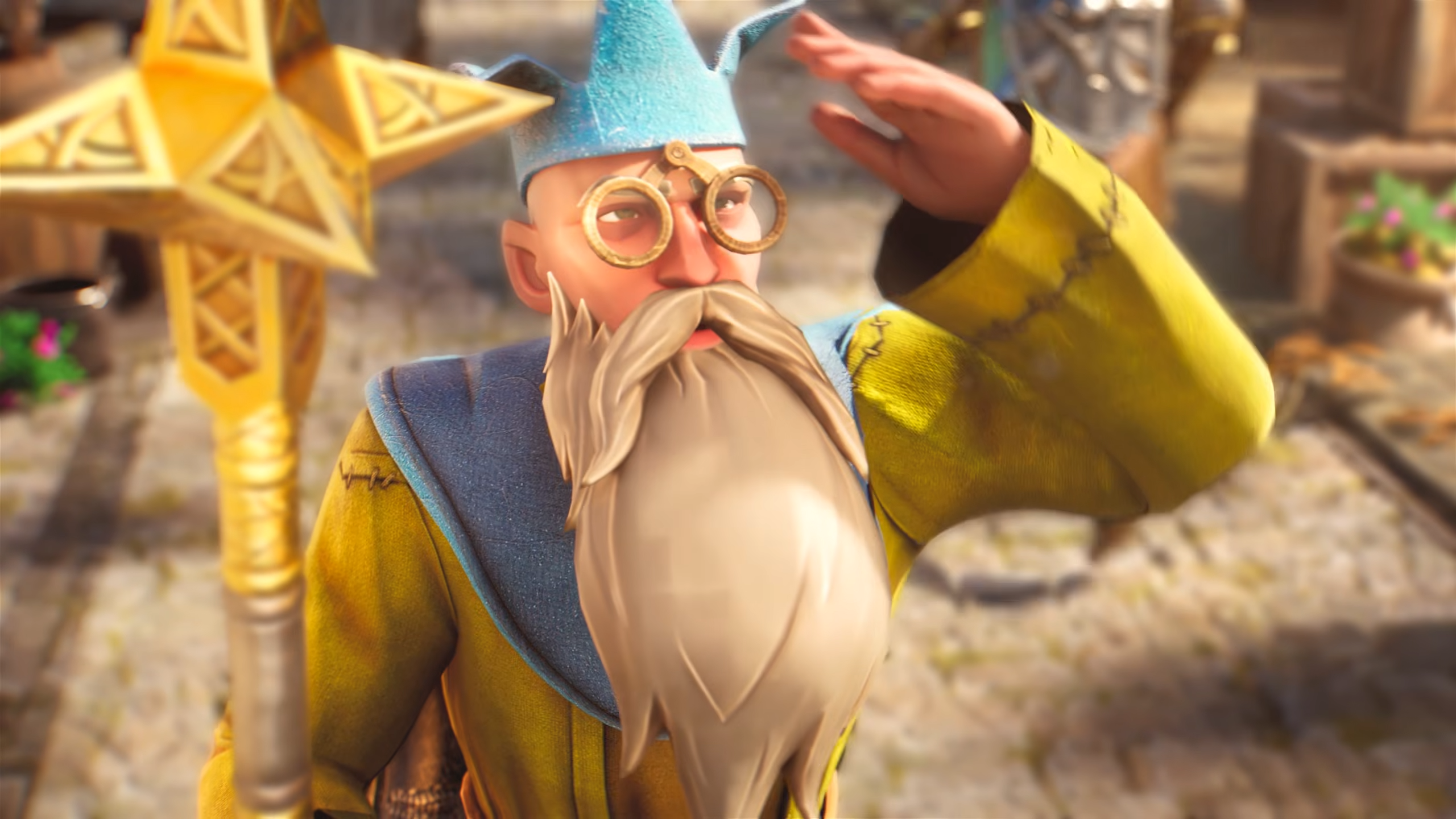
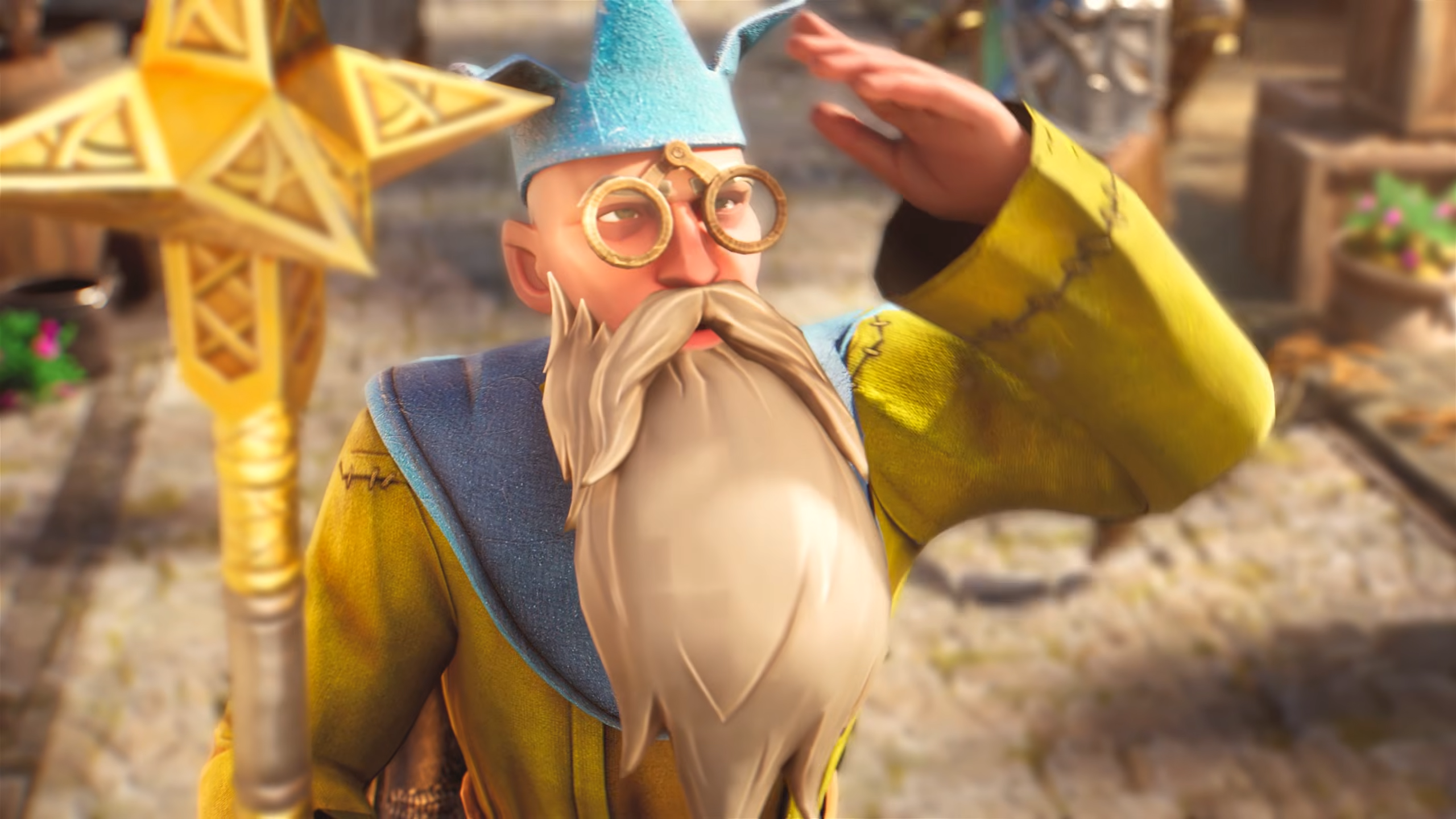
- The Wizard and the City: Down below on the ground, a classic-style wizard observes the aerial dogfight, shielding his eyes from the glare before turning to welcome a fresh-faced adventurer into the city gates—symbolizing the welcoming of a new generation of players.
Franchise Numbering Context
For those keeping track of how Jagex classifies its historical releases, the numerical mapping of the franchise stands as follows:
- Classic (RuneScape Classic): The original 2001 browser-based Java MMO that kickstarted the phenomenon.
- RuneScape 2 (RS2): Launched in 2004, introducing 3D graphics, a redesigned interface, and forming the bedrock of modern MMORPG mechanics. (Note: This version eventually branched into Old School RuneScape and RuneScape 3).
- RuneScape 3: Released in 2013, transitioning the game away from Java to HTML5/C++ client technology while updating UI elements, graphics, and introducing the Evolution of Combat (EoC).
- RuneScape 4 (Working Title): The newly announced next-gen Unreal Engine MMO born from the Dragonwilds survival framework.
Official Responses & Community Reactions
Reaction from the RuneScape community has been a mixture of immense excitement, cautious optimism, and burning curiosity regarding long-term game preservation.
Jagex developers on-site at RuneFest emphasized that RuneScape 4 is designed to complement, rather than hastily replace, the existing pillars of the franchise. While Old School RuneScape (OSRS) continues to break concurrent player records and stands as Jagex’s most commercially and culturally successful product to date, questions loom large over the studio’s future roadmap.
Fans have flooded community forums, Reddit, and Discord servers with pressing queries:
- Will RuneScape 3 receive a graceful wind-down or maintenance mode once RuneScape 4 arrives?
- Will character progression, account milestones, and veteran loyalty transfer over to RuneScape 4 in the seamless manner that RuneScape 2 transitioned into RuneScape 3?
- How will the new Unreal Engine framework handle the tick-rate systems and tick-accurate gameplay that veteran players rely heavily upon?
Jagex representatives have promised deeper dive panels throughout the remainder of RuneFest 2026, where design leads are expected to address community concerns regarding account portability, combat systems, and alpha/beta testing timelines.
Implications for the MMORPG Market
The announcement of RuneScape 4 carries profound implications for both Jagex as a studio and the broader online gaming ecosystem.
1. Technological Modernization
For over two decades, Jagex has relied on proprietary engines and heavy customisation to keep its aging MMOs relevant. Transitioning to a modern industry-standard powerhouse like Unreal Engine signals a massive leap forward in visual fidelity, performance optimization, and accessibility. It positions Jagex to compete directly with contemporary high-budget MMORPGs and action-RPG hybrids currently dominating the market.
2. Diversification and Risk Mitigation
By spinning RuneScape 4 out of the Dragonwilds survival project, Jagex demonstrates a flexible development methodology. Rather than keeping survival mechanics siloed from their core intellectual property, they are leveraging emergent gameplay loops to revitalize their flagship franchise. This cross-pollination of genres could attract survival-genre enthusiasts who previously bounced off traditional point-and-click or tab-targeting MMORPGs.
3. The Multi-Game Ecosystem Strategy
Jagex is cementing its future as a multi-generational studio. By maintaining Old School RuneScape for the purists and nostalgic player base, supporting RuneScape 3 for modern theme-park MMO fans, and building RuneScape 4 as a forward-looking next-gen flagship, the company is effectively capturing three distinct segments of the MMORPG market simultaneously.
PC Gamer will continue to provide live updates, developer interview highlights, and deep-dive analyses from the floor of RuneFest 2026 as more details regarding RuneScape 4’s mechanics, release schedule, and technical architecture emerge.

