By Global Gaming News Staff Published: September 2024
Main Facts
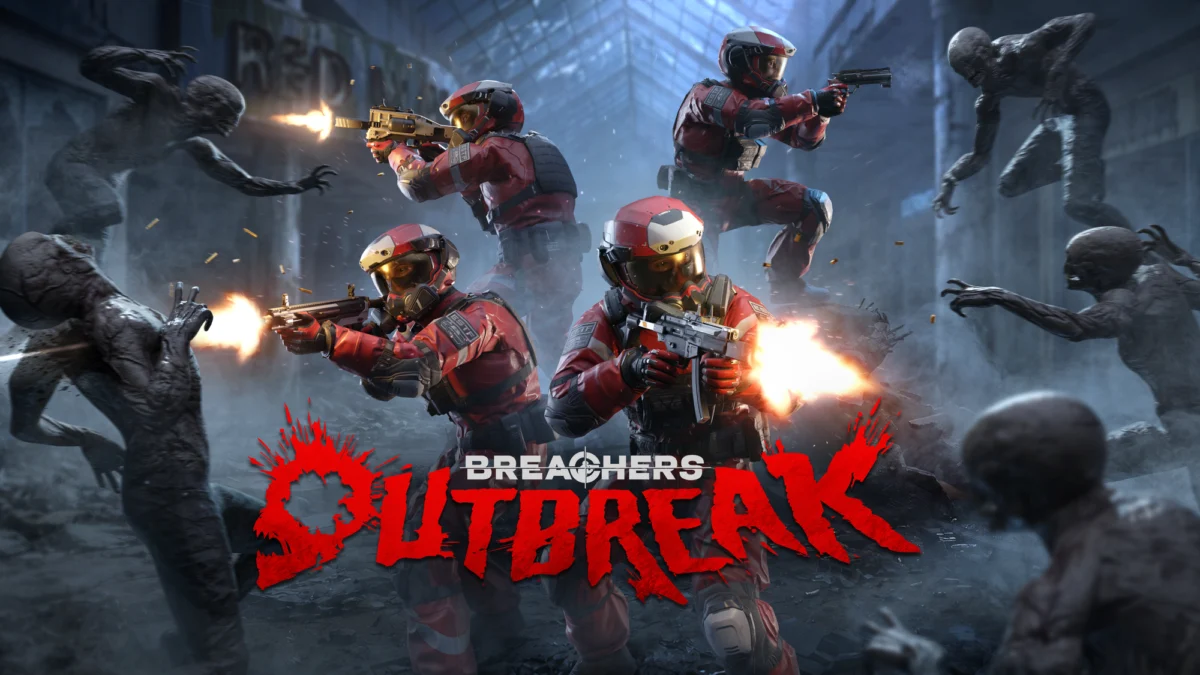
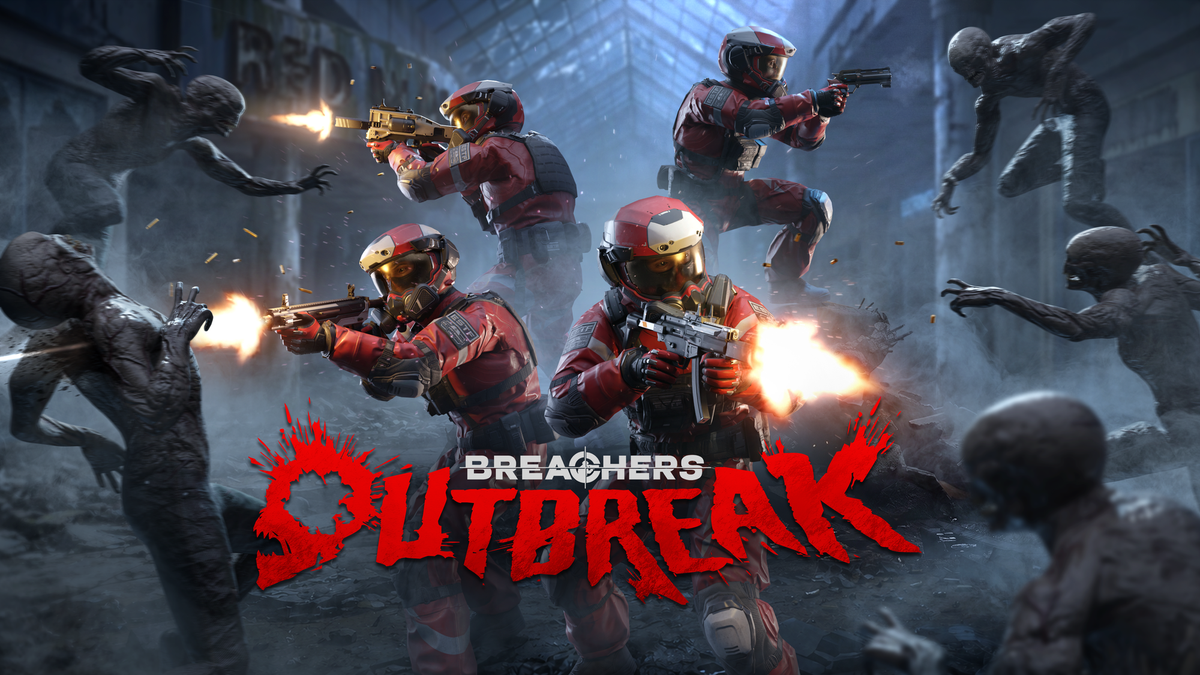
In a sobering development for the virtual reality gaming community, developer Triangle Factory has officially announced that it is halting development on its much-anticipated co-op PvE extraction shooter, Breachers: Outbreak. The decision comes less than three months after the title was triumphantly unveiled to the public as the opening major reveal at June’s prestigious VR Games Showcase.
The announcement, delivered quietly via the studio’s official Discord server, highlights a growing crisis of sustainability within the mid-to-high-tier VR games sector. Despite generating initial excitement with its hybrid zombie extraction shooter premise, Breachers: Outbreak fell victim to sobering economic realities. Studio representatives cited a misalignment between the massive capital required to build a high-quality, large-scale VR experience and the actual market interest observed following its reveal.
While Triangle Factory has technically categorized the project as being "on hold," industry analysts widely interpret the move as a de facto cancellation. Compounding the blow to the studio’s fanbase, this marks the second major project casualty for Triangle Factory in 2024 alone, following the earlier announcement that its long-running futuristic multiplayer shooter, Hyper Dash, will permanently shut down its servers in November.
The setback experienced by Triangle Factory is not an isolated incident. It mirrors a broader, deeply concerning trend across the immersive gaming landscape in 2024, where independent and mid-sized studios alike are finding it increasingly difficult to justify the financial risks associated with standalone VR software development.
Chronology of Events
To understand how a marquee title showcased at one of the industry’s premier digital events could be shelved in under 90 days, it is vital to trace the rapid sequence of events that defined the life and premature end of Breachers: Outbreak.
June 2024: The Grand Reveal
The journey of Breachers: Outbreak began with considerable momentum. In early June 2024, the VR Games Showcase positioned the title as the headline-grabbing opening act of the broadcast. Industry insiders and fans alike praised Triangle Factory for expanding the universe of its successful tactical shooter, Breachers, into the PvE extraction genre—a sub-genre ripe for cooperative multiplayer experiences in virtual reality. The teaser trailers showcased atmospheric lighting, tense tactical cooperation, and hordes of terrifying adversaries, painting a picture of an ambitious, polished spin-off.
July–August 2024: Internal Reckoning and Market Realities
Following the initial post-showcase enthusiasm, the development team returned to heavy production cycles. However, behind closed doors, the commercial and technical projections began to paint a grim picture. Unlike flat-screen gaming, where marketing metrics and wishlists can reliably forecast a title’s financial viability, the VR market remains uniquely volatile. According to subsequent statements by the studio, internal evaluations revealed that the community engagement and projected player interest simply did not justify the immense resource expenditure required to finish the game to their internal standards.
September 2024: The Discord Announcement
The axe fell abruptly in September. Rather than letting the project languish in developmental purgatory or pushing forward toward a compromised release, Triangle Factory made the difficult choice to pull the plug. In a candid message shared with their community, studio leadership chose transparency over false hope, officially pausing all active development on Breachers: Outbreak and reallocating core elements back into the ecosystem of the original Breachers game.
Supporting Data and Industry Context
The sudden shelving of Breachers: Outbreak is symptomatic of a wider systemic challenge currently gripping the virtual reality ecosystem. Building immersive software demands specialized talent, extended development pipelines, and heavy QA testing across fragmented hardware ecosystems (Meta Quest, PC VR, PlayStation VR2). Yet, the addressable market for premium, standalone VR games remains significantly smaller than traditional console and PC markets.
The Triangle Factory Double-Blow
Triangle Factory’s decision regarding Outbreak follows hard on the heels of another painful operational contraction. Earlier this year, the studio confirmed that Hyper Dash, its beloved futuristic multiplayer FPS, is scheduled to shut down permanently this coming November. Losing both a legacy live-service title and a major upcoming tentpole project within the same calendar year represents a turbulent transitional phase for a studio that had previously established itself as a reliable pillar of the VR gaming community.
A Broader Industry Trend: The Rise of Shelved Projects
Triangle Factory is far from alone in making the agonizing decision to shelf a game shortly after announcement. The economic climate of 2024 has forced multiple developers to re-evaluate their portfolios:
The Binary Mill’s Survive The Night: Earlier this year, developer The Binary Mill made headlines by placing their highly anticipated horror-survival title Survive The Night on indefinite hiatus mere weeks after its public unveiling.
Shrinking VC and Publisher Support: Venture capital and third-party publishers funding standalone VR development have tightened their purse strings, demanding clearer monetization pathways and guaranteed user acquisition metrics before greenlighting projects of scale.
When studios encounter these financial headwinds early in production, the calculus often boils down to corporate self-preservation: cut losses quickly to protect the core studio and retain talent for future, more viable endeavors.
Official Responses and Developer Statements
The manner in which Triangle Factory communicated the suspension of Breachers: Outbreak has earned them praise for their candor, even as it delivered heartbreaking news to their supporters.
In their official Discord announcement, the development team elaborated on the rationale behind the decision:
"After a lot of internal discussion, we’ve made the difficult decision to put development of Breachers: Outbreak on hold."
Addressing the economic realities head-on, the studio stated:
"The truth is that it’s a hard time to build and ship a high-quality VR game like this, and the interest we’ve seen so far doesn’t support a project of this scale. We’d rather be upfront about that now than keep going and release something we’re not proud of. We want to put our efforts into a project that VR players everywhere will be extremely excited about."
Crucially, the studio attempted to reassure fans that the intellectual property and technical assets created during the development of Outbreak would not simply vanish into the ether:
"We’re sorry to let down everyone who was excited about Outbreak. But not everything is going to waste. Some of what we built for Outbreak will find its way into the main Breachers game itself. More on that when the time is right."
This official statement highlights a classic dilemma for game developers: the tension between creative ambition and commercial survival. By halting production before heavy marketing expenditures and crunch cycles compromised employee well-being and studio finances, Triangle Factory prioritized long-term operational health over sunk-cost fallacies.
Implications for the Future of VR Gaming
The termination—formal or de facto—of Breachers: Outbreak carries profound implications for the trajectory of virtual reality as a viable platform for medium-to-large-scale commercial gaming.
1. The Death of "On Hold" Semantics
In the gaming lexicon, phrases like "on hold," "deferred," or "placed on the shelf" are transparent euphemisms for cancellation. While studios naturally shy away from using the word "canceled" to prevent immediate community backlash and to keep a sliver of hope alive, the reality of modern game development dictates that once a project’s team is disbanded and reallocated, resurrection is a rare anomaly. The community must now adjust its expectations regarding what developers can sustain in the current economic climate.
2. The Evolution of Live-Service Integration
The silver lining in Triangle Factory’s announcement—that assets and PvE gameplay concepts developed for Outbreak will likely migrate into the original Breachers game—points toward a more sustainable development model. Rather than risking capital on entirely new standalone spins that fragment the player base, developers are increasingly likely to fold experimental mechanics, cooperative modes, and new content updates directly into proven, revenue-generating live-service ecosystems. For Breachers fans, this means the original tactical shooter may eventually inherit the PvE elements they initially craved, albeit within a different structural framework.
3. A Wake-Up Call for Hardware and Platform Holders
The broader takeaway from the Outbreak and Hyper Dash situations is a stark message for platform holders like Meta, Sony, and Valve. If independent studios with proven track records cannot afford to build mid-tier VR titles without facing catastrophic financial exposure, platform holders must step up with more robust funding initiatives, developer subsidies, and ecosystem incentives. Without proactive structural support to de-risk development, the VR software catalog risks becoming starved of the ambitious, original content required to drive hardware adoption to the next level.
As the industry moves toward the final quarters of 2024, the cautionary tale of Breachers: Outbreak will undoubtedly serve as a case study in market realism, forcing developers to carefully weigh creative reach against the unforgiving economic realities of the modern virtual reality marketplace.