

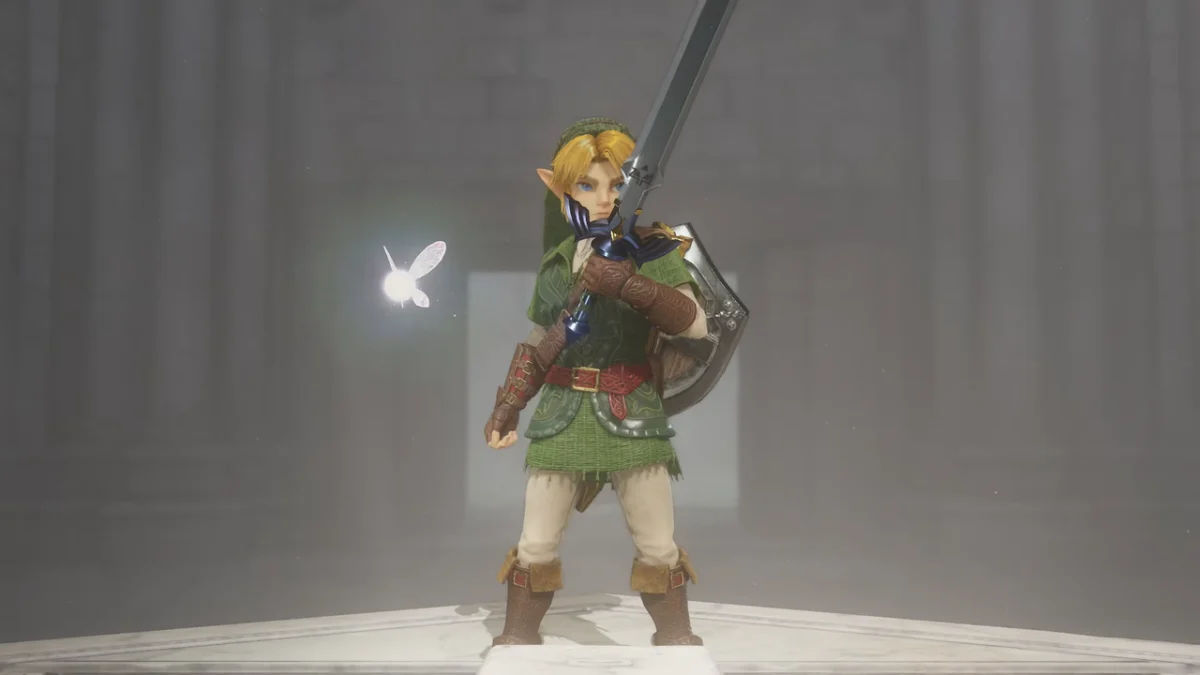
In the high-stakes arena of modern video game marketing, developers and publishers are constantly searching for the ultimate formula to capture global attention. From massive multi-game showcases to high-budget cinematic trailers, companies spend millions trying to command the spotlight. However, recent analytics data has revealed a remarkably straightforward secret to success: if you want the gaming world to stop and watch, you simply need to announce a comprehensive remake of one of the most celebrated and beloved titles in the history of the medium.
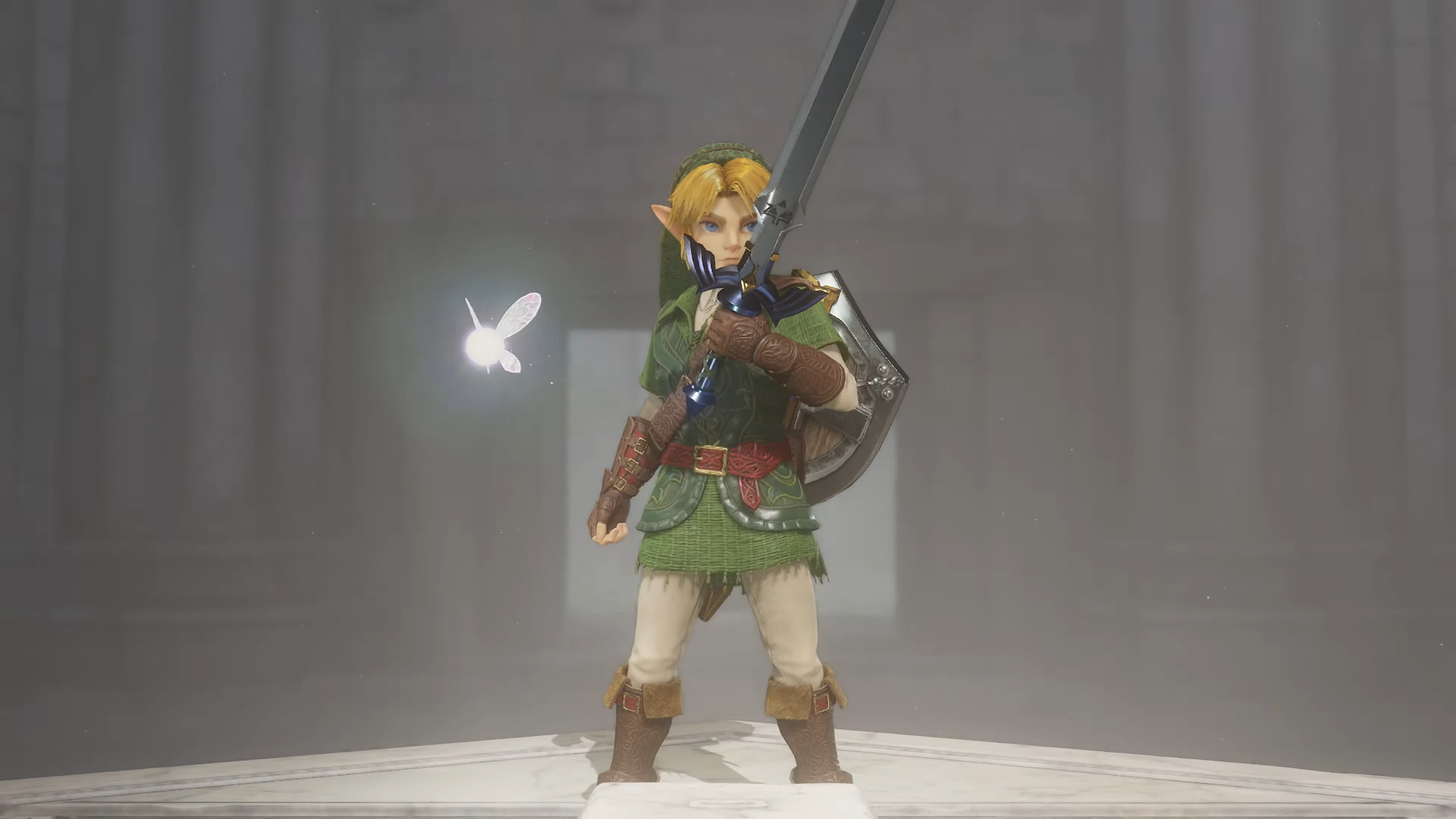
Nintendo has once again proven the enduring might of its classic franchises. Recent viewing figures analyzed by game marketing firm LevelUp and published via The Game Business show that Nintendo’s dedicated Zelda Direct—which provided a deep dive and fresh gameplay clips for the upcoming The Legend of Zelda: Ocarina of Time remake—pulled in a staggering peak viewership of 2.1 million concurrent fans.
This phenomenal metric not only highlights the unyielding devotion of the Zelda community but also places Nintendo’s targeted broadcast leagues ahead of several major, broader industry conventions and competing publisher showcases of equivalent, if not higher, financial backing.
Main Facts: How the Zelda Direct Outperformed Industry Giants
To understand the magnitude of Nintendo’s recent streaming success, one must look closely at the comparative data within the games industry. The Zelda Direct, which focused almost entirely on the modern reimagining of the Nintendo 64 masterwork, cleared the 2-million-viewer threshold at its peak, outperforming several high-profile industry events held over the last few years.
For context, the digital broadcast easily sailed past Gamescom’s prestigious Opening Night Live, which typically pulls in around 2 million peak viewers by aggregating trailers across dozens of different publishers, studios, and genres. More impressively, Nintendo’s focused stream more than doubled the performance of major single-publisher events. Sony’s September State of Play, which served as a major platform for upcoming PlayStation blockbusters, managed roughly 1 million peak viewers. Similarly, Nintendo’s own hyper-focused Mario Kart World Direct from April 2025 peaked at 930,000 viewers.
The distinction here is vital: rather than relying on a sprawling buffet of announcements from various third-party partners, Nintendo weaponized a single, intensely nostalgic property—Ocarina of Time—and achieved superior engagement metrics.
Chronology: The Build-Up to the Record-Breaking Reveal
The path to these record-breaking viewership numbers has been paved by decades of industry reverence and strategic marketing by Nintendo.
- The 1998 Original: Released on the Nintendo 64, The Legend of Zelda: Ocarina of Time fundamentally changed 3D game design, pioneering mechanics like Z-targeting and establishing a cinematic storytelling blueprint that adventure games follow to this day.
- The 3DS Remaster (2011): Nintendo previously proved the commercial viability of revisiting the title with a critically acclaimed 3DS remake, though fans have spent over a decade clamoring for a fully modernized, current-gen home console release.
- The Announcement and Hype Cycle: Leading up to the recent Zelda Direct, rumors had swirled for months regarding how Nintendo planned to celebrate key milestones for the franchise. The company officially announced the targeted digital showcase, setting high expectations across social media and gaming forums.
- The Broadcast and Peak Viewership: When the Zelda Direct finally went live, featuring extended gameplay demonstrations and deep looks into the updated art direction, millions of fans tuned in simultaneously, driving the peak concurrent viewership past the 2.1 million mark.
- Post-Stream Momentum: In the days following the event, on-demand views on YouTube climbed rapidly, crossing 6.9 million views within 48 hours and proving that the initial broadcast was just the tip of the iceberg.
Supporting Data: Comparative Analysis of Gaming Showcases
The data compiled by LevelUp offers a fascinating lens through which to view consumer behavior in the interactive entertainment sector. Modern gamers are increasingly fatigued by bloated, multi-hour showcases filled with cinematic teaser trailers that show little to no actual gameplay. Instead, targeted, high-transparency updates regarding legendary titles command superior engagement.
| Event / Broadcast | Focus | Peak Viewership |
|---|---|---|
| Zelda Direct (Ocarina of Time Remake) | Single Title / Remake | 2.1 Million |
| Gamescom Opening Night Live | Multi-Publisher / Industry-Wide | ~2.0 Million |
| PlayStation State of Play | Various PlayStation Titles | 1.0 Million |
| Mario Kart World Direct (April 2025) | Single Nintendo Title | 930,000 |
While these numbers demonstrate the immense gravitational pull of Nintendo’s IP, industry analysts are quick to place them in a broader multimedia perspective. Even with a massive 2.1 million peak live audience and nearly 7 million YouTube views shortly after, the Master Sword still faces formidable competition from modern entertainment juggernauts.
For instance, when looking at cross-media partnerships, Grand Theft Auto’s promotional muscle remains practically peerless. An extended look at GTA 6 hosted on Netflix managed to pull in a staggering 31.1 million views over a four-day span. While it is nearly impossible for a dedicated gaming showcase to completely topple what is projected to be the biggest commercial entertainment launch in history, the Ocarina of Time remake’s ability to dominate the gaming conversation nonetheless cements Nintendo’s unrivaled grasp on foundational pop-culture nostalgia.
Official Responses and Developer Insights
The reception to the Ocarina of Time remake has reverberated deeply within Nintendo’s internal ranks, sparking conversations among veteran developers who shaped the franchise’s legacy. Industry veterans with decades of experience at Nintendo have begun speaking out about the creative philosophy driving the new project.
In recent commentary reacting to the remake’s visual identity, a 32-year Nintendo and Zelda veteran offered fascinating context into the design choices behind the updated art style. According to the developer, creative decisions were heavily influenced by the distinct artistic sensibilities of legendary producer Shigeru Miyamoto—specifically pointing out how Miyamoto’s lifelong fascination with traditional puppet shows helped shape the whimsical yet grounded proportions and character movements seen in early 3D Zelda titles, a philosophy that appears to be carefully re-interpreted for the modern remake.
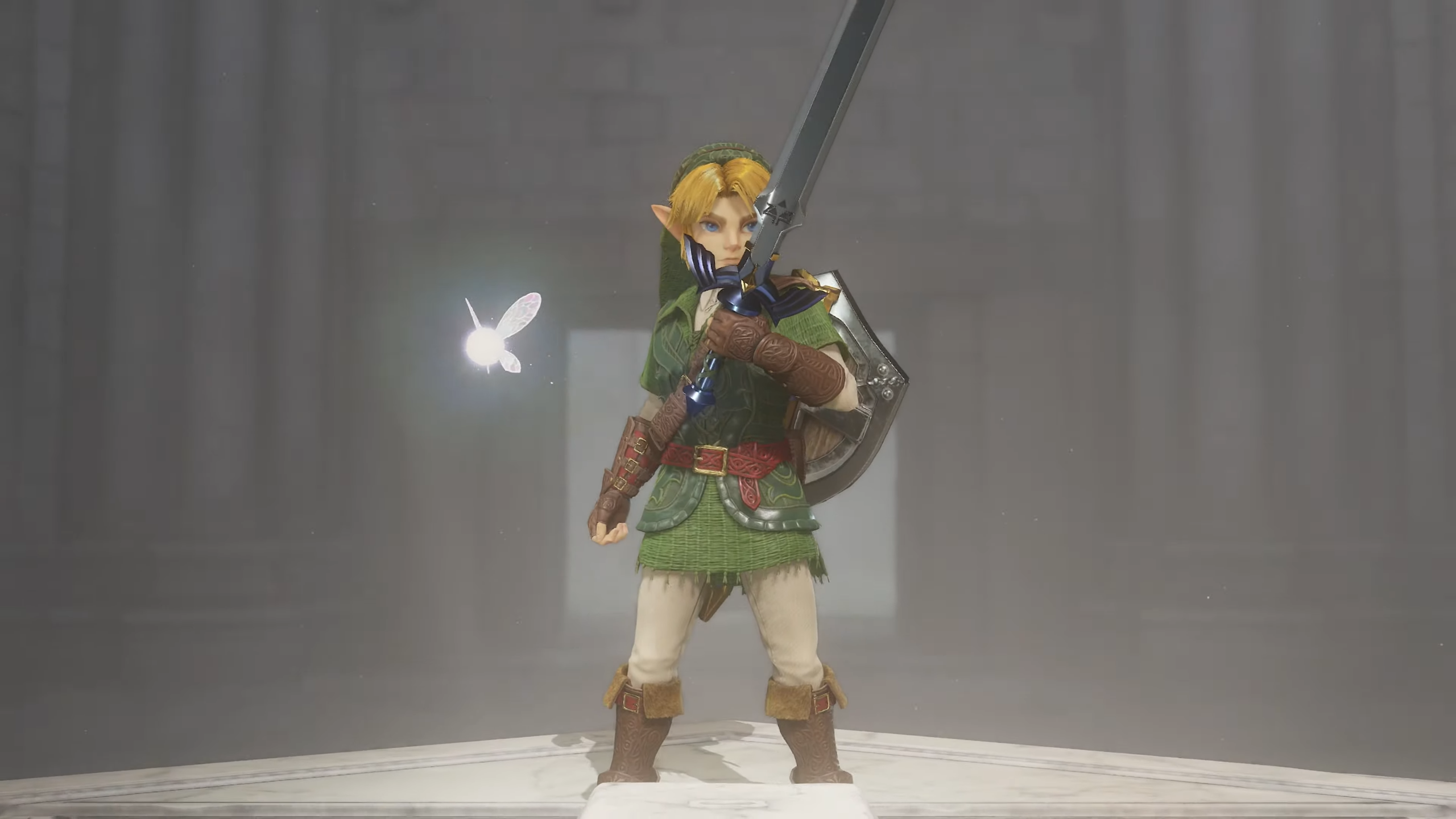
Furthermore, series producer Eiji Aonuma took center stage during the broadcast to walk fans through extended gameplay demonstrations. Aonuma’s involvement served to reassure longtime purists that while the game is receiving a comprehensive audiovisual overhaul, the core level design, pacing, and emotional beats that made the 1998 original a masterpiece are being treated with the utmost reverence.
Implications: What This Means for Nintendo and the Industry
The unprecedented success of the Zelda Direct carries profound implications for Nintendo’s future publishing strategy, especially as the industry looks toward the horizon with the anticipated rollout of successor hardware like the rumored Switch 2 console.
1. The Remake Economy is Thriving
For years, skeptics have questioned whether the industry relies too heavily on remasters and remakes. However, consumer data continuously proves that when a classic title is rebuilt with the care, fidelity, and respect that Ocarina of Time is receiving, fans respond with overwhelming enthusiasm. This data emboldens publishers to dive deeper into their back catalogs, treating historical software not just as legacy code, but as premier marketing events.
2. The Power of Focused Directs
Nintendo pioneered the "Nintendo Direct" format to bypass traditional E3-style press conferences, allowing them to speak directly to consumers on their own terms. The staggering numbers achieved by hyper-focusing on a single marquee title suggest that fans prefer deep, substantive dives into individual games over rapid-fire sizzle reels. Moving forward, we can expect both Nintendo and rival platform holders to lean harder into dedicated, single-game showcases.
3. Cross-Platform Collaborations and Media Synergy
The juxtaposition between Nintendo’s YouTube metrics and Rockstar’s multimedia blitz with GTA 6 on Netflix highlights an evolving landscape where gaming bleeds seamlessly into mainstream streaming culture. Industry wags have already begun joking that Nintendo should look into orchestrating a high-profile streaming deal for the next mainline 3D Mario title. Whether or not that happens, the success of the Zelda Direct proves that high-tier gaming announcements can easily rival traditional Hollywood event viewing—provided the emotional hook is strong enough to bridge generations of players.

