

Main Facts
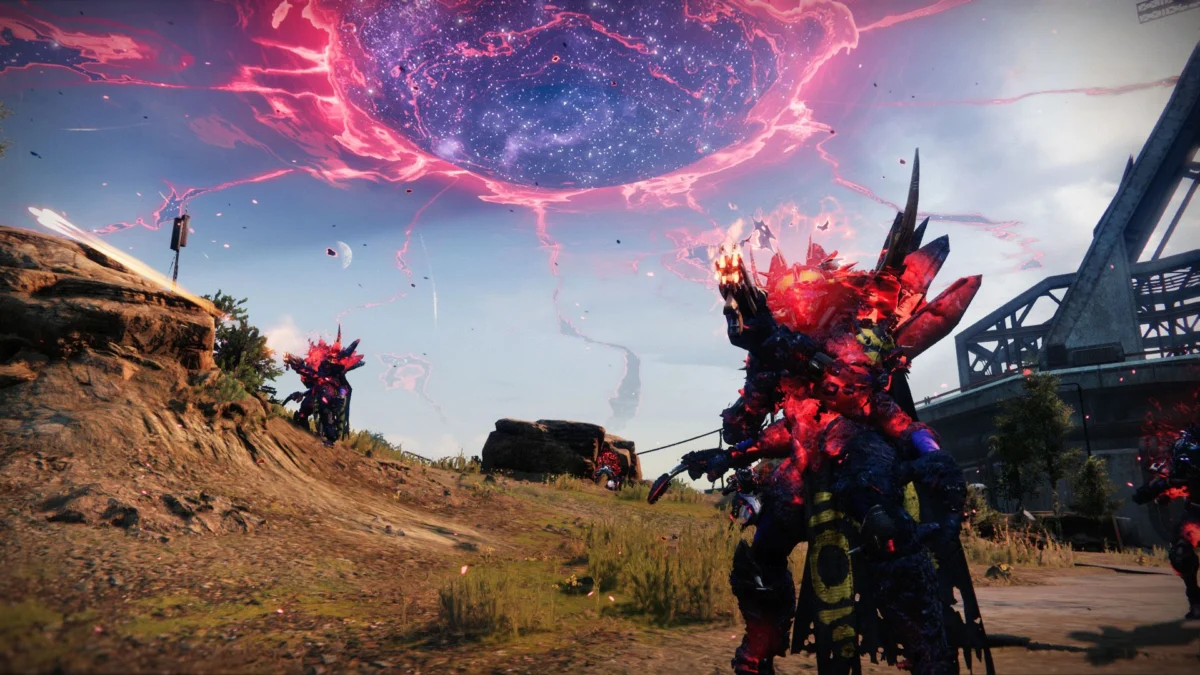
In a stunning and wholly unexpected reversal, Bungie has announced it will systematically unvault its oldest, most beloved Destiny 2 content—effectively undoing one of the most controversial decisions in modern gaming history. Just three months after signaling what was widely believed to be the final update for the live-service titan, leadership at the embattled studio has pivoted sharply.
The move will see the eventual return of legendary vaulted campaigns, raids, destinations, and activities—such as the original 2017 Red War campaign, the sprawling Leviathan raid, and the atmospheric patrol zones of Titan’s New Pacific Arcology. This emergency strategic pivot is designed to stabilize the developer financially and culturally, reducing its dangerous dependency on the fluctuating fortunes of its extraction shooter, Marathon.
However, this major revitalization effort arrives in the shadow of substantial studio layoffs, meaning the monumental task of restoring classic content and crafting future chapters falls to a heavily restructured workforce. While the community has reacted with cautious optimism, the overarching narrative is one of high-stakes corporate and creative survival.
Chronology: The Rise, Fall, and Rebirth of a Titan
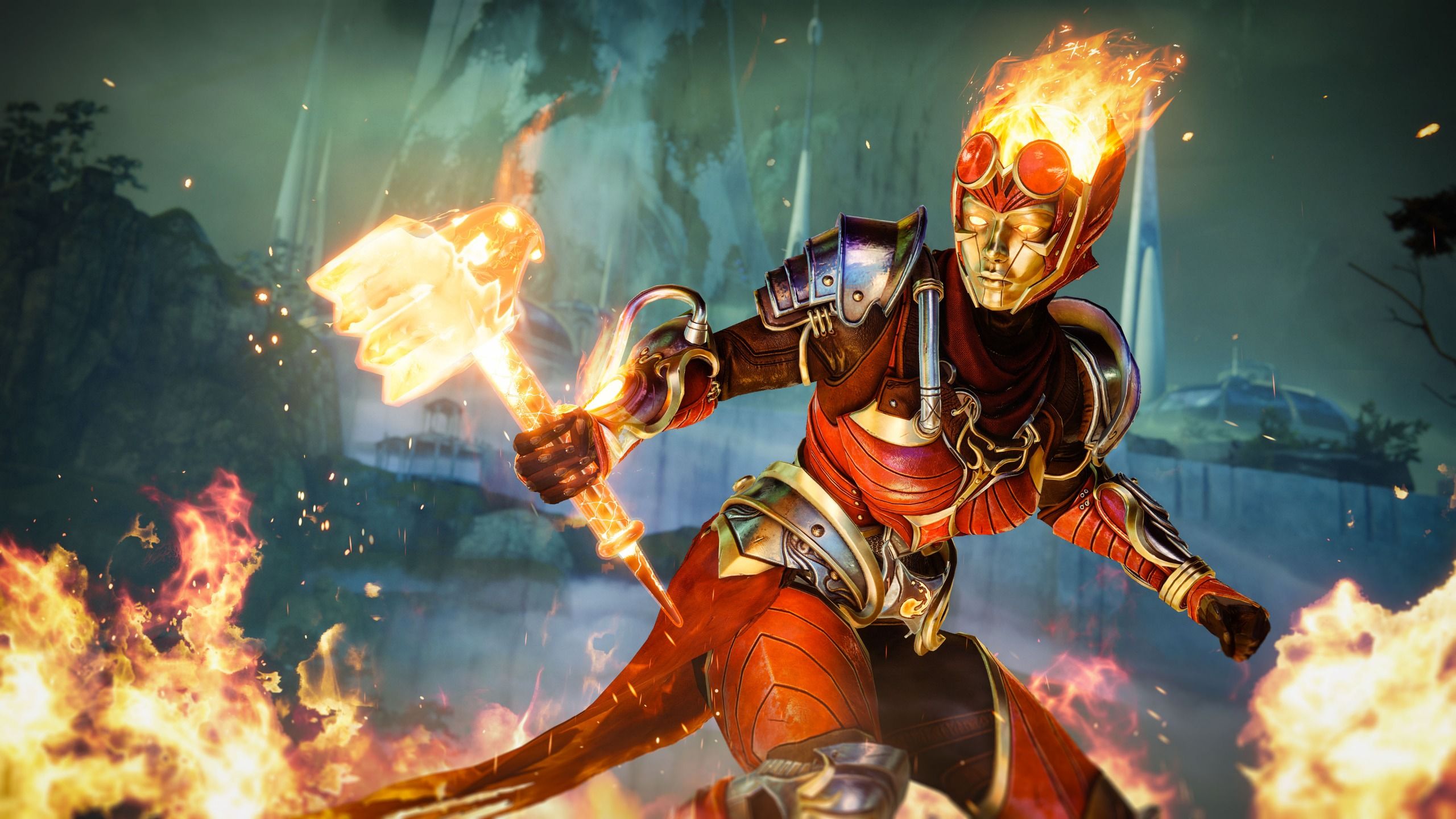
To understand the magnitude of Bungie’s recent announcements, one must trace the timeline of Destiny 2’s tumultuous lifespan, which has been defined by unprecedented highs and self-inflicted wounds.
- September 2017: Destiny 2 launches to a generally receptive audience, establishing its baseline narrative with the Red War campaign—a welcoming, highly scripted entry point that introduces players to the broader solar system and its conflicts.
- 2018–2019: Expansions like Forsaken revitalize the player base, cementing Bungie’s reputation as a master of first-person shooter level design, complex raid mechanics, and tight gunplay.
- August 2020: In an effort to curb escalating file sizes and streamline game performance, Bungie introduces the "Destiny Content Vault" (DCV). The studio removes entire legacy campaigns, destinations, and pinnacle activities from active play.
- November 2020 – 2022: The ongoing vaulting process accelerates. The removal of foundational pillars, including early raids and classic planets, fundamentally fractures the game’s narrative coherence. Long-term player trust begins to erode significantly, making onboarding nearly impossible for newcomers.
- 2023–2024: Following the release of The Final Shape, internal turmoil hits Bungie hard. Severe layoffs rock the studio, player retention drops amid questionable monetization and content strategies, and the developer’s future becomes inextricably tied to the unproven launch of Marathon.
- Late 2026 (Present): Facing critical live-service fatigue and an identity crisis for Marathon, Bungie’s new leadership executes a stunning about-face. The studio publicly commits to unvaulting legacy Destiny 2 content, initiating a multi-stage recovery roadmap aimed at preserving the game as a foundational pillar of the company’s future.
Supporting Data & Context
The decision to unvault Destiny 2 content is not merely an act of fan service; it is a calculated response to hard operational metrics and shifting industry realities.
- File Size Realities vs. Preservation: When the DCV was originally enacted in 2020, developers cited a bloated 100GB+ installation footprint and optimization hurdles on older console hardware as primary justifications. Ironically, modern gaming standards now routinely accommodate massive multi-hundred-gigabyte titles (such as Call of Duty or massive open-world RPGs), rendering the original technical excuse less compelling to a modern audience.
- The Onboarding Barrier: Industry analysts have long pointed to Destiny 2’s catastrophic onboarding curve as its greatest financial deterrent. By gutting the Red War and introductory narrative arcs, Bungie effectively created a narrative black hole. New players were expected to understand complex lore spanning a decade without any linear context, resulting in abysmal retention rates for fresh accounts.
- Studio Headcount: Following consecutive rounds of corporate restructuring and layoffs orchestrated under Sony’s broader oversight, Bungie’s internal development capacity is a fraction of what it was during the peak years of Forsaken or The Witch Queen. Rebuilding vaulted codebases for modern engines while simultaneously supporting ongoing projects represents a staggering engineering challenge.
- Marathon’s Pivot: Bungie’s alternative flagship project, Marathon, has faced its own rocky developmental trajectory. Recent updates point to a December push introducing a permanent PvE mode and a shift toward a deeper survival experience, underscoring that the studio cannot rely solely on the PvP extraction genre to maintain financial stability.
Official Responses and Strategic Roadmap
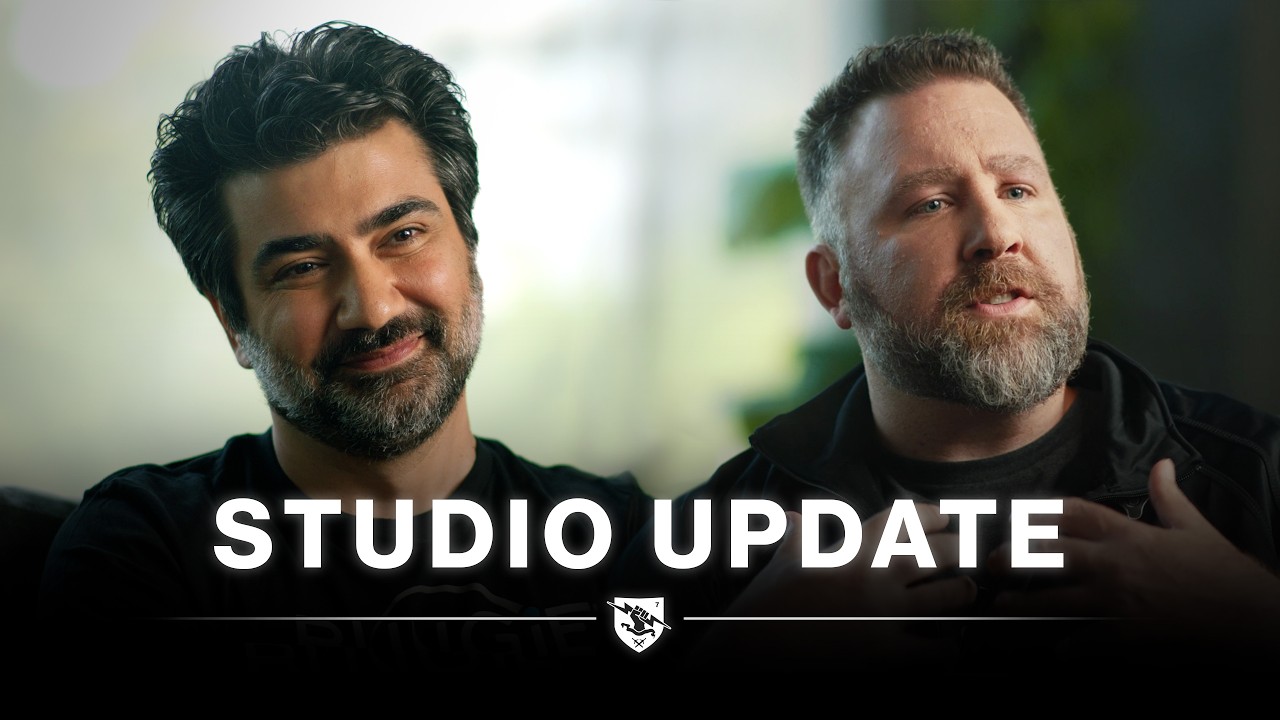
Bungie’s official communication regarding the studio’s "next chapter" outlines a structured, multi-tiered approach designed to rebuild broken trust without overpromising on timelines.
The strategy is deliberately bifurcated into three distinct phases:
- Short-Term Actions: Focus heavily on stabilizing active titles. For Marathon, this includes introducing permanent PvE modes and pivoting away from rigid genre constraints to broaden the game’s market appeal. For Destiny 2, it involves stabilizing seasonal schedules and addressing immediate community pain points.
- Mid-Term Goals: The centerpiece of the strategy—the systematic unvaulting of legacy Destiny 2 content. Leadership has framed this not just as a nostalgic trip down memory lane, but as an essential restructuring of the game’s digital real estate to make the product whole once again.
- Long-Term Vision: Crafting all-new Destiny content in unspecified formats. Rather than locking themselves into rigid annual expansion cycles that previously burned out development teams, leadership has signaled a more sustainable, deliberate approach to universe-building.
In their official community address, studio executives emphasized that Destiny remains "foundational to our future," a clear signal to investors and fans alike that the franchise will not be quietly sunsetted.
Implications: A Golden Hoard Managed by New Hands
The ramifications of Bungie’s sudden reversal ripple across the live-service landscape, raising critical questions about preservation, ownership, and studio heritage.

The Ultimate FPS Treasure Trove
If successfully executed, the total unvaulting of Destiny 2 will curate what is arguably the richest collection of cooperative first-person shooter content in gaming history. Returning to destinations like the New Pacific Arcology on Titan, racing through the chaotic sparrow paths of Scourge of the Past, and facing off against Calus on the Leviathan will offer veteran players a potent dose of nostalgia while finally offering newcomers a complete, cohesive journey. It transforms Destiny 2 from a fractured, mutilated monument into an enduring digital museum of Bungie’s golden era.
The Ghost in the Machine: Staffing and Quality Control
Yet, an elephant remains in the room: the creators of these masterpieces are largely gone. The level designers, scripters, and world-builders who engineered the intricate geometry of these raids and campaigns were casualties of past layoffs. Relying on a depleted and restructured team to safely excavate, update, and integrate legacy code without breaking the game’s current infrastructure is a high-risk gamble. Can a fundamentally different team capture the lightning-in-a-bottle magic of 2018-era Bungie?
A Paradigm Shift for Live-Service Preservation
Beyond Bungie itself, this move sets an intriguing precedent for the live-service games industry at large. For years, the unwritten rule of live service was that content was ephemeral—disposable entertainment designed to be consumed and discarded. By reversing course and pulling content out of the digital ether, Bungie acknowledges a fundamental truth that players have championed for years: digital goods hold cultural and emotional value that cannot simply be erased for convenience without permanently damaging the bond between creator and consumer.
Ultimately, Bungie has executed the most dramatic narrative U-turn of its corporate life. Whether this emergency maneuver succeeds in breathing permanent life back into its flagship universe remains to be seen, but for the first time in years, the horizon looks a little less dark for the guardians standing in the tower.

