

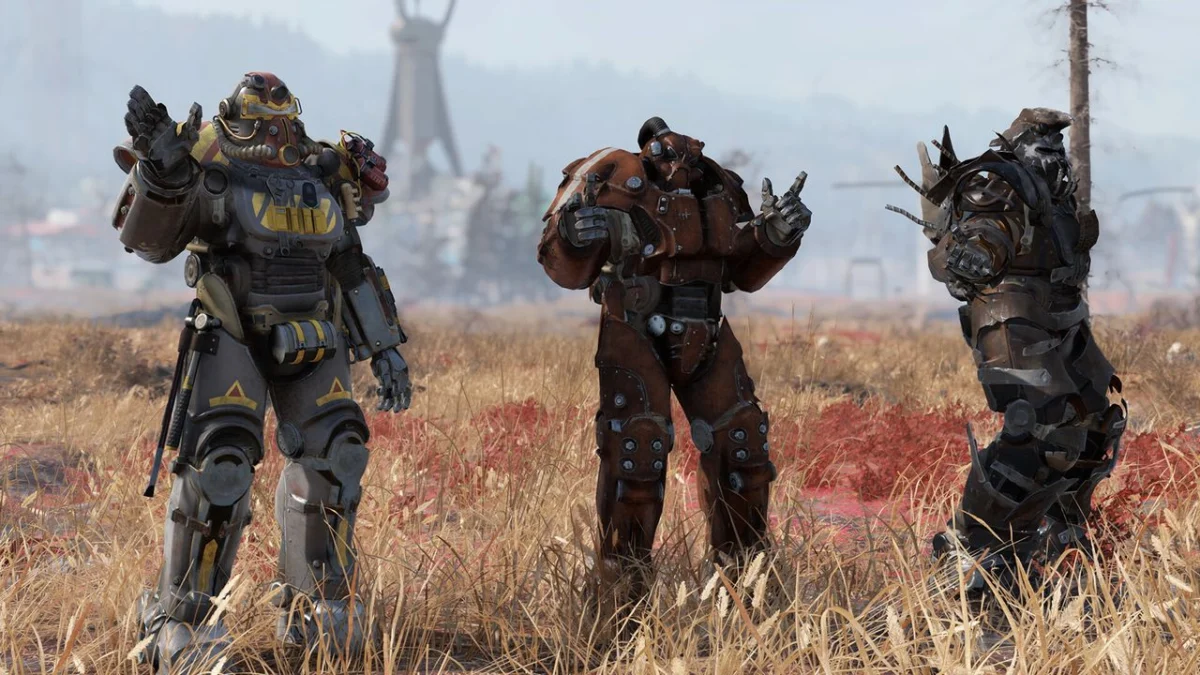
Eight years ago, the prospect of a multiplayer-only Fallout title was met with profound skepticism. When Bethesda Game Studios first launched Fallout 76 in 2018, the Appalachian wasteland was a lonely, often broken place, seemingly at odds with the narrative-heavy, single-player foundations of the franchise. Fast forward to 2026, and the narrative has shifted entirely. With 69 major updates under its belt, Fallout 76 has not only survived but evolved into a cornerstone of the franchise, bolstered by a surge of interest from the hit Amazon Prime television series and a community widely regarded as one of the most welcoming in the gaming industry.
The latest milestone in this journey arrived on June 2 with the release of the "Infestations" update. This expansion represents a shift in Bethesda’s philosophy, moving away from simply adding new territory and instead focusing on "thickening" the existing world. In a recent sit-down, Creative Director Jon Rush and Production Director Bill LaCoste shared insights into the development of this update, the impact of the television show, and why the franchise remains tethered to its iconic "Americana" roots.
Main Facts: The "Infestations" Expansion and the State of Appalachia
The "Infestations" update is designed to breathe new life into the familiar hills of West Virginia. While previous updates often focused on bringing new factions—like the Brotherhood of Steel or the Responders—into the region to build settlements, "Infestations" focuses on the conflict resulting from that expansion.
Key Features of the Update:
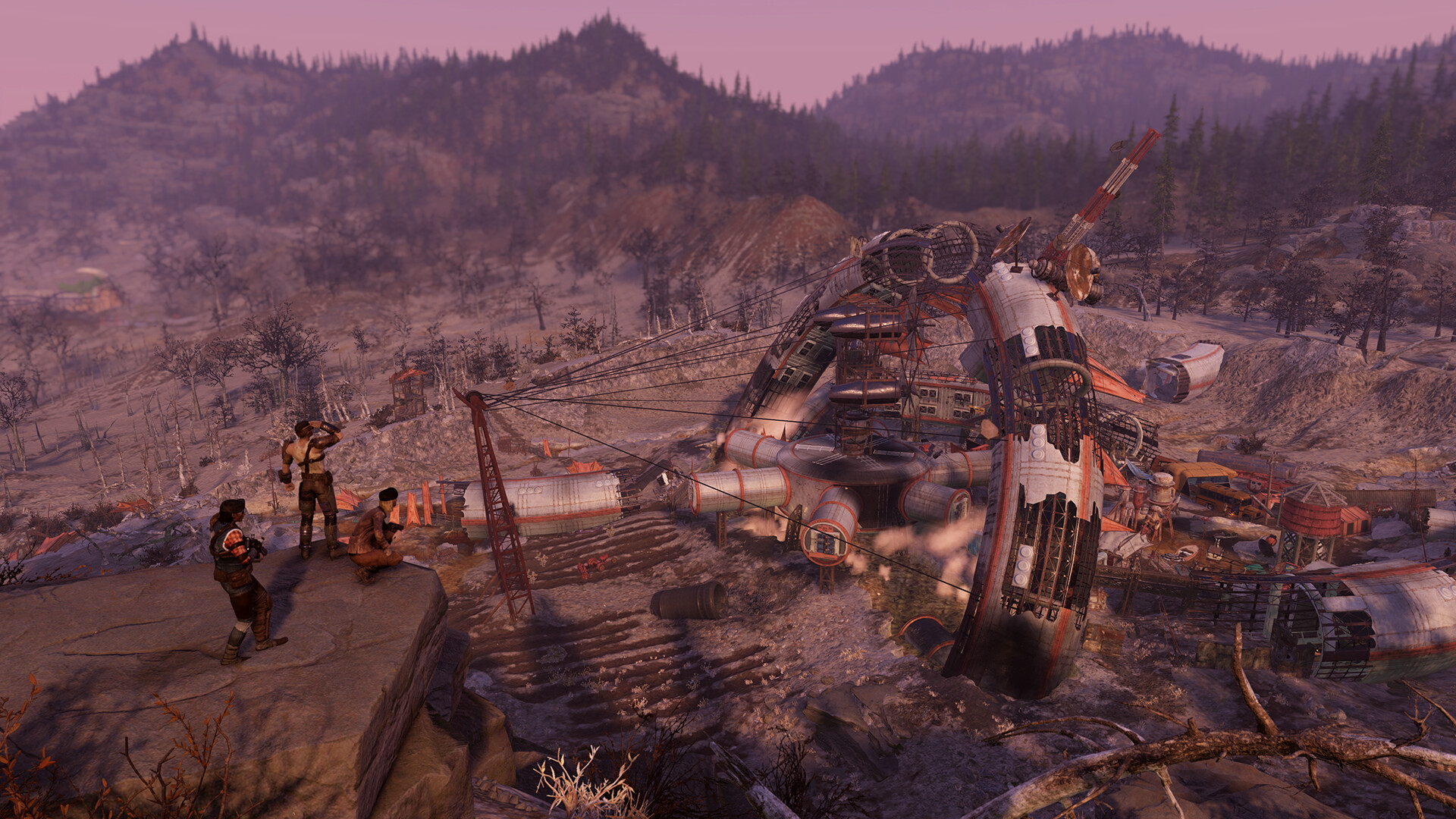
- Territory Reclamation: The update unlocks nearly 40 unique locations across the map. These areas, once abandoned or dormant, have been seized by the wasteland’s most persistent threats, including Super Mutants, the Scorched, and malfunctioning pre-war robots.
- Dynamic Combat Loops: Players are tasked with clearing these "infested" zones to reclaim them for the Wastelander population.
- Adaptive Difficulty: Following player feedback during the initial launch window, Bethesda is actively scaling the difficulty. Developers noted that high-level players were clearing content faster than anticipated, leading to plans for "Infestation Quests" to become significantly more challenging in subsequent patches.
- Philosophical Continuity: The update follows the "thickening" strategy established by previous updates like "Gone Fission," which introduced fishing to the game’s various water bodies.
Chronology: From a Rocky Launch to a "Thickened" Reality
To understand the significance of the "Infestations" update, one must look at the timeline of Fallout 76’s redemption arc. The game’s history is a case study in "Games as a Service" (GaaS) persistence.
2018–2019: The Silent Era
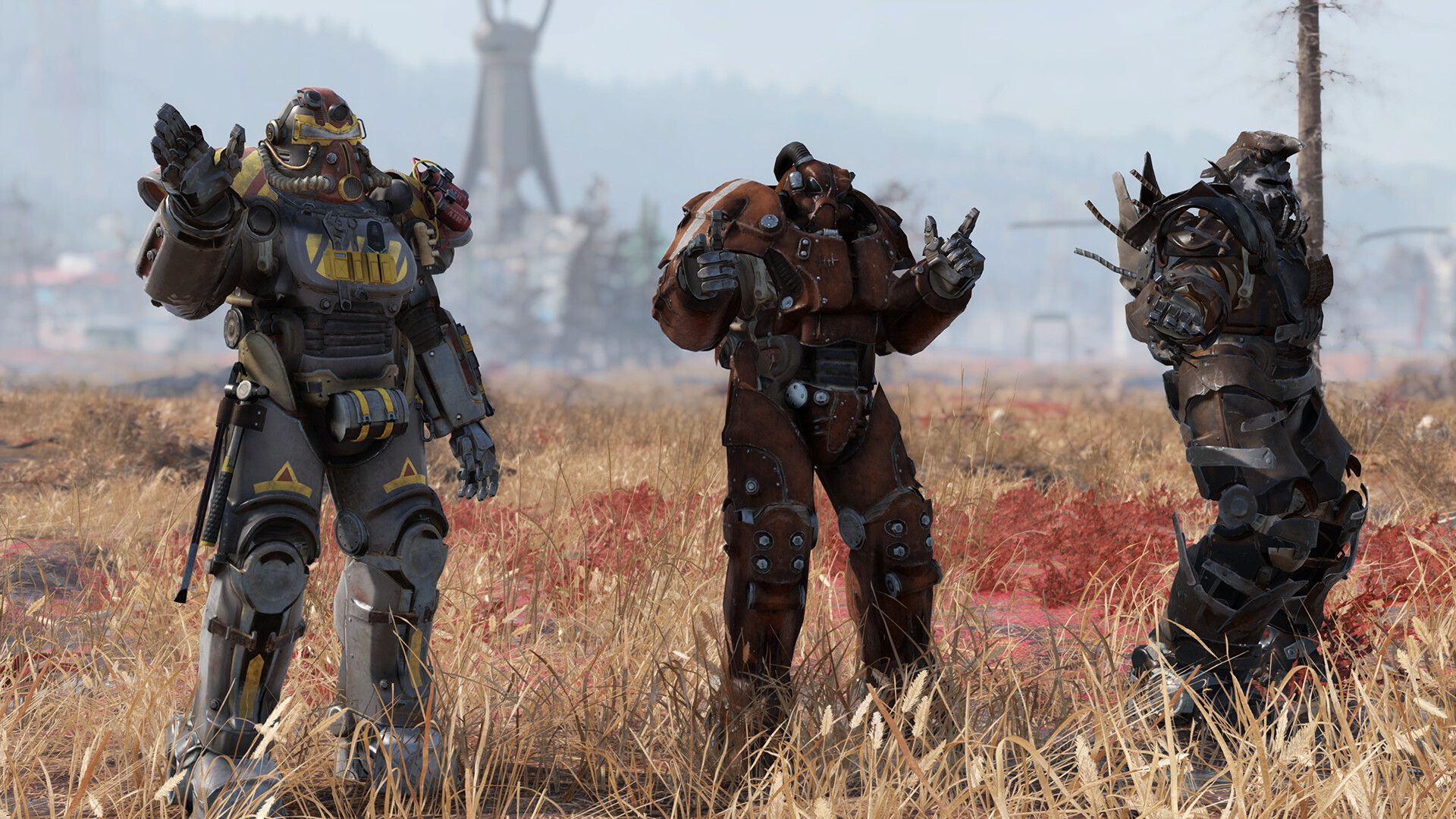
At launch, Fallout 76 lacked human NPCs, relying entirely on holotapes and terminal entries to tell its story. The community was small, and the technical hurdles were significant. Bethesda spent this year focusing on stability and fundamental "quality of life" fixes.
2020: The "Wastelanders" Turning Point
The release of the "Wastelanders" update was the game’s first major pivot. By introducing human NPCs and a traditional dialogue system, Bethesda bridged the gap between the multiplayer experience and the classic Fallout feel. This set the stage for seasonal content and a more structured narrative.
2021–2023: Expansion and Experimentation
Updates like "Steel Reign" and "The Pitt" (the first "Expedition" outside the main map) showed that the team was willing to experiment with scope. However, it was the 2025 "Gone Fission" update that signaled a change in internal strategy. Instead of just adding "new" land, the team began "thickening" the existing map—adding activities like fishing to ensure every inch of the original world remained relevant.
2026: The "Infestations" and the TV Synergy
The current era is defined by the massive influx of players following the Fallout TV show. The "Infestations" update is the 69th major content drop, arriving at a time when the game’s population is at an all-time high, requiring a balance of content for both "new-to-the-franchise" players and seasoned veterans.
Supporting Data: The Philosophy of "Thickening" the Experience
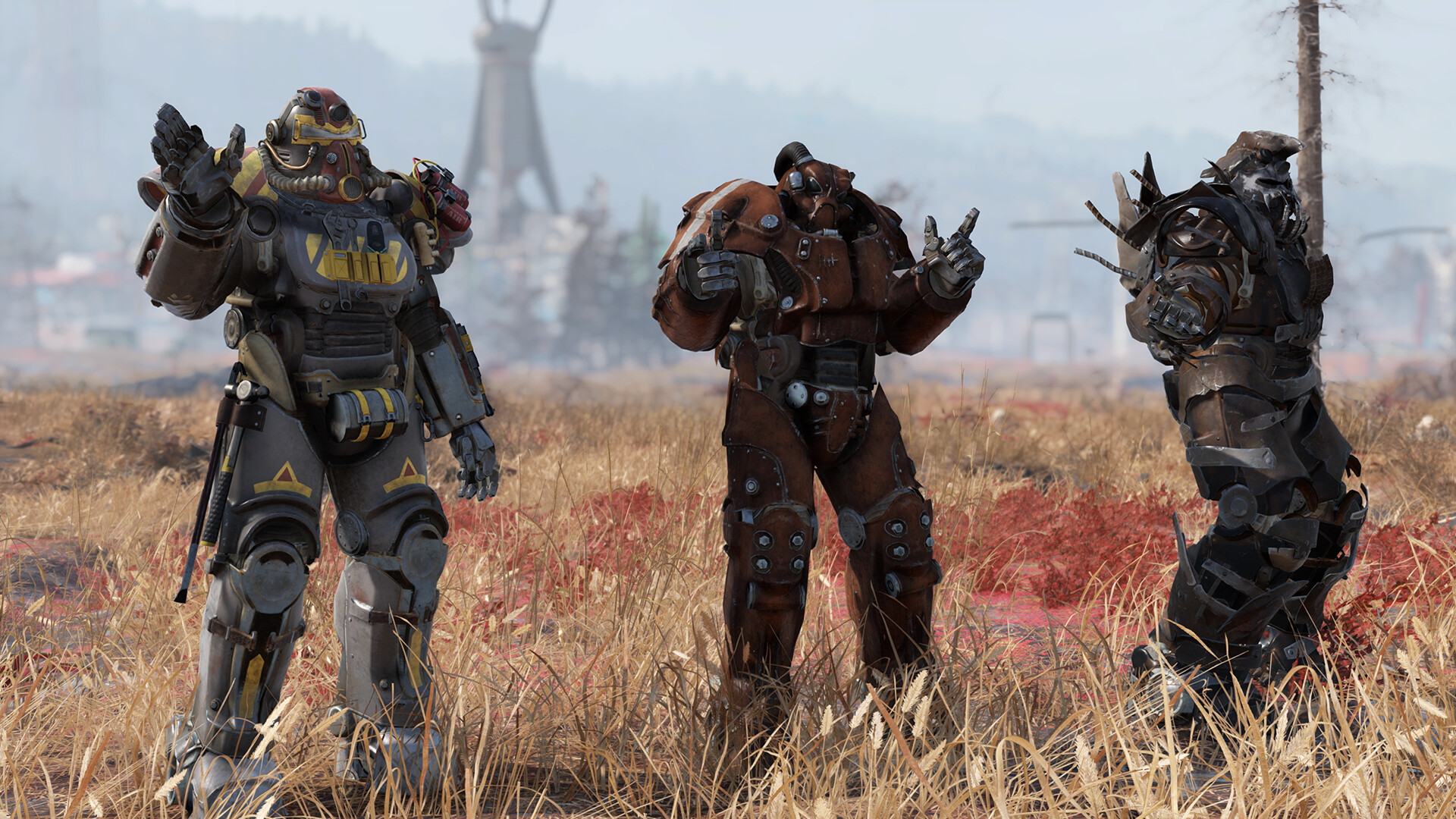
Creative Director Jon Rush emphasizes that the goal for 2026 is to ensure the world feels lived-in and reactive. He uses the term "thickening" to describe a design philosophy where existing assets are leveraged to create new gameplay loops.
"In the past, I’ve used the phrase: ‘thickening the experience of Fallout 76,’" Rush explained. "What I mean by that is that we’re always looking for ways to enrich existing features and playspaces in the game. Fishing [in Gone Fission] did exactly that. It told the player they should be exploring the whole map again, just to see what kind of stuff can be pulled out of the water."
The "Infestations" update applies this logic to combat. By taking 40 existing locations and turning them into rotating combat zones, Bethesda creates a reason for players to revisit corners of the map they may haven’t seen in years. This approach is data-driven; by monitoring player movement, the developers can see which areas of the map are underutilized and "infest" them to drive traffic back to those zones.
Official Responses: Insights from Bethesda Leadership
During the interview, Rush and LaCoste addressed the challenges of maintaining a "Fallout feel" while managing a live-service environment. One of the most surprising takeaways was the speed at which the community adapted to the new content.
On Difficulty and Player Feedback:
Jon Rush: "When we were playtesting Infestations with our team before release, they were a pretty good challenge. Little did we know, once it went live, people would be mowing through it much quicker than we ever did. So Infestation quests will get harder—much harder. Player feedback is so important."
On the Tone of the Game:
Bill LaCoste: "It’s all about getting that Fallout feel right. We’re looking for a balance between these darker, more serious tones and more levity, humorous moments. It’s the balance of these aspects wrapped under a blanket of retro-futuristic Americana that makes Fallout—that’s the Fallout sweet spot!"
On the Global Future of the Franchise:
While fans have long clamored for a Fallout game set in Europe or Asia, the directors were firm on the importance of the United States setting for the official titles, while acknowledging the brilliance of community-led projects.
Jon Rush: "Americana provides such a unique timbre to the game… if you removed that, a big part of it may no longer feel like Fallout anymore. But let me give a special shout-out to Fallout London! It’s great to see people picturing what’s happening in other parts of the world."

Bill LaCoste: "I don’t know if there will ever be an expansion beyond America, but I think there’s a lot of importance in keeping it that way—so that players can think about what is happening around the world and create their own stories."
Implications: The "Show Effect" and the Long-Term Outlook
The success of the Fallout television series on Amazon Prime cannot be overstated as a factor in Fallout 76‘s current prosperity. The show has served as a massive "top-of-funnel" marketing tool, bringing in people who have never played a video game before.
A New Demographic of Wastelanders
The developers noted a shift in the player base. It is no longer just "hardcore gamers" roaming Appalachia; it is fans of the show’s narrative and aesthetic. Rush recounted an anecdote about a waiter who recognized his Fallout phone case but had no idea the series was based on a game. This "cross-media" fertilization has led to a surge in downloads for Fallout 76, as it is the only title in the franchise that offers a social, "live" environment where fans of the show can interact.
The Community as a Feature
Perhaps the most significant implication for the future of Fallout 76 is the culture of its community. Unlike many survival-style multiplayer games, which are often defined by "griefing" and toxicity, Fallout 76 has developed a reputation for extreme altruism. High-level players frequently wait outside Vault 76 to give "newbies" (often coming straight from the TV show) armor, weapons, and supplies.
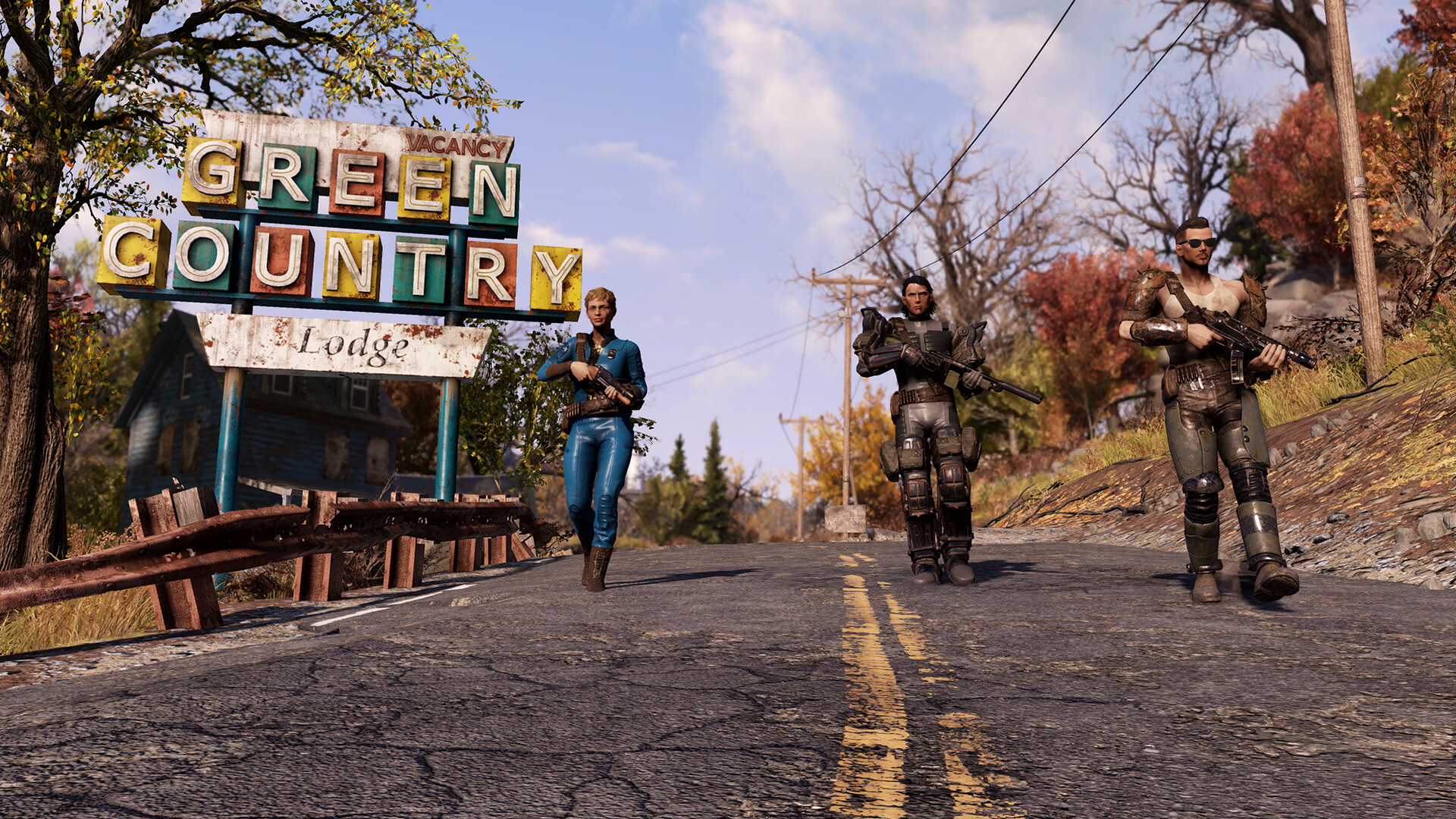
"I know that’s something you wouldn’t really expect to see in a wasteland, people being charitable," Rush noted. "But it’s been really great."
Looking Ahead
As Bethesda moves toward the latter half of 2026, the focus remains on sustaining this momentum. With Fallout 5 still years away, Fallout 76 has become the de facto platform for the franchise’s survival. The "Infestations" update proves that Bethesda is committed to the "long game," opting to refine and deepen the world of Appalachia rather than letting it stagnate. For the millions of players now calling the wasteland home, the message from Bethesda is clear: the world will continue to grow, the challenges will get tougher, and the Americana-soaked heart of Fallout isn’t going anywhere.

