

By Ryan Epps
Published September 24, 2026
Main Facts
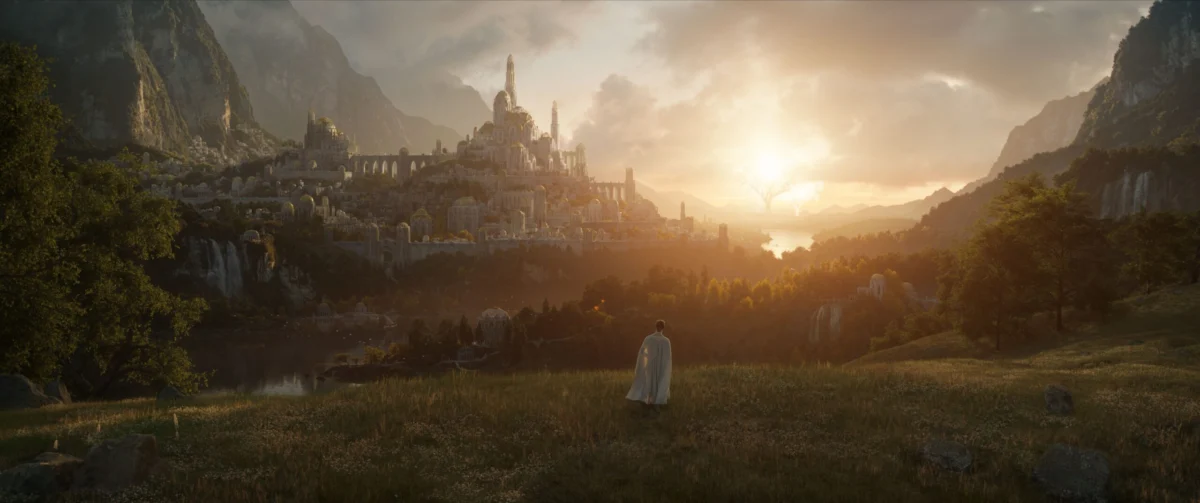
In the grand tradition of fantasy literature, finales are typically engineered for maximum bombastic impact. Authors across the genre frequently pull out all the stops, relying on sweeping cosmic revelations, monumental shifts in the geopolitical fabric of imaginary worlds, or the dramatic birth of primordial forces to bring their epics to a close.
George R.R. Martin famously concludes A Game of Thrones by reintroducing the terrifying, primordial power of magic to a skeptical world through the sudden, miraculous birth of dragons. Brandon Sanderson caps his sprawling Mistborn trilogy with universe-altering secrets and the ultimate ascension of mortal characters to literal godhood. Meanwhile, other literary architects lean heavily into existential dread and cyclical entrapment—such as the dizzying, infinite loops of Stephen King’s The Dark Tower or the deeply layered, metafictional continuities found in Andrzej Sapkowski’s The Witcher.
These are unquestionably some of the most striking and memorable closing notes in fiction. They are carefully designed to leave readers breathless, staring off into the middle distance as they contemplate the monumental scope, mythic weight, and staggering consequences of the worlds they have just inhabited.
Yet, for all the pyrotechnics and grandiosity that define modern high fantasy, the single greatest ending in the history of the genre achieves its unforgettable resonance by doing the exact opposite. It forces a fundamental literary question: Has any fantasy epic ever stuck its landing quite like The Lord of the Rings?
J.R.R. Tolkien spent three monumental volumes constructing an intricate, deeply layered mythos overflowing with apocalyptic wars, ancient and immortal Elves, fallen kingdoms, and a world-shattering ring of supreme malice at the center of it all. Yet, when the existential dust finally settles and the dark towers crumble, Tolkien flatly resists the temptation to sign off with an imperial proclamation or a sweeping panoramic view of a newly unified continent. Instead, he shrinks the narrative lens all the way down to a quiet, unassuming front porch, framing a weary Samwise Gamgee as he steps through the threshold. The world still bears jagged, indelible scars from the fires of war, but the long nightmare is finally over. Sam is home.
In a literary genre historically obsessed with cosmic grandeur, divine ascensions, and legendary martyrdom, it is this radical, heartbreaking simplicity that elevates Tolkien’s finale into an unrivaled literary masterstroke.

Chronology
To understand the profound weight of Tolkien’s closing moment, one must trace the winding, arduous path the narrative takes to get there. The journey of the Ringbearer and his companions is one of escalating scale, beginning in the comfortable, sleepy isolation of the Shire and expanding outward into a vast, perilous Middle-earth.
1. The Departure from Safety
The chronicle begins in the pastoral comfort of Hobbiton, an environment defined by small-scale concerns, seasonal harvests, and quiet community routines. However, the shadow of the One Ring swiftly pulls Frodo Baggins and his companions—Samwise, Merry, and Pippin—out of this idyllic bubble. Their initial flight from the Black Riders sets off a sprawling chain of events that exposes them to the grand stage of history: the Council of Elrond, the fracturing of the Fellowship, the grand battles of Helm’s Deep and the Pelennor Fields, and the grueling, agonizing march across the volcanic wastes of Mordor.
2. The Climax and the Liberation of the Shire
While readers might naturally expect the narrative to climax with the destruction of the One Ring in the fires of Mount Doom or the triumphant coronation of King Aragorn in Minas Tirith, Tolkien deliberately refuses to let the story end there.
Instead, the hobbits return to their homeland only to find it subverted and corrupted. The Scouring of the Shire—a sequence infamously omitted from Peter Jackson’s cinematic adaptations, though heavily implied in spirit—serves as a crucial narrative bridge. It demonstrates that evil is not merely a distant dark lord in a far-off tower, but something that can creep into the very soil of home if left unguarded. The hobbits must take up arms once more, not as grand heroes of legend, but as local liberators freeing their neighbors from the industrial tyranny of Saruman and Sharkey’s men.
3. The Wounds That Do Not Heal
Even after the liberation of the Shire, Tolkien subverts traditional fairy-tale expectations by denying his characters a pristine, untainted happily-ever-after. Frodo Baggins discovers that the physical and psychological trauma inflicted by the Ring and the Witch-king’s blade are too deep to ever fully heal. He cannot simply settle back into his old armchair at Bag End; the weight of memory is too heavy.
The true climax of the epic is not a clash of steel, but a tearful farewell at the Grey Havens. As Frodo sails away into the Undying Lands to seek peace, Samwise Gamgee is left behind to inherit Bag End, to raise a family with Rosie Cotton, and to step back into the ordinary rhythm of daily life.
4. The Final Three Words
Walking back up the hill to his green-painted front door, greeting his wife Rosie and his young daughter Elanor, Sam sits down in his armchair. With the simple, unassuming phrase—“Well, I’m back”—Tolkien brings the sprawling epic of the Third Age to a definitive, quiet close.

Supporting Data
Tolkien’s deliberate choice to focus on domesticity rather than imperial glory is supported by both literary structure and the real-world historical context that birthed Middle-earth.
The Scale of the Legendarium
- The Journey: The primary quest spans hundreds of leagues, tracking characters from the safety of the Shire across the Misty Mountains, through the ancient mines of Moria, down the Great River Anduin, into the dead marshes, and finally into the heart of Mordor.
- The Cast: The narrative manages dozens of distinct cultures, languages, and geopolitical entities—including the Rohirrim, the Gondorians, the Elves of Rivendell and Lothlórien, the Dwarves of Erebor, and the varied peoples of Harad and Rhûn.
- The Resolution: Despite this sprawling global scope, the final moments of the novel completely discard political analysis, economic rebuilding treaties, or military parades in favor of a single domestic hearth.
Forged in the Trenches of the Somme
Tolkien’s fixation on the aftermath of war rather than its glorious execution was deeply rooted in his own lived trauma. As a young British officer during World War I, Tolkien fought in the Battle of the Somme—widely recognized as one of the bloodiest and most mechanized military engagements in human history.
During the conflict, Tolkien lost nearly all of his closest friends, witnessing firsthand how modern industrial warfare could reduce human lives to mud and shrapnel. He knew intimately what happened when the smoke cleared and the surviving soldiers were ordered to pack their gear and return to England.
These men were not triumphant demigods returning from mythic quests of self-discovery; they were traumatized, shell-shocked individuals tasked with picking up physical and psychological spades to resume ordinary jobs in quiet towns. They carried invisible wounds that their neighbors could neither see nor fully comprehend.
This profound historical reality fundamentally shaped the architecture of Middle-earth. Tolkien understood with crystal clarity that the most significant part of a war story is not the defeat of the primary antagonist, but the grueling, quiet work of what happens after. History does not freeze in place simply because a dark lord falls, nor does human existence halt because a book reaches its final page. The world continues to turn, and its shell-shocked survivors must somehow find a way to live inside it.
Official Responses and Literary Criticism
Over the seven decades since the publication of The Lord of the Rings in 1954–1955, literary scholars, fantasy authors, and cultural critics have repeatedly returned to Tolkien’s final pages as a masterclass in narrative pacing and emotional payoff.
Prominent fantasy authors frequently cite the ending as the gold standard for character arcs. Acclaimed genre writers have noted in retrospectives that while worldbuilding and magic systems often capture a reader’s initial imagination, it is the emotional grounding of Samwise Gamgee’s return that solidifies the emotional stakes of the journey.
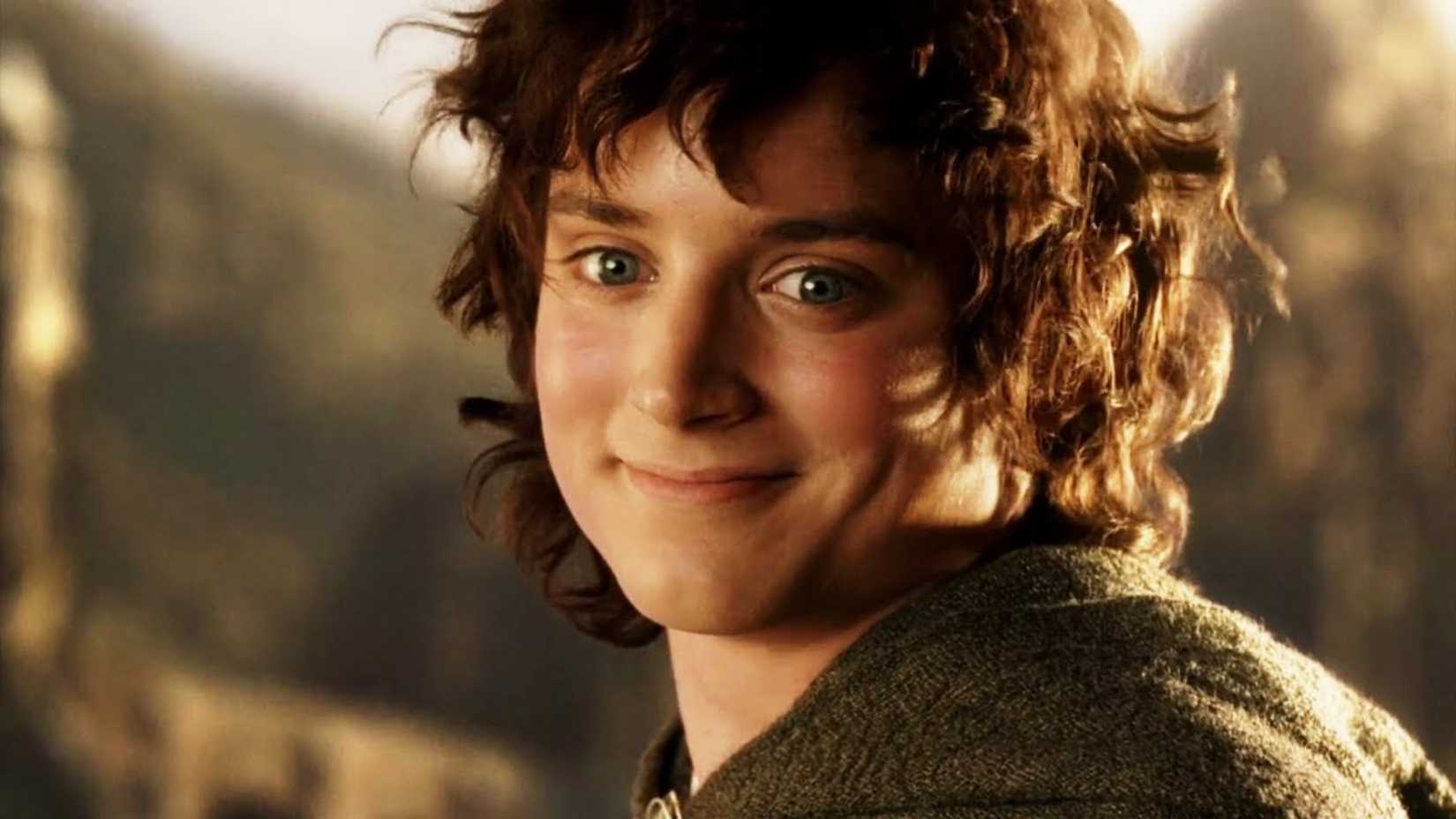
Literary critics have long emphasized that Sam’s final line functions as a thesis statement for the entire trilogy. By rejecting the temptation to close on a high fantasy cliché—such as a prophecy fulfilled, an eternal kingdom established, or a final philosophical warning—Tolkien offers a profoundly human truth: the ultimate purpose of surviving an apocalyptic quest is not the acquisition of glory, political power, or historical immortality. Rather, it is simply securing the right to return to the ordinary, fragile life that one fought so desperately to save.
Furthermore, cultural historians point out that Tolkien’s anti-war sentiment, disguised beneath layers of high fantasy mythmaking, makes the domestic conclusion not just fitting, but necessary. To have ended the book with Aragorn’s reign without addressing the psychological cost paid by the hobbits would have trivialized the very trauma Tolkien sought to process through his art.
Implications
The enduring legacy of The Lord of the Rings’ final three words extends far beyond the boundaries of 20th-century literature, casting a long shadow over modern storytelling, media adaptations, and philosophical discussions regarding the nature of heroism.
1. Redefining Heroism in Modern Media
In contemporary fantasy and science fiction—often dominated by cinematic universes, endless sequels, and characters driven by cosmic destiny—Tolkien’s ending serves as a vital counterweight. It reminds creators that scale and spectacle mean very little if an audience cannot connect with the human (or hobbit-sized) cost of the journey. Modern writers are increasingly drawing inspiration from Tolkien’s model, prioritizing character recovery, community rebuilding, and small-scale emotional resolutions over hollow, world-saving victories.
2. The Legacy of Trauma in Literature
By explicitly showing that Frodo cannot simply "go back" to the way things were, Tolkien pioneered a realistic approach to trauma in speculative fiction. This paved the way for decades of complex, psychologically scarred protagonists in fantasy and science fiction literature, shifting the genre away from unblemished, stoic medieval knights toward vulnerable individuals who must live with the permanent consequences of their battles.
3. The Sanctity of the Ordinary
Ultimately, the profound implication of “Well, I’m back” is a philosophical elevation of the mundane over the mythical. In a culture that frequently measures human worth by professional achievement, public recognition, and grand ambition, Tolkien’s masterwork quietly argues that the most sacred thing a person can do is tend their own garden, hold their family close, and participate in the quiet, unglamorous rhythm of daily life. After traversing the fires of Mordor and facing the darkest corners of existence, Samwise Gamgee reminds us that the greatest victory is simply having a home to return to—and the courage to walk through the door.

