

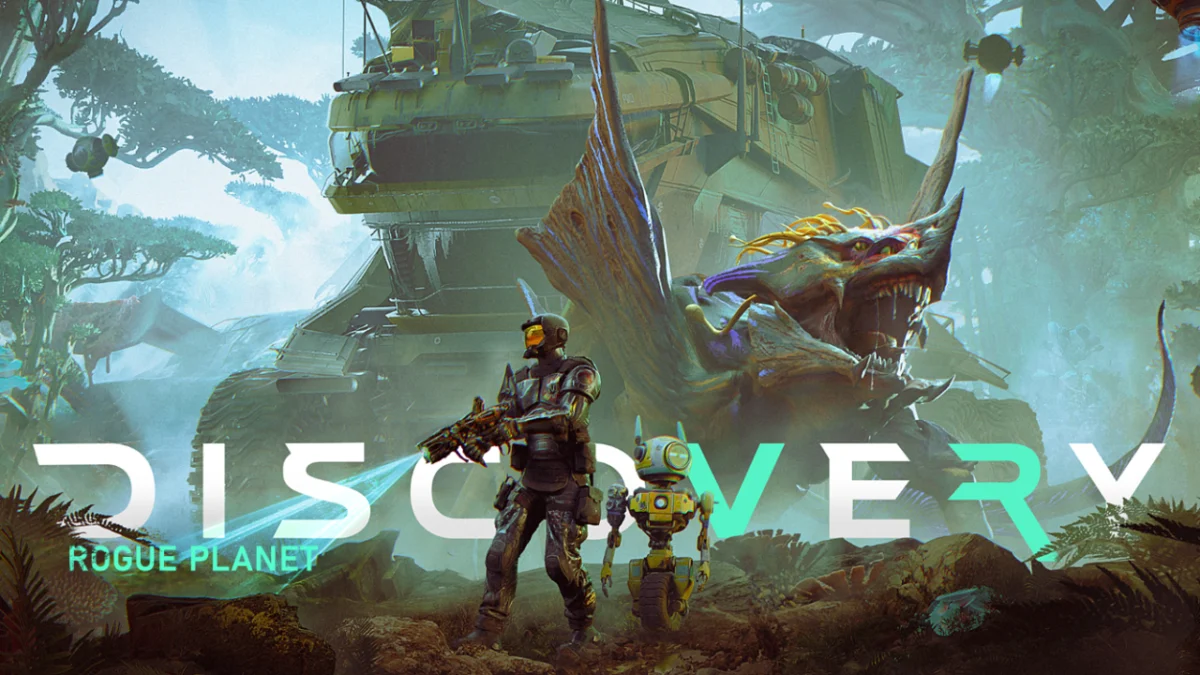
The landscape of Virtual Reality gaming is set to expand this August with the arrival of Discovery: Rogue Planet, an ambitious first-person shooter (FPS) developed by the team at Immersmind. Designed with the hardware capabilities of the Meta Quest 3 in mind, the title promises to transport players to the hostile, uncharted surface of a mysterious alien world. While the anticipation for the game is building, a confusing discrepancy regarding platform availability has left some members of the PC VR community seeking clarity.
Main Facts: A New Frontier on Rogax
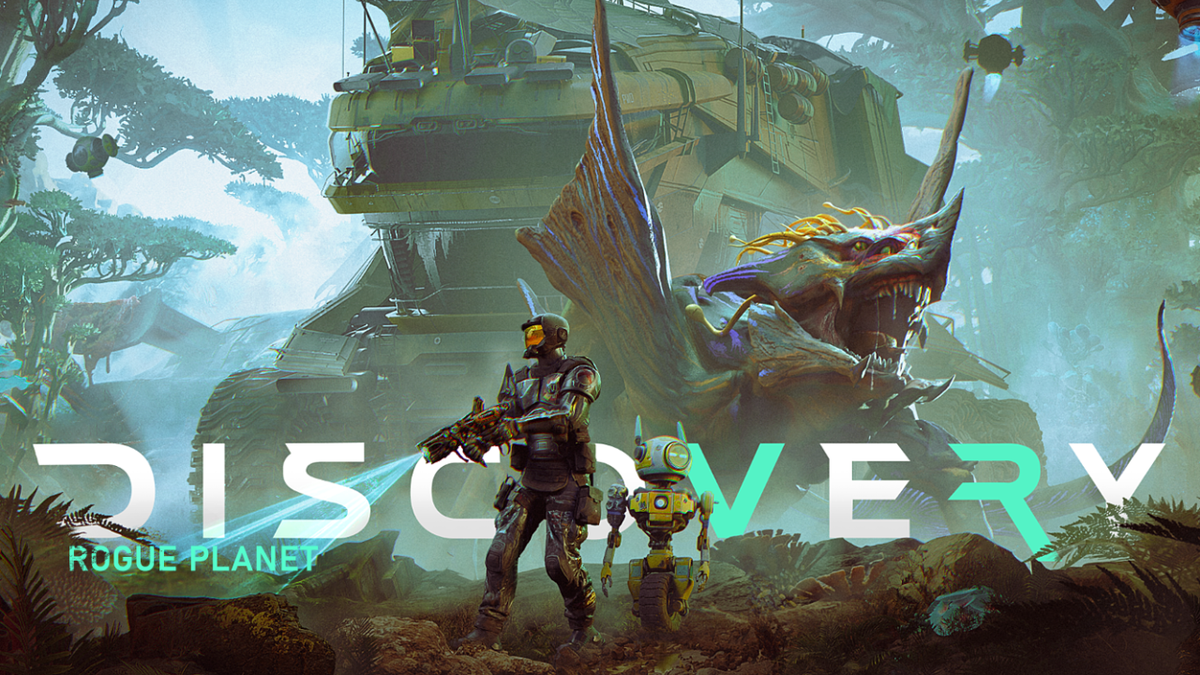
Discovery: Rogue Planet is positioned as a narrative-driven experience rather than a typical arcade-style shooter. The game is set on Rogax, a frontier planet characterized by its unforgiving environment and a hostile indigenous alien population. Players are cast as operatives tasked with navigating this perilous terrain, completing high-stakes missions that take them through diverse biomes.
The developers have confirmed that the gameplay loop will involve exploring abandoned settlements, delving into claustrophobic, forgotten mines, navigating treacherous swamps, and infiltrating heavily guarded urban centers. The core objective is not merely to survive, but to unravel the deep-seated secrets of the planet.
Despite the marketing focus on narrative, the game appears to offer a variety of playstyles. While Immersmind has explicitly stated that the main campaign is not an arena or wave-based shooter, supplementary footage released on the developer’s official YouTube channel showcases a dedicated "Arena Mode." This suggests that while the primary narrative experience will be linear and story-focused, players looking for a more intense, repeatable combat experience will have a separate venue to test their skills.
Chronology: The Road to Release
The announcement of Discovery: Rogue Planet has been marked by a somewhat fragmented rollout of information.
- Early July 2026: The initial marketing push for the title began, with Immersmind releasing the first gameplay trailer. The video, clocking in at just over a minute, provided a tantalizing look at the environmental design and the visceral gunplay mechanics that will define the user experience.
- Mid-July 2026: A game listing appeared on the Meta Horizon store, confirming an August 6, 2026, release date for the Meta Quest 3. This listing provided players with the opportunity to wishlist the title, signaling that the game is in the final stages of polish and certification.
- Late July 2026 (Present): A discrepancy has emerged regarding the game’s availability. While official press releases from Immersmind explicitly listed SteamVR as a supported platform, no corresponding Steam store page has been found as of this writing. This has created a point of friction for PC VR users who rely on Steam as their primary platform for high-fidelity virtual reality experiences.
Supporting Data: Understanding the Scope
The VR market is currently undergoing a shift where standalone headsets like the Meta Quest 3 are becoming the primary driver of development. However, the PC VR market remains the gold standard for visual fidelity and performance.
- Platform Disparity: The lack of a Steam listing is a common hurdle in the indie development space. Often, developers prioritize certification on one storefront—in this case, Meta—before finalizing the backend requirements for Steam’s publishing platform.
- Hardware Integration: The Quest 3 features advanced mixed-reality capabilities and high-resolution optics. Discovery: Rogue Planet aims to leverage the device’s onboard processor to handle complex physics and enemy AI, which are crucial for a narrative-heavy shooter.
- Content Density: The move away from "wave-shooter" mechanics is a significant design choice. The industry has seen a glut of low-effort wave shooters; by pivoting to a narrative-focused campaign, Immersmind is attempting to capture the demographic of players who enjoyed titles like Half-Life: Alyx or Into the Radius.
Official Responses and The "SteamVR" Mystery
The most pressing question surrounding the game’s launch concerns the missing SteamVR store page. In an industry where cross-platform accessibility is vital for community building, the absence of a Steam listing for a game touted as "supported" is significant.
We reached out to Immersmind for comment regarding the status of the Steam version. At the time of publication, the developers have not provided a definitive statement regarding why the store page is absent, nor have they confirmed if the August 6 release date will apply to the PC version or if it will be delayed.
It is possible that the Steam release is subject to a different internal timeline, or that there were technical roadblocks encountered during the porting process. Historically, indie studios have occasionally struggled with the administrative side of multi-platform launches. We will continue to monitor the situation and provide updates as soon as the developer clarifies the discrepancy.
Implications for the VR Industry
The release of Discovery: Rogue Planet carries several implications for the future of the medium.
1. The Rise of the "Narrative-First" Shooter
For years, VR gaming was defined by arcade experiences. As developers become more comfortable with VR locomotion and user comfort, we are seeing a shift toward deeper, more complex storytelling. If Discovery: Rogue Planet succeeds, it will prove that players are looking for worlds to inhabit, not just targets to hit. The inclusion of an "Arena Mode" alongside a "Narrative Campaign" is a clever compromise—it allows the game to cater to both the hardcore competitive crowd and the immersive, story-loving audience.
2. The Quest 3 as the Primary Development Target
The fact that the Meta Horizon store listing is live while Steam remains dark underscores the current reality of the VR market: the Quest ecosystem is where the volume—and often the profit—resides. For many indie developers, the Meta store is the primary focus, with PC VR often becoming a secondary, "nice-to-have" port. While this is an understandable business decision, it risks alienating the enthusiast PC VR community if parity is not maintained.
3. The Importance of Transparency
The confusion surrounding the Steam listing serves as a reminder of the importance of clear communication. In the age of digital distribution, wishlisting is a vital metric for game developers. When information is inconsistent across platforms, it creates unnecessary anxiety for the consumer base. Developers who prioritize open communication—even when acknowledging delays or issues—tend to foster a much stronger relationship with their player base.
Looking Ahead to August 6
As we approach the August 6 launch date, all eyes will be on Rogax. The game’s premise—exploring a hostile, alien frontier—is a classic sci-fi trope that, if executed well, could offer a uniquely terrifying and exhilarating experience in virtual reality. The potential to scavenge through abandoned mines and face off against alien threats in a fully immersive 360-degree environment is a compelling hook.
Whether the game arrives on Steam simultaneously with its Quest 3 counterpart remains to be seen. For now, prospective players on the Meta platform can secure their access via the Horizon store. Those who prefer to play on PC should keep a close watch on the developer’s social media channels and official website for an announcement regarding the Steam storefront.
In the final analysis, Discovery: Rogue Planet represents a significant effort to elevate the standard of VR shooters. By blending the frantic intensity of arena combat with the slow-burn mystery of a frontier exploration story, Immersmind is swinging for the fences. If the technical execution matches the ambition of the world-building, Rogax may become one of the most memorable destinations in the VR gaming landscape this year.
We remain committed to tracking this story as it develops, particularly regarding the PC VR release, and will provide further analysis once we have had the opportunity to go hands-on with the title. Until then, the mystery of the Rogue Planet continues to loom large.

