

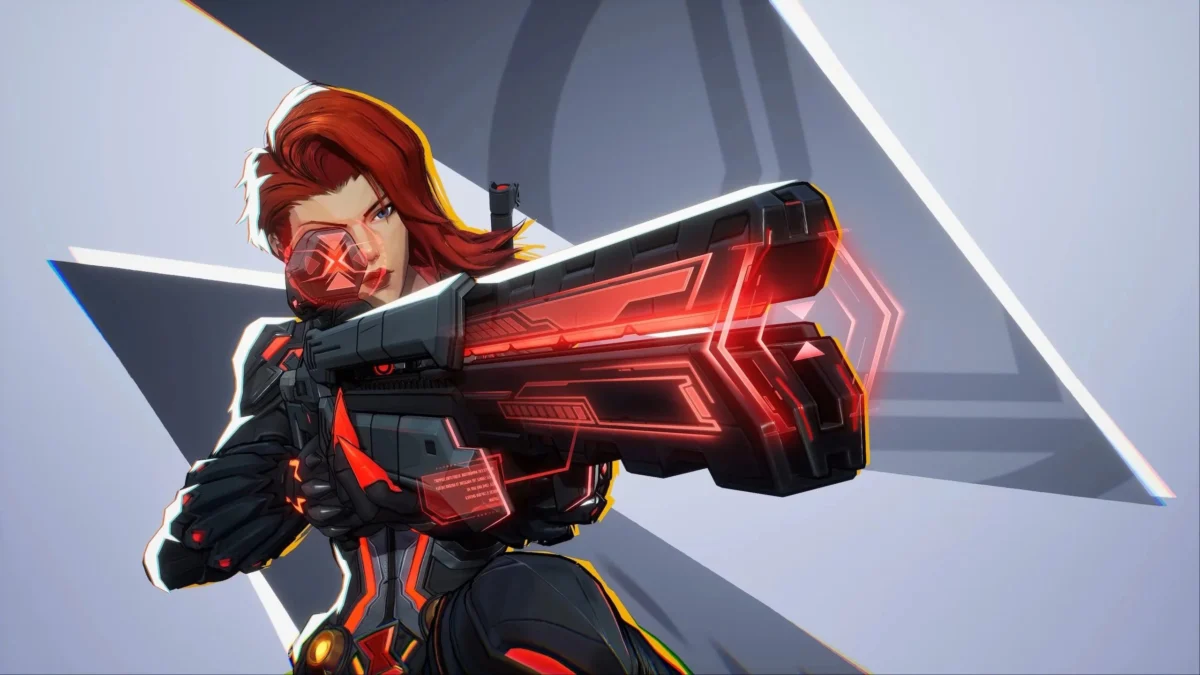
For nearly two years, Natasha Romanoff—the legendary Black Widow—existed in Marvel Rivals as a character defined more by her limitations than her legacy. Since the hero shooter’s launch in December 2024, the character has been the subject of intense community debate, balancing controversies, and a recurring sense of identity crisis. Players often argued that her original kit, which relied heavily on a sniper-centric playstyle, felt like a forced homage to genre predecessors rather than an authentic representation of Marvel’s premier super-spy.
However, with the launch of Season 9 on July 10, 2026, developer NetEase Games has finally course-corrected. By stripping away the restrictive sniper-focused mechanics and leaning into her identity as an agile, gadget-heavy brawler, the studio has transformed Black Widow from a niche, often underpowered pick into a high-octane force on the battlefield.
The Evolution of a Legend: A Chronology of the Widow
To understand why this rework is being heralded as a triumph, one must look at the trajectory of Black Widow within Marvel Rivals.
- December 2024 (Launch): Marvel Rivals debuts with Black Widow occupying a long-range, precision-based "Duelist" role. Her kit was anchored by an aim-down-sights (ADS) sniper mechanic that felt disconnected from her comic book roots as a martial artist and infiltration expert.
- 2025 (The Era of Contention): Throughout the following year, the character became a lightning rod for community frustration. Her reliance on a slow-firing sniper rifle meant that in a fast-paced hero shooter, she consistently lagged behind other Duelists in damage output. Her stamina-gated movement and high-cooldown melee attacks made her a sitting duck in close-quarters combat.
- Early 2026: Player feedback reached a fever pitch. Competitive tournaments saw Black Widow relegated to the bottom tier of viability. Pro players frequently noted that her kit lacked the "flow" required to compete with the mobility-heavy meta of Rivals.
- July 10, 2026 (The Season 9 Update): The arrival of Jubilee was accompanied by a total structural overhaul of Black Widow. NetEase officially removed the mandatory sniper mode from her base kit, shifting it to an Ultimate ability, and introduced a new, fluid movement system.
Deconstructing the Rework: What Changed?
The mechanical changes implemented by NetEase are extensive and represent a fundamental shift in design philosophy. By prioritizing agility over static accuracy, the developers have successfully moved Black Widow into a "dive-adjacent" or "flanker" role.
The End of the Sniper Stagnation
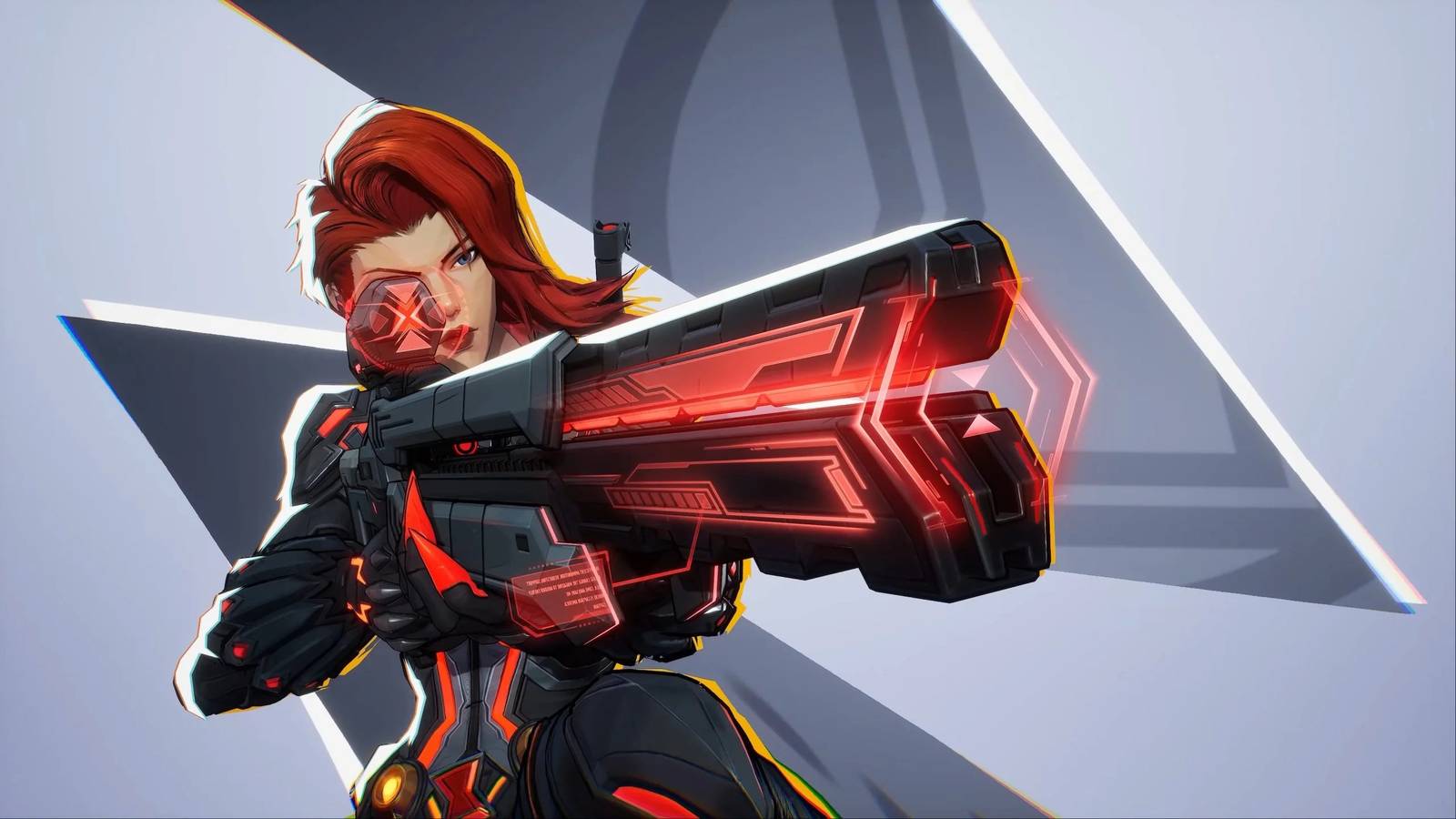
The most significant change is the removal of the ADS sniper rifle as a primary weapon. In its place, the sniper mode has been elevated to an Ultimate ability. While it still does not provide the "one-shot-kill" satisfaction that many high-skill snipers crave, the Ultimate has been buffed with larger hitboxes and piercing capabilities, allowing players to punish teams that group too closely.
Empowered Mobility
NetEase has abolished the stamina meter that previously dictated Black Widow’s movement. Players can now dash and perform empowered leaps indefinitely. This change is critical, as it allows for the kind of verticality and repositioning necessary for a character whose primary strength is infiltration.
The "Widow’s Bite" Utility
Perhaps the most welcome addition is the new airborne slam attack. By utilizing her iconic gauntlets while in mid-air, Natasha can now trigger an Area of Effect (AoE) slam upon landing. This allows her to initiate fights from unexpected angles, turning her into an aggressive disruptor rather than a passive observer. Coupled with a faster rate-of-fire on her primary pistols, she now possesses the sustained damage output to actually threaten opposing supports and backline DPS.
Supporting Data: By the Numbers
The impact of these changes is already manifesting in match statistics. Preliminary data from the first week of Season 9 indicates a sharp uptick in Black Widow’s performance metrics.
In average matches, players are reporting damage numbers ranging between 8,000 and 10,000 for standard escort matches—a significant leap from the 5,000–6,000 range she occupied pre-rework. In longer, two-round control matches, high-skill players are consistently hitting the 15,000 damage threshold.
Crucially, this data is emerging even while the player base is still acclimating to the new timing of her primary fire. With an accuracy window of 40-50%, the current damage output is likely to climb even higher as players master the rhythm of her faster firing rate. Compared to other high-tier Duelists like Mr. Fantastic or Iron Fist, Black Widow is finally playing within the same statistical bracket, validating the rework’s success.
Official Philosophy: The "One-Shot" Dilemma
NetEase Games has remained steadfast regarding their stance on "one-shot" mechanics. In internal briefings and patch notes, the team reiterated that they consider instant-elimination abilities to be detrimental to the health of a team-based shooter.
"Our goal is to ensure that every engagement feels earned and provides the opponent with a window for counter-play," a representative noted. While some fans expressed disappointment that the sniper Ultimate still requires a follow-up shot to secure a kill, the trade-off—a faster, more lethal, and more mobile base kit—has largely silenced those concerns. The developers argue that by removing the "sniper-first" identity, they have eliminated the need for a one-shot mechanic, as the character’s value now stems from sustained pressure and strategic positioning rather than singular, high-variance shots.

Implications for the Future of Marvel Rivals
The Black Widow rework serves as a blueprint for how Marvel Rivals might handle future balance issues. For years, the game leaned heavily on tropes established by pioneers like Overwatch, often forcing Marvel characters into archetypes that didn’t quite fit their lore. By "breaking" the mold of the sniper, NetEase has signaled that they are willing to prioritize character identity over genre conventions.
Realigning with the Source Material
The historical context of Black Widow—as a world-renowned gymnast, master of espionage, and gadget specialist—now finally aligns with her gameplay. The previous version of the character felt like a "Widowmaker clone," a design choice that felt lazy to many long-time comic fans. The current version, which encourages players to jump into the fray, use the environment to their advantage, and rely on her gauntlets for crowd control, feels like playing as Natasha Romanoff.
A New Meta on the Horizon
With Black Widow now serving as a viable flanker, the meta is expected to shift. Teams that rely on static, backline-heavy compositions may find themselves vulnerable to a well-played Widow who can dive the backline, secure a pick, and disappear before reinforcements arrive. This adds a layer of depth to competitive play that was previously missing, as players must now account for vertical threats that weren’t a priority in previous seasons.
Conclusion: A Worthwhile Wait
After two years of being a secondary thought in the Marvel Rivals roster, Black Widow has finally been given the tools to live up to her name. The transition from a static, restricted sniper to a fluid, high-mobility operative is not just a balance adjustment—it is a design evolution. By embracing her identity as a spy and a brawler, NetEase has breathed new life into one of Marvel’s most iconic characters. For the first time since the game’s inception, stepping into the boots of Black Widow feels like a tactical advantage rather than a liability. Whether you are a fan of the comics or a competitive shooter enthusiast, the new-and-improved Black Widow is a must-play.

