

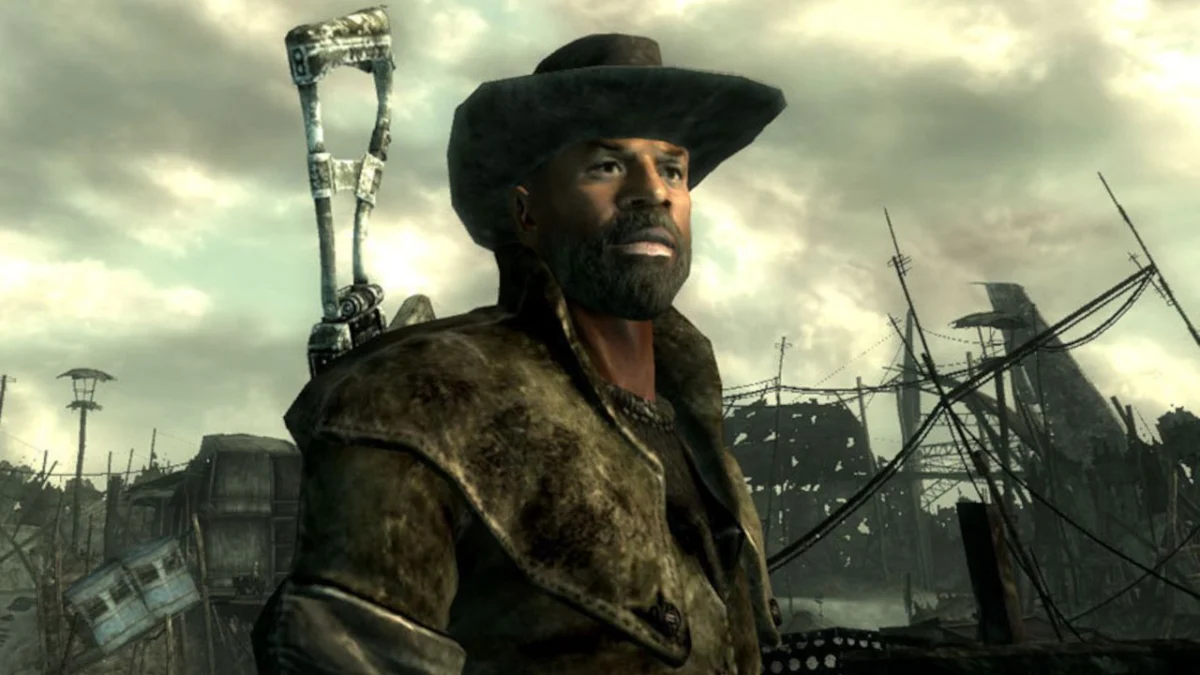
In an unprecedented "info-dump" that has sent shockwaves through the gaming industry, Bethesda Game Studios has finally broken its long-standing silence regarding its most iconic franchises. Through an extensive social media briefing and a series of coordinated updates, the studio confirmed that Fallout 5 has officially entered pre-production, while also announcing high-definition remasters of Fallout 3 and Fallout: New Vegas. Furthermore, the studio provided a status report on The Elder Scrolls 6, asserting that the game is in a playable state internally, and revealed a major new expansion for Fallout 76 titled "Raven Rock."
However, this wave of excitement arrives under a heavy cloud of controversy. The announcements come on the heels of massive layoffs at Microsoft’s gaming division, leading labor representatives to suggest that the timing of these reveals is a calculated attempt to distract the public from significant internal restructuring and job losses.
Main Facts: A Comprehensive Look at the Bethesda Roadmap
The sheer volume of news released by Bethesda today covers nearly every pillar of their portfolio. For fans of the Fallout franchise, the news is particularly dense. After years of speculation following the success of the Fallout television series on Amazon Prime, Bethesda has confirmed that Fallout 5 is now on the official docket. While the game is only in "pre-production"—meaning it is likely several years away from a full release—its status as an active project is now a matter of public record.
Simultaneously, Bethesda is looking to its past to bridge the long gap between major releases. Remasters for Fallout 3 and the fan-favorite Fallout: New Vegas are currently in development. These projects aim to bring the classic capital wasteland and the Mojave into the modern era with updated textures, improved lighting, and, crucially, stability fixes for modern hardware.
For the active community of Fallout 76, the next chapter has a name: Raven Rock. Scheduled for release next year, this expansion is being billed as a prequel story to the events of Fallout 3. It marks a significant narrative shift for the online title, as it begins to weave the threads of the Appalachian survivors more tightly into the established lore of the East Coast Enclave.
Finally, The Elder Scrolls 6, which was first teased nearly a decade ago, remains the studio’s primary focus. Bethesda leadership took the opportunity to reassure fans that the game is meeting internal milestones, stating that the development team is currently "playing it every day" and is satisfied with the visual and mechanical progress of the title.
Chronology: The Long Road to the 2026 Reveal
To understand the weight of today’s announcements, one must look at the timeline of Bethesda Game Studios over the last eight years. The studio’s trajectory has been defined by massive swings in public perception and corporate identity.
- June 2018: Bethesda releases a 30-second teaser for The Elder Scrolls 6 at E3. Fans anticipate a release within four to five years.
- November 2018: Fallout 76 launches to critical panning and technical instability. The studio begins a years-long "redemption arc" for the title.
- September 2020: Microsoft announces the acquisition of ZeniMax Media (Bethesda’s parent company) for $7.5 billion, fundamentally changing the studio’s platform exclusivity and resource pool.
- September 2023: Starfield launches as Bethesda’s first new IP in 25 years. While a commercial success, it divides the fanbase and places immense pressure on the studio to return to its core franchises.
- April 2024: The Fallout TV show premieres to massive acclaim, leading to a 600% surge in player counts across all legacy Fallout titles.
- Early 2026: Microsoft initiates a "restructuring" of its Xbox division, resulting in the layoff of 3,200 employees across various studios, including Bethesda.
- July 17, 2026: Bethesda drops today’s massive cache of news, outlining the next decade of their development cycle.
Supporting Data: Narrative Expansions and Technical Revivals
The most immediate content on the horizon is the Raven Rock expansion for Fallout 76. Since its rocky launch, Fallout 76 has seen nearly 70 free updates. According to Bethesda’s internal metrics, the game continues to host "millions of players." The Raven Rock expansion is a strategic move to capitalize on the nostalgia for Fallout 3. By positioning the story as a prequel, Bethesda is allowing players to witness the rise of the Enclave’s presence in the Capital Wasteland region, potentially explaining the origin of the sophisticated AI and military infrastructure encountered by the "Lone Wanderer" years later.
The remasters of Fallout 3 and New Vegas serve a different but equally vital purpose. Industry analysts note that these titles have become increasingly difficult to run on modern PC operating systems without extensive community modding. By bringing these games to the "Creation Engine 2" (the engine powering Starfield), Bethesda can ensure these titles remain "evergreen" assets on Xbox Game Pass.
Regarding The Elder Scrolls 6, the statement that the team is "playing it every day" suggests that the game has moved out of the pre-production phase and into full-scale production. Historically, when Bethesda moves into the "daily play" phase of development, the game is roughly 24 to 36 months away from a public launch, placing a potential release window in the 2028–2029 range.

Official Responses: From Corporate Optimism to Union Skepticism
The tone of Bethesda’s official announcement was one of deep gratitude and long-term commitment. In the Twitter post, the studio stated:
"We love making these worlds as much as you love playing in them. Today, we want to share what’s next for Bethesda Game Studios and what you can expect from us in the years ahead. For forty years, we’ve built games that have entertained almost… the journey is far from over."
Regarding The Elder Scrolls 6, a spokesperson added: "We’re where we planned to be, loving how it looks, and playing it every day. It’s a dream project for many of us, and we are taking the time necessary to ensure it lives up to the legacy of Skyrim."
However, the response from the workforce has been markedly different. The Communications Workers of America (CWA), the labor union representing Bethesda Game Studios employees in the United States and Canada, issued a stern warning to the public. The union argues that the timing of these "hype-inducing" announcements is no coincidence.
"Don’t fall for it," a union representative stated. "The news of Fallout 5 and Elder Scrolls 6 progress is being used as a shield to distract from the fact that 3,200 of our colleagues—the very people who built these worlds—were eliminated in the most significant restructure in Xbox history. These games are built on the labor of people who are now being discarded."
Implications: A Strategic Pivot and a Fragile Future
The implications of today’s news are twofold: they represent a "Fallout-first" strategy for Microsoft and a precarious balancing act for Bethesda’s public image.
The "Fallout" Renaissance
By greenlighting Fallout 5 pre-production and two major remasters simultaneously, Microsoft is clearly leaning into the Fallout brand as their premier intellectual property. The success of the television show proved that the IP has "trans-media" appeal that exceeds even The Elder Scrolls. This strategy ensures that even if Fallout 5 is a decade away, the brand remains "warm" through remasters and ongoing live-service content in Fallout 76.
The Labor Crisis
The tension between the studio’s creative output and its corporate management has reached a breaking point. The 3,200 layoffs at Xbox have decimated mid-level management and QA (Quality Assurance) teams—the exact roles required to polish massive open-world RPGs. If Bethesda continues to announce ambitious projects while reducing its workforce, there is a significant risk of "development hell" or the release of technically unstable products, reminiscent of the Fallout 76 launch in 2018.
The Elder Scrolls 6 Benchmark
For The Elder Scrolls 6, the stakes could not be higher. It is currently the most anticipated RPG in the world. By confirming that the game is playable, Bethesda has effectively started the final countdown. However, the gaming landscape has changed since Skyrim (2011). Competitors like Baldur’s Gate 3 and The Witcher series have raised the bar for narrative depth and mechanical complexity. Bethesda must now prove that their traditional "sandbox" formula can still lead the industry in a post-2026 market.
In conclusion, while the roadmap provides a thrilling glimpse into the future of two of gaming’s most beloved franchises, it also serves as a reminder of the industry’s volatility. Fans have much to look forward to, but the road to the Wasteland and Tamriel is currently paved with both immense creative ambition and deep structural uncertainty. As the "Raven Rock" expansion nears its release next year, all eyes will be on Bethesda to see if they can deliver on their promises while navigating the most turbulent period in their forty-year history.

