

By Gaming Industry Desk
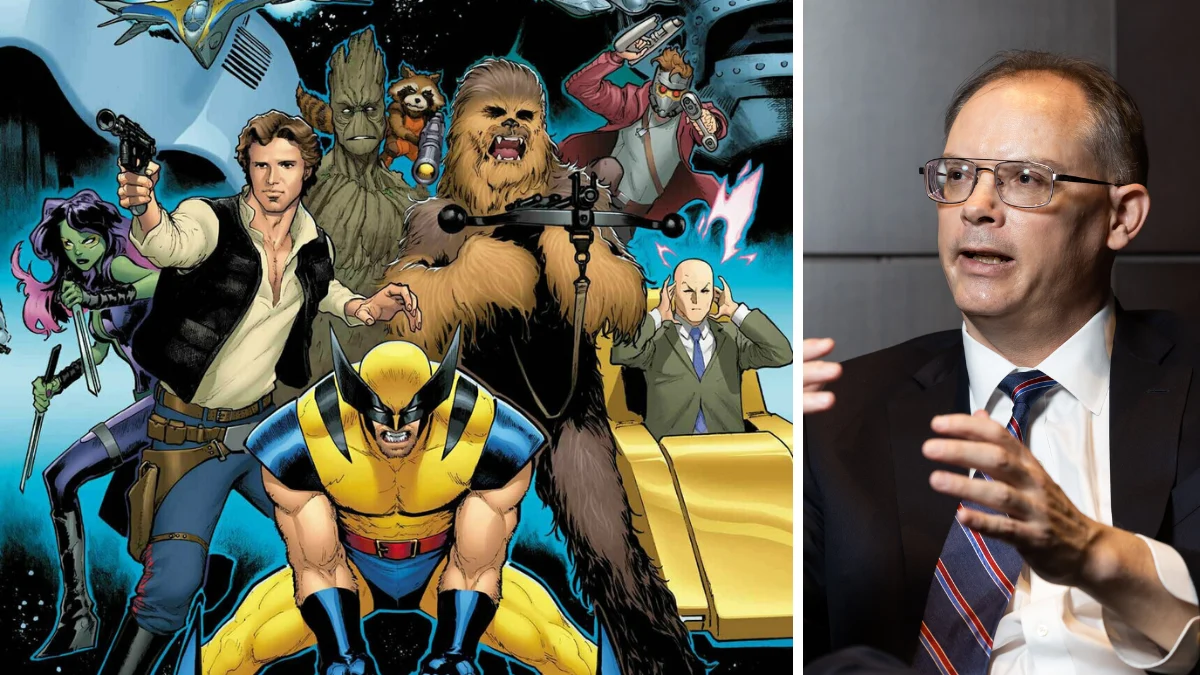
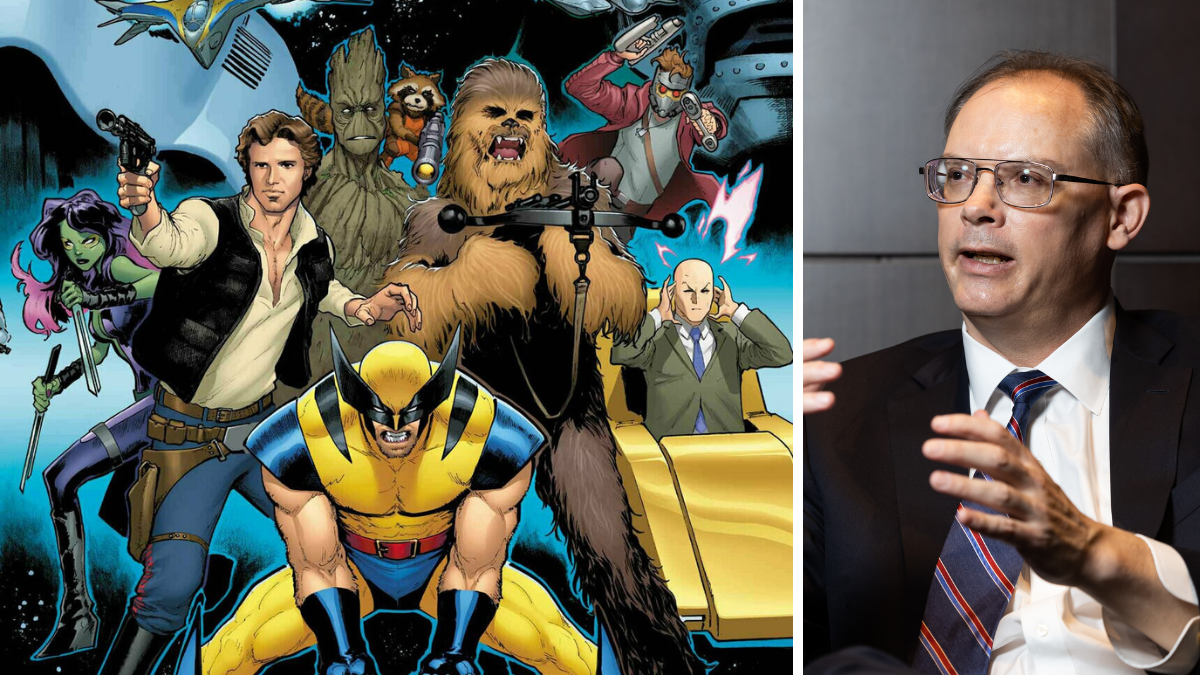
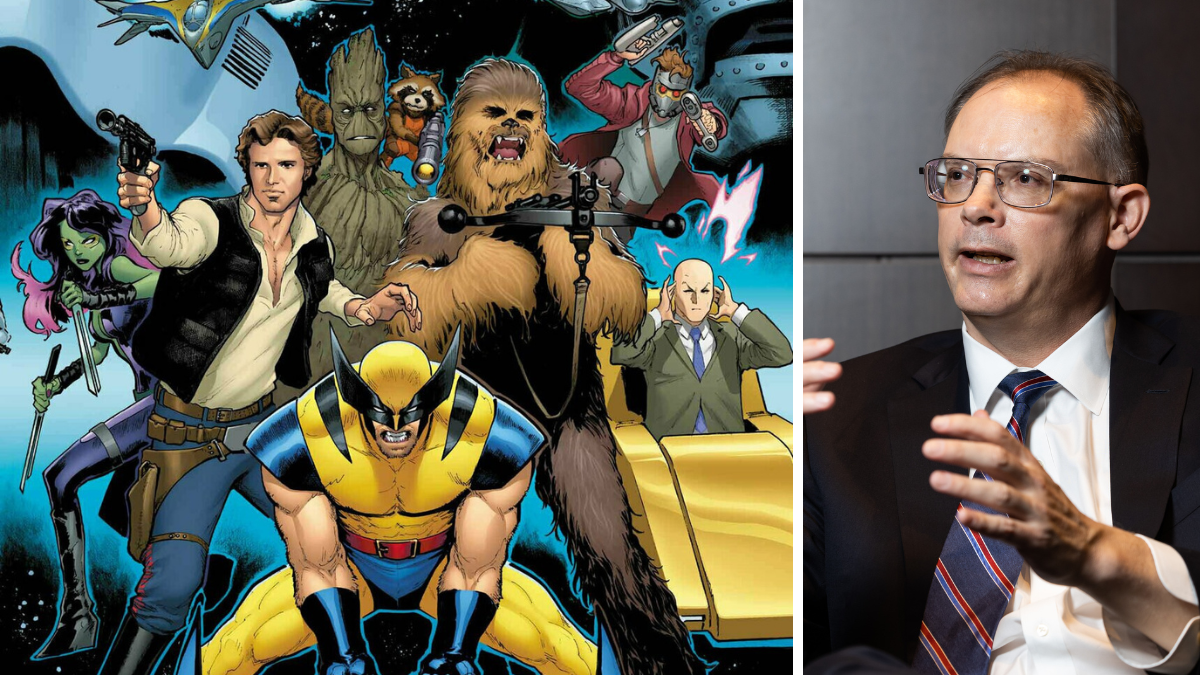
Epic Games has indefinitely delayed an unannounced, highly anticipated multiplayer shooter combining two of the most lucrative intellectual properties in entertainment history: Star Wars and Marvel. Originally slated for release in March 2027, the crossover project has been pushed back following an internal company-wide directive instructing development teams to immediately adopt an "AI-first" production model.
The abrupt pivot marks a profound and potentially risky turning point for Epic Games, signalling a broader, more aggressive integration of generative artificial intelligence into mainstream, high-budget video game development.
Main Facts
The undisclosed Star Wars and Marvel shooter, which features key art hinting at a monumental multimedia crossover, has been put on indefinite hold. According to internal communications leaked to the press, Epic Games management briefed staff last week regarding a fundamental restructuring of the project’s production pipeline.
Under the newly instituted "AI-first" framework, developers are required to utilize advanced machine learning systems—specifically referencing tools such as Anthropic’s Claude—to drive core programming, narrative design, and level layout. Furthermore, internal mandates stipulate that all promotional and in-game asset art must be generated using end-to-end artificial intelligence workflows.
The decision has sent shockwaves through the studio and the broader gaming community, raising urgent questions regarding the future of human creative labor in AAA game development, the long-term quality of corporate-mandated media, and the financial pressures facing even the industry’s most dominant giants.
Chronology of Events: From Layoffs to the AI Pivot
To understand the suddenness of Epic’s shift toward generative AI, it is necessary to examine the cascading operational challenges the company has faced over the past several years:
- Late 2023 – Early 2024: Epic Games navigates ongoing, high-stakes antitrust legal battles against technology monoliths Apple and Google. Concurrently, the studio experiences tightening profit margins as hardware console sales experience a broader market slowdown.
- March 2024: Citing unsustainable spending practices relative to incoming revenue, CEO Tim Sweeney oversees a massive restructuring effort, laying off more than 1,000 employees. Sweeney publicly admits that the company was "spending significantly more than [it was] making," noting difficulties in maintaining the intensive production cadence required to deliver fresh, compelling seasons of Fortnite.
- Late 2024 – 2025: Development on the high-profile Disney-partnered Star Wars and Marvel crossover shooter ramps up. Teams target a March 2027 release window, envisioning a tentpole live-service title that merges Disney’s powerhouse franchises within Unreal Engine.
- October 2026: Facing persistent development bottlenecks, ballooning operational costs, and the ongoing pressure to maximize profit margins, executive leadership abruptly halts the project’s traditional timeline. Staff are instructed to dismantle existing workflows in favor of a comprehensive "AI-first" production model.
- Present Day: The project is delayed indefinitely. CEO Tim Sweeney takes to social media to defend the strategic vision, while industry analysts and internal developers grapple with the implications of automated game creation.
Supporting Data and Industry Context
The integration of generative artificial intelligence into the video game industry is no longer a speculative horizon; it is an active, contentious reality. However, Epic’s decision to apply an AI-first mandate to a premier, billion-dollar Disney collaboration represents an unprecedented escalation.
Financial Pressures at Epic Games
Epic’s shift comes on the heels of severe financial contraction. The studio’s 2024 layoff of over 1,000 workers decimated talent pools across QA, community management, and engineering. Industry analysts note that live-service games like Fortnite require an unsustainable amount of human capital to maintain year-round engagement. By turning to generative AI, leadership appears to be betting that automated asset generation and algorithmic writing can slash production overhead and accelerate output timelines.
The Rise of Generative Infrastructure in AAA Studios
According to recent industry surveys, over 60% of mid-to-large-scale game developers are currently utilizing some form of generative AI tool—primarily for placeholder art, rapid prototyping, and basic code completion. However, transitioning a full-scale, multi-studio production featuring marquee Disney licenses into an "AI-first" pipeline is a radical departure. Traditionally, companies have utilized AI to augment human labor; Epic’s new directive appears designed to replace foundational steps of the creative process with automated workflows.
Official Responses and Stakeholder Reactions
The announcement has triggered a wave of reactions from studio leadership, industry observers, and creative professionals.
Following the initial Bloomberg report detailing the studio-wide mandate, Epic Games CEO Tim Sweeney addressed the public via X (formerly Twitter). While Sweeney stopped short of confirming every operational detail leaked by internal whistleblowers, his commentary leaned heavily into the inevitability of industrial technological shifts. Sweeney suggested that contemporary audiences and critics resistant to AI integration are experiencing a form of technological nostalgia, wishing to return to the simpler development climate of 2016 rather than adapting to modern economic realities.
Conversely, labor advocates and creative guilds have expressed profound alarm. Representatives from writer and artist unions point out that leveraging generative tools trained on copyrighted works—without explicit consent or compensation for foundational creators—creates a legal and ethical quagmire. Furthermore, developers currently assigned to the Star Wars and Marvel project have privately voiced frustration, noting that forcing an AI-first workflow onto deeply established lore risks producing derivative, low-quality output that alienates core fandoms.
Implications: What Does an "AI-First" Future Mean for Gaming?
The indefinite delay of the Epic-Disney crossover and its conversion into an AI-driven experiment carries profound implications for the future of interactive entertainment.
1. The "Slop" Convergence and Aesthetic Homogenization
Critics have pointed out an ironic aesthetic convergence surrounding the project. Modern digital pop culture—particularly the hyper-saturated, cross-promotional ecosystems of Fortnite, Marvel, and Star Wars—already shares a glossy, commercialized visual language that many internet commentators liken to automated content generation.
As industry critic Shaun Prescott observed, when you cross-pollinate properties that already look like digital plastic, introducing generative AI tools creates a closed loop: "This is the abyss staring back into the abyss." The fear is that games developed primarily by algorithms will accelerate the homogenization of media, replacing genuine artistic friction and human idiosyncrasy with mathematically predictable averages.
2. The Tech Industry’s "Inevitability" Doctrine
Sweeney’s stance highlights a broader philosophical battleground within Silicon Valley and the gaming sector: the doctrine of technological inevitability. Major technology firms frequently frame disruptive shifts—such as the transition to algorithmic social media feeds, aggressive monetization models, and now generative AI—as unavoidable tides that consumers and workers must simply learn to tolerate.
Tech platforms possess a unique structural advantage in this regard. By controlling the dominant distribution channels (such as the Epic Games Store, Unreal Engine, and major live-service ecosystems), companies can effectively dictate the terms of consumption. As history demonstrates with past digital transformations—such as the widespread adoption of intrusive user tracking or algorithmic content feeds—public resistance often yields to systemic normalization. The tech industry operates on the assumption that even if users initially abhor a technological shift, convenience, market saturation, and lack of alternatives will ultimately force compliance.
3. Project Viability and Brand Risk
For Disney, whose intellectual properties are among its most fiercely guarded assets, allowing a marquee Star Wars and Marvel crossover to serve as the guinea pig for an unproven AI production model is a high-stakes gamble. If the resulting game feels soulless, buggy, or overly reliant on recognizable tropes generated by Claude and automated art models, it could severely damage the brand equity of both universes.
Conversely, if Epic manages to successfully deliver a commercially viable product through automated workflows, it will serve as a watershed moment—proving to corporate boardrooms globally that human creative teams can be aggressively downsized in favor of machine-driven pipelines.
Conclusion
As the Star Wars and Marvel shooter languishes in indefinite delay, the video game industry finds itself at a historical crossroads. Epic Games’ aggressive pivot underscores a grim economic reality: as development costs skyrocket and profit margins narrow, studio executives are increasingly willing to gamble human creativity on the promise of algorithmic efficiency. Whether players will accept an era of AI-generated blockbusters—or whether the experiment will collapse under the weight of its own artificiality—remains the defining question for the next decade of gaming.

