For an entire generation of millennial gamers, the phrase "old Blizzard" carries a distinct, almost mythic weight. It invokes an era when the Irvine, California-based developer was viewed as an industry-defining titan of competence, creative integrity, and fan-first loyalty. Today, operating under the immense corporate umbrella of Microsoft, modern Blizzard often struggles to shake the perception of being just another subsidiary driven by profit margins and quarterly benchmarks.
However, the mood at BlizzCon 2026 felt remarkably different. While massive forward-looking tentpoles—such as World of Warcraft: Forever, Diablo 5, and a brand-new open-world shooter set in the StarCraft universe—dominated the convention floor and signaled a return to staggering ambition, the most resonant moments happened in the rearview mirror.
Blizzard is attempting something unexpected: breathing new life into long-forgotten legacy projects. From shock content drops for decades-old real-time strategy titles to the improbable revival of a sidelined multiplayer online battle arena, the company is signaling that it might not abandon its past entirely.
Main Facts: A Shift in Strategy at BlizzCon 2026
The headline-grabbing moments of BlizzCon 2026 were not confined to the future of the company’s premier franchises. Instead, a series of calculated retrospectives and unexpected revivals anchored the convention’s narrative:
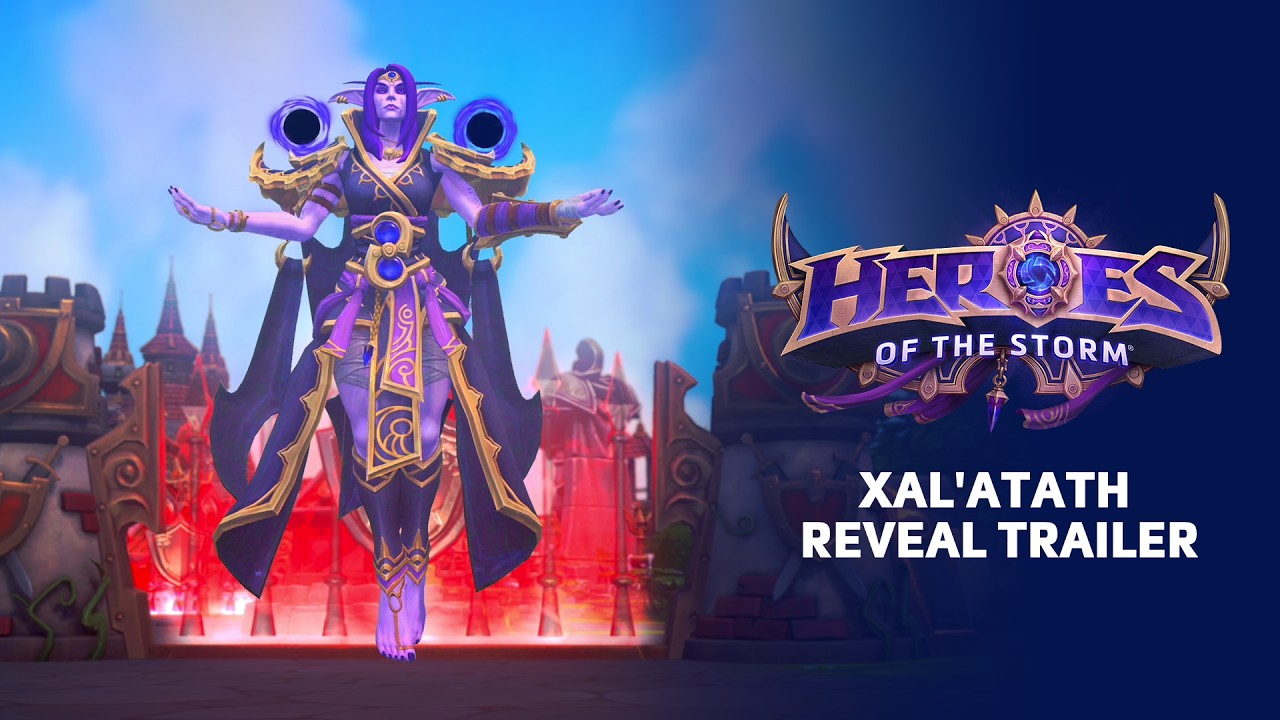
Heroes of the Storm (HotS) Revival: After being relegated to bare-bones maintenance mode in July 2022, Heroes of the Storm received its first new playable hero in six years: the World of Warcraft antagonist Xal’atath.
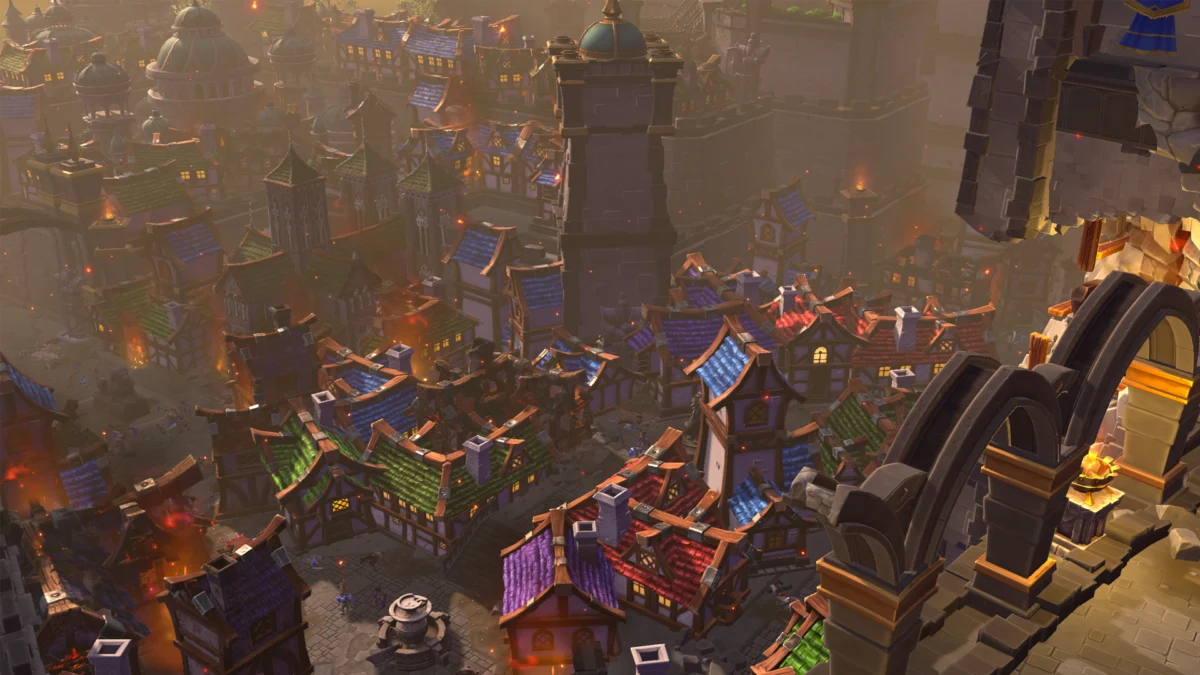
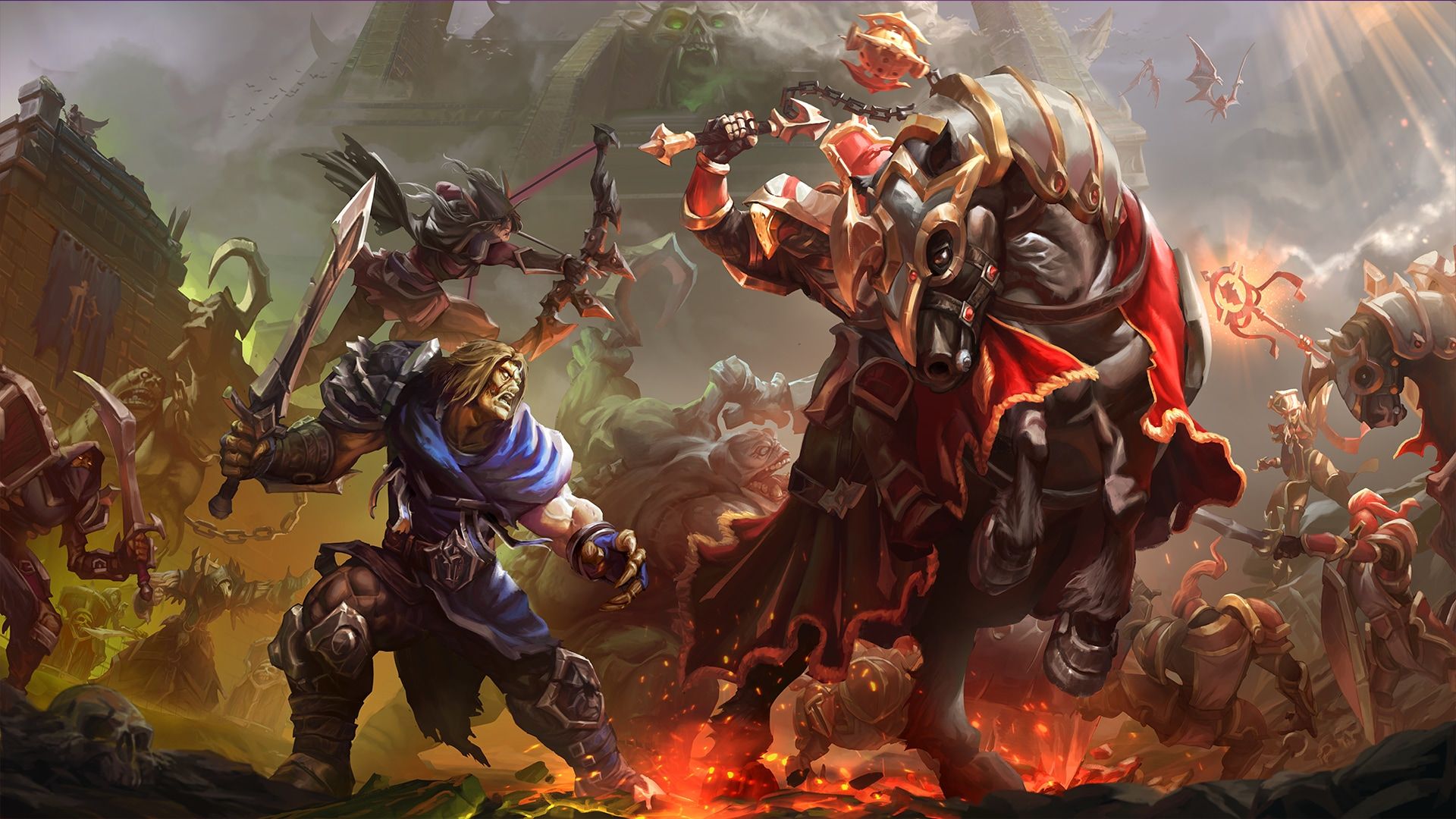
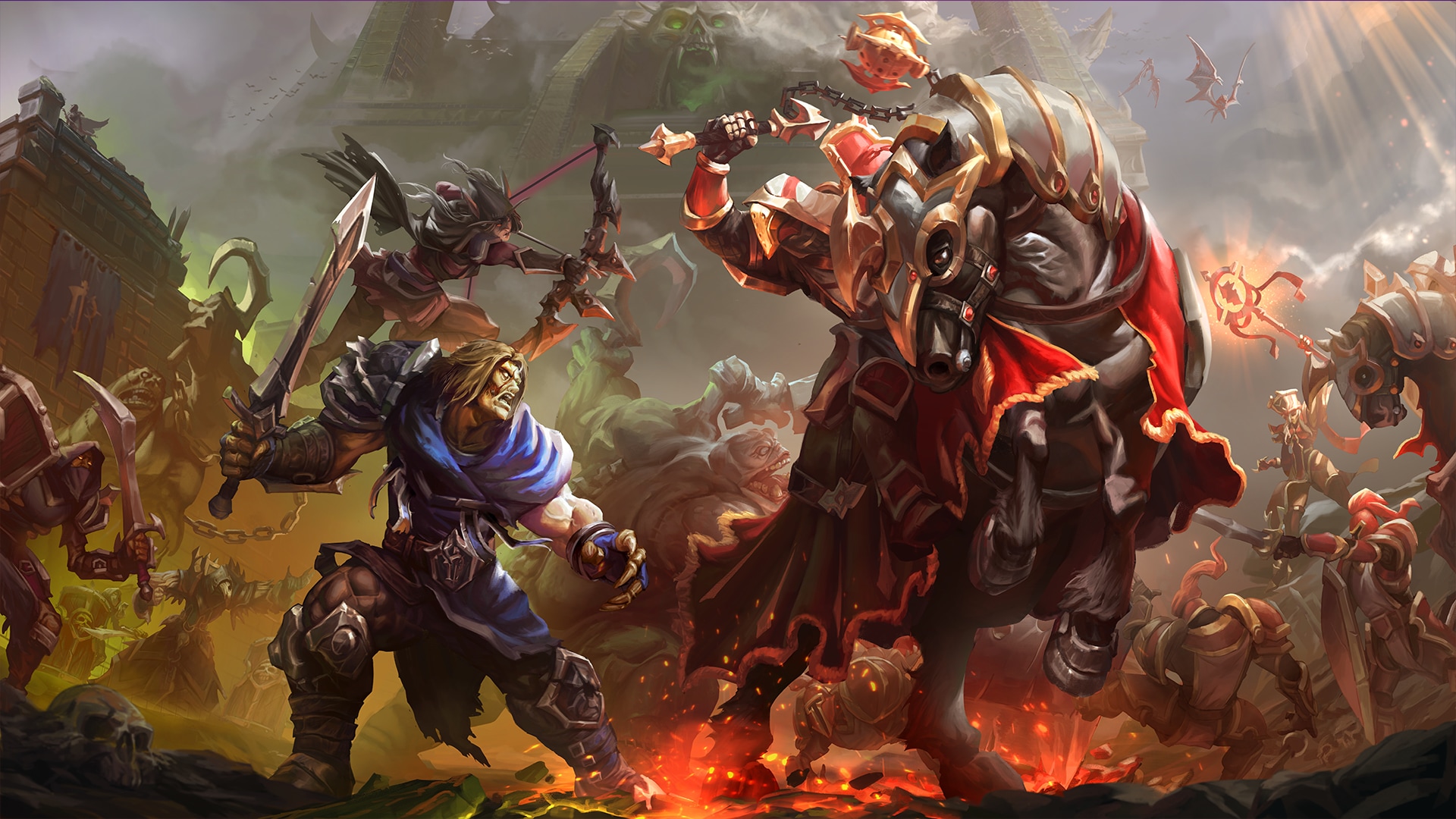
Warcraft 3: Reforged Content Drop: Following a notoriously disastrous launch in 2020, the remastered RTS received Forsaken Kingdom, a brand-new, full-length single-player DLC campaign—the first official new campaign content for the Warcraft 3 engine in over two decades.
The Diablo Conundrum: Despite massive anniversary updates for Diablo 1: Resurrected, Diablo Immortal, and Diablo 4, the critically acclaimed Diablo 3 remains conspicuously absent from the modern update pipeline, highlighting the limits of Blizzard’s newfound legacy support.
Chronology: From Abandonment to Unexpected Resurgence
To understand the weight of Blizzard’s 2026 announcements, one must trace the timeline of how these legacy titles were treated over the past decade:
2018–2022: The Sidelining of Classics
During this period, Blizzard shifted its development priorities toward live-service expansion models and massive, high-revenue sequels. Heroes of the Storm, which struggled to capture the dominant market share held by competitors like League of Legends and Dota 2, saw its esports scene abruptly cancelled in late 2018. By July 2022, Blizzard officially placed the game into maintenance mode, assuring fans that servers would remain active, but confirming that no new heroes or major features would be developed.
Simultaneously, Warcraft 3: Reforged debuted in January 2020 to scathing criticism. Plagued by missing features, downgraded visual fidelity, and broken promises regarding cutscenes, it quickly became a textbook example of a botched remaster.
2023–2025: Corporate Realignment under Microsoft
Following Microsoft’s acquisition of Activision Blizzard, the gaming giant began restructuring how it managed its vast intellectual property portfolio. While mainline teams focused heavily on Diablo 4 expansions and the future of World of Warcraft, smaller skunkworks teams and passionate internal developers began advocating for long-neglected communities. Incremental patches for Warcraft 3: Reforged slowly repaired its technical debt, proving that an internal desire to fix past mistakes still existed.
BlizzCon 2026: The Turning Point
The climax of this behind-the-scenes shift occurred on the opening day of BlizzCon 2026. When Blizzard President Johanna Faries took the stage, she did not lead with a billion-dollar blockbuster. Instead, she announced Xal’atath’s arrival in Heroes of the Storm. Minutes later, news broke regarding the release of the Forsaken Kingdom campaign for Warcraft 3.
Supporting Data & Community Reactions
The reception to these announcements has exposed a complex, deeply emotional dynamic between Blizzard and its veteran player base.
When Faries announced the Xal’atath update for HotS, the initial audience reaction in the arena was surprisingly tepid. Industry analysts noted that in a convention dominated by whispers of Diablo 5 and StarCraft shooters, a six-year-old MOBA update barely registered on the macro-economic radar. Yet, for the dedicated core community, the announcement felt seismic.
[Timeline of Legacy Support vs. Community Sentiment]
-------------------------------------------------------------------------
Year    | Event                               | Community Reaction
-------------------------------------------------------------------------
2020    | Warcraft 3: Reforged Launch         | Severe Backlash / Outrage
2022    | HotS Enters Maintenance Mode        | Resignation / Grief
2024-25 | Incremental Patching / Repairs      | Cautious Optimism
2026    | BlizzCon: Xal'atath & Forsaken Kingdom| Shock, Elation & Nostalgia
-------------------------------------------------------------------------
Subsequent metrics on community hubs like Reddit and TL.net illustrated a profound psychological shift:
The "Janitor" Effect: James Yen, affectionately dubbed the community’s "Janitor" for his quiet backend maintenance work on HotS, has carefully managed expectations in post-convention interviews, emphasizing "sustainability" over unrealistic hopes of a full competitive revival.
Pricing Controversy: The Forsaken Kingdom DLC for Warcraft 3 launched at a $30 price point, sparking immediate debate over sticker shock for a 24-year-old game engine. Despite financial pushback, overall sentiment tilted toward appreciation that new stories were being told in Azeroth’s classic RTS format.
The Overtuned Meta: True to Blizzard tradition, HotS players immediately flooded social media with humorous complaints about Xal’atath being overpowered upon release—a nostalgic rite of passage that many haven’t experienced in half a decade.
Official Responses and Internal Philosophy
Blizzard’s leadership has walked a fine line in addressing why these legacy projects are suddenly receiving oxygen. Speaking on condition of anonymity, several developers at the studio noted that these updates are rarely greenlit through traditional, cold-blooded spreadsheet economics.
"Sunsetting games that fail to reach certain commercial benchmarks is a widespread industry practice," notes long-time esports veteran K. Kwanghee Woo. "From a certain perspective, any backlash to HOTS being put on ice could have been seen as unrealistic and entitled—come on, at least the servers weren’t shut down!"
However, the underlying social contract between Blizzard and its fans has always relied on a perceived aura of honor. During the company’s glory days, the implicit understanding was simple: We will never give up on a game before its community does.
By resuming active development on Heroes of the Storm, Blizzard is attempting to honor that standard, even if the financial justification is negligible. It demonstrates that internal developer advocacy—passion projects pushed by staffers who grew up playing these exact games—can occasionally punch through corporate risk-aversion models.
Implications: What This Means for the Future of Live-Service Gaming
The partial revival of Blizzard’s classic catalog carries significant implications for the broader games industry, particularly as publishers grapple with the ballooning costs and high failure rates of modern live-service games.
1. The Value of Long-Tail Community Goodwill
In an era where publishers frequently pull the plug on multiplayer servers overnight (leaving games entirely unplayable), Blizzard’s willingness to revisit a supposedly "dead" game like Heroes of the Storm establishes a powerful precedent. It proves that maintaining brand loyalty does not solely rely on new releases, but on how a company treats the digital museums it has already built.
2. Cannibalization Fears vs. Ecosystem Diversity
The glaring omission of Diablo 3 from the 30th-anniversary celebrations highlights the lingering corporate fears of user cannibalization. Executives worry that keeping Diablo 3 active might draw concurrent players away from Diablo 4. Yet, as World of Warcraft successfully juggles multiple distinct iterations (Retail, Classic, and various forks), the argument that fans won’t cross-pollinate within the same intellectual property falls flat. Blizzard’s inconsistency here suggests that legacy support is still granted on a case-by-case basis, depending entirely on which internal team has the political capital to push it through.
3. The Myth of the "Old Blizzard"
Ultimately, the nostalgia-afflicted millennial gamer must accept a sobering reality: the "old Blizzard" of unblemished releases and creative autonomy is gone and is never coming back. The corporate realities of modern game development under Microsoft ensure that projects must still pass rigorous cost-benefit analyses.
Yet, BlizzCon 2026 proved that a beating heart still exists at the core of the company. When creative passion aligns with corporate flexibility, magic can still happen in the unlikeliest of places. For fans of classic RTS and niche MOBAs, that small breath of oxygen is more than enough to keep the fire burning for a little while longer.