

The "cozy" life-simulation genre has evolved from a niche hobby into a gaming juggernaut. With the massive commercial and cultural success of Stardew Valley, Story of Seasons, and the definitive titan of the genre, Animal Crossing: New Horizons, the market has become increasingly crowded. Developers are now tasked with the difficult challenge of balancing the familiar, addictive "loop" of chores and community building with enough innovation to justify a player’s limited time. Enter Petit Planet, the latest project from HoYoverse—the powerhouse studio behind Genshin Impact and Honkai: Star Rail.
After spending an hour within the celestial confines of Petit Planet, the experience is one of both immediate comfort and cautious curiosity. HoYoverse is clearly aiming to capture the same magic that made Nintendo’s island getaway a global phenomenon, but they are injecting it with a high-concept, space-faring twist. The question remains: can this galactic spin offer enough depth to sustain players beyond the initial "honeymoon phase," or will it drift into the vacuum of repetitive tropes?
A New Frontier: The Mechanics of Cosmic Living
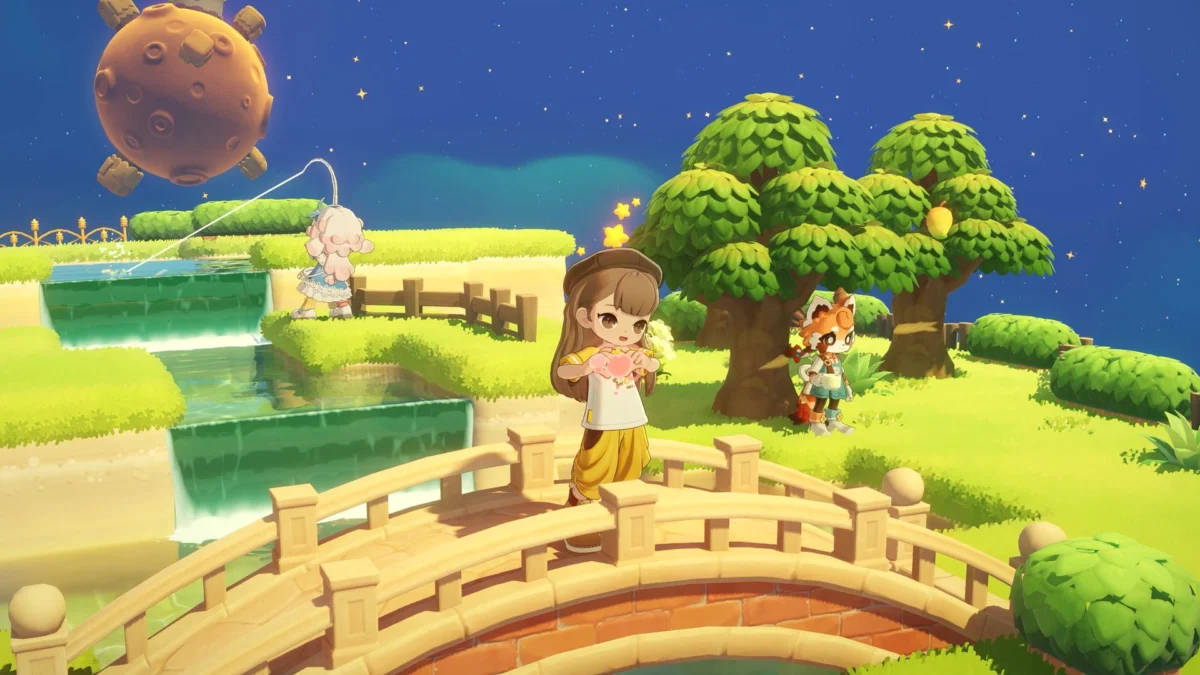
At its core, Petit Planet is a quintessential life simulator. Your journey begins with a familiar setup: you are granted stewardship over a miniature planet. This is your canvas, your home, and your responsibility. The early-game loop will be instantly recognizable to any veteran of the genre: you wander your small world, wielding a bug net to capture local wildlife, casting a line into cosmic waters to fish, and shaking trees to gather resources.
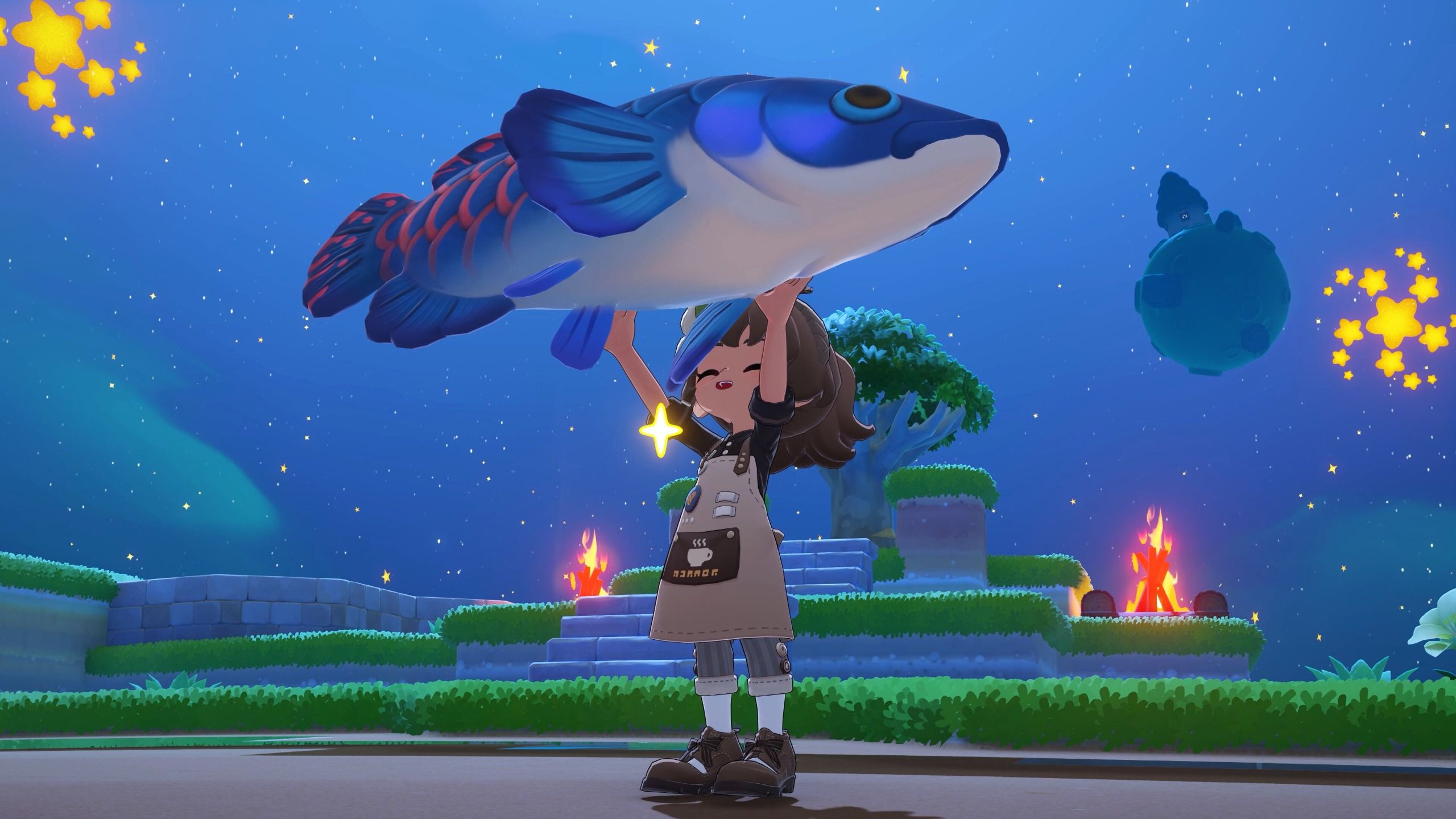
The "homely" factor is present from the first moments. The ability to place decorations—such as ambient string lights—around your dwelling allows for immediate personalization. However, the shadow of Animal Crossing looms large over these mechanics. When you find yourself interacting with anthropomorphic neighbors and engaging in the same resource-gathering rhythms, you cannot help but draw comparisons. HoYoverse is undeniably playing it safe with these foundational systems. For some, this will be exactly what they want: a polished, high-fidelity take on a beloved formula. For others, the lack of immediate mechanical subversion might feel like a missed opportunity to push the genre forward.
Chronology of the First Hour: Establishing the Loop
The first 60 minutes of Petit Planet serve as a gentle onboarding process designed to immerse the player in the game’s core tension: growth versus decay. The narrative thrust is simple yet effective. Players are tasked with nurturing a mysterious, singular "Luca seed." This seed is not merely a plant; it is the heartbeat of your planet.
- The Arrival: Players land on their designated planet, a clean slate waiting for interaction.
- Introduction to Luca: You are quickly introduced to "Luca," a magical essence that acts as both a resource and a catalyst for growth.
- The Daily Grind: Every task—fishing, bug catching, or interacting with villagers—yields more Luca.
- The Growth Spurt: By applying this essence to the seed, the tree expands. With each growth stage, the planet gains more life, more color, and more space for activity.
- Community Integration: Within the first hour, the player meets the initial cast of characters, establishing the social dynamic that will likely define the long-term experience.
This growth loop is the game’s primary "hook." Unlike titles where progress is tied solely to financial debt or aesthetic upgrades, Petit Planet ties progress to the literal vitality of the environment. The more you work, the more your world breathes.
The Character Equation: Moving Beyond Stereotypes
If the gameplay mechanics feel somewhat traditional, the character design and development systems suggest that HoYoverse is looking to differentiate Petit Planet through its cast. In many life sims, villagers are often relegated to "personality archetypes" (e.g., the jock, the lazy, the snooty). These characters are charming but static.
Petit Planet attempts to break this mold by providing characters with more narrative agency. During my preview, I encountered "Yunguo," a fox-like farmer girl who acts with a level of autonomy that stands out—she decided to move in next door with a clear, established motivation. By perusing the game’s menus, it becomes clear that there is a sophisticated backend for relationship building. The game implies that players won’t just be gifting items to NPCs to raise a "friendship bar"; they will be engaging with characters who possess defined, evolving storylines.
However, this ambition comes with a caveat: voice acting. While fully voiced NPCs are a premium feature, the execution can be a double-edged sword. Take "Mobai," a white dog character who serves as one of your early guides. While his "old man" demeanor is initially endearing, he leans heavily into a verbal tic, replacing "no" with "mo." In the span of a single hour, the constant repetition of "mo worries" or "mo rush" transitioned from cute to grating. It is a reminder that in a game built on longevity, even the most charming character can become an irritant if their dialogue isn’t varied enough.

Implications for the Genre: Can It Last?
The most critical test for any life sim is the "long haul." Animal Crossing: New Horizons saw a massive player exodus months after its 2020 launch because the daily loop became predictable and repetitive. HoYoverse must ensure that Petit Planet offers enough procedural or narrative variety to keep players engaged after the initial awe of the visuals wears off.
The inclusion of magical essence (Luca) as a primary currency for progression suggests that the game will rely on a "gated growth" model. By requiring consistent harvesting to reach the next "stage" of the world, HoYoverse is clearly intending to pace the experience. If this pacing is balanced, it could create a satisfying sense of accomplishment. If it is too slow, it risks feeling like a chore-based mobile game.
Supporting Data and Technical Fidelity
While specific sales projections or player-count targets have not been released by HoYoverse, the studio’s track record with Genshin Impact suggests a massive, global marketing push is imminent.
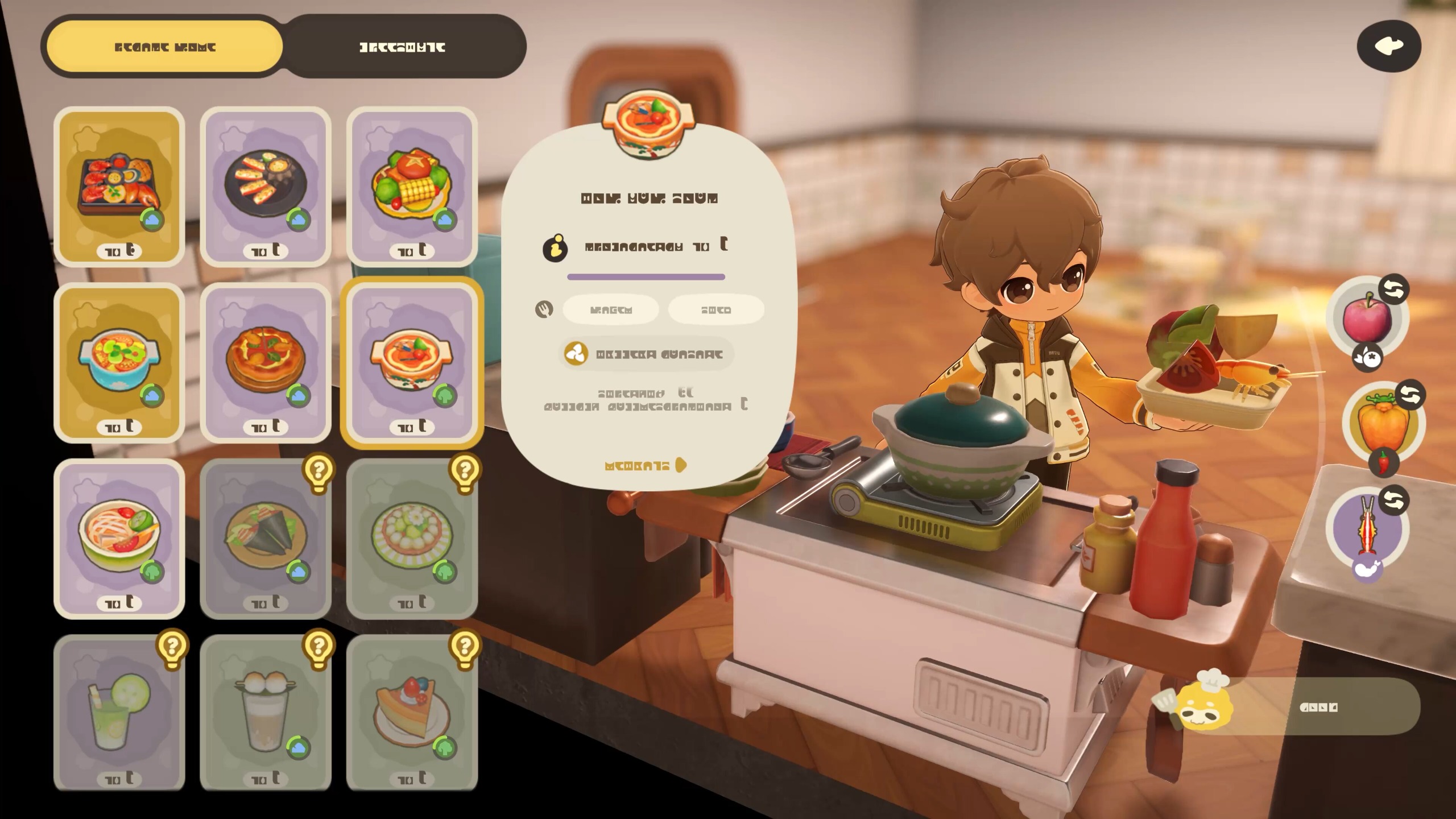
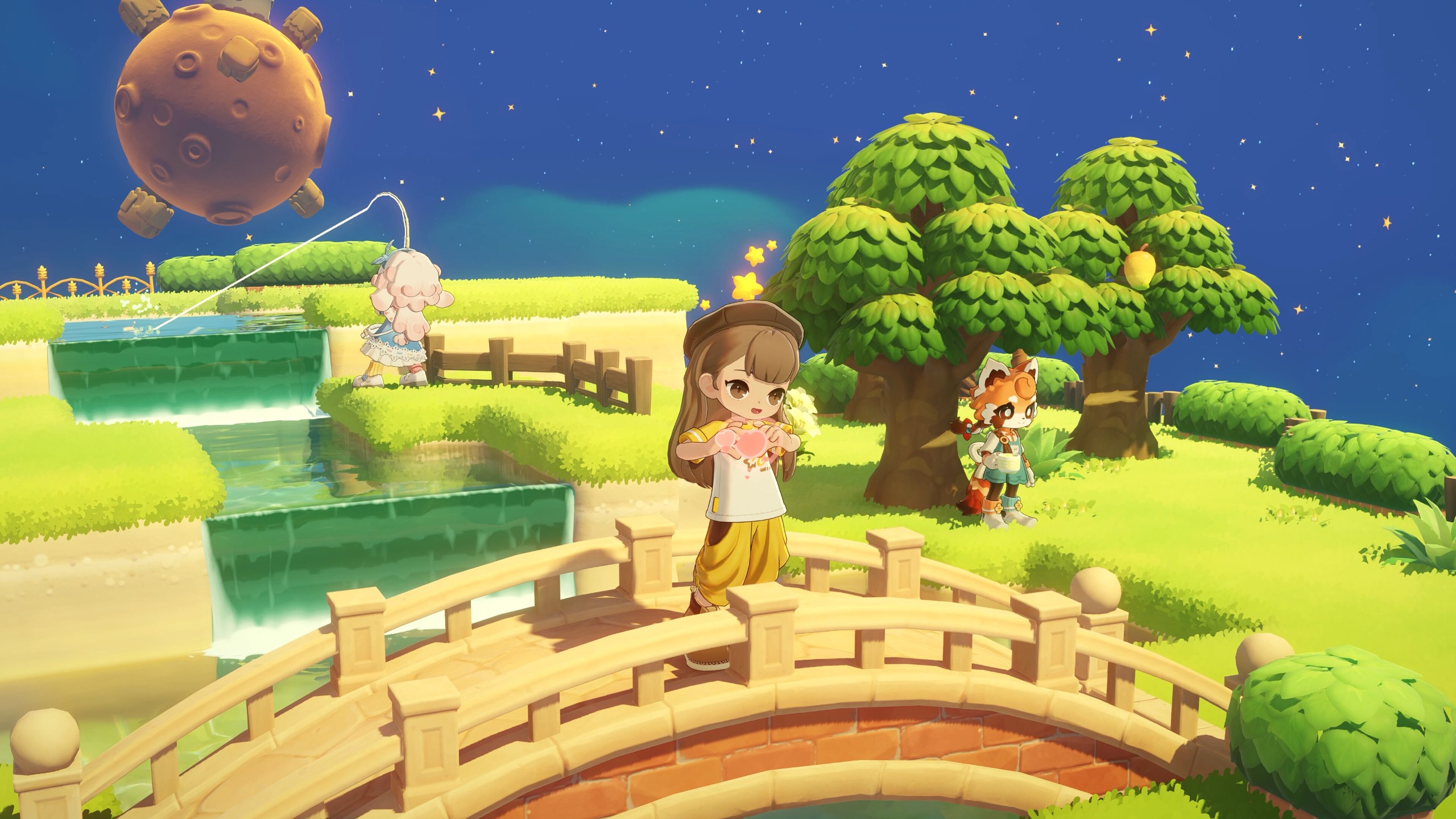
- Visual Fidelity: The game utilizes a high-saturation, cel-shaded art style that feels both premium and accessible. It is visually superior to many of its competitors, leaning into the "cozy" aesthetic with soft lighting and high-quality environmental textures.
- Platform Strategy: Given HoYoverse’s focus on cross-platform accessibility, Petit Planet is expected to bridge the gap between console-quality depth and mobile-friendly pick-up-and-play mechanics.
- Community Expectations: The reception of early trailers indicates a strong appetite for "low-stakes" gaming within the HoYoverse ecosystem, suggesting that the studio is looking to diversify its portfolio away from high-intensity action-RPGs.
Official Stance and Future Outlook
HoYoverse has maintained that Petit Planet is designed to be a "long-term companion" for players. In promotional materials, the studio emphasizes the "Starsea" setting as a vast, interconnected universe that will receive regular updates, suggesting that the game is built with a "live-service" philosophy. This implies that the world we see in the first hour is merely a fraction of what will be available at launch.
The studio has not yet commented on potential microtransactions, but given their history with Gacha systems, industry analysts are watching closely to see how monetization will be integrated. A "cozy" game that relies on predatory monetization would likely face significant backlash from a community that prioritizes escapism and stress-free environments.
Final Thoughts: A Promising Orbit
Petit Planet is undeniably charming. Its visual style is inviting, its characters are expressive, and its core premise of nurturing a miniature world is inherently satisfying. HoYoverse has successfully captured the "vibes" that make the life-sim genre so popular.
However, the game currently sits at a crossroads. It has the polish and the budget to be a market leader, but it needs to prove that it is more than just a beautiful, sci-fi coat of paint on a classic template. If the developers can leverage their expertise in character-driven storytelling to move beyond the tropes of the genre, Petit Planet could very well be the next great obsession for fans of the cozy scene. If not, it risks becoming another pretty, but ultimately shallow, footnote in the history of the genre. As it prepares for its full launch later this year, the industry will be watching to see if this little planet has the gravitational pull to keep players in its orbit for years to come.

