

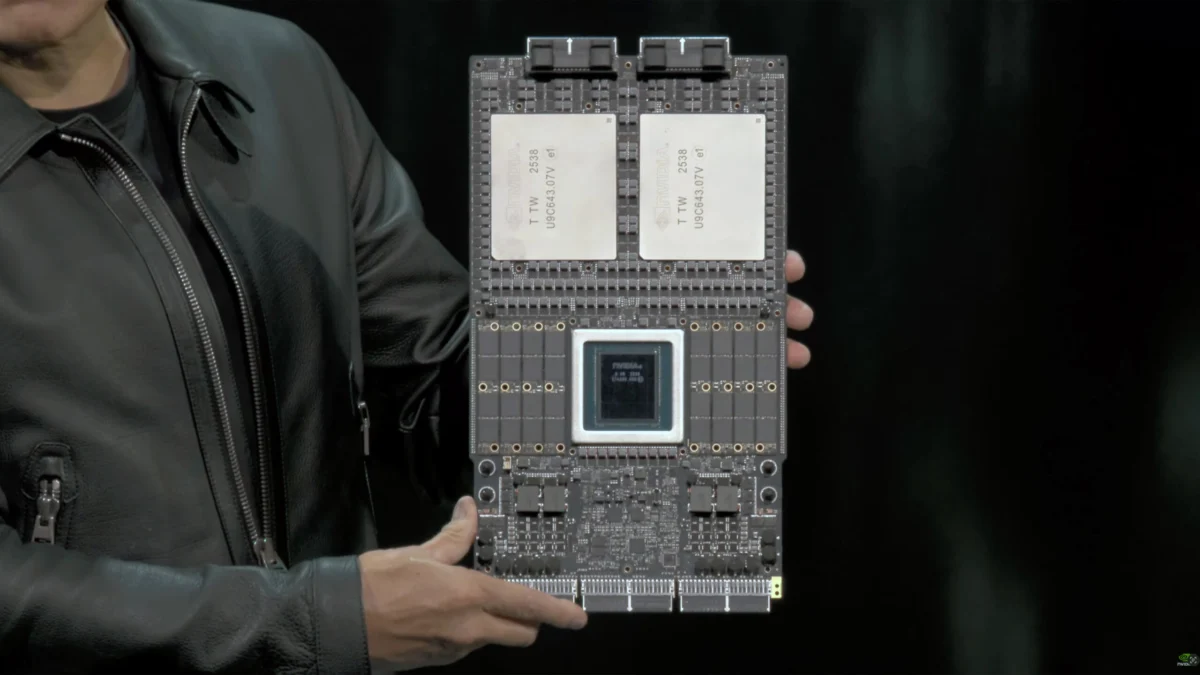
Frankfurt, Germany – June 2026 – For hardware enthusiasts, server administrators, and consumers alike, the ongoing "RAMpocalypse" has become a stark reality, driving up prices and creating scarcity across nearly every segment of the technology sector. Hopes for a swift return to normalcy were dashed this past week at the International Supercomputing Conference (ISC) in Frankfurt, where technology giant Lenovo delivered a sobering message: "it will never be like it was last year." This statement, reportedly delivered with a wry smirk by a Lenovo representative, underscored a fundamental shift in the global memory market, one where the era of inexpensive RAM and flash storage may be permanently behind us.
The stark warning came amidst a presentation from the world’s leading PC OEM, which included a slide ominously titled "The 5 Step RAMaggeddon Survival Guide." The implication is clear: the unusually low memory prices observed in early 2025 were an anomaly, and the market is unlikely to revisit those levels for the foreseeable future, primarily due to the insatiable and ever-growing demand from Artificial Intelligence (AI) infrastructure.
The Dawn of the ‘RAMaggeddon’: A New Economic Reality
Lenovo’s declaration, initially reported by German tech publication ComputerBase, was not meant to be taken entirely literally in its "never" pronouncement. Instead, it served as a powerful metaphor for a profound re-evaluation of memory economics. For years, the memory industry has been characterized by boom-and-bust cycles, with periods of oversupply leading to plummeting prices and razor-thin margins, followed by corrections. However, the current landscape, heavily influenced by the AI revolution, suggests a departure from this traditional cyclical behavior.
The company’s broader message from ISC 2026 asserts that the foundational economics of the memory industry have undergone a structural transformation. Even with significant new manufacturing capacity projected to come online around 2028, Lenovo anticipates that the escalating demand from AI will largely absorb this additional output. This unprecedented absorption rate is expected to prevent Dynamic Random-Access Memory (DRAM) and NAND flash prices from receding to the lows experienced over the past two years, marking a definitive end to an era of consumer-friendly memory costs.
AI’s Insatiable Appetite: Reshaping Demand
At the heart of this paradigm shift is the explosive growth of Artificial Intelligence. Large language models (LLMs), generative AI, deep learning, and complex data analytics require colossal amounts of memory – not just in terms of raw capacity, but also in bandwidth and speed. Training and inferencing these sophisticated AI models demand vast arrays of high-bandwidth memory (HBM) for GPUs and increasingly high-density, high-speed DDR5 modules for host systems.
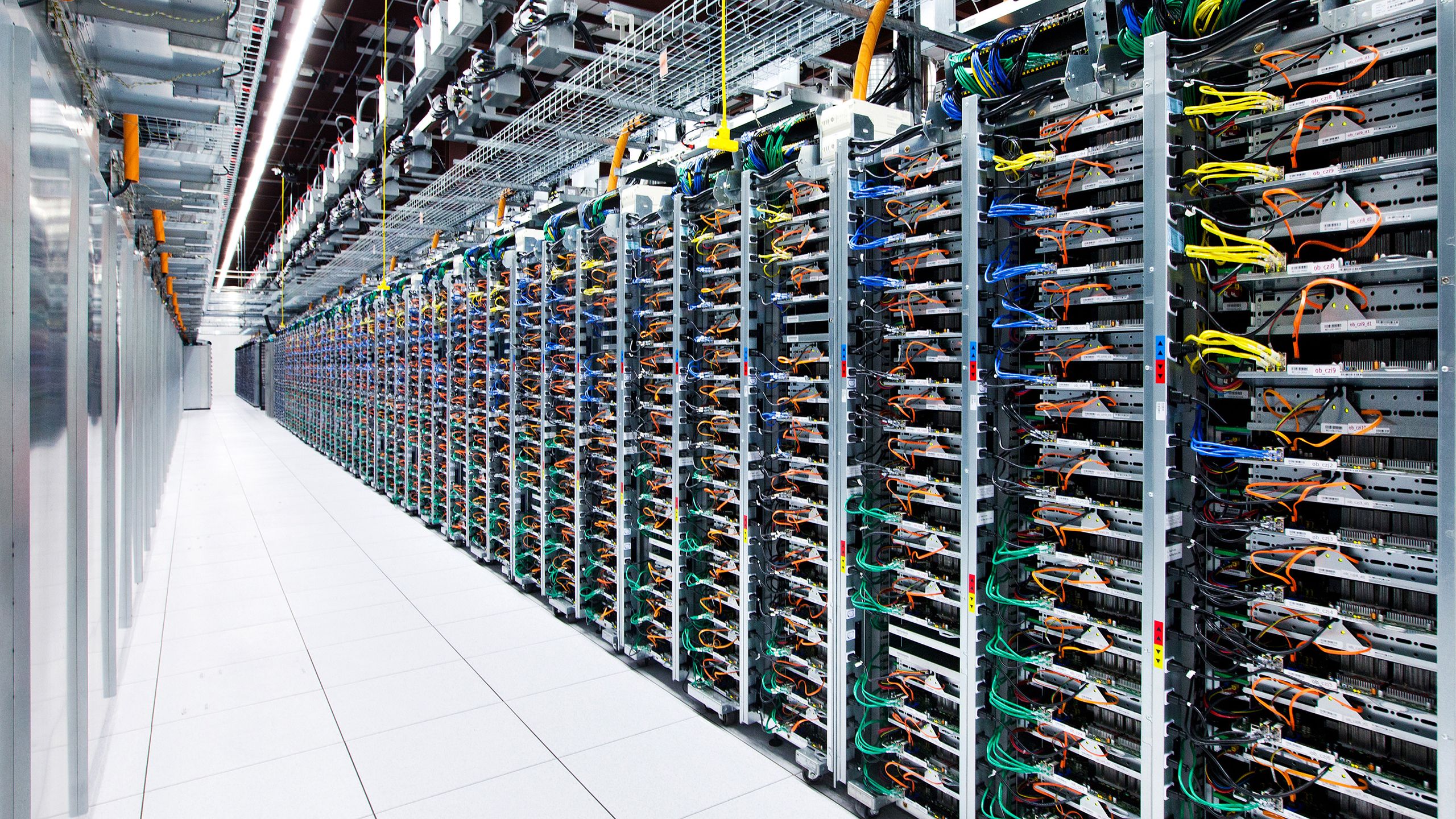
Hyperscale cloud providers such as Google, Microsoft, Amazon, and Meta are at the forefront of this demand surge, pouring billions into building and expanding their AI-centric data centers. These companies are not merely adopting AI; they are fundamentally re-architecting their entire infrastructure around it, treating memory as a critical, strategic resource rather than a commodity. This sustained, high-volume procurement by a relatively small number of powerful entities grants memory manufacturers significant pricing leverage, allowing them to dictate terms in a way unseen in previous market cycles. The sheer scale of AI workloads ensures that even incremental increases in memory per server translate into massive global demand.
Manufacturing Capacity vs. Persistent Demand
The memory industry, dominated by a few key players like Samsung, SK hynix, and Micron, faces immense challenges in scaling production to meet this escalating demand. Building new fabrication plants (fabs) is an incredibly capital-intensive and time-consuming endeavor, often requiring multi-year lead times and investments in the tens of billions of dollars. The technology involved, particularly with advanced processes like Extreme Ultraviolet (EUV) lithography for cutting-edge DRAM, adds layers of complexity and cost.
Supporting Lenovo’s reasoning, the report from ComputerBase highlighted SK hynix’s recently announced plans to triple its memory production capacity by 2034. While seemingly a substantial increase, Lenovo posits that even this aggressive expansion will be largely consumed by the relentless march of AI infrastructure. The memory manufacturers themselves, known for being "notoriously profit-hungry," would be highly unlikely to commit such monumental investments in expanding production if they foresaw a return to the razor-thin margins and oversupply conditions that plagued parts of the market in early 2025. Their strategic investments are a strong indicator of their confidence in sustained high demand and pricing power for the long haul. This suggests a calculated move away from the historical boom-and-bust cycles, prioritizing profitability and stability over aggressive market share gains at any cost.
The Server Memory Conundrum: Capacity and Cost
The implications of this shift are particularly acute in the server market. Memory capacity is rapidly becoming a paramount consideration in the design and procurement of new server platforms. Traditionally, vendors would highlight the maximum supported memory capacity of new servers, but actually populating those DIMM slots was often an afterthought for budget-conscious buyers. Today, that dynamic has flipped.
Modern dual-socket servers, with forthcoming models featuring 16 memory channels per processor, illustrate this perfectly. To fully utilize the available bandwidth and prevent CPU bottlenecks, even a "modest" configuration can now demand around 1 terabyte (TB) of installed memory. This dramatic increase in required memory capacity, coupled with surging prices, means that RAM now constitutes a significantly larger share of a server’s overall cost than it did just a year or two ago. For data centers and enterprise IT departments, this translates into substantially higher capital expenditure and operational costs, forcing them to re-evaluate their hardware procurement strategies and potentially optimize software for more memory-efficient operations.
Industry Consensus: A Prolonged Crunch
Lenovo is far from an isolated voice in forecasting a prolonged memory crunch. Competitors and industry analysts echo similar sentiments, though their incentives as memory manufacturers are worth noting.
- Micron’s Outlook: The U.S. memory giant recently informed investors that it anticipates supply constraints to persist through at least 2027, with only gradual improvements beginning in 2028. This long-term view is solidified by concrete actions. Micron has already inked multi-year supply agreements worth approximately $100 billion with key customers, primarily hyperscalers. This staggering figure underscores the seriousness with which these major players are approaching long-term memory availability, locking in supply years in advance to secure their AI ambitions.
- SK Hynix’s Warning: South Korean memory powerhouse SK hynix, a leader in HBM technology, has issued an even more cautious forecast, warning that the shortage could potentially endure until around 2030. This projection is largely driven by the company’s expectation that AI infrastructure will continue to absorb a disproportionate share of global wafer capacity, particularly for high-value HBM.
- Apple’s Desperate Measures: Even companies with immense purchasing power, like Apple, are feeling the squeeze. Reports indicate that Apple has sought permission from the U.S. government to source DRAM from Chinese memory maker CXMT. This move is significant because CXMT is a Pentagon-blacklisted company, making Apple’s lobbying effort a stark illustration of just how critically valuable additional memory supply has become amidst escalating prices and dwindling availability. It highlights a desperate search for any viable source to meet production demands.
Collectively, these forecasts and strategic moves paint a consistent picture: the current high-price, constrained-supply environment is not a fleeting market fluctuation but a deeply entrenched reality driven by structural shifts in demand and manufacturing priorities. Memory vendors are currently enjoying some of the strongest pricing power and profit margins they’ve seen in years, giving them little incentive to flood the market and accelerate a return to the volatile boom-and-bust cycles that historically defined the DRAM market.
The Strategic Rise of HBM
Ironically, a significant consequence of the prolonged memory shortage is that High Bandwidth Memory (HBM) is becoming more economically attractive relative to conventional system memory like DDR5. DRAM manufacturers have strategically redirected substantial production capacity toward the higher-margin HBM modules, which are critical components for AI accelerators and GPUs. This strategic pivot, while lucrative for manufacturers, has inadvertently reduced the available supply of commodity DDR5 and LPDDR5, even as demand for both remains robust.
As a result, the premium historically associated with HBM-backed computing has begun to narrow. This isn’t because HBM has suddenly become inexpensive, but rather because traditional system memory has become dramatically more expensive. For hyperscalers and data centers already committed to investing heavily in AI GPUs, maximizing the utilization of these accelerators to reduce their DDR5 requirements becomes an increasingly attractive financial proposition. If an application can effectively keep a large portion of its working data set within the GPU-attached HBM, it can significantly decrease the need for expensive DDR5 installed in the host server. With system DRAM now representing a much larger share of the overall server cost, optimizing for HBM integration can materially lower the total deployment price of large-scale AI infrastructure. This shift makes GPU-accelerated computing a more financially sensible option for a broader range of workloads than previously considered.
Beyond the Data Center: Wider Market Implications
While the most immediate and profound impact of the "RAMaggeddon" is felt within data centers and enterprise computing, its ripple effects extend throughout the entire technology ecosystem.
- Consumer PC Market: Consumers building new PCs or upgrading existing ones will continue to face higher prices for RAM modules and solid-state drives (SSDs), which rely on NAND flash. This could slow down adoption of newer technologies like DDR5 and high-capacity storage, making system upgrades more costly and less frequent.
- Industrial and Embedded Systems: A myriad of industrial applications, edge computing devices, automotive systems, and IoT solutions depend on various forms of memory. Increased memory costs here could impact the profitability of hardware manufacturers and potentially slow innovation in these sectors, as developers grapple with higher component costs.
- Innovation and Design Choices: Engineers and product designers across the tech industry will be forced to innovate around expensive memory. This could lead to more efficient memory management techniques, greater reliance on caching strategies, or even a shift towards architectures that minimize external memory requirements. The pressure to optimize memory usage will become a key driver in future hardware and software development.
Conclusion: A Paradigm Shift?
Lenovo’s blunt assessment at ISC 2026 serves as a powerful wake-up call. The memory market, long characterized by its cyclical nature, appears to be undergoing a fundamental, possibly permanent, transformation. The unusually inexpensive DRAM and NAND prices of 2024 and early 2025 are increasingly viewed as an anomaly, a brief calm before the AI-driven storm.
While history suggests that market cycles eventually correct themselves, the unprecedented scale and strategic importance of AI infrastructure could very well be rewriting the rules. As hyperscalers continue to pour billions into their AI capabilities and memory vendors prioritize high-margin enterprise products, the future of memory pricing points towards sustained elevation. For consumers, businesses, and the entire tech industry, adapting to this "new normal" for memory procurement and utilization will be a critical challenge in the years to come. The era of memory as a cheap commodity seems to be over; instead, it has emerged as a strategic, high-value asset, with its cost and availability shaping the very architecture of future computing.

