

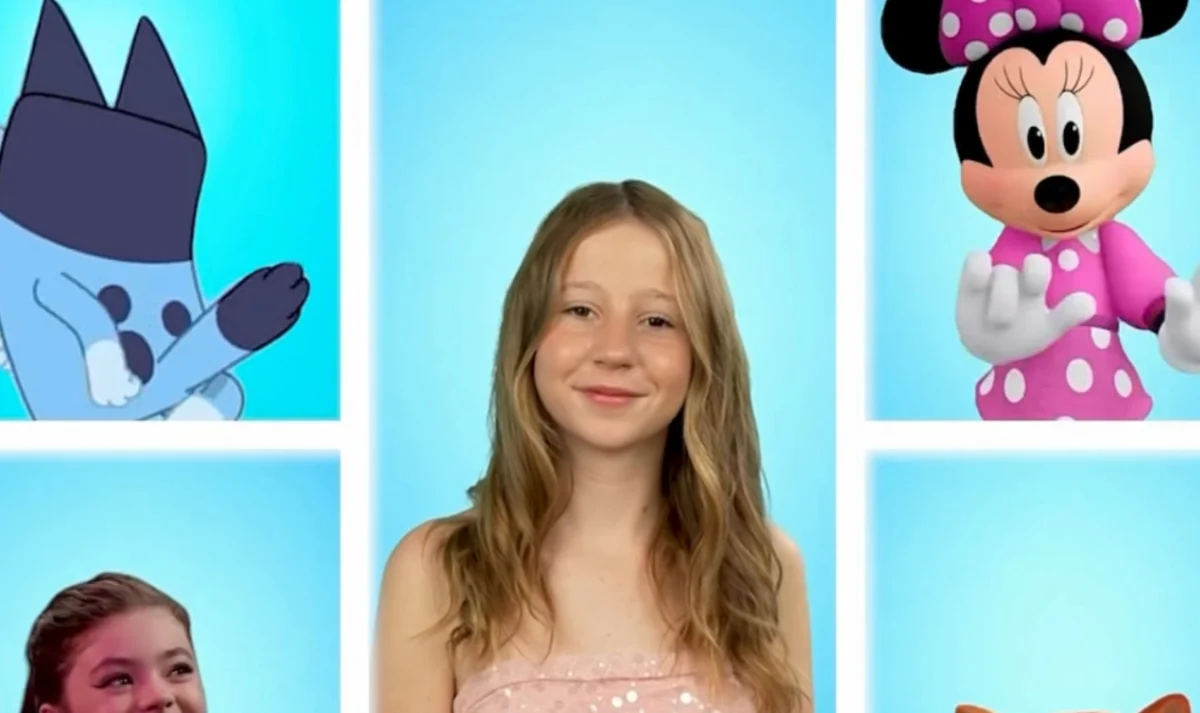
In a move that signals the further convergence of digital-native content and legacy media giants, Anastasiia Radzinskaia—the face of the global YouTube phenomenon Like Nastya—has officially inked a major development deal with The Walt Disney Company. This partnership marks a pivotal transition for the young creator, moving from the algorithmic feed of YouTube to the curated, premium ecosystem of Disney+.
Five years after making history as the first kid creator to surpass 250 million subscribers, Radzinskaia is graduating to the "Mouse House." The agreement is multifaceted: it will see a library of archival Like Nastya content find a new home on Disney+ while simultaneously opening the door for new, original productions tailored for Disney Jr. and the broader Disney+ streaming service.
A Legacy of Digital Dominance: The Rise of Nastya
To understand the gravity of this deal, one must look at the meteoric rise of the Like Nastya brand. The journey began when Anastasiia was just a toddler, with her parents documenting her play, travel, and educational milestones. What started as simple home videos quickly transformed into a global powerhouse.
The Radzinskaia family demonstrated an early, intuitive grasp of the creator economy. Through a strategic combination of platform-specific distribution deals, high-profile studio partnerships—including collaborations with Westbrook—and aggressive global licensing agreements, they built an infrastructure that few independent creators ever achieve.
Today, the flagship Like Nastya channel boasts a staggering 123 billion lifetime views. This isn’t just a channel; it is a cultural touchstone for children across multiple continents. By diversifying their output—moving from toy reviews and daily vlogs to high-production music videos like the recent hit "I’m Gonna Shine"—the brand has successfully aged alongside its primary audience, expanding its reach from toddlers to tweens and teens.
Chronology: Building a Content Empire
The path to a Disney partnership was not overnight. It was the result of a decade of consistent growth and strategic pivots:
- 2016-2018 (The Foundation): The Radzinskaia family begins consistent uploads, tapping into the "kid influencer" trend that was just beginning to capture the attention of global audiences.
- 2020 (Global Scaling): Nastya hits 50 million subscribers, solidifying her status as one of the most-watched creators on the planet. Licensing deals with IMG begin to turn the YouTube channel into a physical product empire.
- 2021 (The Milestone): Like Nastya becomes the first kid-led channel to cross the 250 million subscriber mark. During this period, the family secures distribution pacts with Jellysmack to optimize content for Facebook and other social platforms.
- 2023-2025 (The Maturation Phase): The brand pivots toward more narrative-driven and musical content. Radzinskaia’s shift toward music and lifestyle content signals an intent to capture an older demographic.
- 2026 (The Disney Deal): The culmination of years of brand building leads to the landmark development deal with Disney, positioning Like Nastya as a key pillar in the streaming giant’s children’s entertainment strategy.
Supporting Data: Why Disney Chose the Creator
Disney’s decision to onboard Like Nastya is grounded in cold, hard data. In the current streaming landscape, the battle for "share of screen" is fierce. While traditional animated series still carry weight, the engagement metrics provided by digital-native IP are impossible for executives to ignore.
The data supports a clear trend: families are migrating away from linear television toward the on-demand convenience of apps like Disney+ and Netflix. By acquiring rights to established YouTube powerhouses, Disney is essentially "buying" loyal, existing audiences.
Consider the success of Bluey—which remains the most-watched show on streaming—and the impending migration of CoComelon from Netflix to Disney+. These shows provide a steady "churn-reduction" mechanism. If a child enters the app to watch Like Nastya, they are likely to stay for the rest of the Disney library. This creates a powerful flywheel effect that boosts subscriber retention for Disney+.
Official Responses and Strategic Vision
The sentiment surrounding the deal is one of mutual ambition. Anna Radzinskaia, the founder of the Like Nastya brand and Anastasiia’s mother, expressed her pride in the evolution of the project.
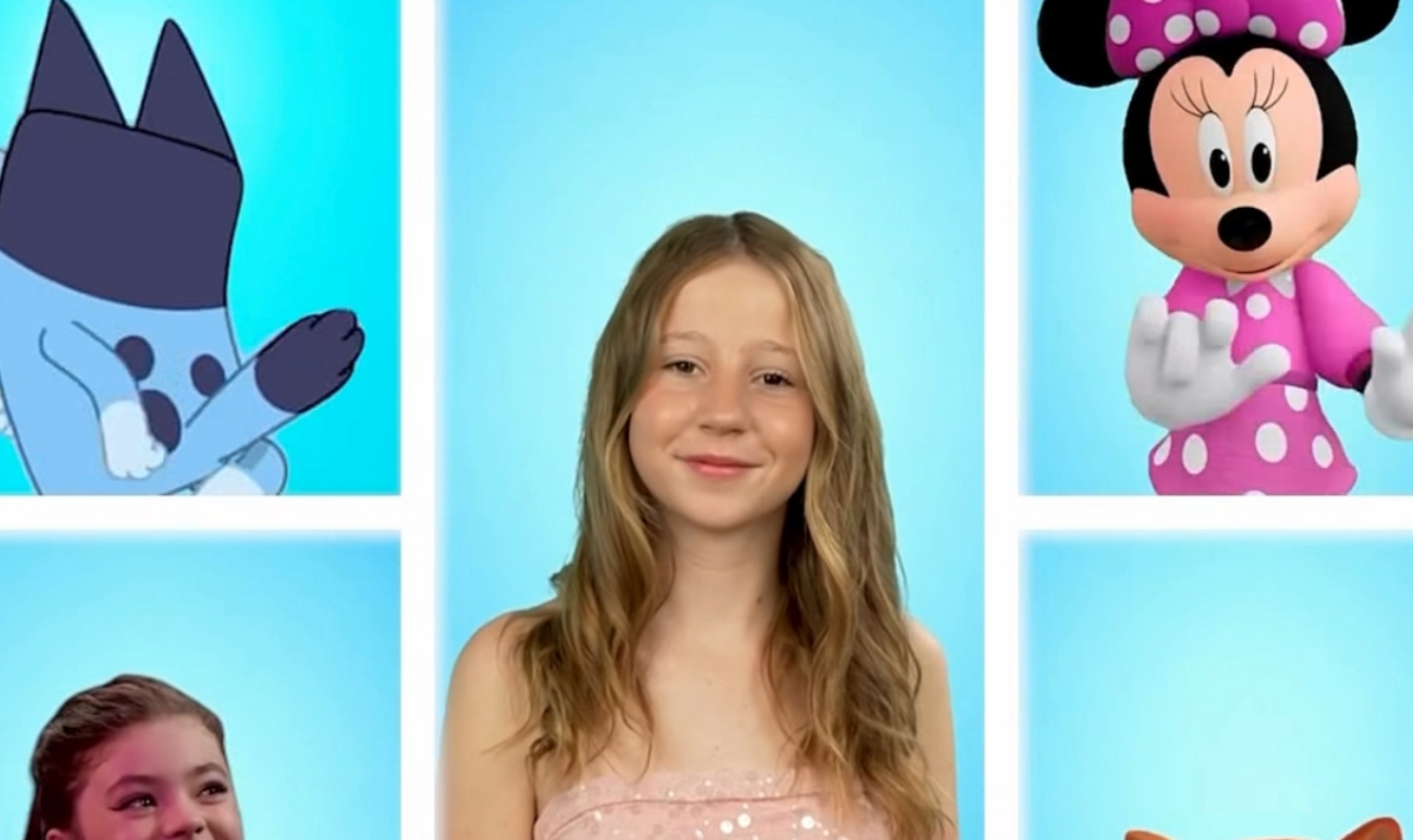
"I’m incredibly proud of Anastasiia and how Like Nastya has grown into a global brand loved by millions of families worldwide," Anna said in a statement. "Bringing together the worlds of Like Nastya and Disney is an exciting opportunity to create something truly special for a new generation. We are looking forward to pushing the boundaries of what a creator-led brand can achieve in a traditional studio environment."
For Disney, the deal is an acknowledgment that the "creator" is the new "star." By integrating Like Nastya into its programming, Disney is validating the shift from traditional studio talent to digital-native creators. The move allows Disney to remain relevant to a generation that views their favorite YouTubers with the same level of reverence as characters from The Lion King or Frozen.
The Implications: What This Means for the Creator Economy
The partnership between Disney and Like Nastya has profound implications for the future of entertainment.
1. The Validation of the "Creator-Studio" Model
Historically, creators and studios have viewed each other with a mix of suspicion and competition. This deal suggests that the future is collaborative. Studios provide the massive distribution and production resources, while creators provide the intimate, established connection with the audience. We are likely to see more "creator-to-streamer" deals as studios realize that acquiring a loyal audience is far cheaper than building one from scratch.
2. The Death of the "Toddler-Only" Ceiling
The transition of Like Nastya from a toddler-focused YouTube channel to a multi-generational Disney+ brand highlights a new reality: the longevity of digital IP. As young creators grow up, their audiences grow with them. By embracing this evolution, the Radzinskaia family is ensuring that they are not trapped in a "nursery" niche, but are instead evolving into a broader lifestyle brand that can compete with the most established franchises in Hollywood.
3. A New Battleground for Streaming Services
Disney is clearly playing to win. While Netflix has made headlines for its own creator deals—such as the recent partnership with The Stokes Twins—Disney is focused on the family demographic, which is arguably the most valuable segment in the streaming wars. By securing Bluey, CoComelon, and now Like Nastya, Disney is effectively creating an impenetrable wall of kids’ content that makes it nearly impossible for parents to cancel their subscriptions.
4. The Professionalization of Content
For independent creators, this deal serves as a blueprint. It highlights the importance of transitioning from a "vlogger" to a "brand owner." The Radzinskaias’ success in licensing, merchandising, and now, high-level studio production, offers a roadmap for any creator looking to survive beyond the volatile life cycle of a YouTube trend.
Conclusion: A New Chapter in Storytelling
As Anastasiia Radzinskaia steps into the Disney fold, she does so not as a newcomer, but as a veteran of the digital age. Her journey from a child playing in front of a camera to a partner of the world’s most iconic entertainment company is a testament to the power of the creator economy.
The Like Nastya brand has already conquered the internet. Now, with the backing of Disney’s creative engine and global reach, it is poised to become a staple of household television for years to come. For the rest of the creator economy, the message is clear: the wall between the internet and the screen has finally crumbled, and those who can bridge the gap will define the next generation of entertainment.

