

The video game industry is currently suspended in a state of anticipatory paralysis. With Rockstar Games officially marking November 19, 2026, as the console launch date for Grand Theft Auto 6—the most anticipated entertainment product in human history—PC gamers have been left staring at an empty calendar. While the developer has remained characteristically tight-lipped regarding a potential PC port, the vacuum left by this absence has created a bizarre ecosystem of "alternative" titles looking to capitalize on the hype.
Enter Phantom Vice Auto, a self-proclaimed "entertainment blockbuster" set to hit Steam on the very same day that Rockstar launches its juggernaut. While the title is clearly a low-budget effort, it serves as a fascinating case study in how the indie market reacts to the massive, monolithic shadow cast by AAA giants.
Main Facts: A Tale of Two Releases
The discrepancy between the two releases could not be more pronounced. Grand Theft Auto 6 represents the pinnacle of modern production, a decade-long development cycle backed by the unlimited resources of Take-Two Interactive. Its marketing materials suggest a level of fidelity and world-density that redefines the medium.
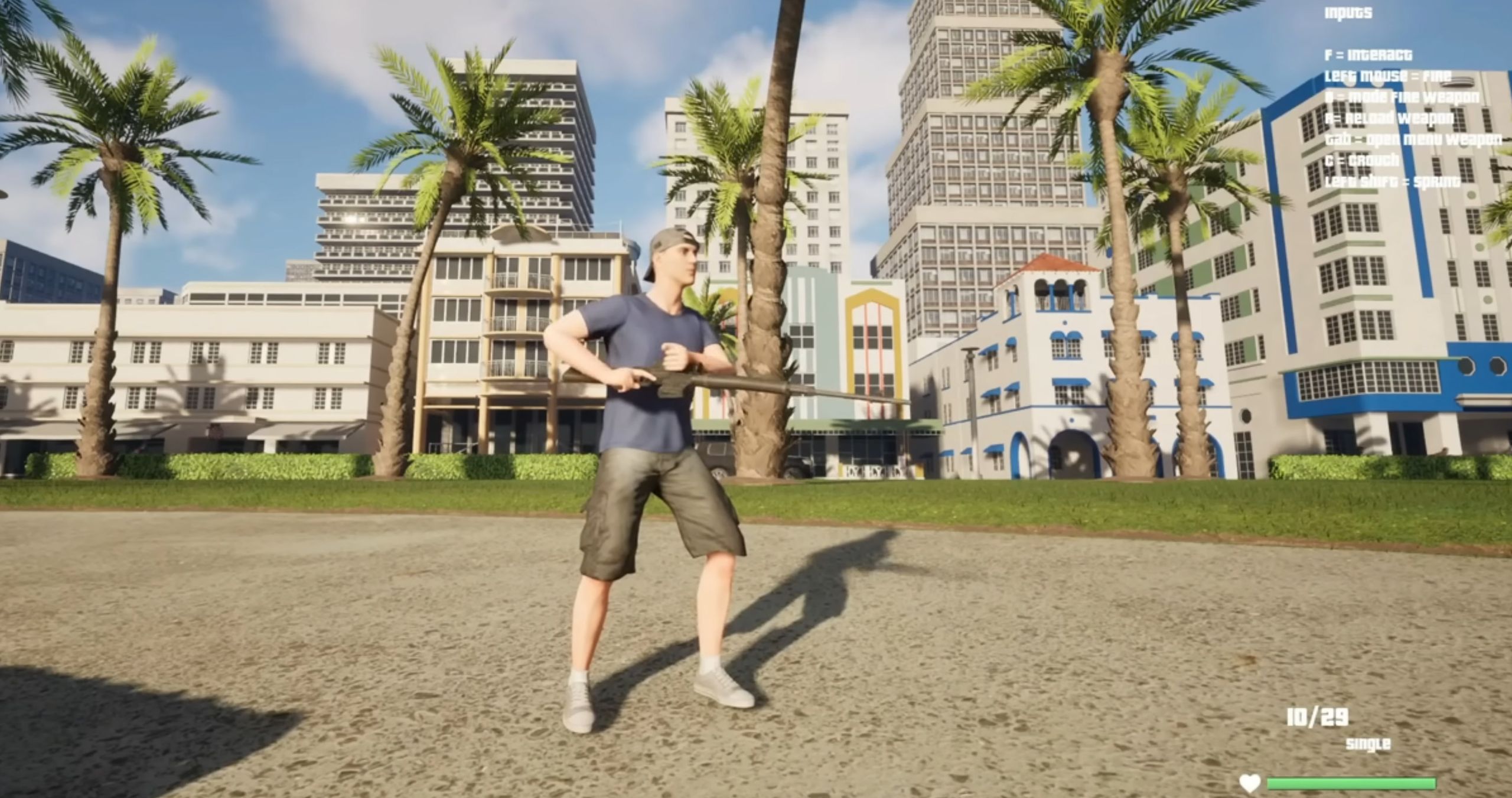
Conversely, Phantom Vice Auto, developed by Brgames Interactive, is a micro-budget project that leans heavily into the aesthetics of the genre without the underlying technical infrastructure. Its store page, which features a scant five screenshots and a trailer that appears to struggle with resolution scaling, has become a lightning rod for the gaming community. It is not necessarily a game players expect to rival Rockstar; rather, it is a curiosity, a symbol of the "anything will do" attitude that emerges when a massive community is starved of a flagship title on their preferred platform.
Chronology: The Road to November 19
The timeline of this phenomenon began the moment Rockstar dropped their first trailer. Following the revelation that PC was excluded from the initial release window, the Steam community began a frantic search for any open-world substitute.
- December 2025: Initial rumors regarding GTA 6 console exclusivity gain traction, sparking widespread frustration on forums and social media.
- March 2026: Indie developers begin pushing "open-world action" titles to Steam, many utilizing generic assets.
- August 2026: Rockstar releases 63 high-fidelity screenshots, further cementing the visual gap between GTA 6 and its budget imitators.
- October 2026: Phantom Vice Auto is announced for a November 19 release, drawing immediate comparisons due to its nomenclature and thematic focus.
This timeline reflects a broader pattern in the PC gaming space: the "asset flip" phenomenon. When a major franchise creates a cultural vacuum, smaller developers attempt to fill it, hoping that search engine optimization and superficial similarity will drive impulse purchases from players desperate to play something that mimics the experience of a high-budget crime simulator.
Supporting Data: Analyzing the "Blockbuster"
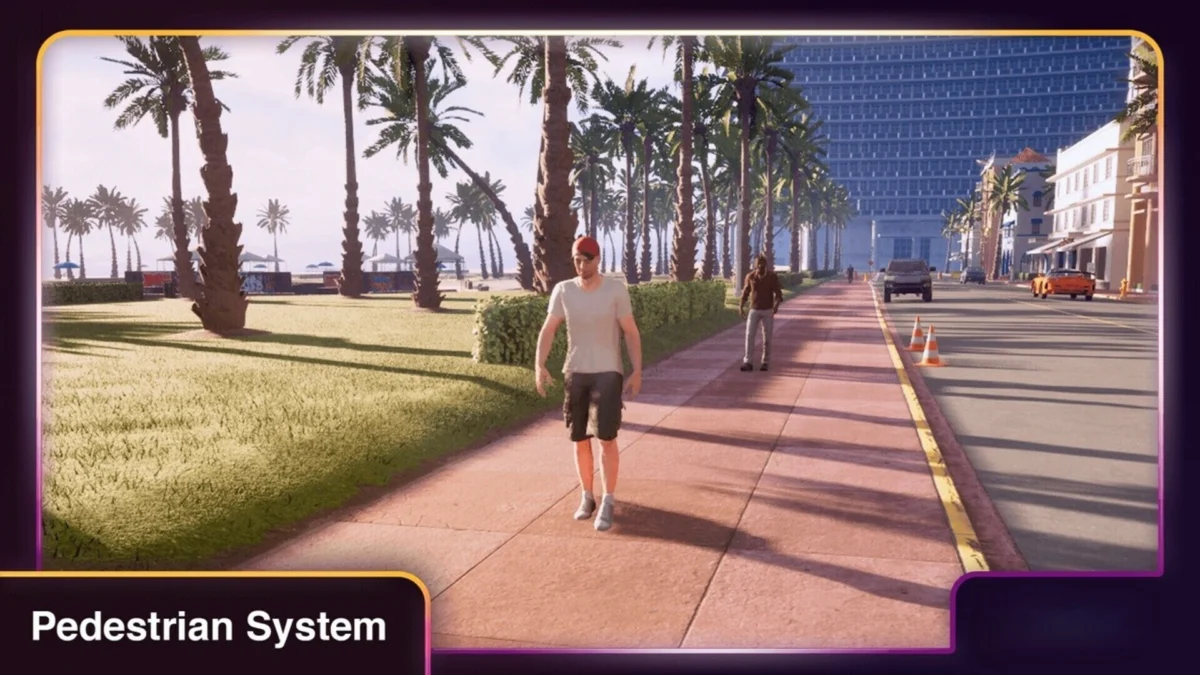
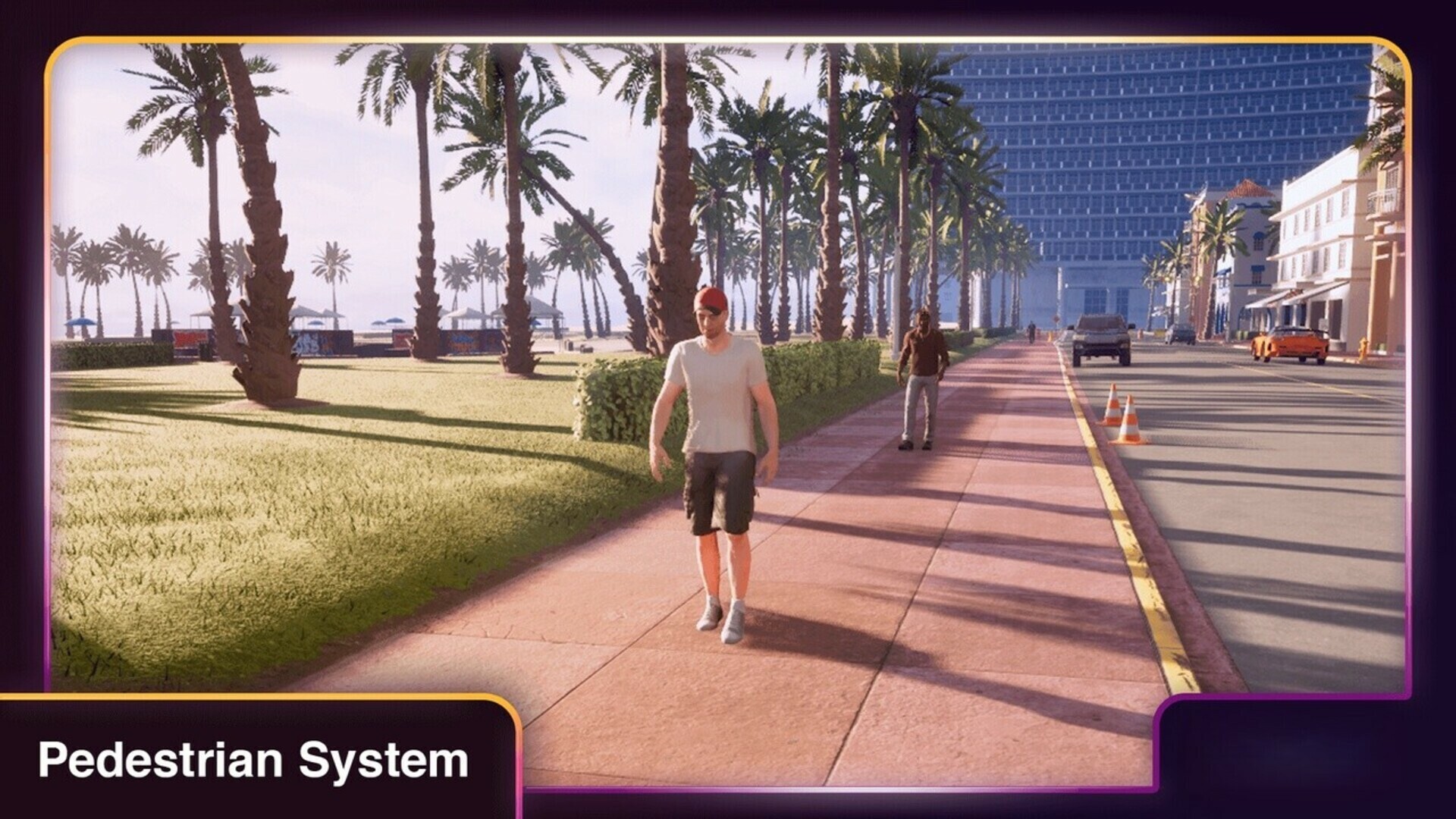
To understand the nature of Phantom Vice Auto, one must look at the specific features highlighted by the developer. The game’s promotional material highlights a "pedestrian system"—a standard feature in gaming since the late 1990s—as a core selling point.
The Asset Breakdown
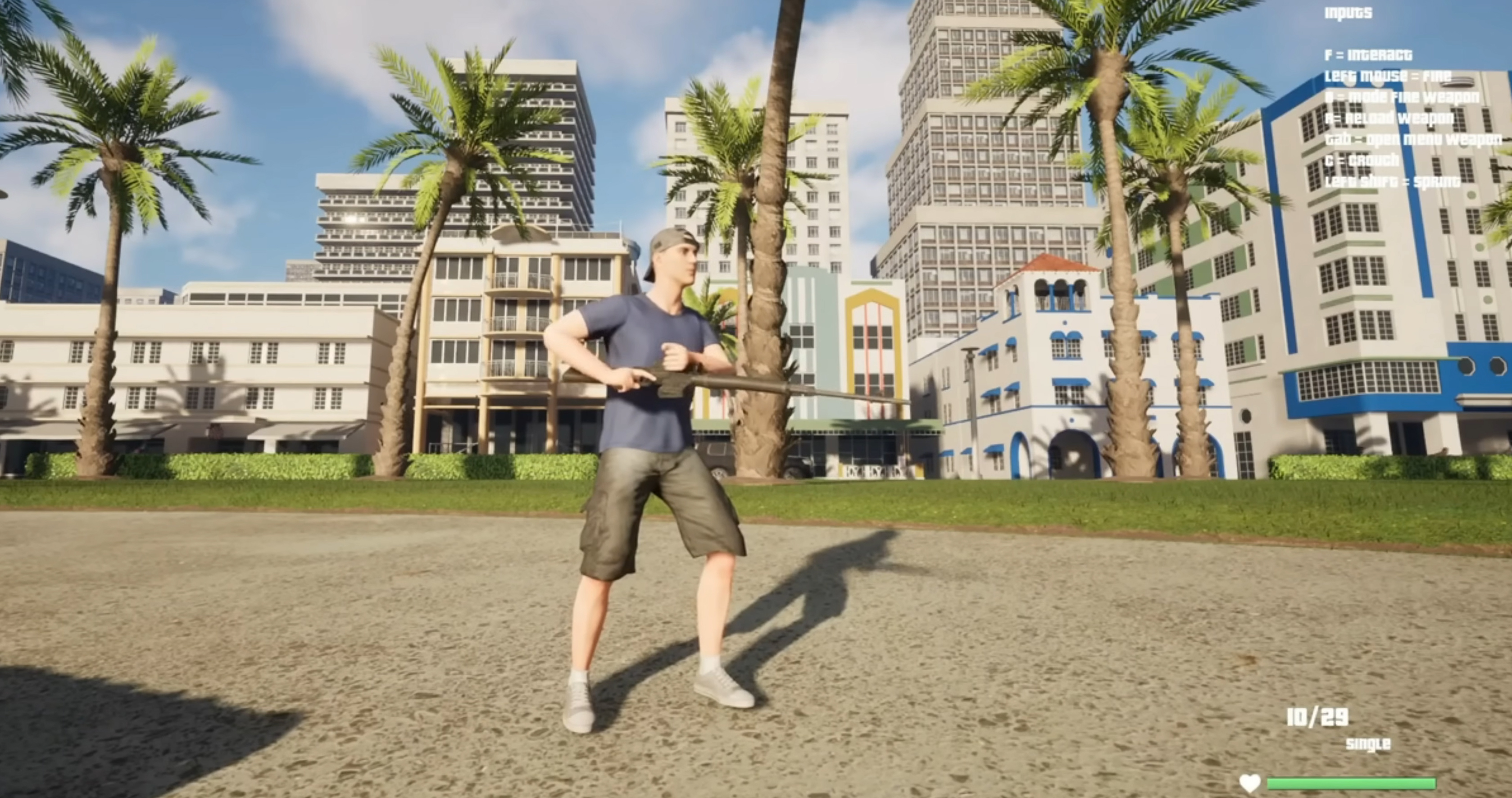
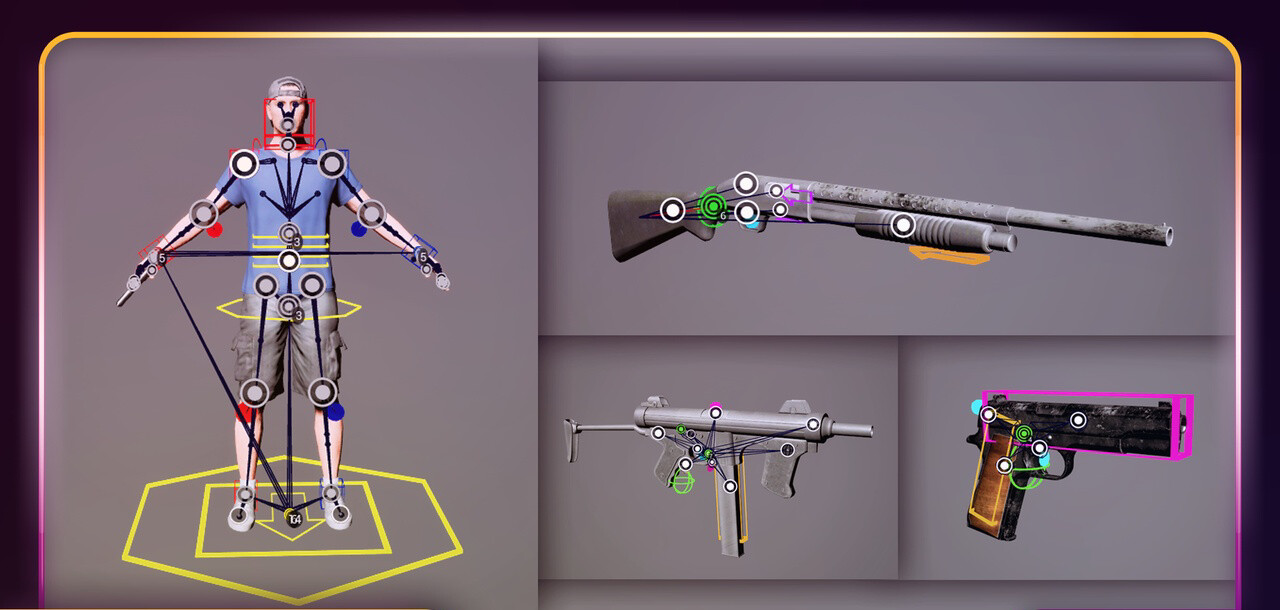
The technical presentation of Phantom Vice Auto is characterized by its reliance on modular assets. The screenshots provided by Brgames Interactive show a character model with clear "articulation points"—circles and lines indicating where the model is rigged for animation. While these are common in development, their inclusion as promotional material suggests a transparency—or perhaps a lack of editorial polish—that defines the "asset flip" sub-genre.
- Vehicle Variety: The game boasts "multiple vehicles," which, upon closer inspection of the promotional media, consist of a limited set of models recolored to appear diverse.
- The Void Effect: One particularly puzzling screenshot features a character model jumping in a void, devoid of environmental context. This implies the game may be utilizing an "out-of-the-box" engine setup without custom level design, a common trait in projects designed to ship quickly rather than innovate.
- Environmental Density: Unlike the teeming, hyper-realistic streets of Rockstar’s Leonida, Phantom Vice Auto offers "hassle-free driving" on largely vacant roads. While marketed as a feature, it is clearly a technical limitation necessitated by the engine’s inability to handle large numbers of concurrent NPCs.
Official Responses and Developer Silence
Rockstar Games has maintained a policy of absolute silence regarding the PC release of GTA 6. This "radio silence" strategy has historically worked for them, as it keeps the hype cycle focused entirely on the console launch, preventing any potential negative discourse regarding optimization or technical delays from impacting the initial sales window.
Brgames Interactive, however, has leaned into the attention. By positioning Phantom Vice Auto to launch on the same day as GTA 6, they are effectively leveraging the Rockstar hype cycle. While they haven’t issued a formal statement on the comparison, the naming convention of their product—intentionally echoing "Vice City"—is a clear attempt to hijack search traffic. It is a bold, if somewhat transparent, marketing maneuver.
Implications for the Industry
The existence of Phantom Vice Auto raises significant questions about the state of the Steam marketplace.
The Saturation Problem
The store is currently flooded with "GTA-likes," many of which are essentially shells of games. While platforms like Valve have introduced measures to filter low-quality content, titles like this still slip through, often gaining ironic popularity. The danger here is not that these games are malicious, but that they dilute the visibility of genuine indie innovation. When a player logs onto Steam on November 19, they will be greeted by the hype of Phantom Vice Auto alongside legitimate, well-crafted games, potentially leading to consumer confusion.
The "PC Gap" Frustration
Ultimately, the success or failure of Phantom Vice Auto is secondary to the real story: the PC community’s lingering resentment regarding release windows. The gaming industry has moved toward a model where console parity is standard, yet major publishers still treat the PC as a secondary consideration. This creates a cultural "void" that is ironically being filled by low-quality imitations.
The Future of "Wait-Gaming"
As we approach the November 19 date, the gaming community is faced with a choice: succumb to the curiosity of the imitators, or pivot to genres that aren’t trying to be a pale shadow of something else. As noted, titles like Cats and Pillows—which offer a completely different experience—may actually serve as a better palate cleanser for the frustrated gamer than a game that tries, and fails, to be a AAA crime simulator.
Conclusion: A Cautionary Tale
Phantom Vice Auto is unlikely to be remembered for its gameplay, its narrative, or its technical achievements. Instead, it will be a footnote in the history of the Grand Theft Auto 6 release cycle—a testament to the lengths that opportunistic developers will go to when a massive community is left waiting.

For the PC gamer, November 19 should be a day of reflection. It is a reminder of the power of the Rockstar brand, the limitations of the current console-first industry model, and the persistent, if sometimes misplaced, creativity of the indie scene. Whether one chooses to play the "blockbuster" or simply waits for the real thing, the message remains clear: the PC gaming community is ready for the next chapter, even if we have to wait a little longer to read it.

