

Main Facts: Bridging Two Titan Franchises
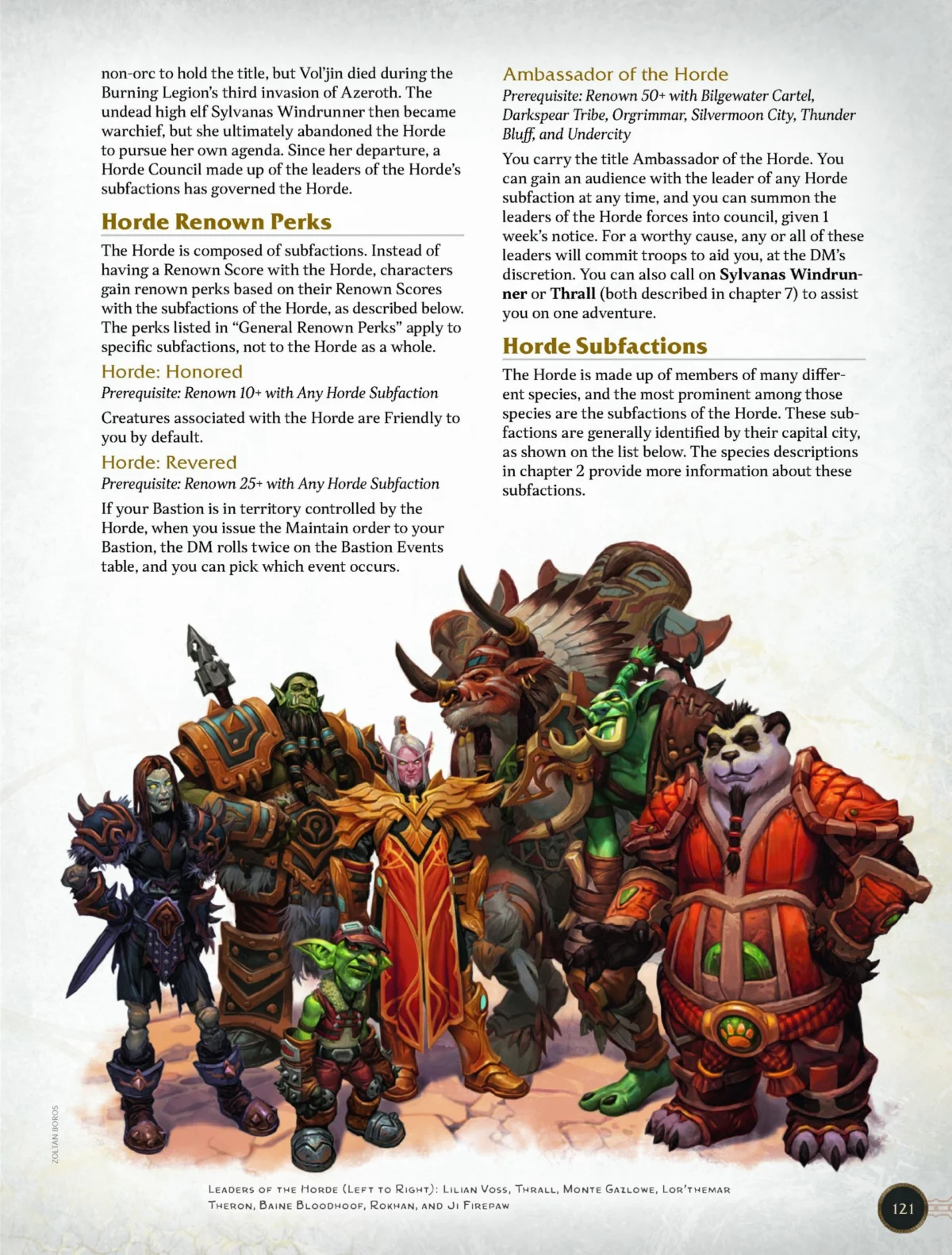
In a landmark publishing crossover that bridges two of the most influential pillars in modern gaming history, Wizards of the Coast is officially bringing the sprawling universe of Blizzard Entertainment’s World of Warcraft to the tabletop via Dungeons & Dragons. Slated for release on November 12, this upcoming collaboration rulebook is far more than a simple cosmetic reskin of existing D&D rules. Instead, it represents a careful, mechanical and narrative translation designed to capture the essence of Azeroth without trapping tabletop players in the relentless grind of a massively multiplayer online role-playing game (MMORPG).
Spearheaded by principal game designer and project lead James Wyatt, the project tackles a fundamental design challenge: while D&D and World of Warcraft share deep conceptual DNA—originating from the same high-fantasy fantasy tropes and tabletop roots—their core gameplay loops are vastly different. An MMO relies heavily on repetition, dungeon raiding, and continuous gear acquisition. A tabletop role-playing game (TTRPG), by contrast, thrives on collaborative storytelling, open-ended problem solving, and unpredictable player agency.
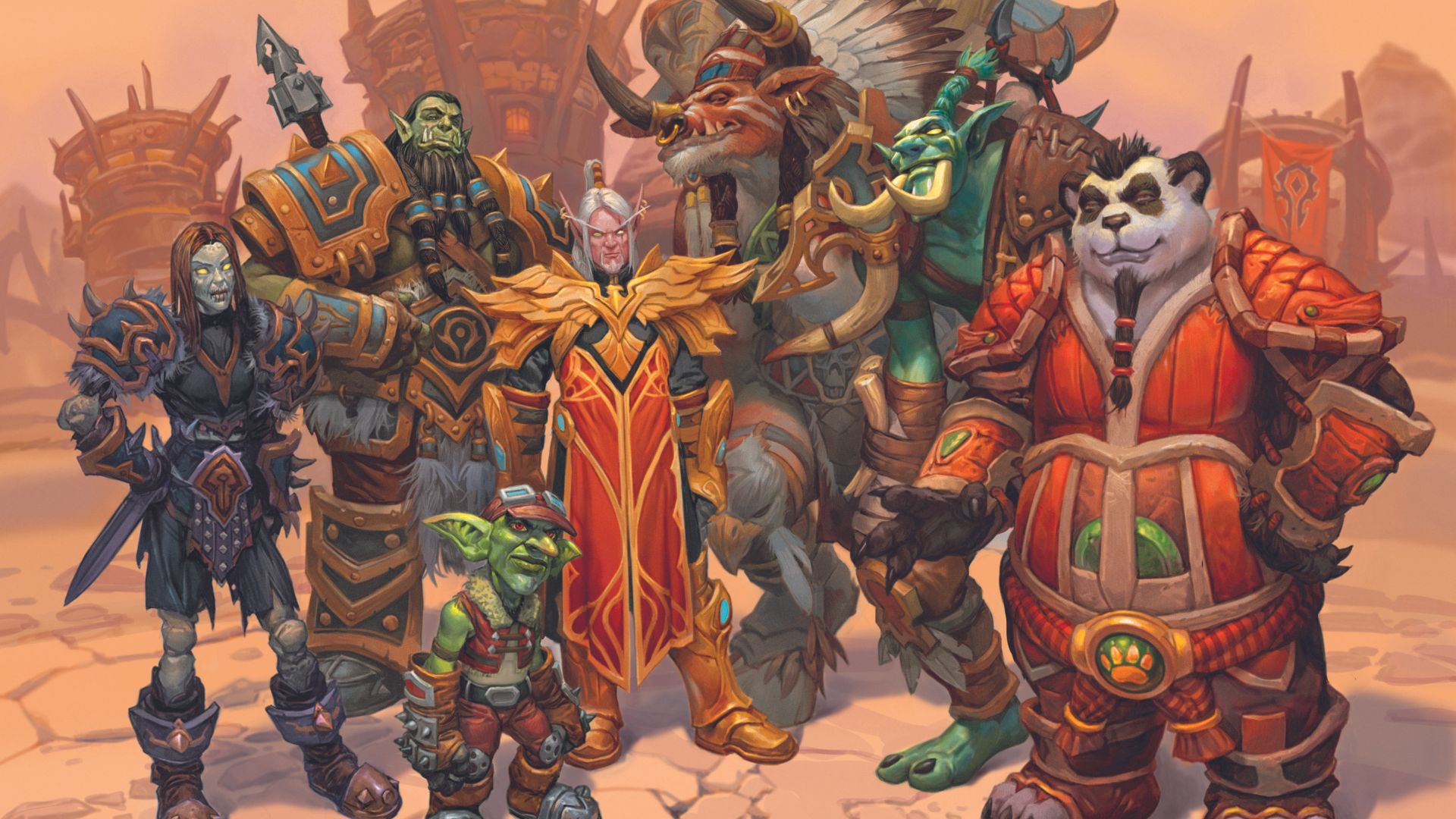
To bridge this gap, Wyatt and his team have chosen to "paraphrase" Azeroth within the fifth-edition D&D framework. Spanning the entire history of the MMO up through its Midnight expansion, the book serves as a comprehensive toolkit for Dungeon Masters (DMs). It reinterprets iconic dungeons, legendary bosses, crafting systems, and faction reputations, offering a nostalgic yet mechanically distinct way to experience Blizzard’s universe around the kitchen table.
Chronology and Development: From Leaks to the Road to Release
The journey toward Dungeons & Dragons: World of Warcraft has been a closely watched saga within the gaming community, punctuated by early community speculation and official reveals.
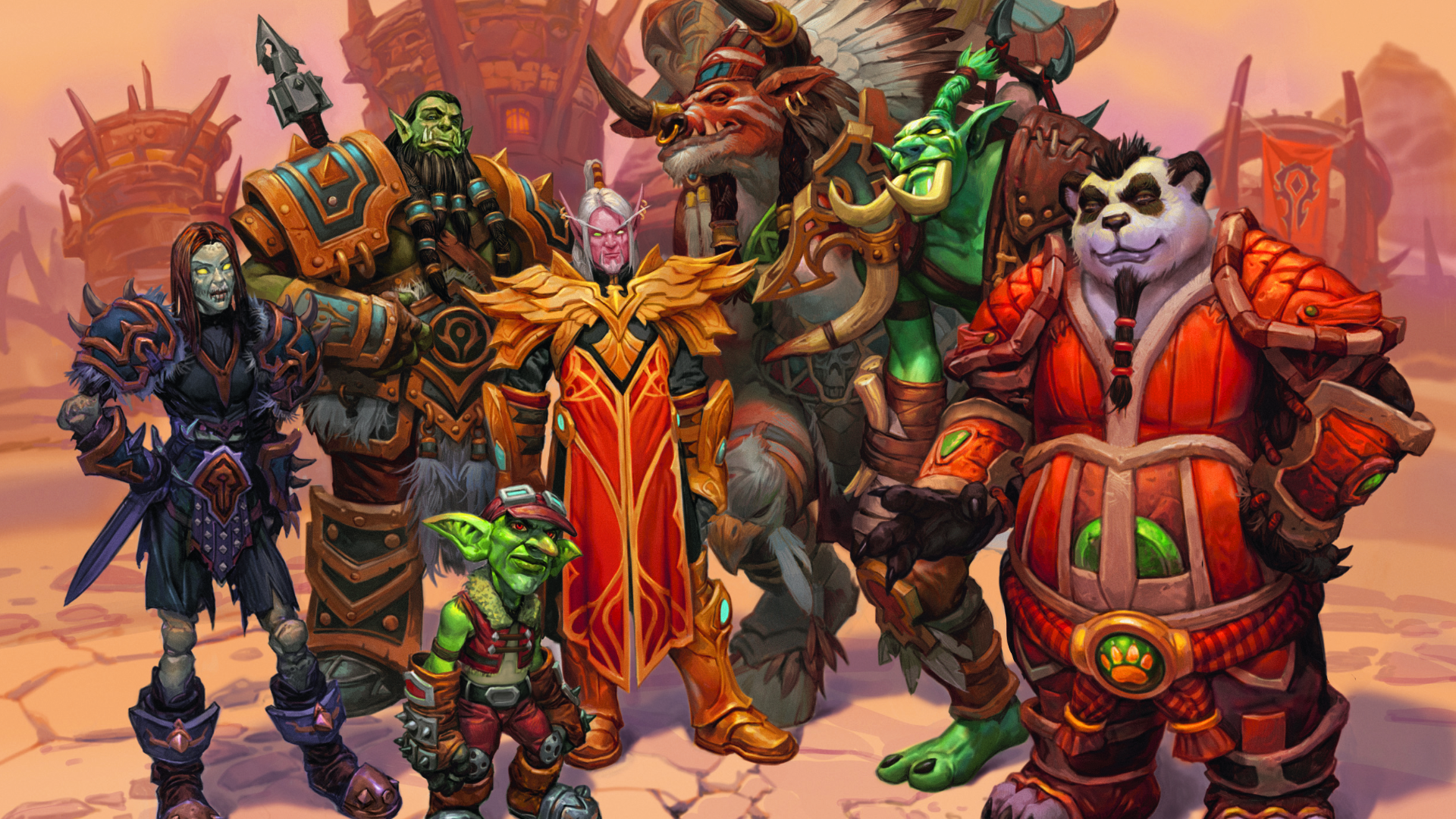
- Early Speculation and Shared Roots: For two decades, the overlap between D&D and World of Warcraft has been an open secret. Warcraft was famously inspired by early fantasy wargaming and tabletop roleplaying, meaning that bringing the franchise full circle back to a pen-and-paper format felt almost inevitable to longtime fans.
- The Initial Leaks: Rumors of an official crossover began circulating heavily across gaming forums and insider circles earlier this year, prompting massive excitement and skepticism alike. Fans wondered whether Wizards of the Coast would simply adapt World of Warcraft into a generic campaign setting or develop bespoke mechanics.
- The Deep-Dive Presentation: During a recent exclusive media presentation attended by industry outlets like PC Gamer, principal designer James Wyatt pulled back the curtain on the rulebook’s design philosophy. Wyatt enthusiastically fielded questions from community chats, teasing major mechanics, dungeon adaptations, and faction systems while carefully stopping short of spoiling everything.
- The Horizon (November 12 Release): With the official release date locked in for November 12, Wizards of the Coast has promised a steady rollout of additional information in the coming weeks. Particular attention is expected to be paid to how distinct World of Warcraft classes—such as Paladins, Mages, Druids, and Death Knights—will map onto the tabletop character creation framework.
Supporting Data and Mechanical Breakdown: Adapting Azeroth’s Systems
Adapting a twenty-year-old MMO into a tabletop rulebook requires distilling complex video game systems into intuitive pen-and-paper mechanics. The development team approached this by focusing on core pillars of the World of Warcraft experience: dungeons, crafting, and faction renown.
1. The Dungeon Toolbox
In World of Warcraft, dungeons are structured corridors designed for fast-paced combat and randomized loot drops. In the D&D: World of Warcraft rulebook, these spaces are reimagined as dynamic "toolboxes" for DMs.
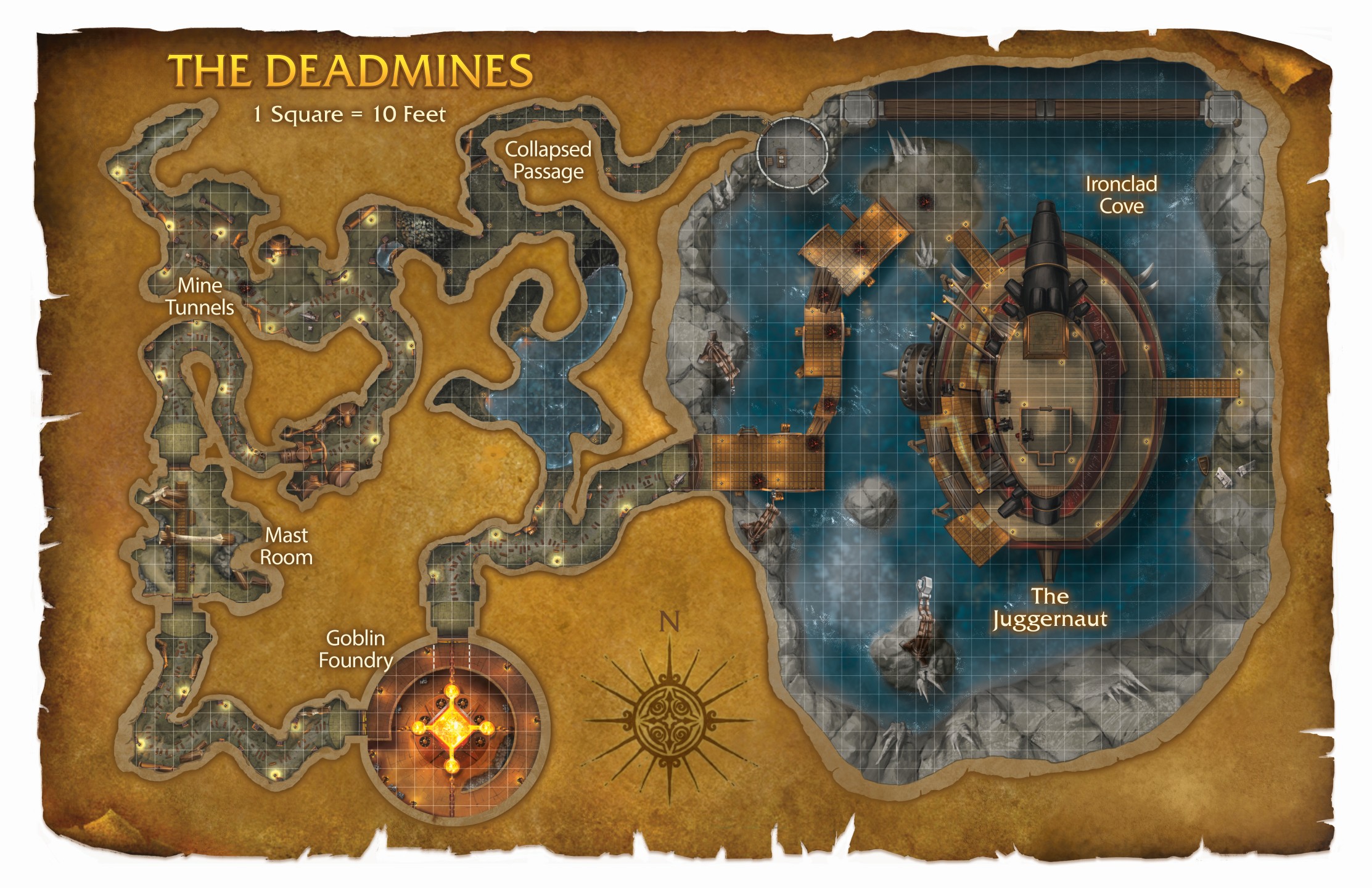
- Classic Layouts with Tabletop Freedom: Iconic dungeons like The Deadmines return with their classic layouts largely intact. However, the design team has integrated alternate routes, allowing stealthy parties to bypass certain encounters or avoid bosses entirely—a freedom not afforded in the video game.
- The Legendary "Tribute Run": Fans of classic WoW will be delighted to know that advanced tactical challenges make the transition. Players can execute a "tribute run" in Dire Maul, successfully sneaking past or avoiding every boss to secure superior bonus rewards after slaying the king.
- Pacing and Rest: Unlike the MMO, where wiping on a boss means an immediate run-back and re-engagement, tabletop dungeons remove trial-and-error combat pressures. DMs can curate enemy encounters freely, and parties face no strict systemic restrictions on taking short or long rests—though lingering too long in a dangerous zone can cause threats to escalate organically.
2. Epic Boss Encounters
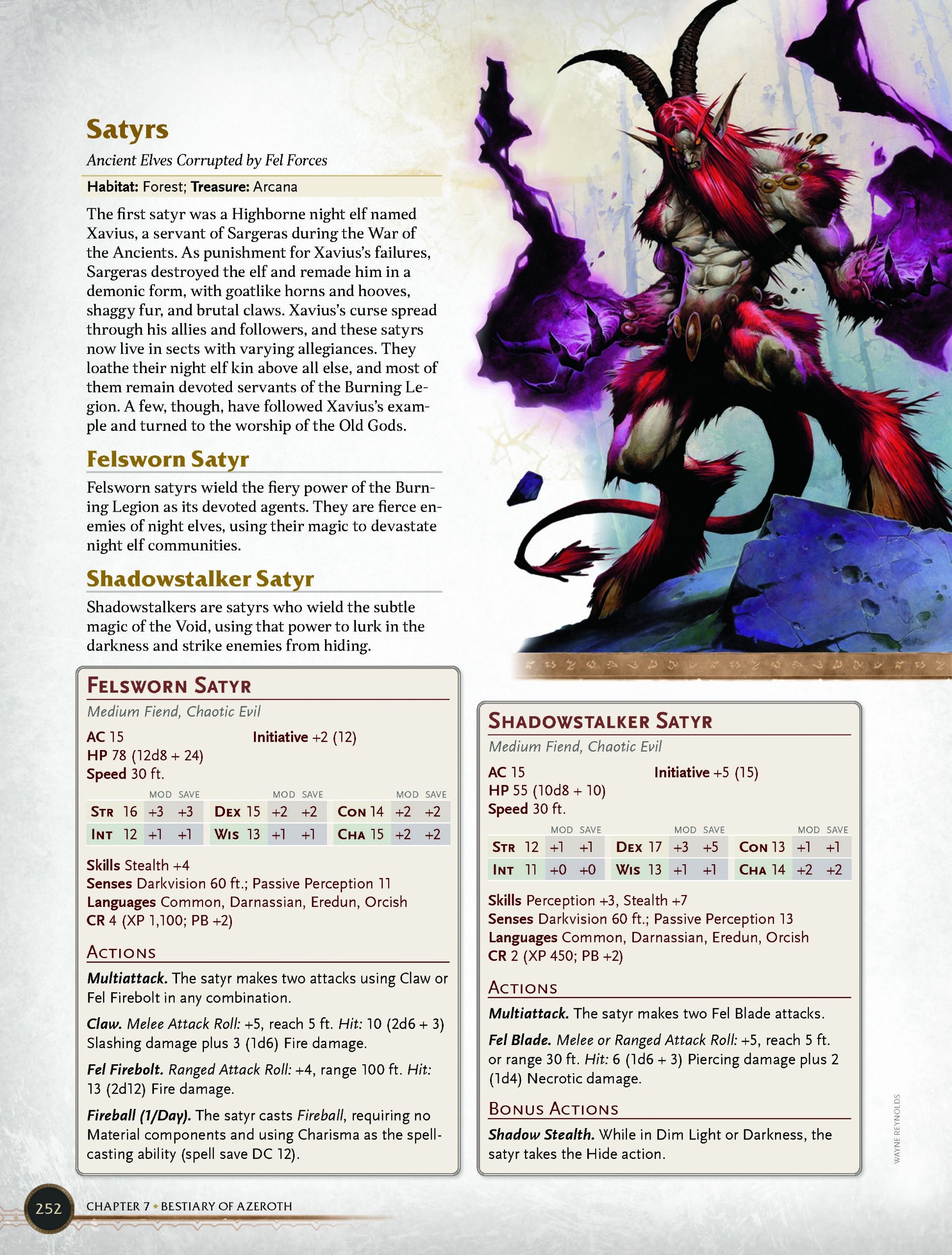
Climactic battles against Azeroth’s most famous figures—including the Lich King, Illidan Stormrage, and Jaina Proudmoore—are heavily customized for the tabletop. Rather than copying pure mathematical DPS (damage per second) checks, these encounters use tactical mechanics. For instance, instead of an aura that gradually chills a party over time, Jaina Proudmoore’s tabletop encounter freezes an individual player solid, forcing teammates to rapidly thaw them out using fire magic before she strikes with a devastating ice lance.
3. Gathering, Crafting, and Professions
Professions are a cornerstone of the MMO economy, and the team successfully integrated them into D&D without overhauling the core ruleset:
- Exploration Checks: Players can perform Wisdom checks to discover supplies or mine ore veins while exploring the world.
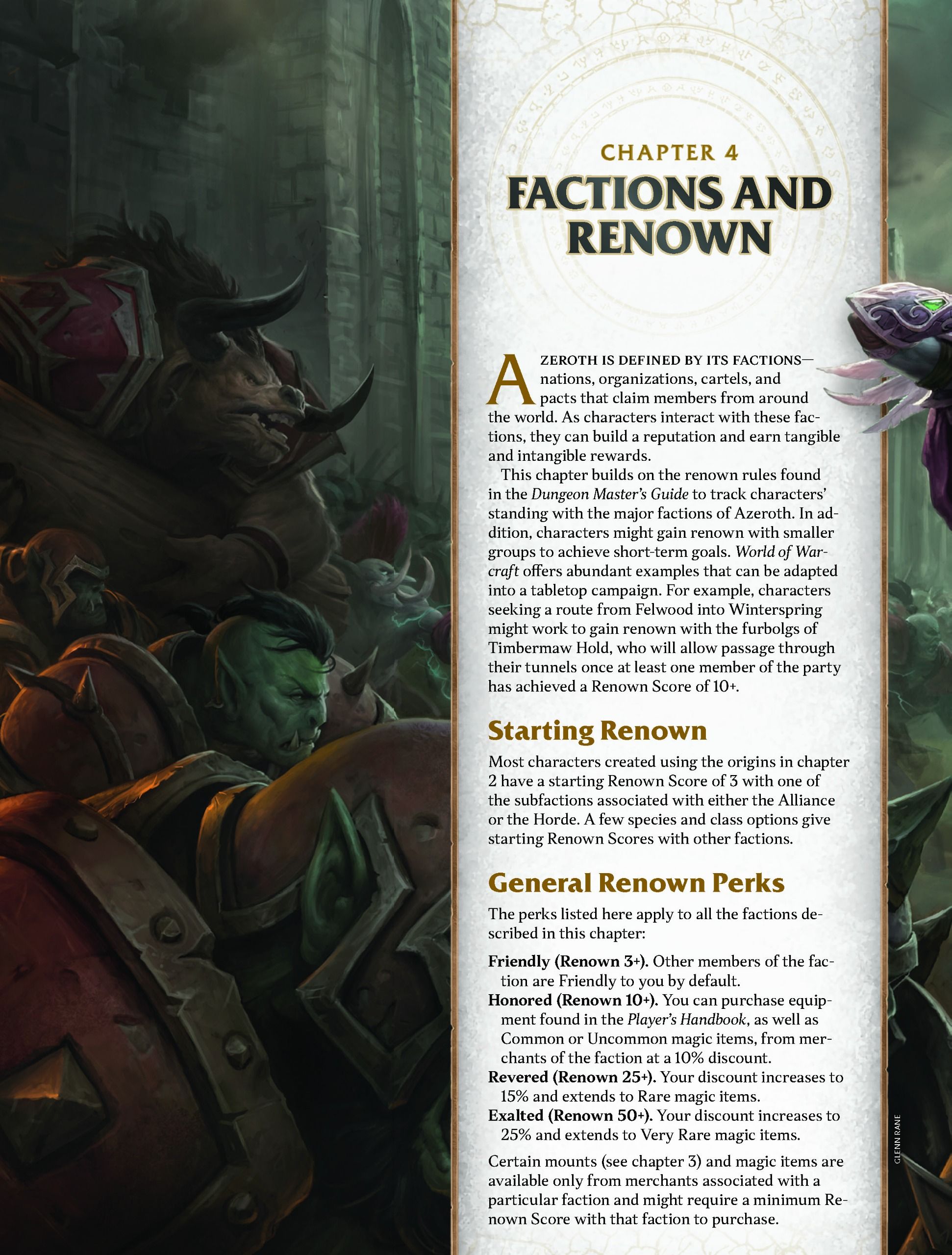
- Proficiency Gating: Gathered materials feed into a structured crafting system using standard recipes. Powerful equipment, such as high-tier armor, is gated behind a player character’s proficiency bonus, giving a continuous, tangible incentive to develop gathering and crafting skills over the course of a campaign.
4. Renown and Faction Systems
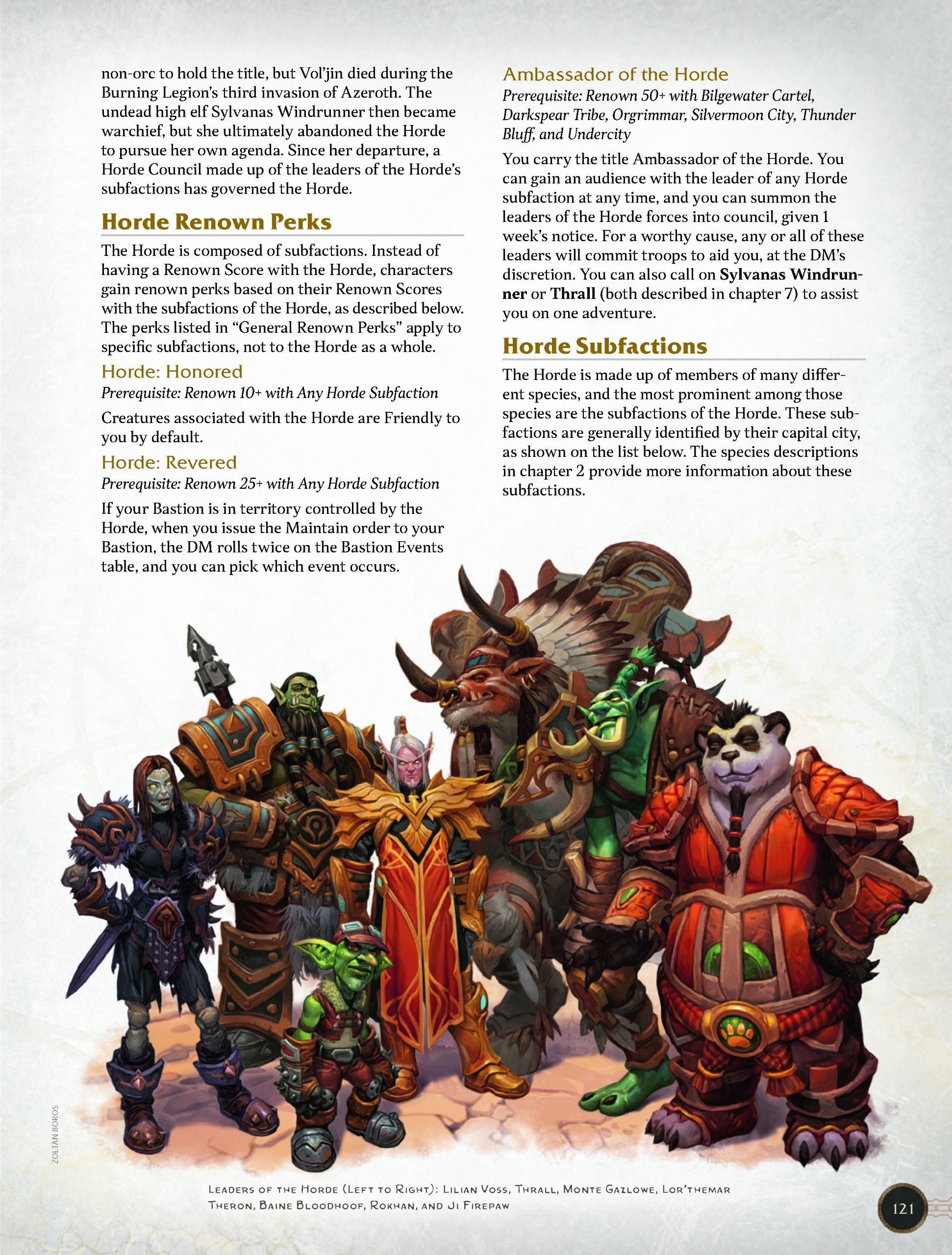
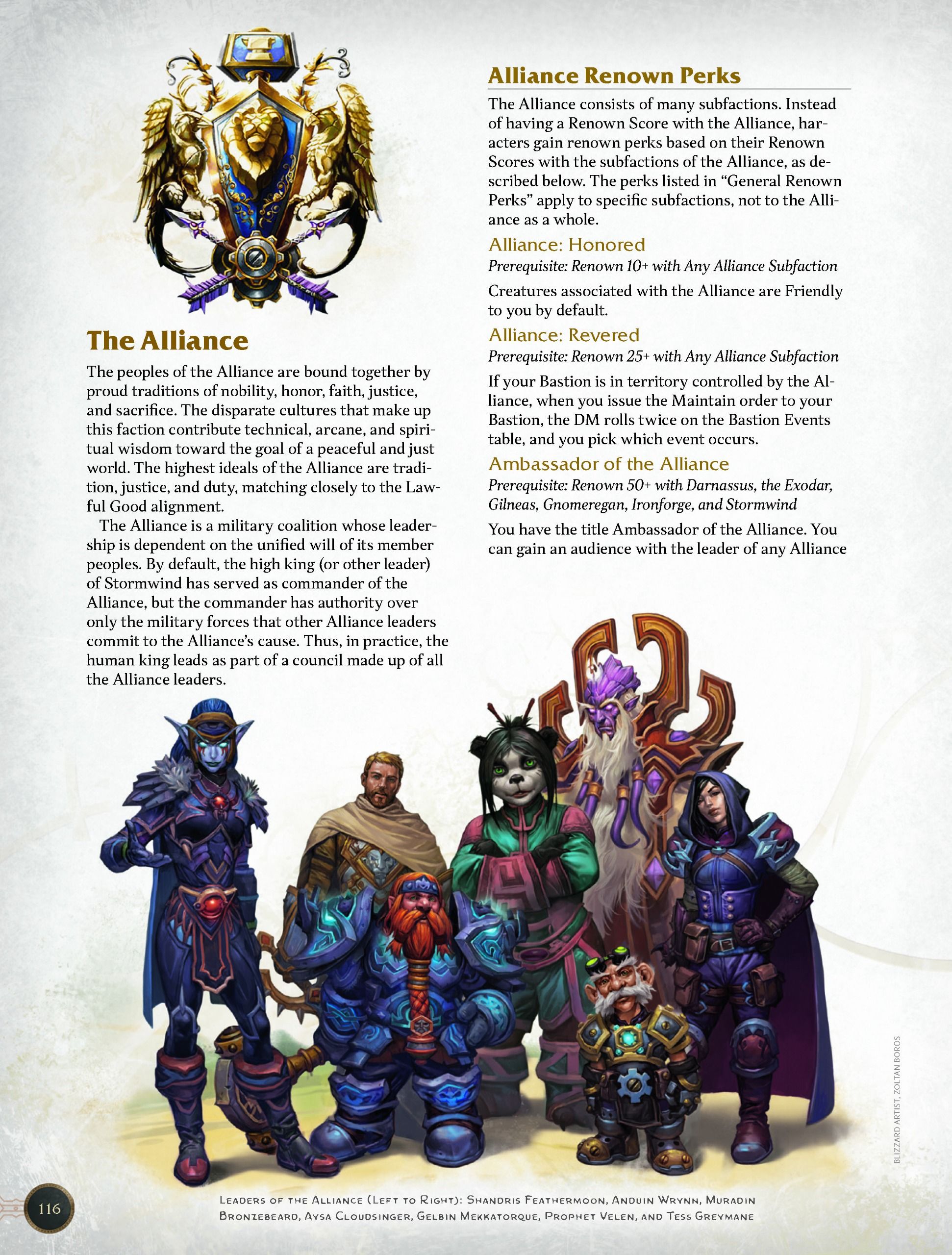
The MMO’s reputation grinding is streamlined into a familiar D&D renown progression. Ascending the ranks of trust with specific groups unlocks unique perks. For example, achieving "Exalted" status with the Earthen Ring grants a charm capable of summoning a powerful elemental minion or opening a teleportation portal across the world. Furthermore, aligning with powerful entities like the Dragon Aspects can eventually yield rewards equivalent to a high-level Wish spell, while navigating rival factions introduces meaningful political consequences where pleasing one group may alienate another.
Official Responses and Creative Philosophy
The driving philosophy behind the crossover centers on authenticity and intelligent curation. Speaking during the preview presentation, James Wyatt emphasized that the project is built on "paraphrasing" rather than strict 1:1 emulation.
"The grind isn’t made for tabletop players," Wyatt explained, addressing why the team deliberately avoided importing the video game’s tedious kill-and-loot cycles. Instead, the developers focused on capturing the nostalgic wonder of exploring Azeroth during its early days—long before datamined loot tables and online video guides stripped away the mystery of discovery.
Wyatt also noted that the rulebook serves as a love letter to the lore up through the Midnight expansion. By leaning into time-travel narrative devices introduced by characters like the bronze dragon Chromie, the book justifies letting players traverse multiple eras of Azerothian history seamlessly.
While keeping major class adaptation details under wraps until closer to the November launch, Wyatt hinted at the sheer volume of content left on the cutting-room floor. He admitted to already brainstorming ideas for a potential follow-up expansion book, though the team’s immediate focus remains on observing how players receive this foundational rulebook.
Implications: What This Means for the Future of TTRPG Collaborations
The release of Dungeons & Dragons: World of Warcraft carries significant implications for both tabletop publishing and video game adaptations.
For Wizards of the Coast, successful crossover books prove that major intellectual properties can be integrated into the fifth-edition framework without diluting the core identity of D&D. Rather than leaning on generic fantasy tropes, leaning into specific, beloved video game lore provides DMs with ready-made campaigns that carry built-in emotional resonance for millions of players.
For the wider gaming industry, this collaboration highlights the growing permeability between digital and physical gaming spaces. As players increasingly seek multifaceted ways to engage with their favorite virtual universes, high-quality tabletop adaptations offer a social, imaginative medium that video games alone cannot replicate. If D&D: World of Warcraft successfully strikes the balance between honoring Blizzard’s intricate world and respecting the creative freedom of the tabletop, it could pave the way for a new era of cross-media roleplaying game design.

