

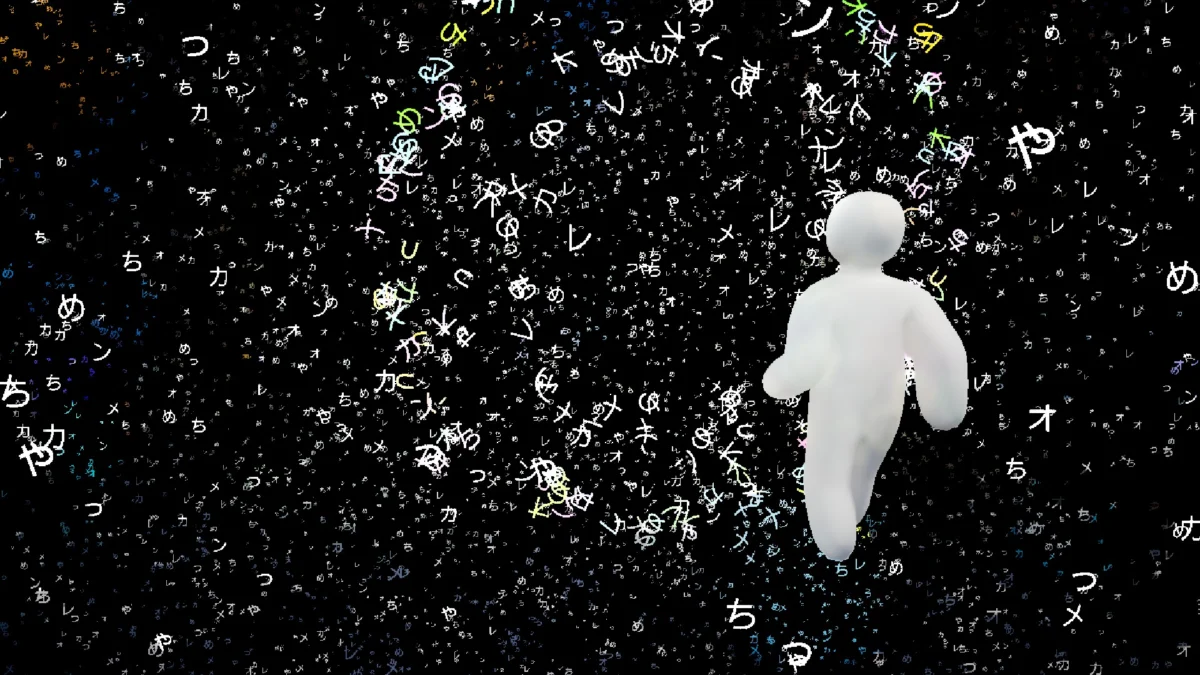
In an era dominated by high-fidelity shooters, live-service battle royales, and hyper-competitive esports titles, it is rare to find a game that eschews traditional mechanical mastery in favor of something more cerebral, artistic, and—frankly—mischievous. Enter Meccha Chameleon, a $6 indie title from developer lemorion_1224 that has quietly transformed the humble "Prop Hunt" genre into a high-stakes, painterly battle of wits. It is a game that challenges not your reflexes, but your perception, proving that in the right hands, a paintbrush can be far more dangerous than a tactical rifle.
The Core Concept: Hide and Seek, Elevated
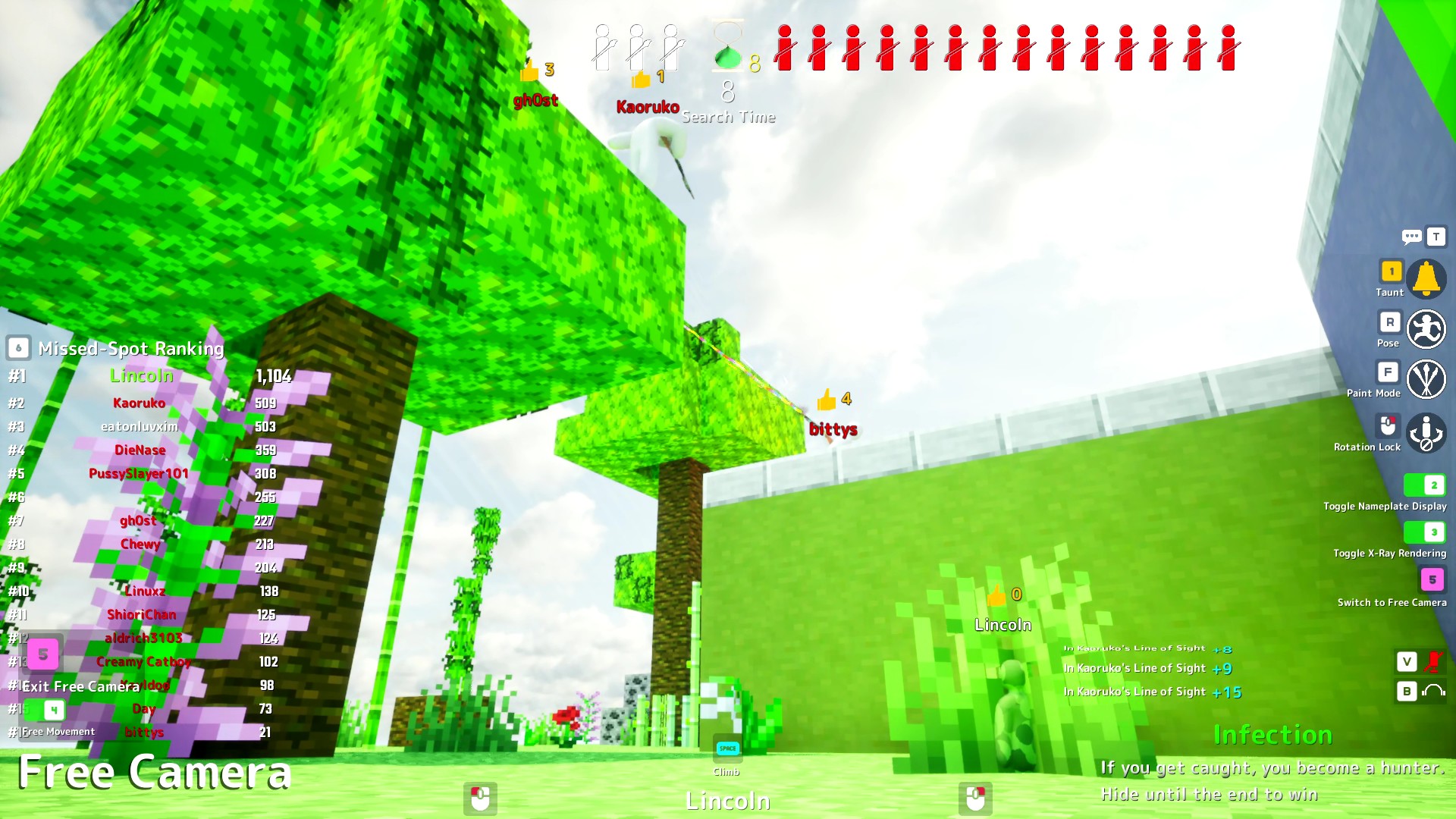
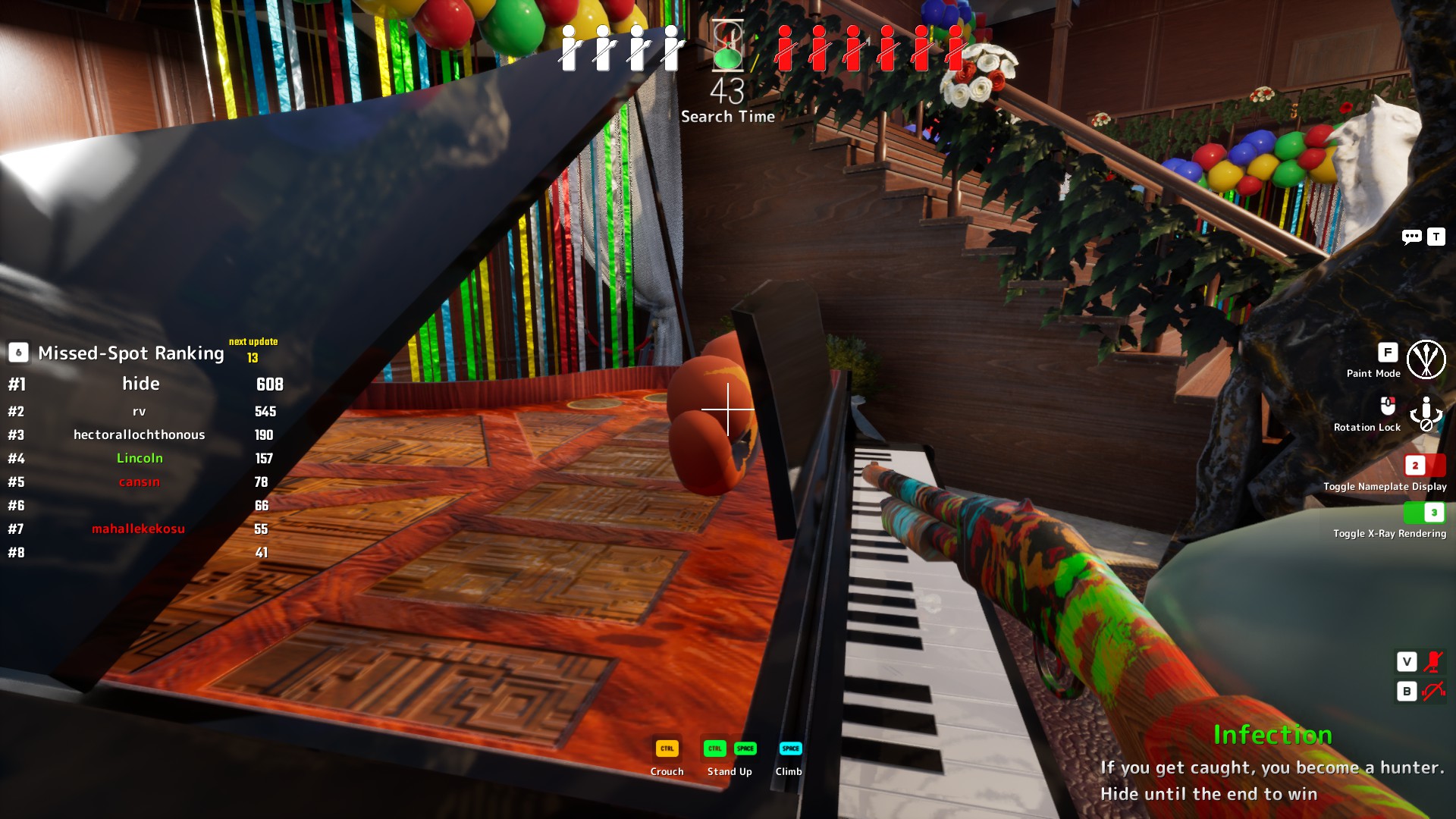
At its heart, Meccha Chameleon is a deceptively simple premise: a game of hide-and-seek where the "hider" is a blank, featureless marble figure that must blend into its surroundings. While the genre is well-trodden—popularized by various Garry’s Mod iterations over the last two decades—Meccha Chameleon introduces a radical shift in mechanics. Instead of simply selecting a pre-existing asset from a library, the player is tasked with physically "painting" their character to match the environment.
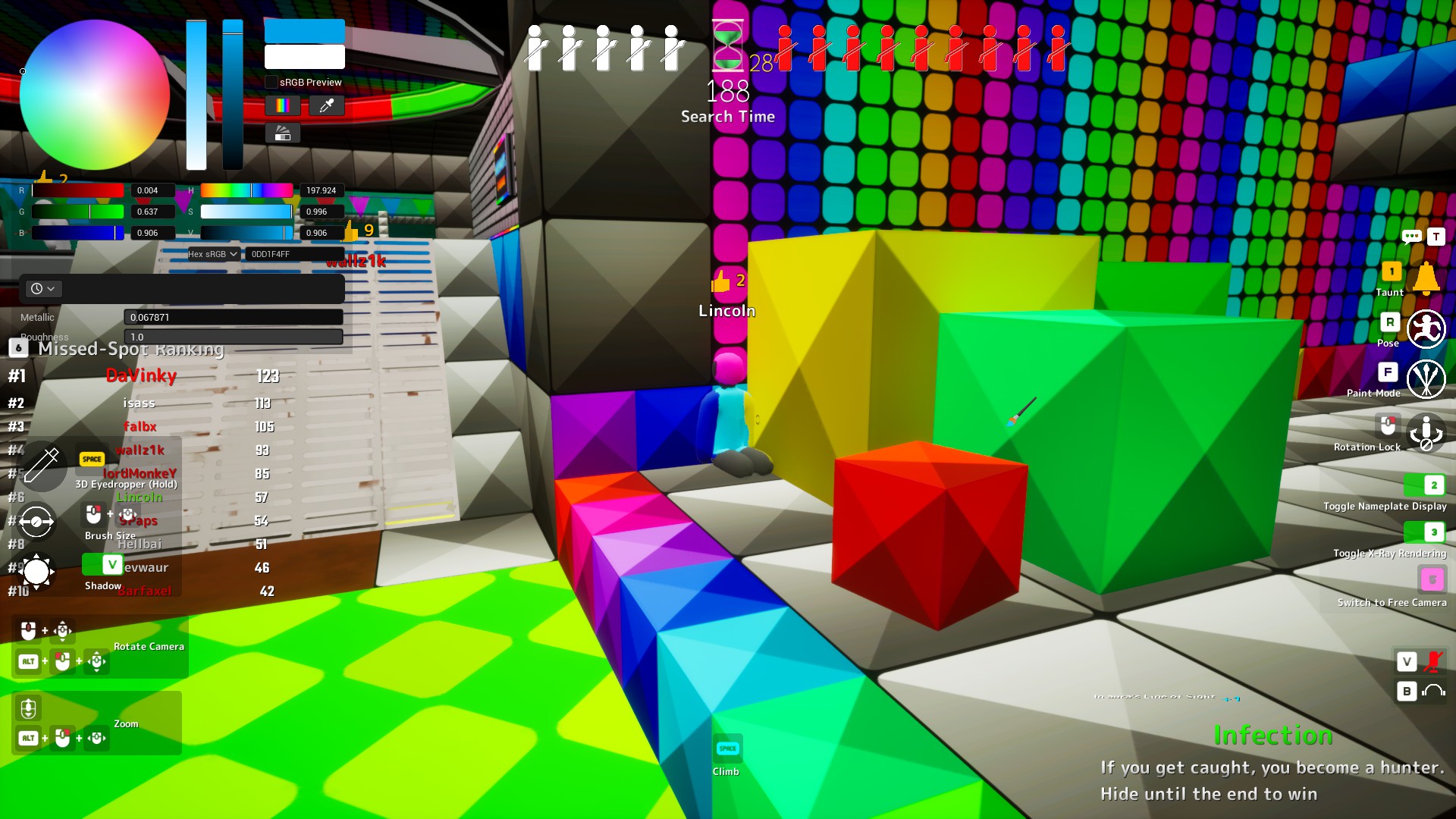
When the hiding phase commences, the player is granted a brief window of time to utilize an MS Paint-style interface, complete with brushes and an eyedropper tool. The goal is to match the texture, color, and surface properties of the chosen environment—be it a wall, a statue, or a tuft of grass—with enough precision to fool the "hunters."
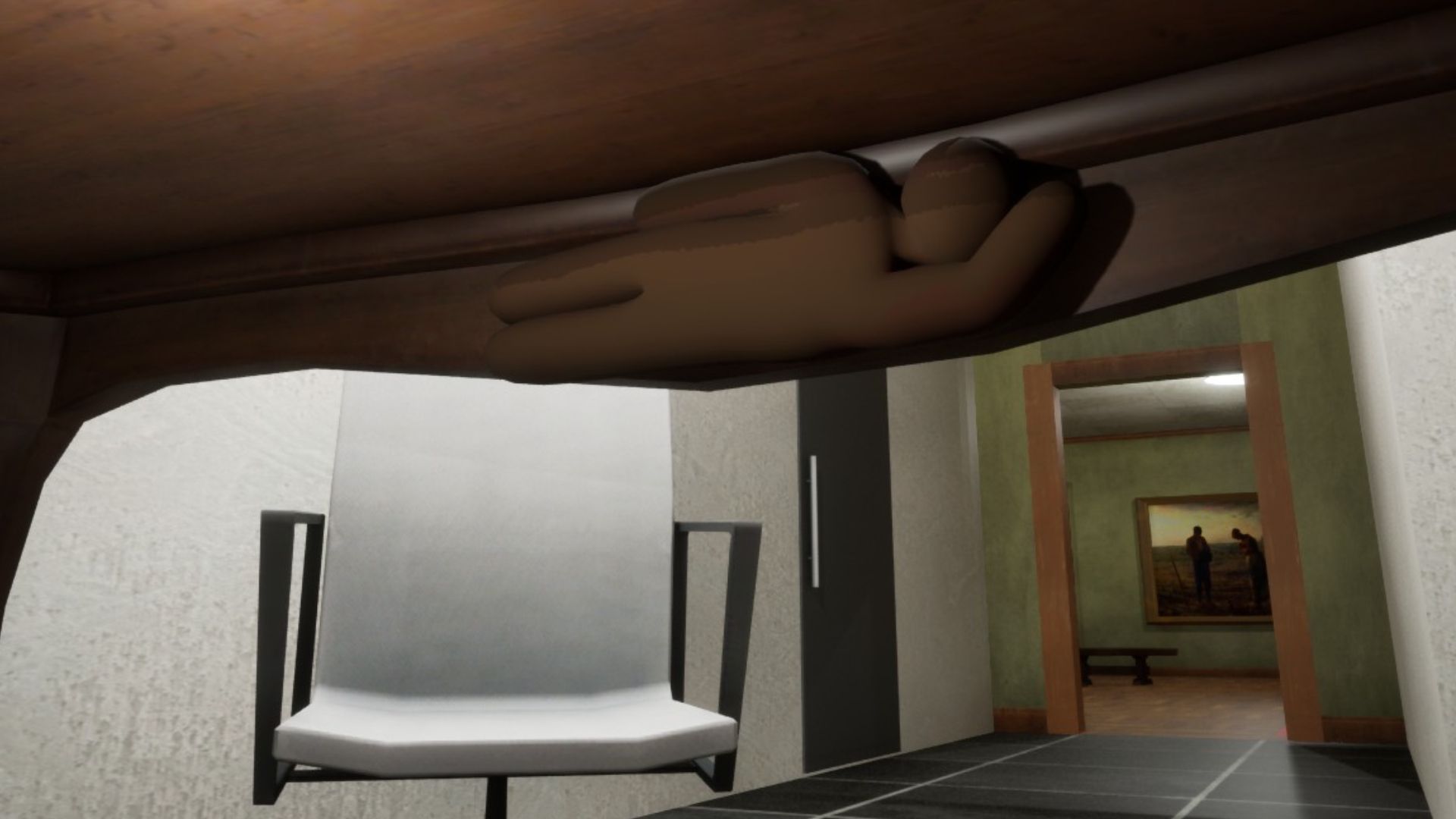
This is not merely about finding a corner to sit in; it is an exercise in visual manipulation. Successful camouflage requires the player to consider lighting, shadow, and the natural sightlines of the map. It forces you to think like a set designer, identifying the "blind spots" in the architecture where a human eye, conditioned to look for movement or anomalies, will naturally glide over you.
A Chronology of the "Bamboozle"
The experience of playing Meccha Chameleon often follows a distinct arc. In the initial sessions, players are typically clumsy, slapping garish colors onto their character models in a panic. The result is almost always discovery. However, as one spends more time within the game’s detailed, community-bolstered maps, the gameplay shifts.
- The Learning Phase: Players begin to understand the limitations of the paint tools. They learn which textures hold color well and which surfaces reflect light, revealing the "fake" nature of the camouflage.
- The Artistic Turn: This is the point where the game transitions from a shooter-adjacent experience to a creative one. Players start experimenting with layers, gradients, and perspective. The "top-tier" hiders begin to treat their character as a canvas, turning themselves into integrated parts of the geometry.
- The Psychological Warfare: Once mastery of the paint tool is achieved, the meta-game becomes psychological. The most effective hiders don’t just hide in shadows; they hide in plain sight. They position themselves in high-traffic corridors, perfectly painted to match a wall or a decorative prop, and watch as hunters run past them, mere inches away, completely oblivious.
Supporting Data and Technical Reality
The brilliance of the game is tempered by the harsh realities of its development cycle. Meccha Chameleon is the work of a two-person Japanese team, and its production limitations are evident.
- Performance: The game is currently unverified for the Steam Deck and, while it runs adequately on modern hardware (such as the RTX 4070/i7-14700KF setup used for this review), it is plagued by collision bugs and desync issues.
- UI Constraints: The user interface is, to put it politely, "endearingly crude." It features two separate eyedropper tools, one of which is significantly more effective than the other, yet neither is clearly marked.
- The "Rough Edge" Factor: The lack of a robust matchmaking system means players are reliant on a server browser that lacks basic ping telemetry. Players are often left to guess which server might provide a stable connection, leading to a trial-and-error process that can frustrate even the most patient user.
Despite these hurdles, the community engagement is remarkably high. The map-making community has stepped in to fill the void left by the limited developer resources, consistently churning out complex, detail-dense environments that keep the "game of hide-and-seek" fresh and challenging.
Official Responses and Developer Transparency
Developer lemorion_1224 has maintained a relatively low profile, focusing primarily on iterative updates. However, the game’s history of patches suggests a developer who is acutely aware of the community’s feedback, even if their attempts to fix issues occasionally result in further technical hiccups.
There is a clear intention to build a professional-grade product—evidenced by the presence of what appears to be a report function in the menu—but the execution remains incomplete. Many of the interactive UI elements lack labels or documentation, leaving new players to decipher the system through sheer experimentation. This "handmade" quality, while part of the game’s charm, is arguably its greatest obstacle to wider adoption.
Implications: The Death of the "Standardized" Shooter
Perhaps the most significant implication of Meccha Chameleon is what it says about the state of competitive gaming. For many, the "standard" multiplayer experience—defined by reflex-heavy twitch shooters—has become stale. We have spent years training our brains to react to movement and sound in a highly standardized way.
Meccha Chameleon breaks this cycle. It forces the brain to process information through a different lens: visual pattern recognition and spatial reasoning. By turning the "hunter" into a "detective" and the "hider" into an "artist," the game reclaims the competitive spirit. It proves that there is a massive, untapped appetite for games that reward lateral thinking over mechanical precision.
The Problem of Moderation
One cannot discuss the current state of Meccha Chameleon without addressing the lack of active moderation. In an online space where players can customize their character’s appearance, the potential for toxicity is high. When players decide to use the painting tools to display hate symbols or offensive imagery, the current reporting system—which is essentially non-functional due to a lack of labels—offers little recourse.
Currently, the primary defense against such behavior is the "host kick" feature. In practice, however, the most effective tool against a troll is simply to outplay them. There is a distinct, cold satisfaction in watching a player who is busy painting slurs on themselves be completely outmaneuvered by someone who has carefully blended into the local architecture. While this is not a substitute for proper moderation, it provides a temporary, cathartic check on bad-faith actors.
Final Verdict: A Blemish-Filled Gem
Meccha Chameleon is not a polished AAA experience. It is a chaotic, buggy, and often frustrating test of patience. Yet, it is also one of the most creatively rewarding multiplayer games in recent memory. It serves as a potent reminder that a game does not need a multi-million dollar budget or a massive server infrastructure to provide a truly unique social experience.
For those willing to overlook the UI quirks, the occasional desync, and the lack of robust moderation, Meccha Chameleon offers a rare opportunity: the chance to weaponize your own creativity. It turns the mundane act of hiding into a high-stakes performance art, where your only armor is your ability to see the world as it truly is, and your only weapon is your ability to convince others that you are simply part of the scenery. If you have ever felt that modern competitive games were just a series of repetitive reflex tests, Meccha Chameleon is the antidote. It is a flawed, messy, and absolutely essential lesson in how little it takes to make something truly special.

