

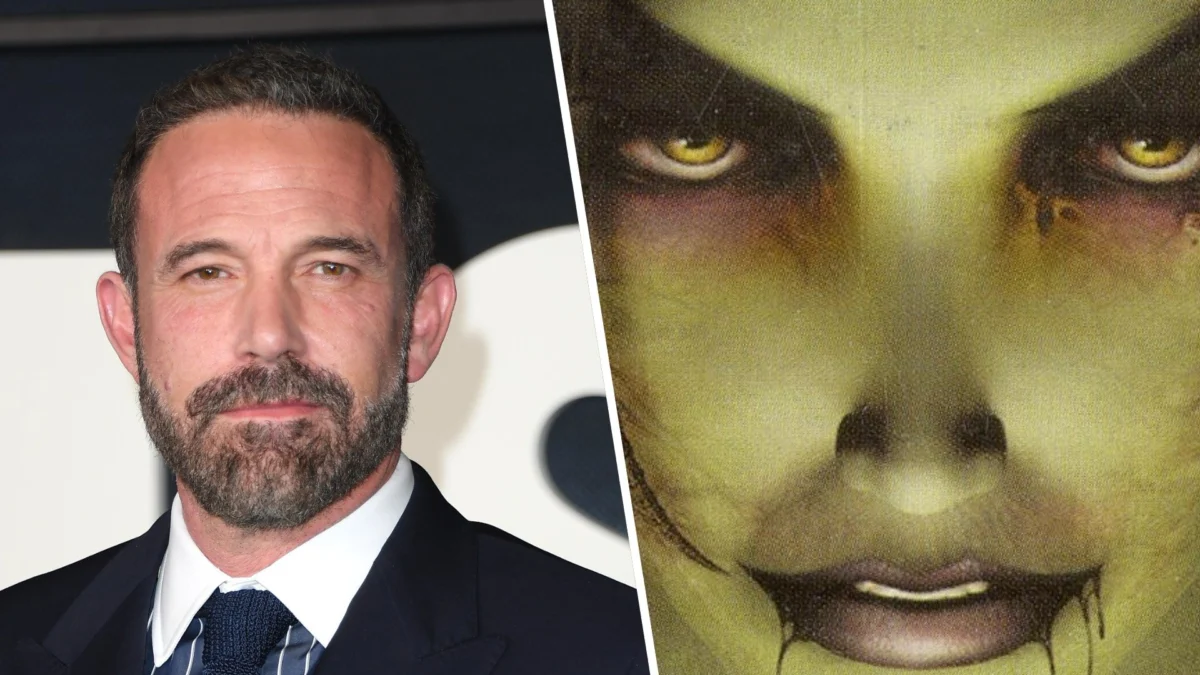
LOS ANGELES — Hollywood heavyweights are often defined by the scale of their cinematic achievements, the prestige of their awards, and the public scrutiny of their personal lives. Yet, beneath the veneer of red carpets and Oscar campaigns lies a subculture of entertainment icons who find their ultimate escape not in the limelight, but in the digital trenches of video games.
In a recent, surprisingly candid conversation, Academy Award-winning actor, writer, and director Ben Affleck pulled back the curtain on a decades-long gaming obsession. Speaking candidly on the Happy Sad Confused podcast, Affleck revealed that his passion for interactive entertainment spans from the golden age of 1990s LAN parties to the modern, hyper-competitive arenas of contemporary shooters.
His confessions paint the picture of a man who didn’t just casually dabble in gaming during downtime on set, but one who sacrificed years of his early fame to master some of the most demanding titles ever created.
Main Facts: The Scope of Affleck’s Gaming Pedigree
The revelation that a-list celebrities play video games is rarely groundbreaking on its own; modern motion capture and high-profile voice acting have bridged the gap between Hollywood and Silicon Valley for decades. However, the sheer depth and historical continuity of Affleck’s gaming history separate him from the casual celebrity gamer.
According to Affleck, his gaming resume is extensive and deeply rooted in PC gaming history:
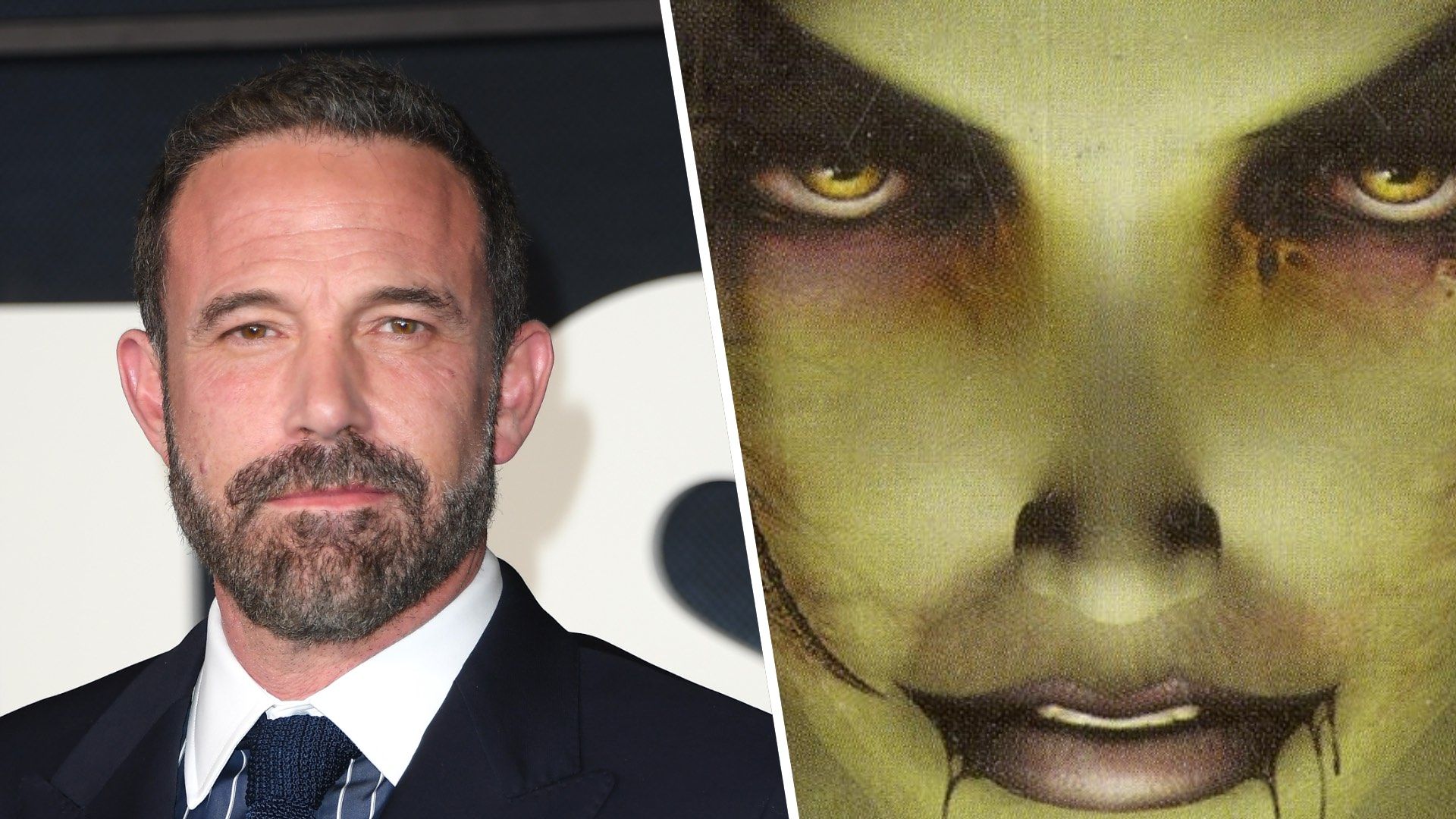
- The StarCraft Era: Following his sudden propulsion to international fame in the late 1990s, Affleck spent a staggering three-year period largely secluded, consumed entirely by Blizzard Entertainment’s seminal real-time strategy (RTS) masterpiece, StarCraft.
- The Good Will Hunting Era: While co-writing and filming the critically acclaimed 1997 film Good Will Hunting alongside lifelong friend Matt Damon, Affleck split his creative focus with id Software’s genre-defining 1993 first-person shooter, Doom.
- Modern Competitiveness: Far from retiring his controller as he entered middle age, Affleck remains an active participant in modern online multiplayer games, specifically Riot Games’ tactical shooter, Valorant.
- Sports and Classics: His eclectic taste extends to annualized sports franchises like NBA 2K and Madden NFL, alongside arcade and puzzle classics including Myst, Tetris, Donkey Kong, and Ms. Pac-Man.
Chronology: A Timeline of Obsession
To understand how Ben Affleck transitioned from a promising young actor into a battle-hardened RTS tactician and tactical shooter combatant, one must trace his gaming journey across distinct technological and cultural eras of the industry.
1. The Genesis: Doom and the Roots of Good Will Hunting (Early–Mid 1990s)
Long before streaming platforms and high-speed fiber internet defined the gaming landscape, the release of Doom in 1993 sent a seismic shockwave through pop culture. For Affleck, the game arrived precisely as he was trying to break through in the entertainment industry.
During the arduous writing and production process for Good Will Hunting—the film that would ultimately win Affleck and Matt Damon an Academy Award for Best Original Screenplay—video games served as both a creative outlet and a frequent distraction. Affleck recalled taking extended, deliberate writing breaks to immerse himself in id Software’s pixelated halls of demons and plasma guns. The cyclical nature of video game development during this era—where Doom gave rise to Quake and subsequent 3D engines—mirrored the trajectory of Affleck’s own career as he ascended to Hollywood’s A-list.
2. The Wilderness Years: Three Lost Years of StarCraft (Late 1990s–Early 2000s)
If Doom was a background hobby, StarCraft was an absolute takeover. Released in 1998 by Blizzard Entertainment, the sci-fi RTS game became a cultural phenomenon, particularly in South Korea, but its tendrils reached deep into the heart of Los Angeles as well.
Affleck noted that the game consumed the most significant block of time in his life. Following the stratospheric success of Good Will Hunting in 1997, the newly minted superstar faced intense public scrutiny, paparazzi attention, and the overwhelming pressures of sudden fame. His coping mechanism? Staying home for three years and dedicating himself to the micro-management of Terran, Zerg, and Protoss armies. For a period when the public imagined Affleck living a glamorous Hollywood social life, the reality behind closed doors involved executing build orders and managing mineral lines.
3. The Arcade and Puzzle Foundations
Interspersed between intense multiplayer sessions were the foundational puzzle and arcade games that defined earlier generations of interactive media. Affleck’s appreciation for titles like Tetris, Donkey Kong, Ms. Pac-Man, and the atmospheric graphical adventure Myst underscores a broad palette. While not traditionally associated with "hardcore" gaming communities, these titles represent the historical bedrock upon which the modern gaming industry was built.
4. The Modern Crucible: Humiliation in Valorant (Present Day)
Age, it seems, is no barrier to entering the chaotic arenas of modern free-to-play competitive shooters—though it does come with a steep learning curve. Affleck admitted to an ongoing addiction to Valorant, Riot Games’ ultra-popular tactical hero shooter that combines precise gunplay with specialized character abilities.
However, transitioning from the methodical, top-down strategy of StarCraft to the twitch-reflex demands of a modern 5v5 tactical shooter has not been without its bruises. Affleck offered a humorous and intensely relatable account of trying to keep pace with younger demographics online: getting routinely outplayed, questioning the legitimacy of opponents ("Are you motherfuckers cheating?"), and ultimately facing the unvarnished wrath of pre-teen opponents ("Fuck you, loser!").
Supporting Data: The Decline of the RTS Genre
One of the more poignant cultural observations Affleck made during his podcast appearance was a lament for the state of real-time strategy games, noting that the genre has largely "gone out of style" in contemporary mainstream gaming.
The actor’s sentiment is backed up by industry trends over the past two decades:
- The Shift to MOBAs: The strategic DNA of StarCraft did not entirely vanish; instead, it mutated. The massive popularity of custom maps like Defense of the Ancients (DotA) spawned an entirely new genre—Multiplayer Online Battle Arenas (MOBAs)—such as League of Legends and Dota 2, which siphon away millions of players who might have otherwise gravitated toward traditional RTS titles.
- Budgetary Realities: Developing a modern, AAA real-time strategy game requires immense financial investment and balancing complexity, a risk that major publishers have largely shied away from in favor of predictable, mass-market open-world adventures or live-service shooters.
- Remasters and Revivals: While true new entries in the RTS space are rare, occasional bright spots—such as Microsoft’s Age of Empires definitive editions and Blizzard’s StarCraft Remastered—demonstrate that a dedicated, aging demographic of players (including, presumably, Hollywood directors) still craves the high-stakes tactical management of the genre’s golden age.
Official Responses and Industry Reaction
The internet’s reaction to Affleck’s video game confessions was swift and overwhelmingly positive. Within hours of the podcast episode dropping, gaming subreddits, social media platforms, and entertainment outlets were buzzing with memes and commentary imagining the Batman star raging in voice chat lobbies.
While neither Riot Games nor Blizzard Entertainment have issued formal press statements regarding Affleck’s gameplay habits, community managers and developers across the industry chimed in on social media:
- The Valorant Community: Fans and content creators flooded platforms like X (formerly Twitter) with clips imagining queueing into a competitive match and realizing their teammate "Initiator" is the director of Argo.
- The Relatable Gamer Narrative: Industry commentators pointed out that Affleck’s experience—getting "rocked" by teenagers and questioning whether younger players are using cheats—is a universal rite of passage for older gamers transitioning into fast-paced contemporary multiplayer titles. It effectively humanized a figure often viewed through the lens of celebrity gossip and high-budget filmmaking.
Implications: Celebrities, Relatability, and the Modern Gamer Identity
Ben Affleck’s candid admissions highlight a broader cultural shift in how media consumers view public figures. The old archetype of the aloof, untouchable movie star who spends free time at exclusive Hollywood galas is increasingly giving way to a more modern, porous reality: celebrities are just as susceptible to the hypnotic pull of digital entertainment as anyone else.
1. Breaking the Stigma of Gaming
When a major cultural icon—an Oscar winner and former cinematic superhero—freely admits to wasting three years of his prime playing StarCraft and getting verbally abused by 11-year-olds in Valorant, it actively dismantles lingering stigmas associated with gaming. Video games are no longer viewed merely as a niche hobby for adolescents, but as a ubiquitous, cross-generational medium that captures the attention of the world’s most successful creatives.
2. The Creative Connection between Filmmaking and Interactive Media
There is a fascinating psychological parallel between Affleck’s professional life as a director, writer, and actor, and his recreational life as a gamer. Games like StarCraft require macro-level strategic vision, resource management, and forward-thinking orchestration—skills that bear a striking resemblance to running a multi-million-dollar film set. Similarly, interactive narratives and immersive simulators exercise the same creative muscles required to construct compelling cinematic stories.
3. What’s Next for Hollywood’s Hidden Gamer?
As studios continue to mine video game intellectual properties for cinematic adaptations—ranging from The Last of Us to Fallout—the presence of genuine, hardcore gamers within the upper echelons of Hollywood leadership becomes increasingly significant. While there is no official word on whether Affleck plans to direct or star in a video game adaptation, his deep historical literacy in the medium proves that his appreciation for interactive art is far more than a passing PR fad.
For now, the next time an unsuspecting gamer logs into a late-night Valorant match and hears a gruff voice complaining about youthful reflexes and modern cheat software, they might just want to check the scoreboard. It just might be Batman on the other end of the mic.

