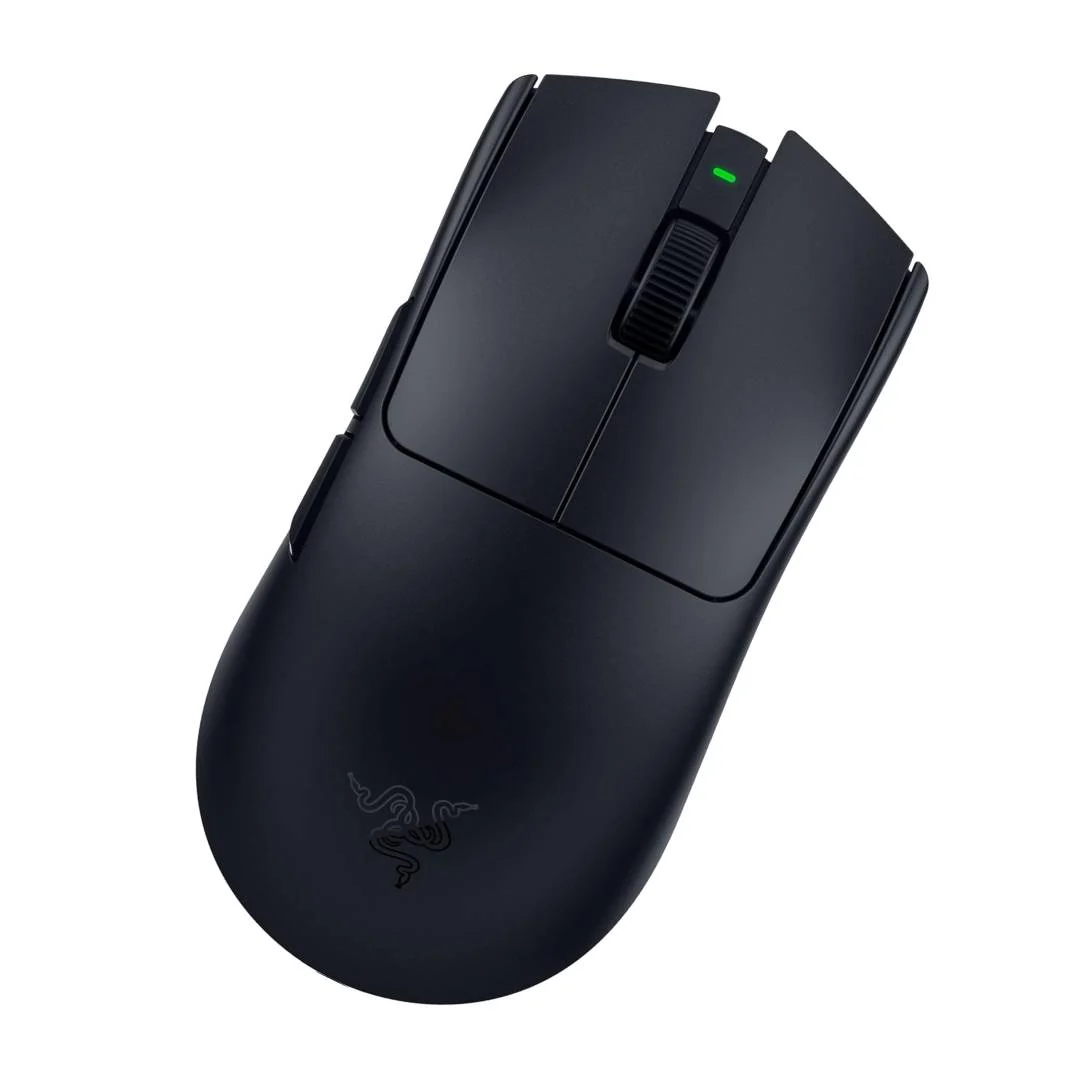
For years, the narrative surrounding competitive PC peripherals has been defined by the complete and utter triumph of wireless technology. Once plagued by input lag, connection drops, and heavy batteries, modern wireless gaming mice have evolved into engineering marvels. Boasting high-speed polling rates that far exceed their older wired counterparts, zero perceptible latency, and featherlight chassis designs, wireless rodents have become the undisputed standard for both casual enthusiasts and elite esports athletes. Today, suggesting a wired mouse for high-level competitive play sounds almost archaic—a compromise reserved strictly for tight budget builds.
Yet, competitive integrity met an unexpected adversary at the Valorant Champions tournament in Shanghai: the humble, tethered cable. A series of persistent wireless signal interferences forced tournament organizers to mandate that all competing professionals swap to wired mice, throwing a wrench into meticulously practiced routines and igniting a broader conversation about the unforeseen pitfalls of custom stage engineering in modern esports.
Main Facts: The Signal Failure at Champions Shanghai
The crisis came to a head during the high-stakes showdown between FUT Esports and 100 Thieves. During a critical round, FUT Esports player "xeus" experienced a catastrophic hardware failure: his wireless mouse abruptly stopped registering clicks, rendering him unable to fire his weapon during a pivotal engagement. The equipment failure contributed significantly to a round loss, ultimately helping seal a 2-0 series victory for 100 Thieves.
Following the match, the Valorant Esports official channels released an emergency statement addressing ongoing technical disruptions. The announcement confirmed that "repeated mouse interference issues have caused multiple tech pauses and disrupted our most important tournament of the year." To safeguard the remainder of the tournament, Riot Games issued a blanket mandate requiring all participating players to plug in their mice via USB cables, effectively turning their wireless devices into wired peripherals until the underlying environmental interference could be identified and neutralized.
Riot’s preliminary investigation pointed an accusing finger at an unexpected culprit: the tournament’s custom-built metal desks. Designed to match the sleek, futuristic aesthetic of the Champions stage, the heavy metal construction inadvertently acted as an obstacle or conductor, wreaking havoc on the 2.4GHz wireless signals bouncing between the players’ mice and their respective receivers.
Chronology of Events: From First Glitch to Mandatory Cords
To understand how a multi-million-dollar international esports circuit found itself battling hardware connectivity issues, it is necessary to trace the timeline of the Shanghai tournament:
Stage Design & Setup (Pre-Tournament): Riot Games constructs custom metal desks for the players to sit at on stage. While aesthetically striking and structurally robust, the metallic properties of the furniture introduce unseen electromagnetic shielding or reflection issues for wireless peripheral frequencies.
The Group Stages & Early Tech Pauses: Players begin reporting intermittent stuttering, input delays, and sudden disconnections. These issues prompt unscheduled "tech pauses," breaking the psychological momentum of matches and drawing criticism from both fans and competitors.
The FUT Esports vs. 100 Thieves Incident: The latent issue explodes into the spotlight during the match between FUT Esports and 100 Thieves. Player xeus suffers a complete failure to fire during a round, directly impacting the match outcome. FUT Esports falls 0-2 in the series.
Post-Game Evaluation & Public Admission: Riot Games conducts an official review of the xeus incident. They publicly admit fault, conceding that a round rollback should have been granted during the match. However, they rule that the final match score must stand to preserve competitive fairness, noting that overturning a victory achieved under mutually shared conditions would be unjust.
The Emergency Mandate: Recognizing that the interference cannot be safely resolved on the fly without risking further competitive integrity compromises, Riot orders all players to abandon wireless mode and connect their mice via physical cables for the duration of the tournament.
Supporting Data: The Mechanics of Modern Mice and Interference
The transition from wireless freedom to wired restriction highlights just how reliant modern esports athletes have become on cutting-edge peripheral engineering. To understand the gravity of Riot’s mandate, one must examine why wireless technology dominates the pro scene in the first place:
Weight Distribution and Cable Drag: A wireless mouse frees the player’s hand from the physical resistance—often called "cable drag"—of a rubber or braided wire rubbing against a desk surface or mouse bungee. Even a fraction of an ounce of resistance can alter a micro-adjustment in high-stakes aiming scenarios.
Polling Rates and Latency Parity: Modern gaming mice utilize 4,000Hz or even 8,000Hz polling rates, communicating with the PC thousands of times per second. Historically, this capability was exclusive to wired setups, but modern 2.4GHz dongles have closed the gap entirely, offering response times that match or beat older wired connections.
The Hardware Exception: While most wireless mice can easily transition into wired mode simply by plugging in a USB-C charging cable, not all professional-grade mice are created equal. Devices like the SteelSeries Rival Pro and select ultra-lightweight niche peripherals lack modern USB-C port integration or are designed strictly for wireless operation. For players utilizing these specific models, the mandate meant scrambling to find alternative hardware—forcing them to adapt to an entirely different mouse shape, weight distribution, and tactile coating mid-tournament.
Official Responses: Riot Games Takes Responsibility
The fallout from the technical failures prompted swift public communication from Riot Games, balancing transparency with firm administrative rulings.
In their official statement posted to the Valorant Esports X (formerly Twitter) account, tournament organizers did not attempt to deflect blame. Regarding the controversial FUT Esports versus 100 Thieves match, Riot stated:
"Following an official post-game evaluation, we concluded that a round rollback should have been allowed. We take responsibility for that error."
However, when addressing whether the match result would be nullified or replayed, Riot drew a hard administrative line:
"After considering the available options, we have decided that the match result will stand, as other options would result in overturning a victory by a team that competed under the same conditions and was not responsible for the error."
This stance acknowledges the human and systemic error on the organizers’ part while refusing to penalize 100 Thieves, who played under the exact same problematic environment. By pivoting immediately to the mandatory wired rule, Riot sought to cauterize the bleeding and ensure no future matches would be decided by a dropped packet or signal dropout.
Implications: A Wake-Up Call for Tournament Organizers and Pros
The wireless debacle at Champions Shanghai carries significant long-term implications for both esports tournament organization and pro player preparation.
1. The Hidden Dangers of Stage Aesthetics
For years, esports organizers have prioritized visual spectacle—LED strips, glass panels, specialized seating, and custom metal chassis desks. The Shanghai incident serves as a stark reminder that physical stage architecture can profoundly impact the invisible electromagnetic spectrum. Moving forward, tournament organizers will likely need to conduct rigorous radio-frequency (RF) interference testing on all custom-built staging furniture before players ever take their seats.
2. Muscle Memory and Peripheral Adaptation
At the highest tier of Valorant, matches are decided by milliseconds and pixel-perfect crosshair placement. Forcing a professional player to switch from a wireless mouse to a wired setup—or worse, forcing them to swap to an entirely different mouse model because their preferred peripheral lacks a wired mode—introduces micro-disruptions to their muscle memory. Even the psychological weight of feeling a cable pull against your wrist can alter a player’s confidence during a clutch scenario.
3. A Shift in Pro Player Travel Kits
Esports athletes are creatures of habit. While they have historically traveled with their own mice, keyboards, and mousepads, the events in Shanghai may permanently change what sits inside a pro player’s peripheral bag. Moving forward, expect smart competitors to pack spare high-flexibility charging cables, signal extenders, and perhaps even backup wired mice, ensuring they are never caught off guard if stage infrastructure fails.
Ultimately, wireless mice remain the undisputed pinnacle of gaming hardware. But as the Valorant Champions Shanghai tournament dramatically proved, even the most advanced technology can be brought to a grinding halt by a heavy metal desk and an invisible wave of interference. As Riot Games works to fortify its tournament environments, the competitive Valorant scene has learned a humbling lesson: sometimes, you just need to plug it in.