

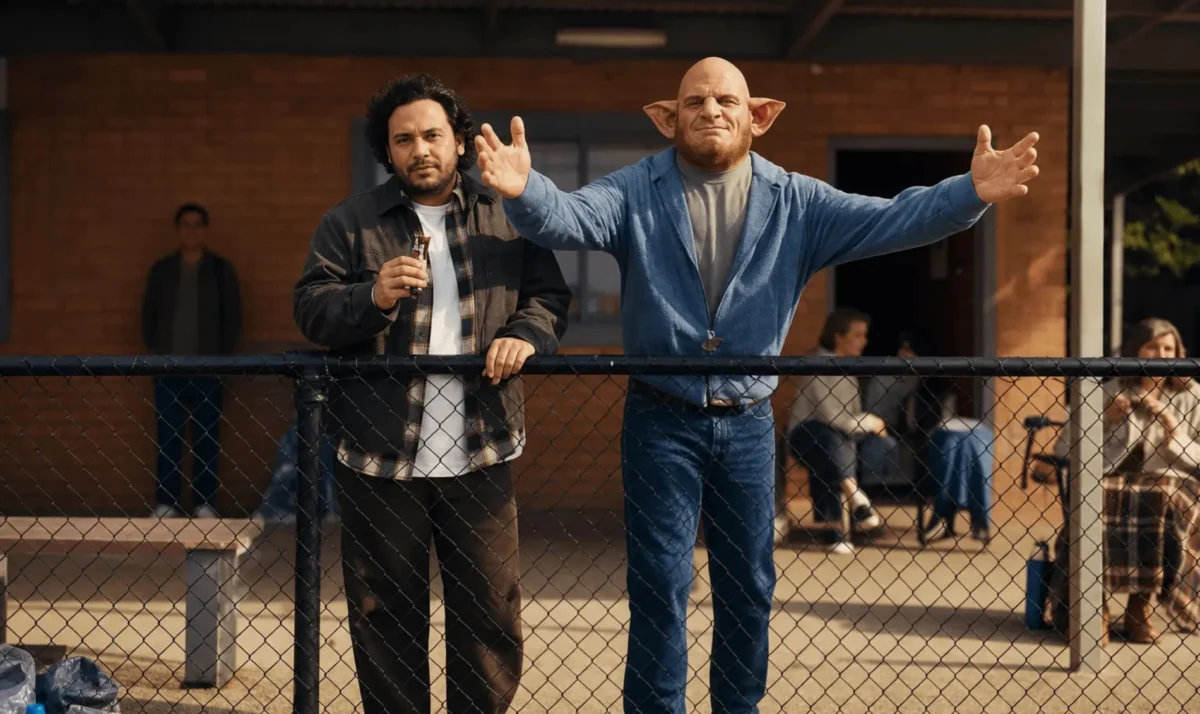
For over 15 years, the mantra “You’re not you when you’re hungry” has served as the bedrock of Snickers’ global marketing strategy. It is a simple, relatable premise: hunger causes irritability, and a quick chocolate fix is the cure for irrational behavior. Now, Mars, the parent company behind the iconic candy bar, is taking this psychological insight from the television screen to the volatile, high-speed ecosystem of Twitch.
In a bold new activation launching in Australia, Mars is challenging the internet’s golden rule: "Don’t feed the trolls." Instead, the brand is literally feeding them, using artificial intelligence and community moderation to identify toxic behavior in real-time and serving up a digital Snickers bar to those who need to "cool off."
The Core Concept: Redefining Digital Etiquette
The "Feed the Trolls" campaign, spearheaded by Publicis Groupe’s OneMars and creative agency T&P, represents a shift in how brands interact with live-streaming communities. Twitch, known for its rapid-fire, unfiltered chat culture, is a notoriously difficult environment for advertisers. By turning the chat window into a theater for the brand’s core message, Mars is attempting to turn a negative—harassment and toxicity—into a lighthearted, brand-aligned intervention.
The campaign is strategically timed to coincide with one of the most culturally significant periods in the Australian sporting calendar: the lead-up to the Australian Football League (AFL) and National Rugby League (NRL) Grand Finals. As millions of fans flock to streams to watch match analysis and community commentary, the likelihood of "hangry" outbursts in chat reaches a fever pitch. Mars is betting that by interjecting at the exact moment a user becomes toxic, they can foster a more positive environment while reinforcing their brand identity.
A Chronology of the "Feed the Trolls" Activation
The development of this campaign did not happen in a vacuum. It reflects years of research into digital community management and the evolution of influencer marketing.
- Initial Concept Phase: Working with T&P, the Mars creative team identified that the "Snickers" brand ethos—calming the agitated—perfectly mirrored the desired goal of community moderators: de-escalating conflicts in chat.
- Technological Integration: The agency developed a specialized moderation tool designed to scan for specific aggressive keywords and patterns common in "trolling."
- Partnership Recruitment: Mars identified key Australian streamers Nalopia and midbeast as the faces of the campaign. Their platforms, which focus on gaming and sports, were deemed the ideal testing ground for the integration.
- The Rollout: As the AFL and NRL seasons reached their climax, the tool was integrated into the live chat feeds. When a user crosses the line, the bot identifies the behavior, triggers a custom message, and offers a playful prompt to "grab a Snickers" before returning to the conversation.
- The Feedback Loop: Currently, the campaign is operating as a live experiment, with data being collected on how viewers react to the automated intervention compared to traditional moderation.
Supporting Data and the Psychology of "Hangry"
The brilliance of the Snickers campaign lies in its grounding in behavioral science. The concept of being "hangry"—a portmanteau of hungry and angry—is well-documented. Low blood glucose levels can impair self-control and increase aggressive tendencies, particularly in stressful, competitive environments like online gaming or high-stakes sports fandom.
Twitch, which boasts a daily audience of millions, has become the primary battleground for digital sentiment. According to recent industry data, chat activity is the single most important driver of engagement on the platform. However, the density of this engagement often leads to a "echo chamber" effect, where negative sentiment can spiral quickly.
By intervening, Mars is not just promoting a product; they are participating in the "community health" of the platform. Research from the Center for Countering Digital Hate suggests that traditional moderation often results in bans or timeouts, which can further isolate and radicalize toxic users. By contrast, the Snickers approach uses humor as a circuit breaker, which, in many psychological models, is significantly more effective at de-escalating interpersonal conflict than punitive measures.
Official Responses and Strategic Vision
While specific internal metrics remain proprietary, stakeholders have praised the initiative for its innovation in the "brand-safe" advertising space.
"We are moving past the era where brands simply place a banner ad next to a stream," says an agency representative close to the project. "The goal now is to be a participant in the culture. By ‘feeding the trolls,’ we are acknowledging the reality of the chat environment without shying away from it. It is a human-centric approach to an automated problem."
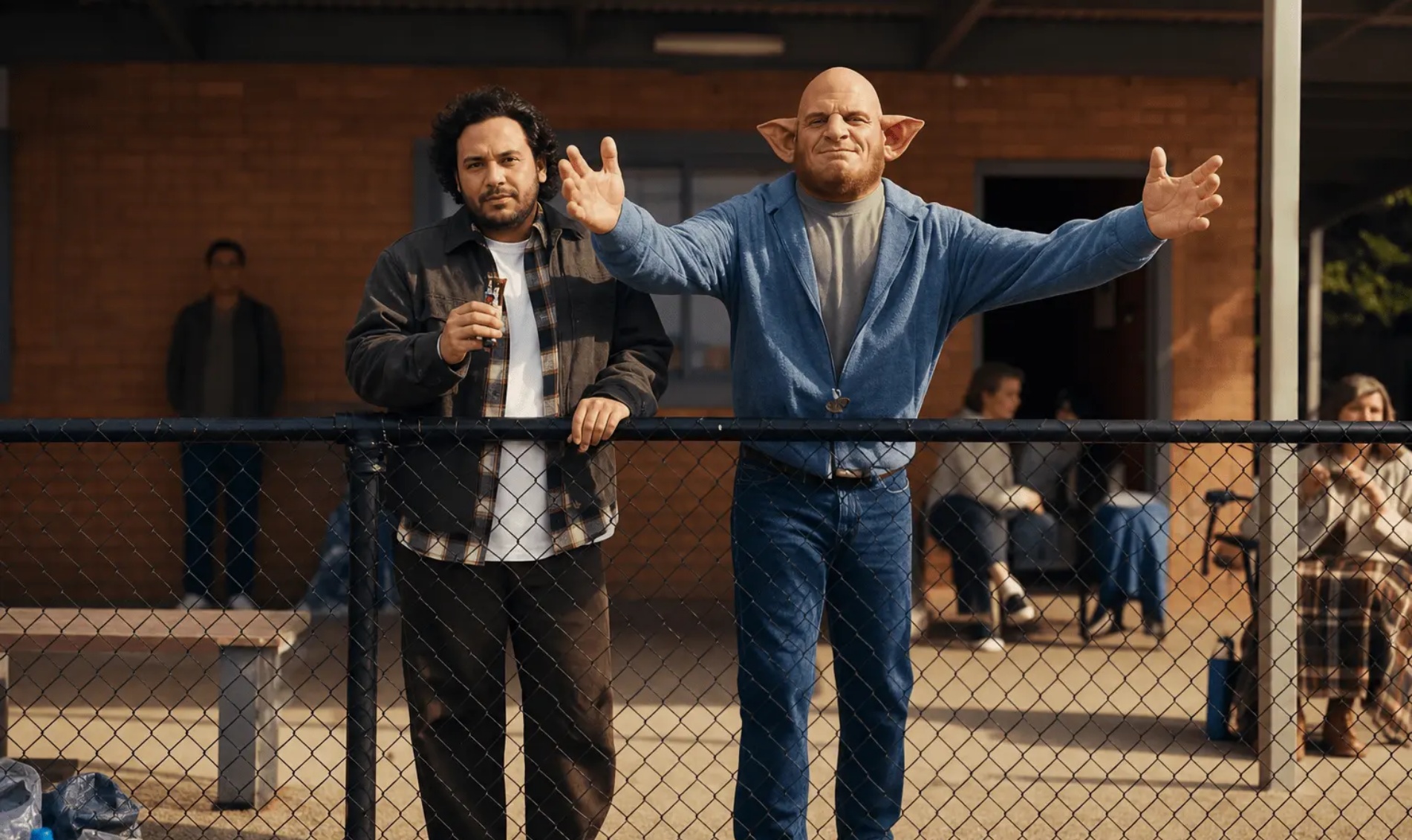
Streamers Nalopia and midbeast have also expressed enthusiasm. For them, the tool acts as a "second set of eyes," allowing them to focus on content creation while the Snickers integration handles the peripheral negativity. It alleviates the cognitive load on the creator, who would otherwise have to pause their stream to address a disruptive user.
Implications for the Future of Influencer Marketing
The Snickers/Mars campaign signals a broader shift in how major corporations view live streaming platforms. For years, "brand safety" was interpreted as "avoiding the platform entirely." Now, companies are beginning to realize that the chaos of the chat is precisely where the value lies.
1. Platform-Agnostic Operations
As creators move toward "platform-agnostic" careers—where they maintain presence across Twitch, YouTube, and TikTok—brands are looking for tools that can follow them. The Snickers campaign proves that moderation tools can be customized for specific brand voices, making it easier for companies to follow creators to whichever platform they choose to call home.
2. The Gamification of Moderation
We are entering an era where community moderation is being gamified. Instead of a sterile "Message deleted by moderator" alert, users are receiving personalized, brand-sponsored feedback. This could open the door for a new category of "ad-supported moderation," where brands sponsor the tools that keep digital spaces civil.
3. The Rise of "Interactive" Advertising
Twitch’s distinction from its competitors is its interactivity. Mars is effectively treating the chat window as an interactive ad unit. As more game studios build games that allow viewers to influence the outcome of a stream via chat commands, we can expect to see more brands creating "interactive overlays" that serve a functional purpose in the viewing experience.
Conclusion: A Sweet Solution to a Sour Problem
The "Feed the Trolls" campaign is an ambitious, albeit experimental, step forward. It bridges the gap between traditional broadcast marketing—which focuses on broad, relatable themes like hunger—and the hyper-specific, nuanced world of Twitch streaming.
Whether or not this approach will permanently change the culture of internet comment sections remains to be seen. Trolling is a deeply ingrained facet of digital life, often driven by anonymity and a lack of social consequence. However, by introducing a sense of playfulness and self-awareness, Mars is demonstrating that there is a way to address toxicity that doesn’t involve heavy-handed censorship.
For those watching in Australia, the activation serves as a reminder: the next time you feel the urge to lash out in a chat, you might just be hungry. And according to Snickers, a little bit of chocolate might be the best way to regain your composure and rejoin the conversation. As the lines between consumer, content creator, and advertiser continue to blur, this campaign provides a compelling blueprint for how brands can navigate the, at times, turbulent waters of the modern digital landscape.
It is a clever, timely, and culturally aware campaign that leverages the unique strengths of the streaming medium, proving that sometimes, even in the darkest corners of the internet, a little bit of sweetness can go a long way.

