

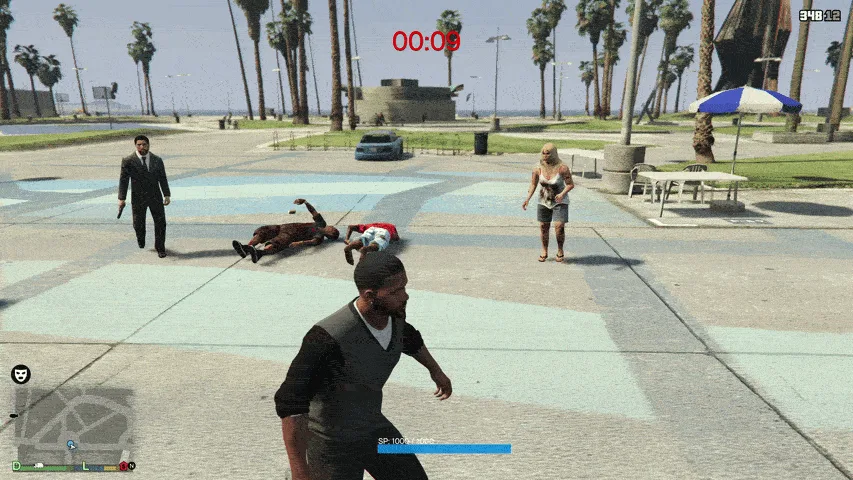
LOS SANTOS — In the sprawling, sun-bleached expanse of Rockstar Games’ virtual metropolis, a new kind of terror has taken root. For years, the criminal underworld of Grand Theft Auto 5 has thrived on high-speed car chases, heists, and turf wars. However, the delicate equilibrium of Los Santos is currently being subjected to a rigorous, daily stress test by modders attempting the impossible: transforming a decade-old blockbuster into a makeshift PC version of the anticipated GTA 6, or shattering the game’s code entirely in the process.
The latest chapter in this ongoing modification saga introduces an apocalyptic variable to the sandbox environment. There is, as the saying goes, no more room in hell—and the dead have officially checked into the beaches of Vespucci and the alleys of Vinewood.
Main Facts: The ZombieInfection Overhaul
The core of this recent experiment involves the integration of a community-developed modification known simply as ZombieInfection. Rather than merely swapping out character models or launching a localized mini-game, this script fundamentally alters the population dynamics of Rockstar’s open world.
Key elements of the current modded build include:
- Spontaneous Outbreaks: Unsuspecting pedestrians throughout Los Santos are randomly replaced by shambling, blood-soaked revenants.
- Exponential Transmission: The infection mechanic dictates that any contact between a zombie and a living citizen results in an immediate and irreversible conversion to the horde.
- Environmental Vulnerability: Despite their supernatural origins, the undead remain fully susceptible to traditional physics engines—meaning they can be flattened by vehicles, swept away by erratic weather scripts, or incinerated by fire.
- Bypassing Immortality: Perhaps most alarmingly, the mod’s infection script possesses enough programmatic weight to override custom player invulnerability, proving that not even invincible main characters are safe from the walking dead.
Chronology of the Chaos: From Modest Mod to Municipal Crisis
The transformation of Grand Theft Auto 5 from a polished crime simulator into an unstable testing ground has been a gradual, calculated descent into chaos.
Phase One: Heavy Artillery and Automotive Overkill
The journey began with baseline modifications aimed at testing the physical limits of the game’s engine. Initial experiments introduced experimental vehicles outfitted with enough explosive ordnance to level entire city blocks in a matter of seconds. At this stage, the primary objective was stress-testing rendering distances, particle effects, and explosive physics under heavy strain.
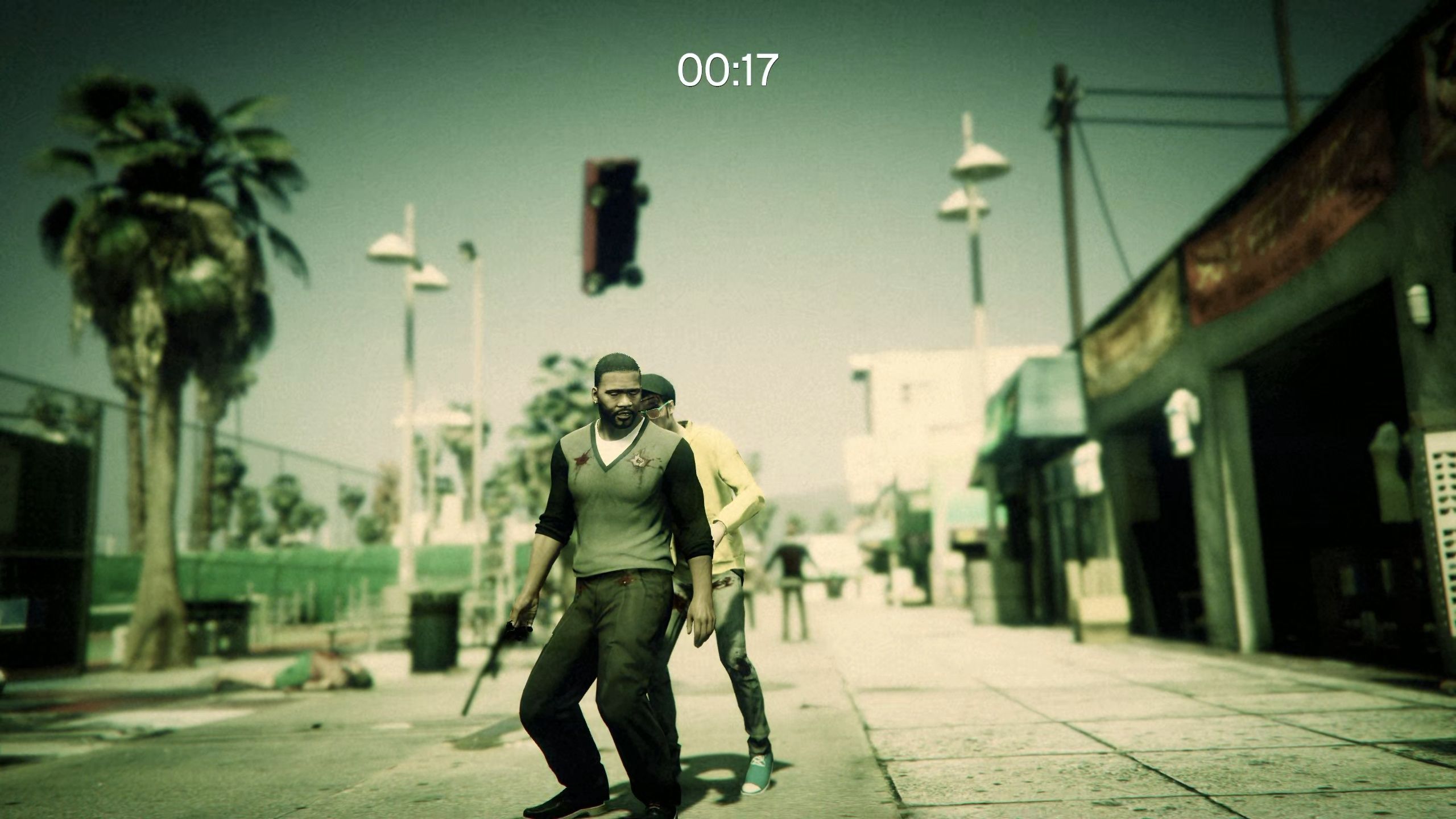
Phase Two: Weather Anomalies and Human Pignata Physics
As the experiments escalated, environmental hazards were introduced. Custom scripts brought violent tornadoes tearing through downtown Los Santos, picking up vehicles, pedestrians, and core protagonists alike. During this phase, character models like Franklin were subjected to extreme durability tests—routinely utilized as human speed bumps and living physics ramps to see how the ragdoll engine handled prolonged abuse.
Phase Three: The Arrival of the Undead
The latest, most disruptive phase arrived with the activation of the ZombieInfection script. What began as an isolated sighting of two or three shambling figures near the pier quickly cascaded. Because the mod dictates that any pedestrian touched by a zombie joins the collective, the local population effectively acts as a living vector. Within minutes of spawning into a crowded district, peaceful beachgoers and panicked tourists transform into a surging wave of the undead, turning routine patrols into desperate fights for survival.
Supporting Data: The Mechanics of Exponential Growth
To understand the severity of the ZombieInfection mod, one must look at the mathematical reality of exponential transmission within a dense virtual environment. Los Santos is designed to simulate a bustling metropolis, featuring high pedestrian density metrics, particularly in urban cores and tourist hotspots.
- Infection Rate: Testing data reveals that a single infected pedestrian dropped into downtown Vinewood multiplies into a crowd of dozens within less than three game-hours.
- Pathfinding Limitations: While the AI of the undead is programmed to shamble relentlessly toward the nearest living target, their lack of speed often works against them. Traffic density and chaotic NPC driving AI frequently result in the horde being decimated by ordinary citizens panicking behind the wheel.
- Engine Stability: Despite the sudden influx of dynamic actors and real-time conversion calculations, the GTA 5 engine has proven surprisingly resilient—though framerates occasionally stutter when hundreds of polygons collide during vehicular clear-cutting.
Interestingly, the undead inadvertently serve as a grim urban planning lesson. Cities prone to high pedestrian foot traffic and narrow choke points suffer the worst during outbreaks, while wide boulevards and high-speed transit corridors allow local authorities (and panicked players) to thin out the horde using heavy machinery.
Official Responses and Community Reaction
While Rockstar Games has not issued a direct statement regarding this specific modded playthrough—adhering to their long-standing stance of allowing single-player PC modification while strictly policing online spaces—the broader gaming community has responded with a mixture of dark humor and morbid fascination.
Modding forums and social media channels have lit up with clips from the ongoing experiment, particularly highlighting the moment the game’s own safety nets failed. Veteran players expressed genuine shock upon discovering that the custom aura of immortality protecting protagonists like Franklin could be breached.
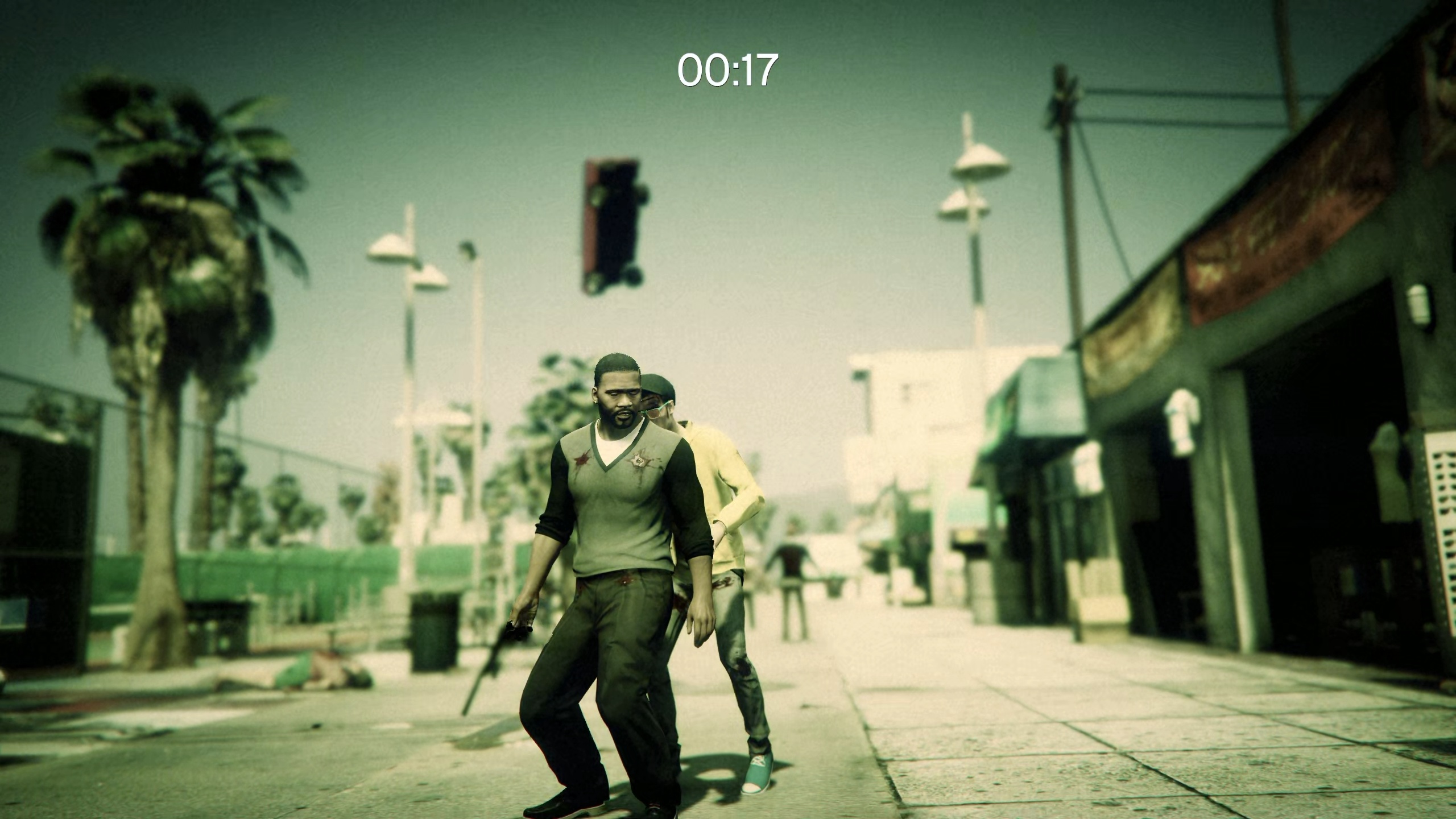
"Franklin has survived being launched into the stratosphere by hacked physics engines, walked through localized tornadoes, and acted as a highway ramp for speeding sports cars without a scratch," noted one community observer. "Yet, let a single decomposing extra brush against his jacket for a few seconds, and he joins the choir invisible. It’s a humbling reminder that code always finds a way."
Implications: What This Means for the Road to GTA 6
The underlying premise of this daily modding quest is simple: Can an aging masterpiece be stretched, warped, and Frankensteined into something resembling the next generation of open-world gaming, or will the engine finally buckle under the weight of its own modifications?
The addition of a full-scale zombie outbreak offers critical insight into the architectural limitations of the Grand Theft Auto framework:
- Scalability of AI: While GTA 5 handles large crowds effectively, injecting dynamic conversion scripts stresses pathfinding and prioritization systems, offering developers a blueprint of what to avoid (or optimize) when building denser, more reactive ecosystems for future titles.
- The Limits of Invulnerability: Custom scripts often operate in silos. When two complex modifications—such as permanent player invulnerability and a health-draining infection script—collide, the resulting hierarchy of code execution provides a fascinating look at priority conflicts within game engines.
- The Enduring Appeal of Sandbox Chaos: More than anything, these experiments underscore why GTA 5 remains an enduring platform a decade after its initial release. The ability to fundamentally rewrite the laws of physics, weather, and mortality keeps the single-player experience endlessly replayable.
As the quest to reach GTA 6 (or break GTA 5 beyond repair) continues, players are left wondering what fresh horror will be introduced next. Will aliens descend upon Blaine County? Will gravity be toggled off entirely?
One thing is certain: Los Santos will never be the same again. Happy Halloween.

