


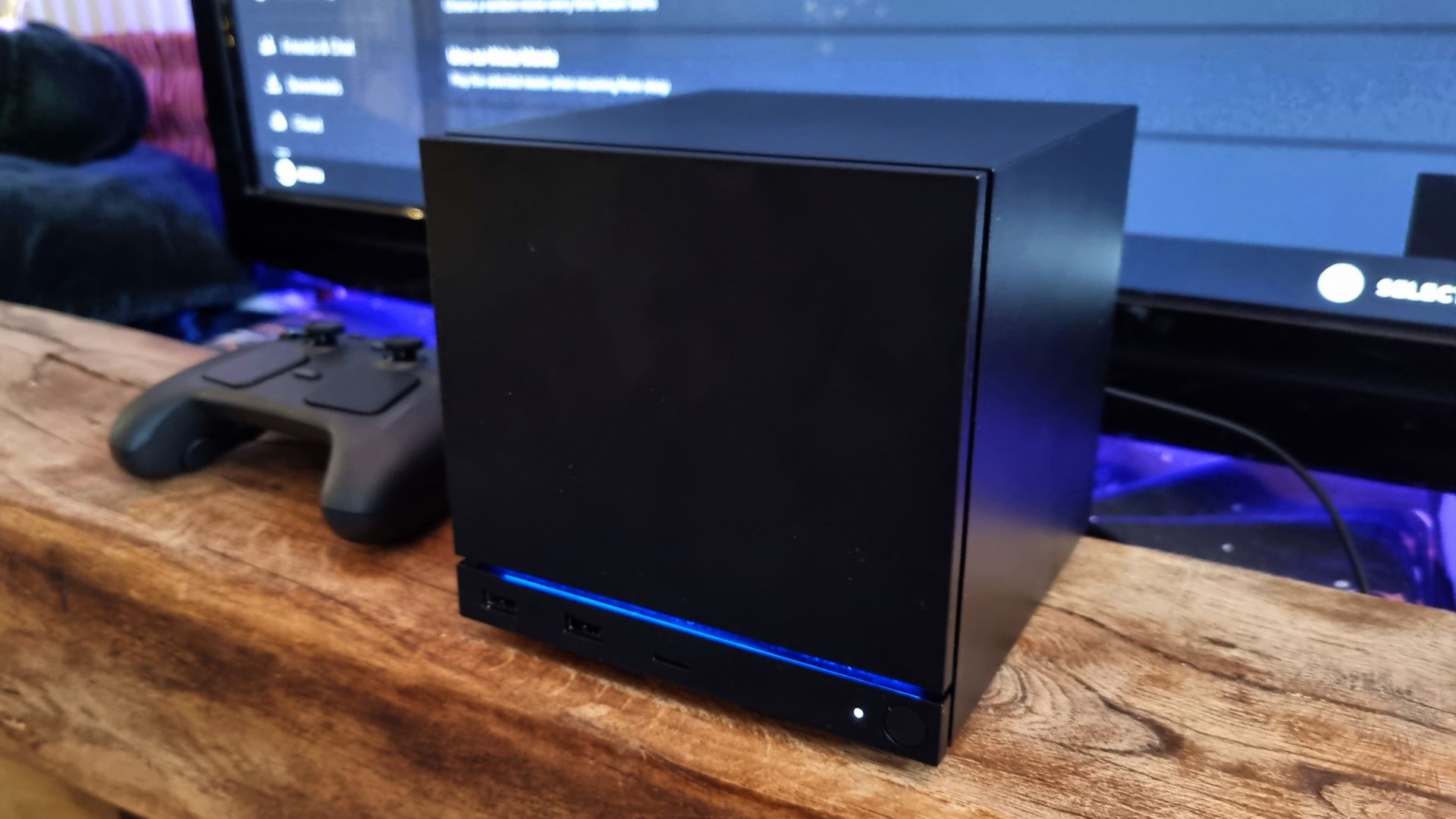
The living room PC has officially graduated from a niche enthusiast project—often characterized by unsightly, trailing HDMI cables—to a polished, consumer-ready reality. With the recent launch of the $1,000 Steam Machine, colloquially dubbed the "GabeCube," Valve has solidified its presence in the lounge. Yet, this milestone is not merely about a singular piece of hardware. It represents the culmination of a decade-long philosophy: the democratization of the PC gaming experience.
By prioritizing open-source accessibility over walled-garden exclusivity, Valve is effectively rewriting the rules of the console wars, challenging the traditional paradigms established by industry giants like Sony and Microsoft.
A Chronology of the Living Room Ambition
To understand the significance of the modern Steam Machine, one must look back at Valve’s long-standing, often rocky, relationship with living room hardware.
The initial concept of a "Steam Machine" was first floated in 2013, a bold, ambitious attempt to move PC gaming off the desk and onto the TV. At the time, the project struggled with a fragmented ecosystem, limited software support, and a nascent SteamOS that wasn’t quite ready for primetime. It was a failure of execution, not of vision.
In the years that followed, Valve pivoted toward the handheld market. The introduction of the Steam Deck was the "proof of concept" the company needed. By creating a device that was both powerful and approachable, Valve proved that Linux-based gaming was not just viable—it was superior in many ways to the bloated environments of competing operating systems.
The recent release of the standalone Steam Machine marks the maturation of this journey. Unlike the failed iterations of the mid-2010s, this new generation benefits from a vast library of "Deck Verified" titles and a refined, console-like interface that feels native to a television screen.
The Open Ecosystem: Why Valve Refuses to Build a "Walled Garden"
Valve’s strategy is a stark departure from the console industry’s standard operating procedure. While Sony and Microsoft continue to rely on the "exclusive" model—restricting high-profile titles to specific hardware to force console sales—Valve is doing the exact opposite.
"We want it to still be viable for other hardware manufacturers to offer things like the Steam Machine, either with higher performance or a different feature set," Valve engineer Yazan Aldehayyat explained in a recent interview with Bloomberg.
This philosophy is baked into the DNA of the company. Valve is content to sell its own hardware at cost—a feat made significantly more difficult by the current AI-driven memory market volatility—because its primary interest lies in growing the total addressable market of the PC platform.
Innovation Through Competition
Valve’s engineers are betting on a "rising tide lifts all boats" scenario. By keeping SteamOS free and open, they encourage third-party manufacturers to innovate. We have already seen this play out with devices like the Lenovo Legion Go, which some reviewers have argued provides a more refined user experience than Valve’s own hardware when running SteamOS.
"We look at it from a long-term perspective," says Valve engineer Loup Griffais. "Someone that is creating one of those PCs might actually create some meaningful innovation that is really important for things to come on PC… that becomes so universal and brings the experience forward by that much that now the experience is better for everyone."
Supporting Data: The Economics of the "Anti-Exclusive"
Why would a hardware company willingly sacrifice the "exclusives" that define the current console generation? The answer lies in the business model. Unlike hardware-first companies that rely on console sales to recoup R&D, Valve operates the world’s most dominant digital storefront.
With a 30% commission on the vast majority of game sales, Valve captures revenue regardless of whether the user is playing on a $500 Steam Deck, a $1,000 Steam Machine, or a high-end $4,000 custom-built rig. By treating the entire PC catalog as their "launch exclusive," Valve ensures that they are the primary beneficiary of the player’s spending habits, regardless of the hardware brand stamped on the chassis.
Furthermore, the lack of friction is a massive selling point. Even in their own hardware efforts, Valve avoids draconian restrictions. For instance, the pack-in title Aperture Desk Job—designed to show off the capabilities of the Steam Deck—is fully playable on any PC with a controller. There is no artificial gatekeeping, no "Steam Machine-only" software, and no proprietary accessories that lock the consumer into a specific ecosystem.
The Implications: A Shift in Power Dynamics
The long-term implications of this approach are profound. We are currently witnessing a "console war" that feels fundamentally different from those of the past.
The Decline of Exclusivity
Sony’s recent retreat from the PC market—or rather, their oscillation between supporting and restricting it—has left a void. As Sony and Microsoft tighten their grips on their internal studios to bolster their respective platforms, Valve is positioned as the "neutral ground." By offering an open platform, Valve is effectively positioning the PC as the ultimate, future-proof console.
The Role of SteamOS
The true hero of this story is not the hardware itself, but the software. SteamOS has successfully bridge the gap between the complexity of PC gaming and the convenience of console gaming. By legitimizing a Linux-based interface that doesn’t require a keyboard or mouse to navigate, Valve has lowered the barrier to entry for millions of consumers who were previously intimidated by the "PC experience."
The AI-Driven Hardware Market
The current hardware landscape is fraught with challenges. The AI boom has caused memory prices to spike, squeezing the margins on consumer hardware. For a company like Microsoft or Sony, this would necessitate a price hike or a decrease in quality. For Valve, the ability to partner with diverse manufacturers—each with their own supply chains and strategic goals—provides a buffer. If one manufacturer cannot keep prices low, another might find a way to optimize their build, keeping the SteamOS ecosystem vibrant.
Conclusion: The Long Game
Valve’s strategy is not about winning the next quarter; it is about winning the next decade. By refusing to engage in the race to the bottom of exclusivity deals, they have built a platform that is more resilient, more diverse, and more consumer-friendly than any of its competitors.
As we look toward the future of the living room, the "Steam Machine" is less of a product and more of a manifesto. It is a declaration that the PC is not just a desk-bound tool for work and high-end gaming, but a versatile, living, and breathing platform that belongs in every room of the house.
For the dozens of early adopters picking up the latest Steam Machine, the reward is not just a high-end gaming cube. It is the peace of mind that comes with knowing their investment is part of an open, evolving ecosystem that will not disappear when the next generation of hardware arrives. In an industry defined by proprietary barriers and artificial restrictions, Valve’s bet on openness might just be the most disruptive move in gaming history.

