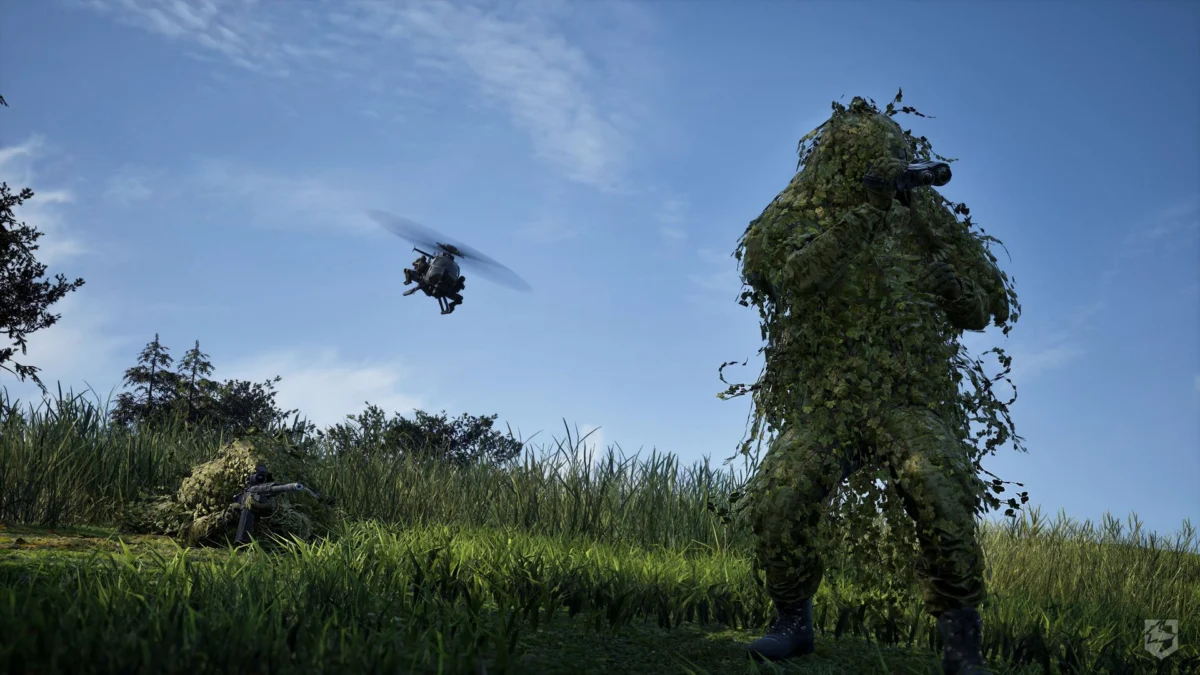
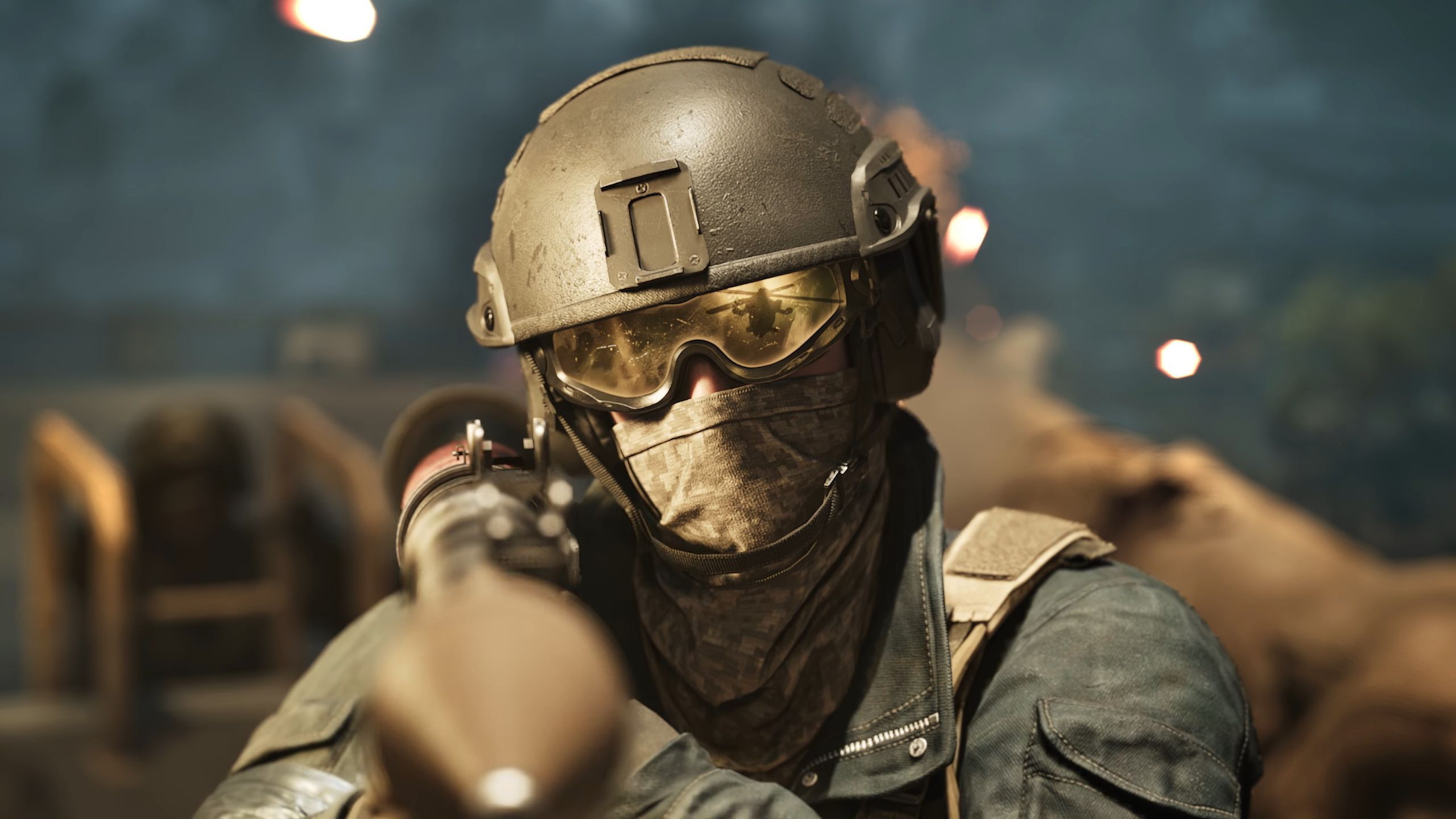
Three weeks into the early access launch of Wardogs, developer Bulkhead is already confronting the turbulent reality of taking a 100-player sandbox first-person shooter public. While the game has quickly established itself as a standout title for fans of chaotic, large-scale tactical combat, its early lifecycle has exposed deep cracks in its progression and endgame balancing.
Rather than hiding from the criticism, Bulkhead CEO Joe Brammer has leaned directly into the community discourse, offering a brutally honest assessment of the game’s current shortcomings, explaining why the studio intentionally designed its first season to be short, and teasing how the metagame will evolve.
Main Facts: The State of Wardogs After Three Weeks
Wardogs places 100 players into sprawling, asymmetrical skirmishes where economy management, base building, and high-stakes combat collide. However, as the player base settles in, a widening gap has emerged between casual participants and the most dedicated players who have unlocked high-tier equipment.
The XP Grind and Endgame Disconnect: Players sinking significant time into the game have run the numbers on the Wardogs XP grind, noting that progression slows to a punishing crawl. The endgame—dominated by high-tier vehicles, heavy body armor, and advanced weaponry—has faced heavy backlash.
The "Mortar Spam" Meta: A dominant and frustrating tactic has materialized around mortar usage. Because mortar ammunition is cheap and abundantly available, matches are frequently disrupted by relentless explosive barrages. Bulkhead has confirmed this will be targeted for an immediate nerf.
Deliberately Short Season 1: Recognizing that balancing issues were inevitable before thousands of players stress-tested the servers, Bulkhead intentionally structured the inaugural season to be unusually brief to avoid locking players into a broken meta for months.
Sandbox Philosophy over Esport Balance: Bulkhead views Wardogs primarily as an unpredictable sandbox experience rather than a tightly controlled competitive tactical shooter. The development team is willing to let certain items or weapons be overpowered for a single season to maintain dynamic shifting metas.
Chronology: From Launch Hype to Community Backlash
The trajectory of Wardogs over its first three weeks highlights the classic friction points of modern early access development:
The Honeymoon Phase (Week 1): The initial launch captured players’ imaginations. The sheer scale of the 100-player maps, the freedom of movement, and the gritty gunplay earned immediate praise across YouTube and social media.
The Grind Sets In (Week 2): As hardcore players began unlocking top-tier gear, the community noticed a sharp shift in match dynamics. Encounters against players wearing advanced armor or utilizing superior vehicles felt insurmountable for newcomers or those sticking to budget loadouts.
Content Creator Critiques (Week 3): YouTuber JbowenDaMan published a comprehensive video breaking down balancing concerns and the grueling XP requirements. The video sparked widespread community discussion and caught the attention of the development team.
The Developer Response: Bulkhead CEO Joe Brammer responded via X (formerly Twitter) with an extended video reaction, validating the community’s frustrations, dropping blunt soundbites about the current state of the endgame, and outlining the studio’s long-term vision.
Supporting Data & Observations: Navigating the Asymmetrical Sandbox
For players still learning the ropes, surviving Wardogs often requires a frugal mindset. Running high-end kits worth tens of thousands of in-game currency is a massive financial risk when a single stray bullet or ambush can wipe out an entire loadout.
Many players deliberately adopt a "cheapskate" playstyle—purchasing level-two armor and low-cost firearms to minimize losses. Ironically, this financial restraint introduces its own distinct brand of tension and thrill. Taking down a heavily armored "big fish" through clever positioning, outflanking, or sheer luck—and subsequently looting their high-tier gear—remains one of the game’s most rewarding loops.
However, shifting playstyles from match to match can also breed friction. While some squads prefer aggressive pushes into Hot Zones, others prioritize defensive construction or attacking Forward Operating Bases (FOBs). When team objectives misalign, matches can stall out, leading to player burnout. Adapting to these shifting team dynamics—whether by pivoting to anti-air roles, mastering vehicle piloting, or hunting FOBs—has become a prerequisite for sustained enjoyment.
Official Responses: "The Late Game Isn’t Broken, It’s Sh*t"
Joe Brammer did not mince words when addressing the community’s feedback, offering transparent insight into Bulkhead’s development philosophy and acknowledging the shortcomings of the current build.
Addressing the state of progression and balance, Brammer pulled no punches:
"I would say the late game isn’t broken, it’s sht."*
He elaborated on why the studio is comfortable with temporary imbalances, noting that perfection is impossible without a massive player base stress-testing systems in real time:
"Ultimately, this was planned. We are not surprised. It wasn’t because we knew all of these specific issues were going to happen, but we did know we hadn’t got it right, because you’re never going to get it right without more people playing. Sometimes in our game, we’re going to be OK with something being a bit overpowered for a season and then underpowered next season, to keep it interesting."
On the specific issue of explosive spam, Brammer admitted that the current economic balancing for indirect fire is heavily flawed:
"There’s a bit of a mortar spam meta. We acknowledge that the costing of mortar ammo—you get so much more ammo. So that’s something we’re going to look at nerfing."
Crucially, Brammer defended the decision to launch a short first season rather than forcing the community to endure months of flawed endgame balance:
"Season 1 is short deliberately because we knew these endgame balancing issues existed. So imagine if we had a three-month-long season, with our game three weeks in: Do you want to keep playing this for another nine weeks? No, nobody wants that. So that’s why this season is so short."
Implications: What Lies Ahead for Wardogs
Looking beyond the immediate growing pains of early access, Bulkhead has ambitious plans to expand the game’s depth and progression systems. According to Brammer, players currently are experiencing roughly "25% of the game."
Persistent Skills and the "Intel" Economy
Future updates will introduce Escape from Tarkov-style persistent skills that improve organically through repetition rather than arbitrary XP grinding. Actions such as maintaining tactical sprint duration or keeping a sniper rifle steady while cycling the bolt will grow naturally over time, and these skills will not be wiped between seasons.
Additionally, a new "intel" resource is slated to join cash and standard XP as a vital currency. This resource will be required to unlock complex gun parts and attachments, pushing weapon customization far beyond the current selection of basic grips, scopes, and muzzles.
The Balancing Act Ahead
While these planned features point toward a much richer, more strategic shooter, they also introduce valid concerns. Deep gunsmith systems risk over-optimization, where players eventually min-max weapons into homogenized, hyper-efficient meta builds that strip away the chaotic charm of early access.
For now, Bulkhead’s willingness to openly converse with its community, admit when systems fall flat, and course-correct rapidly serves as a positive sign. Wardogs may have a punishing mountain to climb regarding its endgame economy and equipment balancing, but as long as the developers keep listening, the battlefield remains full of potential.